
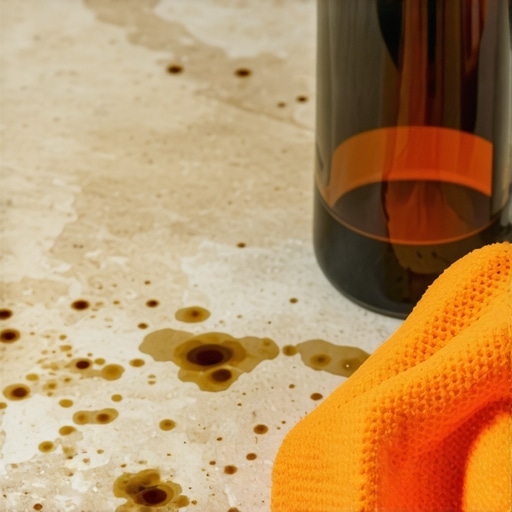
Have you ever scrubbed your kitchen counter with that popular natural cleaner, only to notice dull patches or even tiny scars appearing where there once was a smooth, gleaming surface? I sure have. One day, after a rigorous deep clean, I looked down at my pristine stone countertop and saw dull spots I couldn’t explain. That’s when I had my lightbulb moment—my favorite natural remedy was secretly causing damage. It was a frustrating revelation, but it prompted me to dig deeper.
Unmasking the Hidden Damage Vinegar Causes on Stone Surfaces
Vinegar has long been touted as an eco-friendly, chemical-free cleaning hero. It’s affordable, readily available, and seemingly gentle—so why would it cause harm? The truth is, despite its natural reputation, vinegar’s acidity can attack the delicate mineral surfaces of natural stone countertops, like granite, marble, and quartz. Over time, this acid erodes the surface, leading to tiny scratches and dull patches that diminish the countertop’s beauty and value.
Early on, I made the mistake of assuming that if something is labeled “natural,” it’s automatically safe. I enthusiastically used vinegar on everything, including my beloved granite. Within months, I noticed the shine was fading, and the surface was developing a rough feel. That’s a common misconception—many homeowners don’t realize that acids like vinegar can break down the protective seal of their stone surfaces, making them more vulnerable to staining and etching. (Did you know that a study by the National Institutes of Health highlighted how acidic substances accelerate mineral erosion?)
Is Natural Always Better? Why Your Homemade Cleaners Might Be Doing More Harm Than Good
This realization was a wake-up call for me. I had so blindly trusted my DIY justice, despite having skipped proper research. It’s easy to fall into the trap of believing that if something is natural or homemade, it’s entirely safe for all surfaces. But the reality is, some natural ingredients, like vinegar, are downright corrosive to specific materials. To avoid worsening the damage, I started uncovering effective, safe cleaning strategies — ones that protect my countertops and keep them beautiful. Want to learn what I discovered? Keep reading, and we’ll explore the best practices to clean your stone counters without risking their integrity. If this sounds familiar or you’ve faced a similar problem, let me know in the comments—I love sharing tips from my own cleaning adventures and learning from yours.
Start with Proper Cleaning Tools and Supplies
Before you begin, gather non-abrasive microfiber cloths, pH-neutral stone cleaner or mild soap diluted in water, and soft-bristled brushes. I once tried to clean my marble countertop with a rough sponge and harsh cleaner, which left scratches and dull patches. Using the wrong tools can damage delicate surfaces, so opt for soft, gentle materials. Once equipped, I tested a small inconspicuous area to ensure no adverse reaction.
Remove Surface Debris and Loose Dirt
Begin by dusting or sweeping your counters with a dry microfiber cloth to lift loose particles. In my experience, this step prevents scratching during wiping. Use a gentle vacuum attachment if crumbs are stubborn. Clearing debris first makes subsequent cleaning more effective and safer for your surface.
Apply the Correct Cleaner and Distribute Evenly
Use a pH-neutral stone cleaner or a mix of a few drops of mild dish soap diluted in water. Spray or dampen your cloth with the solution and lightly wipe the surface in a circular motion. I remember splattering too much cleaner once, causing streaks; learning to dampen rather than drench is key. Avoid acidic or alkaline cleaners that can etch the stone, like vinegar or lemon juice, which I once learned the hard way by etching my granite.
Tackle Stubborn Stains with Specific Techniques
For stains, create a paste from baking soda and water or use specialized stone stain removers. Apply gently with a soft cloth, then let sit for a few minutes before wiping clean. I faced an oil stain that wouldn’t budge, but a paste applied overnight finally lifted it without damage. Never scrub aggressively—gentle, consistent pressure preserves the surface integrity.
Dry and Buff for a Shine
After cleaning, dry the counter thoroughly with a clean microfiber cloth to prevent water spots. Then, buff with a dry cloth to restore the shine. I used a circular buffing motion to revive my dull marble, noticing an immediate glow. Regular drying prevents mineral buildup and dullness caused by water spots and mineral deposits.
Seal Your Countertops Regularly
Sealing adds a protective barrier, preventing staining and etching. Test if your surface needs sealing by placing a few drops of water; if it absorbs, it’s time to reseal. I resealed my countertop annually, which kept it resistant to spills and easier to clean. Follow manufacturer instructions carefully—most sealers require a few coats and curing time.
Establish Daily and Weekly Maintenance Routines
Wipe counters daily with a damp microfiber cloth to remove dirt and spills. For weekly upkeep, use a gentle stone cleaner to maintain the surface’s luster. I set a reminder on my phone to clean my counters every Sunday, which keeps dull patches at bay and extends the lifespan of the sealant.
Avoid Common Mistakes That Damage Stone Surfaces
Never use abrasive pads, bleach, or acid-based cleaners—these can cause etching and dullness. I learned to keep acidic substances like lemon juice away from my marble by clearly labeling bottles and storing them separately. Also, wipe up spills immediately to prevent stains from setting, especially for oils and wine.
Share Your Experience and Tips
I once accidentally used a steel wool pad, leaving scratches on my granite. Since then, I stick to gentle tools and proper cleaning methods. If you’ve faced similar challenges or have your own tricks, share them in the comments or visit our contact page. Consistent care can keep your stone counters looking pristine for years to come.
Many homeowners believe that following basic cleaning routines or using popular products guarantees a germ-free, spotless home. However, what most fail to realize is that some widely accepted practices can inadvertently compromise cleanliness and safety. For example, a common misconception is that disinfecting every surface with bleach or harsh chemicals always ensures sanitation, but over-sanitizing can damage delicate materials and even contribute to microbial resistance. Studies, such as those published in the Journal of Hospital Infection, highlight how improper disinfection protocols can be ineffective or counterproductive. Additionally, many people think that DIY cleaning products are equally effective as professional solutions, yet without understanding the proper pH levels or ingredient interactions, you might be wasting time and money while leaving behind residual bacteria or residues that attract more dirt. An often-overlooked aspect is in move-out cleaning—the emphasis on scrubbing visible grime can overshadow the importance of thorough sanitization in hidden areas like behind appliances or within HVAC vents, which harbor dust mites and bacteria. To truly optimize your home hygiene, it’s essential to understand the nuances—like using the right tools, avoiding common chemical pitfalls, and targeting hidden trouble spots. For instance, when cleaning upholstered furniture, using improper chemicals can weaken fabrics or cause discoloration, as discussed in our upholstery tips. Making these mistakes is a silent barrier to achieving the clean, safe environment you desire. Have you ever fallen into this trap? Let me know in the comments.
How do I keep my cleaning tools effective over time?
Investing in high-quality, durable cleaning equipment is crucial for maintaining a spotless home. I personally swear by a microfiber cleaning cloth—it’s reusable, non-abrasive, and tougher than typical paper towels, which helps prevent scratching delicate surfaces like quartz and glass. Regularly washing and replacing your cloths prevents bacterial buildup, ensuring they continue to serve effectively. Proper tool maintenance extends their lifespan and keeps your home hygienic.
Why are professional-grade cleaning gadgets worth the investment?
Devices like steam cleaners and cordless vacuums offer superior results when maintained correctly. For example, I use a handheld steam cleaner on upholstery and grout—it’s chemical-free and versatile. To keep it working, I descale the device monthly, following the manufacturer’s instructions, which prevents mineral buildup and ensures consistent heat output. Future trends predict increased integration of smart features, allowing remote diagnostics and maintenance alerts, making long-term upkeep even easier. If you’re curious about appliances that can boost your cleaning routine, check out upholstery cleaning tools.
What methods help preserve your home’s cleanliness without extra effort?
Automation can be your best ally. I recommend setting up a cleaning schedule with digital reminders or smart home integrations. For example, scheduling your robot vacuum to run daily prevents dust buildup, reducing the need for intensive weekly cleans. For long-term results, use color-coded microfiber cloths for different areas to prevent cross-contamination, and wash them with hot water and a disinfectant like oxygen bleach, which is gentle yet effective. A study in the Journal of Hospital Infection highlights how consistent maintenance of cleaning tools reduces microbial transmission. Try implementing a weekly tool hygiene routine, and notice how your home stays fresher with less effort.
Scaling your cleaning system for larger spaces or multiple properties
Once your basic routines are solid, consider modular cleaning systems. Heavy-duty extractors, high-capacity mops, and extendable dusters allow you to cover bigger or more complex homes efficiently. For instance, I use a lightweight, rechargeable carpet cleaner for move-out jobs, which is effortless to transport and operate. Proper maintenance, such as cleaning filters after each use and replacing worn brushes, ensures longevity and reliable performance. As the cleaning industry innovates, expect smarter, modular tools that facilitate faster, more thorough sanitization—really the way forward for property managers and busy homeowners alike. Regularly updating your toolkit ensures you’re ready for any challenge, whether it’s a deep move-out clean or routine upkeep. For more strategic tips, see move-out cleaning strategies.
Through my journey of mastering home hygiene, I’ve learned that the most effective cleaning isn’t just about quick fixes or trendy products—it’s about understanding the deeper lessons that reveal real safety and beauty in our homes. These insights have transformed my approach and can do the same for you.
Lessons That Changed My Cleaning Perspective
- Not All Natural Remedies Are Gentle: I used to swear by vinegar, but realizing how its acidity erodes stone surfaces was eye-opening. Sometimes, natural ingredients can do more harm than good if you don’t use them wisely.
- Tools Matter as Much as Solutions: Investing in quality microfiber cloths and proper brushes made a noticeable difference. Proper tools prevent surface damage and make cleaning more effective.
- Over-Sanitizing Can Backfire: Using harsh chemicals on every surface can weaken materials and foster resistance. It’s vital to target cleaning efforts intelligently, focusing on high-touch areas and hidden spots.
- The Power of Consistency: Establishing a routine—not just cleaning but maintaining tools and surfaces—keeps home hygiene manageable and more effective over time.
- Understanding the Surface Matters: Knowing your materials guides you toward the right cleaning methods, preventing damage and preserving their natural luster.
Tools and Resources That Elevate My Approach
Effective cleaning secrets from industry experts have been invaluable, offering practical tips rooted in real-world experience. Additionally, specialized upholstery cleaning guides teach me how to respect delicate fabrics, ensuring they stay fresh without wear. For thorough move-out cleaning that safeguards your deposit, strategic move-out tips help me leave the space spotless and damage-free. These resources are trusted because they combine professional insights with practical advice, making them essential for any homeowner committed to quality cleaning.
Your Next Step Toward a Smarter Home Clean
Remember, the essence of effective house cleaning and sanitizing is continuous learning and adapting. Don’t hesitate to experiment with new methods, invest in quality tools, and seek out trusted resources. Your home’s health and beauty are worth it. Dive into these insights, and transform your cleaning routine into a skill that truly benefits your family’s well-being.
What’s one cleaning habit you’ve recently changed or want to improve? Share your story below—I love hearing how others are making their homes safer and more beautiful!