
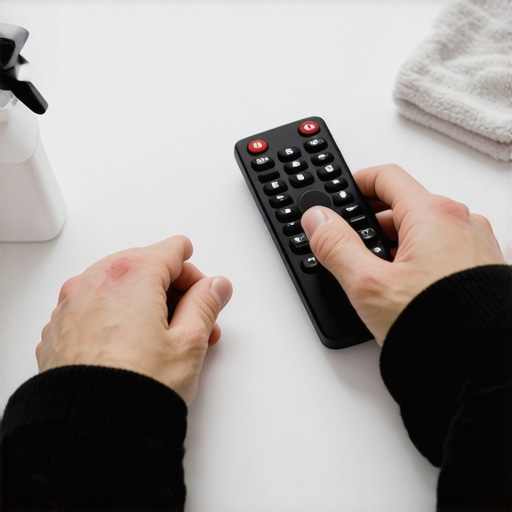
Ever reached for your remote after a long day, only to feel that slimy, grimy film on the buttons? I’ve been there—frustrated because I knew it needed a good wipe, but I was terrified of damaging the tiny, delicate buttons. The last thing I wanted was to ruin my favorite device just because I was trying to clean it. That lightbulb moment hit me hard: there had to be a safe, effective way to disinfect my remote without turning it into a sticky mess or destroying the buttons.
Why Cleaning Remotes Can Be Trickier Than It Seems
Let’s be honest—what’s more gross than a remote control? It’s practically a germ magnet, constantly touched by everyone in the house, often without a second thought. But many of us hesitate to clean it properly, fearing the chemicals might strip the buttons or seep inside, damaging the electronics. This hesitation leaves our gadgets clogged with bacteria, including notorious culprits like household germs that can make you sick.
In my early days of cleaning, I made the mistake of spraying harsh disinfectants directly onto the remote. You know what happened? A few days later, I noticed the labels on the buttons peeling, and some buttons starting to stick. It was a clear sign I needed a better approach—one that disinfects without damaging.
According to experts, proper sanitization is crucial—especially during flu season—and yet many household cleaning tips overlook the delicate balance of thoroughness and safety. The key is to use gentle, effective methods that don’t compromise your gadgets’ longevity. Today, I’ll share proven tips based on years of trial, error, and scientific advice, so you can keep your remote—and your family—safe and healthy.
Will It Work or Is It Just Hype? My Early Mistake Revealed
When I first started, I believed the louder the spray, the cleaner it would be. Turns out, not so much. Too much liquid can seep inside, damaging the circuitry. It’s a common mistake—trust me, I’ve made it—and it’s why I now focus on methods that are both safe and effective. If you’ve ever wondered if you can disinfect without risking damage, stick around. We’ll go beyond the hype and find solutions you can actually trust.
Prepare Your Workspace and Gather Supplies
Set up a clean, clutter-free surface near a sink or access to running water. You’ll need a soft microfiber cloth, a small spray bottle, isopropyl alcohol (at least 70%), cotton swabs, and optional gentle disinfectant wipes. Remember, the goal is to disinfect without exposing your electronics to excess moisture or harsh chemicals—think of it like giving your remote a spa day rather than a deep dive into a chemical pool.
Power Down and Remove Batteries
Turn off your remote and remove the batteries to prevent accidental activation or electrical damage. This step is crucial—think of it as disarming a security system before cleaning it. For other electronics, always disconnect from power sources to avoid short circuits.
Initial Surface Cleaning
Lightly dust off the remote using a dry microfiber cloth to remove loose debris and crumbs. This prevents scratching during more thorough cleaning. For upholstery or move-out cleaning, similar initial dusting prevents dirt from grinding in during wet cleaning steps.
Damp Cleaning with Alcohol Solution
Mix a solution of 70% isopropyl alcohol and water in the spray bottle—about 70% alcohol to 30% water. Lightly spray the microfiber cloth—not the device itself—and gently wipe all surfaces, paying close attention to buttons and crevices. This method is like giving your remote a gentle sponge bath—clean but not soaked. Avoid spraying liquid directly onto the remote to prevent seepage into internal electronics. For delicate items like keyboards, see this guide.
Target Hard-to-Reach Areas
Dip a cotton swab into the alcohol solution and carefully clean around buttons, seams, and crevices. This detailed work ensures bacteria and germs hiding in tiny gaps are eliminated, much like using a toothpick to clean stubborn grime off antique jewelry. Be gentle—don’t press too hard, especially on soft or fragile plastic components.
Sanitizing Upholstery and Other Surfaces
If your furniture or move-out cleaning involves fabric upholstery, use appropriate sanitizing tips—like a steam cleaner designed for delicate fabrics or enzyme cleaners for pet stains. See these upholstery cleaning tips for comprehensive guidance. Remember, avoid excessive moisture that can damage padding or cause mold growth.
Allow Items to Dry Completely
Set your remote and other cleaned items aside for at least 10-15 minutes to air dry thoroughly before reinstalling batteries or powering up. Think of it as letting a freshly painted wall cure—to prevent damage or short circuits. Ensuring complete dryness reduces risk of corrosion or electronic failure.
Reassemble and Test
Replace the batteries, turn on your device, and verify that everything functions correctly. If you notice any issues, consider a professional cleaning service—like professional help—to ensure safety and proper maintenance.
Many homeowners believe they’ve mastered the art of cleaning, but in truth, some widely accepted practices are actually misconceptions that can hinder your efforts. For example, many think that spraying more disinfectant results in better sanitation, but in reality, excessive liquid can damage electronics or cause mold growth if not dried properly. It’s a trap many fall into—believing quantity equals quality, when precision matters more. An advanced mistake involves overusing harsh chemicals on delicate fabrics or surfaces, which can weaken fibers or cause discoloration. According to cleaning experts, always opt for gentle, effective solutions tailored to each material, such as using a diluted enzyme cleaner for upholstery to break down stains safely. Have you ever fallen into this trap? Let me know in the comments.
A significant misunderstanding surrounds move-out cleaning. Many assume superficially wiping surfaces and vacuuming are enough; however, landlords often inspect deeper spots or hidden areas that standard cleaning overlooks, leading to losing your security deposit. To truly excel, focus on detailed strategies, like cleaning behind appliances and within vents, which most renters ignore. Check out our comprehensive move-out cleaning strategies to avoid this common pitfall.
When it comes to upholstery, a frequent myth is that steam cleaning is universally safe and effective. While steam can sanitize, it’s not suitable for all fabrics—particularly silk or vintage pieces. Using steam on these delicate fabrics can cause shrinkage or damage. For proper upholstery care, always verify fabric type and follow specific guidelines to prevent costly mistakes. Find out why steam cleaning silk upholstery might do more harm than good by visiting our dedicated guide.
Sanitizing is another area rife with misconceptions. Many believe that bleach is the go-to solution, but it can weaken materials and release harmful fumes if used improperly. Instead, experts recommend using at least 70% isopropyl alcohol solutions or specific disinfectants safe for multiple surfaces. This nuanced approach ensures effective sanitation without risking damage or health hazards. Understanding these subtleties can make a big difference—save yourself from unnecessary damage and health risks by choosing the right products.
Remember, the key to effective cleaning isn’t just following mainstream advice—it’s understanding the nuances and avoiding these common myths. Implementing precise, material-specific methods not only prolongs the life of your belongings but also leads to truly sanitized, healthier living spaces. To deepen your knowledge, review our comprehensive insights on effective house cleaning secrets from cleaning experts. Have you ever encountered a cleaning myth that led you astray? Share your experience in the comments and let’s learn together.Maintaining a clean and functional home over time requires the right tools and strategies that you can rely on daily. One essential piece of equipment I swear by is a high-quality microfiber cloth. Unlike generic towels, a premium microfiber cloth effectively traps dust, dirt, and bacteria without needing harsh chemicals, simplifying ongoing maintenance. For deep cleaning, I use a steam cleaner that is specifically designed for upholstery and carpets—this not only disinfects thoroughly but also preserves fabric integrity, as explained in this detailed guide.Another critical tool is a handheld vacuum with HEPA filters, perfect for quick pickups around furniture and tight corners, preventing dust buildup that can affect indoor air quality. When it comes to long-term results, regular scheduled cleaning sessions paired with these tools maintain the health and longevity of your home surfaces. I also recommend investing in an ultrasonic pest deterrent device—these gadgets emit ultrasonic waves that keep pests away without the need for chemicals, promoting a healthier environment for your family. In the ever-evolving world of home maintenance, integration of smart cleaning devices, like robotic vacuums and app-controlled disinfectants, suggests that the future holds even more automated solutions to keep our homes pristine effortlessly.
How do I maintain these tools over time?
Proper maintenance of your cleaning equipment is crucial to ensure they work efficiently and last for years. For microfiber cloths, always wash them separately from fabric softeners, which can coat fibers and reduce their effectiveness—learn more from this article. For steam cleaners, regularly descale with a vinegar solution (or manufacturer-recommended descaling agent) to prevent mineral buildup, which can impair performance. Filter replacements on vacuums should be scheduled based on usage—check the manufacturer’s guidelines to replace or clean HEPA filters at appropriate intervals. These simple maintenance steps ensure your tools remain effective, saving you money and effort in the long run. As technology advances, I expect smart cleaning systems will become more integrated, providing proactive alerts for maintenance needs and automating routine chores—making home upkeep even more seamless. Start by trying out a microfiber cloth for your daily dusting, and you’ll notice how much easier maintaining your home can become. Remember, consistent small efforts prevent big messes down the line—think of it as preventive healthcare for your home. For a comprehensive approach, explore our house cleaning secrets from cleaning experts that can further enhance your routine.Throughout this journey of understanding house cleaning, move-out cleaning, upholstery, and sanitizing, I’ve realized that the real lesson lies in embracing a mindset of meticulous care and patience. One unexpected insight was how often I underestimated the importance of gentle solutions over quick fixes, leading to damage or ineffective sanitation. The most humbling moment was when I thought more chemical meant better cleaning—only to discover that precision and material awareness yield superior results. Additionally, I learned that investing time in planning and gathering the right tools before starting can save headaches later, especially when dealing with delicate surfaces or stubborn stains. Lastly, appreciating the subtle differences between cleaning products and methods helped me avoid costly mistakes and prolonged the lifespan of my home’s fabrics and surfaces.