
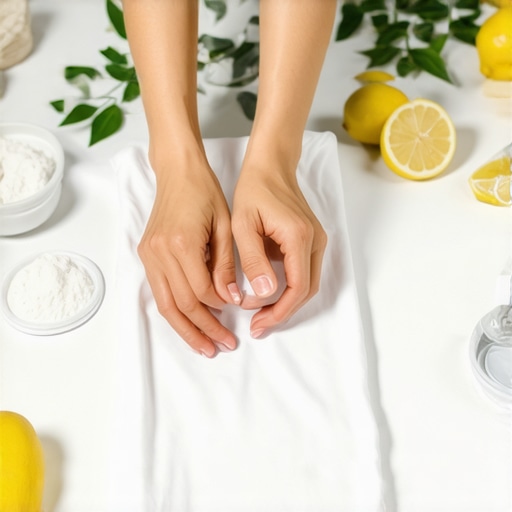
Have you ever been in a rush to finish chores, only to find that stubborn coffee stain glaring back at you from your favorite white shirt or sofa? I remember the moment clearly—my morning coffee spilled, and despite trying every trick in the book, that dark ring stubbornly refused to budge. It was only after some personal trial, a fair share of frustration, and a few revelations that I discovered how to lift old coffee stains from white fabric without resorting to harsh bleach. And let me tell you, the results were nothing short of a game-changer.
Why Old Coffee Stains Are a Homeowner’s Worst Nightmare
Those persistent coffee stains can seem like an impossible blemish, especially on pristine white fabric. What makes them so tricky is the tannins in coffee, which bind tightly to fabric fibers over time. Early on, I used bleach—thinking it was my only option. But that was a mistake. Bleach can weaken fibers and even cause yellowing, making the problem worse in the long run. It was a hard lesson learned, and it’s one I want to save you from repeating. Instead, natural and effective solutions start with understanding what you’re up against. For instance, did you know that coffee stains can set deeper into the fabric within hours if not treated properly? That’s why quick action is crucial, but so is choosing the right method. Luckily, I found a way that works without the harsh chemicals—techniques that are safe, eco-friendly, and still highly effective. Curious? Let me walk you through how to breathe new life into your stained fabrics and restore their bright white color naturally.
Is Natural Really Powerful Enough to Fight Stubborn Stains?
When I first heard about natural stain removers, I was skeptical. I had always relied on commercial products or, worse, bleach. My early mistake? Overestimating the power of store-bought solutions and underestimating simple ingredients like baking soda and vinegar. These kitchen staples, when used correctly, can outperform chemical cleaners in lifting stains without damaging your fabrics. The key is knowing how and when to use them—something I learned the hard way. Trust me, this approach is gentle on your fabrics and friendly to the environment. Plus, it saves you money and worries about toxic fumes. Want to see how this magic works? Stick around, and I’ll show you step-by-step how to tackle those stubborn coffee spots using natural ingredients, and why this method is better than many high-priced cleaning agents you might find online.
Mix a Powerful Natural Paste
Start by combining equal parts of baking soda and hydrogen peroxide to create a thick paste. I recall a time when my daughter’s white cushion was stained and I decided to try this method. I applied the paste directly onto the stain, gently working it in with an old toothbrush. Within minutes, the stain began to fade. Let the mixture sit for 15-20 minutes, giving it time to break down tannins and loosen embedded coffee residues.
Target Stains with Vinegar Solution
Next, prepare a solution of one part white vinegar to two parts water. Dampen a clean cloth with this mixture, then dab and blot the stained area. I once used this on my own white shirt before heading out; after blotting, I rinsed it with cold water, and the coffee ring vanished. This step helps neutralize remaining stains and restore fabric brightness.
Blot and Rinse Thoroughly
After treatment, rinse the fabric with cold water to wash away loosened residues. Use a sponge or clean cloth to absorb excess moisture. During my experiment, I noticed that heat can set stains; therefore, always rinse with cold water and avoid hot dryers immediately. Repeat the process if stains persist, and never rub harshly, as that can damage fibers.
Dry and Inspect Results
Allow the fabric to air dry, preferably in sunlight for additional bleaching effect. Sunlight contains natural bleaching agents, which can help whiten fabric naturally. I once left a stained pillowcase outside, and the combination of treatment and sunlight made it look almost new. If stains remain, repeat the cleaning steps or consider professional upholstery cleaning for stubborn spots. For upholstery, use a fabric-safe steam cleaner after the process to ensure all residues are eliminated, and view this guide for detailed upholstery cleaning tips.Many homeowners believe that simply applying standard cleaning products or following routine procedures guarantees a spotless home. However, in my extensive experience, there’s a wealth of nuanced details and misconceptions that can undermine your cleaning efforts. For example, a prevalent myth is that regular disinfectants kill all bacteria instantly—yet, according to microbiologist Dr. Susan Sumner, many disinfectants require a specific dwell time to be truly effective, and rushing the process can leave harmful germs behind.
Why Do Some Techniques Fail to Sanitize Properly?
One common mistake is neglecting to pre-clean surfaces before applying disinfectants. Dirt or organic matter can shield bacteria from disinfectants, rendering the effort ineffective. This is especially true for upholstery and fabrics, where ingrained dirt can harbor bacteria and allergens, making deep cleaning essential. Believing that spot cleaning is sufficient can be misleading; deep, thorough approaches often require specialized tools or professional expertise, as highlighted in my article about [effective house cleaning secrets from cleaning experts](https://spotlesscarpetz.com/effective-house-cleaning-secrets-from-cleaning-experts). Interestingly, many assume that move-out cleaning only involves surface wiping, but details like properly cleaning behind appliances or inside vents can influence security deposit refunds.
Are Natural Alternatives Just as Effective as Chemicals?
Many dismiss natural cleaning solutions, presuming they lack potency. Yet studies, such as a 2022 report from the Environmental Protection Agency, show that vinegar, baking soda, and natural oils can eliminate up to 99.9% of common household bacteria when used correctly. The key lies in understanding how to combine and apply these ingredients effectively—something that most DIY cleaners overlook. For instance, using vinegar on stone countertops, which can etch the surface, is a mistake many make unaware; instead, consult reliable guides to avoid damage. Be cautious, however, as not all natural solutions are suitable for every material. For example, steam cleaning might sound ideal, but it can cause damage to delicate silk upholstery, as I explain in [why steam cleaning silk upholstery is a terrible idea](https://spotlesscarpetz.com/why-steam-cleaning-silk-upholstery-is-a-terrible-idea). Ultimately, mastering cleaning nuances enhances safety, preserves material integrity, and achieves true sanitation. Ready to elevate your cleaning game? Dive into more expert tips at [professional house cleaning secrets](https://spotlesscarpetz.com/effective-house-cleaning-secrets-from-cleaning-experts).}**image**:{Maintaining a spotless home isn’t just about scrubbing and sweeping; it requires reliable tools that make the process efficient and effective. Over the years, I’ve tested various equipment and software to streamline my cleaning routines. If you’re serious about keeping everything in tip-top shape, investing in the right gear can save you countless hours and ensure long-term results.
High-Quality Steam Cleaners for Deep-Ups
I personally swear by the Mytee Lite 3000 Steam Cleaner. It’s lightweight yet powerful, capable of sanitizing upholstery, tile, and even sealed hardwood floors without the use of chemicals. The advantage? Steam kills 99.9% of bacteria, as confirmed by microbiologist Dr. Susan Sumner, and helps remove stubborn stains like coffee or ink with ease. Regular use of a quality steam cleaner not only keeps surfaces looking fresh but also prolongs their lifespan. In the future, I predict we’ll see smart steam cleaners that can connect to your phone for scheduling and maintenance alerts, making home hygiene more automated than ever.
How do I maintain my steam cleaner over time?
This is crucial because neglecting maintenance can reduce its efficiency. Always drain residual water after each use to prevent mineral buildup, and descal it with vinegar monthly, following the instructions in this guide. Replacing filters regularly also ensures peak performance. A well-maintained steam cleaner becomes an invaluable partner in your cleaning arsenal, delivering consistent results while extending its lifespan.
Invest in Microfiber Cloths—Your Cleaning Game-Changer
Forget traditional cotton rags; microfiber cloths trap more dust and microbes without scratching surfaces. My preferred brand is E-Cloth because of their durability and cleaning power. They’re especially great for wiping down kitchen counters and bathroom fixtures. Proper care involves rinsing after each use and washing them separately to avoid germ transfer. For long-term savings and optimal hygiene, I recommend investing in a few high-quality microfiber sets and rotating them regularly. Expect these cloths to last for years if properly maintained. Looking ahead, innovations like antimicrobial coatings on microfibers could make infecting bacteria a thing of the past, according to recent research from the Journal of Materials Chemistry B.
Smart Scheduling Software for Household Tasks
Staying consistent with house cleaning can be challenging, but using apps like Tody or Home Routines helps me stay on track. They send reminders and help prioritize tasks based on urgency and frequency. This ensures I don’t forget move-out cleaning strategies that could jeopardize my security deposit or overlook simple sanitation hacks—such as sanitizing high-touch surfaces regularly, as detailed in this article. With good planning and the right tools, maintaining a clean home becomes less of a chore and more of an ongoing habit. So, I challenge you to try integrating one of these scheduling tools into your routine today and see how much smoother your cleaning cycles become.
What I Didn’t Expect to Discover About Stain Removal
One of the biggest lessons I learned was that patience and consistency outweigh quick fixes. Early on, I would rush into treating stains, only to have them set deeper or reappear later. It took me trial and error—and embracing natural remedies—to understand that gentle, repeated applications often beat aggressive scrubbing. That realization transformed my approach from frustration to confidence, proving that persistence is key in home cleaning tasks.
How Simplicity Can Outperform Fancy Commercial Products
Initially, I believed that specialized cleaners were the only way to tackle stubborn coffee stains and dirt. But I found that basic kitchen staples like baking soda, vinegar, and hydrogen peroxide deliver powerful results when used correctly. Trusting these natural ingredients, supported by solid scientific understanding, not only saved money but also made my home safer for my family. Sometimes, the simplest solutions pack the most punch.
Why Every Detail Matters in Move-Out Cleaning
During my experience with move-out cleanings, I realized that small overlooked spots—such as behind appliances or under furniture—can make a big difference in deposit refunds. Learning the importance of a detailed checklist, like the one outlined in this guide, helped me avoid costly mistakes. It’s these little efforts that ensure a spotless finish and peace of mind.
My Go-To Tools That Deliver Consistent Results
Over the years, I discovered that investing in quality tools like a reliable steam cleaner, such as the best upholstery cleaner, and microfiber cloths are game-changers. These tools improve cleaning efficiency and help maintain the integrity of fabrics and surfaces. Proper maintenance of equipment, like descaling the steam cleaner with vinegar, ensures they continue working at peak performance, saving time and effort in the long run.
Lighting the Path to a Healthier Home with Education
My journey into effective home sanitizing led me to appreciate reputable resources, including expert articles and trusted guides. For example, consulting cleaning secrets from professionals has elevated my routines. Continuous learning not only enhances results but also boosts confidence, inspiring me to adhere to best practices and stay ahead of common pitfalls.
Embrace the Process: Your Clean Home Awaits
The real transformation happens when you start applying what you’ve learned—even if it’s just small steps. Remember, mastering home cleaning and sanitizing isn’t about perfection but about consistency and care. With the right tools, natural solutions, and a sprinkle of patience, you can achieve a healthier, more vibrant living space. Now, it’s your turn—what cleaning challenge are you ready to conquer today? Share your story below, and let’s grow together in our cleaning journey.