
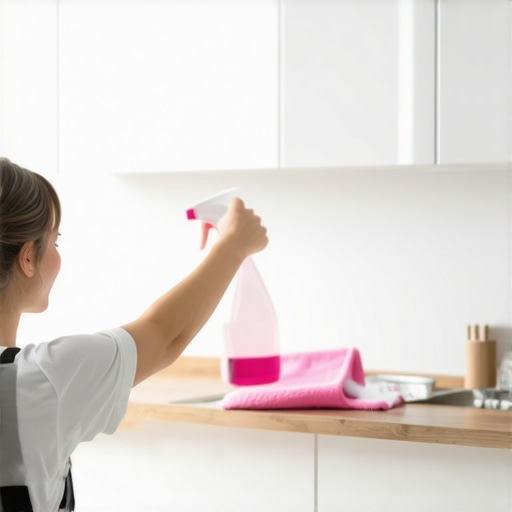
I remember the exact moment I realized my efforts to clean my high-gloss kitchen cabinets were utterly pointless. It was after a weekend move-out cleaning spree, armed with what I thought was the perfect spray and cloth combo. I ended up with more streaks and smudges than before I started. Frustration bubbled up—why is it so difficult to keep those sleek surfaces looking pristine? If you’ve ever experienced the same, you’re not alone. That lightbulb moment led me on a quest to uncover the real secret behind spotless, streak-free high-gloss cabinets, and today, I’m sharing what I discovered.
The Hidden Trick to Shine Without Smears
Everyone loves the shiny reflection of high-gloss cabinets—it’s like having a mirror in your kitchen. But maintaining that mirror-like finish without streaks can feel like chasing a unicorn. Early on, I made a crucial mistake: I used too much water or aggressive cleaners, thinking more liquid meant cleaner. In reality, excess moisture and improper cleaning tools often cause those stubborn streaks. I also overlooked the importance of quality microfiber cloths, which are championed by cleaning experts for their softness and absorbency. Once I switched to the right tools and techniques, my cabinets gleamed like new.
Is All the Hype About the Right Cleaner Worth It?
One of my biggest doubts was whether investing in specialized cleaning products was really necessary. I was convinced that only high-end solutions could do the job. However, I learned that simple, natural ingredients—like water and a splash of vinegar—can be surprisingly effective when used correctly. Just remember, the key isn’t in the strength of the cleaner but in the cleaning method. Using too harsh chemicals or abrasive cloths can dull the finish over time. A trusted resource like this guide from cleaning pros emphasizes how choosing the right tools makes all the difference.
Have you ever faced streaky cabinets after cleaning, and wondered what went wrong? If so, don’t worry—you’re about to learn how to achieve that flawless, streak-free shine effortlessly. With a few simple, tried-and-true steps, you’ll bring back that dazzling high-gloss look and keep it that way.
Now, let’s dive into the practical techniques I used to banish streaks forever and restore my cabinets to their original luster.
Choose the Right Tools for the Job
During a recent move-out cleaning, I grabbed an old cotton towel out of desperation, expecting it to do the trick. Instead, I ended up with more streaks and lint on my cabinets. I quickly realized microfiber cloths are essential—they’re super soft and trap dirt without leaving fibers behind. Wet the cloth slightly with plain water; avoid saturating it, as excess moisture can cause streaks. When I started using a high-quality microfiber, the difference was night and day—mirrored surfaces that gleamed without a single smudge.
Implement a Proper Cleaning Technique
Wipe in the Right Direction
Instead of random scrubbing, I adopted a methodical approach: wiping along the grain or in straight, overlapping strokes. This reduces streak formation and ensures an even shine. I remember one particular cabinet, which had stubborn smudges from cooking grease. By applying gentle pressure and wiping in a consistent direction, I removed the grime without dulling the finish.
Use the Minimal Effective Amount of Cleaner
I was tempted to spray copious amounts of cleaner, but that only increased the risk of streaks. I learned to dampen my microfiber lightly with a mixture of water and a splash of white vinegar—an inexpensive, effective solution highlighted in this expert guide. When wiping, I ensured the cloth was just damp, not soaked. This method prevents excess liquid from pooling and causing streaks.
Addressing Persistent Smudges and Streaks
Once, I faced a particularly stubborn fingerprint smear. I applied a tiny amount of a vinegar-water mix directly onto a clean microfiber and gently buffed the spot in circular motions. The stain vanished, leaving no residue or streaks. Remember, for high-gloss surfaces, aggressive scrubbing is counterproductive. Instead, gentle, consistent motion yields the best results.
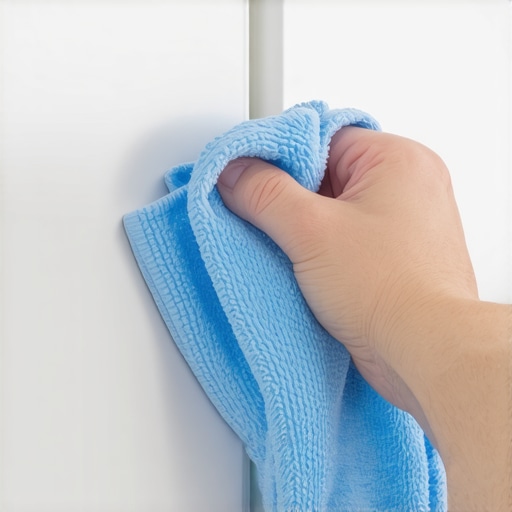
Using the right tools makes all the difference. A close-up of a microfiber cloth gently wiping a high-gloss cabinet illustrates the importance of choosing suitable materials for streak-free results.
Maintain the Shine Over Time
Regular dusting with a barely damp microfiber keeps your cabinets looking new. Avoid abrasive cleaners or rough sponges that can scratch the finish. For larger cleaning projects or move-outs, dedicate a step-by-step routine—start from the top, work down, and finish with a buff in the same direction. This systematic approach minimizes streaks and guarantees a professional-looking shine.
While many believe that rushing through chores or using the strongest chemicals yields the best results, these misconceptions can actually backfire. For instance, overusing harsh cleaners on delicate surfaces like upholstery or high-gloss cabinets can cause long-term damage, dulling finishes or creating stubborn stains. This is a common myth: that more product or brute force equals cleaner results. Instead, understanding the nuances—such as the specific cleaning agents suitable for different materials and the right techniques—makes all the difference. Advanced mistakes also include neglecting critical areas; for example, ignoring hidden spots like behind appliances or under furniture often results in overlooked germs and grime, jeopardizing your home’s hygiene. The trap here is assuming that visible surfaces are the only concern, but bacteria and dust tend to settle in the neglected corners. Have you ever fallen into this trap? Let me know in the comments.
Why do some disinfectants fail to remove bacteria effectively?
Many assume that spraying any disinfectant will instantly sterilize surfaces, but efficacy depends on the contact time and the product’s active ingredients. For porous materials like upholstery, standard disinfectants may not penetrate deeply enough, allowing bacteria to survive and even grow resistant. Experts, such as microbiologists from the CDC, suggest using products that specify they are effective against a broad spectrum of germs and to follow proper application protocols. Additionally, improper cleaning techniques, such as wiping without allowing sufficient dwell time, significantly reduce effectiveness. It’s a misconception that scrubbing vigorously is always better; often, gentle but precise methods, combined with the correct products, ensure thorough sanitization without damage. For advanced upholstery cleaning, consider tailored approaches shared by professionals in this guide.
Being aware of these nuances helps you avoid costly mistakes that could compromise your home’s cleanliness and your family’s health. Whether it’s moving out, sanitizing, or regular cleaning, mastering the proper techniques and understanding what works—and what doesn’t—is the secret to truly effective housekeeping. Remember, cleaning isn’t just about appearances—it’s about creating a safe, healthy environment. To deepen your knowledge, explore expert cleaning secrets that can elevate your routine.Achieving pristine cleanliness and maintaining it over time requires more than just elbow grease; it demands the right tools coupled with effective methods. As someone who has experimented extensively, I can confidently say that investing in quality equipment makes all the difference. For example, I swear by a high-grade microfiber mop and cloths specifically designed for delicate surfaces—these are gentle yet efficient, trapping dust and grime without scratching or leaving streaks. When dealing with upholstery, I recommend a portable, handheld upholstery cleaner with adjustable suction and heat settings, such as the Bissell SpotClean Pro—a device I personally use for quick touch-ups that produce professional results. It simplifies what used to be a laborious task, especially for stubborn stains or restoring fabric freshness after move-outs. For long-term results, employing a steam cleaner compatible with natural fabrics and knowing how to use it reduces reliance on harsh chemicals, extending the lifespan of your furnishings. Prediction-wise, cleaning technology is trending toward smarter, AI-integrated devices capable of self-assessing dirt levels and adjusting settings automatically, making home upkeep even more effortless. How do I maintain the tools I rely on? Regularly cleaning microfiber cloths with hot water and a half cup of white vinegar prevents residue buildup and maintains their absorbency; replacing expensive equipment like vacuums or steamers every three to five years ensures consistent performance. Remember, using the right accessories and configurations—like extending attachments for corners—maximizes efficiency. Specifically, I find that a grout brush attachment for install cleaning helps prevent grime buildup in hard-to-reach areas, saving time and avoiding overlooked spots that might otherwise jeopardize move-out inspections. To keep your tools working flawlessly over the years, I recommend inspecting and replacing parts like vacuum filters and brushes periodically—this straightforward step significantly prolongs equipment lifespan and maintains cleaning effectiveness. As cleaning trends evolve, expect more intelligent, eco-friendly devices that integrate seamlessly with home automation systems, perhaps even suggesting personalized schedules based on your routines. For now, start with a simple upgrade like using a microfiber cloth for dusting your delicate surfaces or investing in a versatile upholstery cleaner; these small changes yield impressive results. Curious about enhancing your upholstery maintenance? Check out these expert tips to extend the life and look of your furniture. Ready to give your cleaning arsenal a boost? Try using a grout brush attachment for those tricky bathroom corners—it’s a game-changer, and you’ll notice the difference immediately.
The Hidden Lessons That Changed My Cleaning Game
One of the most valuable insights I gained was that less is often more when it comes to cleaning high-gloss surfaces. Over time, I realized that using minimal cleaner and gentle tools not only preserves the finish but also makes maintenance easier. Additionally, I learned to recognize the importance of patience—rushing through the process leads to streaks and frustration. The hardest lesson was understanding that each surface requires tailored care: what works for a matte finish doesn’t apply to high-gloss cabinetry, and respecting that difference saves headaches.
Another lightbulb moment was discovering that seemingly minor details—like the choice of microfiber cloth quality or cleaning in specific directions—can make a huge difference. Such small adjustments transformed my cleaning routine from a chore into a gratifying experience of restoring and maintaining that mirror-like shine.
Lastly, I realized that consistent, routine maintenance—dusting regularly and addressing smudges promptly—prevents buildup and the need for deep cleans that risk damage. Turning cleaning into a habit, rather than an occasional ordeal, keeps my high-gloss kitchen looking pristine year-round.
Tools and Tips That Breadth My Perspectives
- My favorite microfiber cloths: Investing in high-quality, ultra-soft microfiber allows for gentle but effective cleaning—trust me, they trap dirt better and leave fewer streaks. I now swear by brands like E-cloth, which I find durable and reliable.
- Natural cleaning concoctions: A simple mixture of water and white vinegar, used sparingly, cleans effectively without dulling the finish or introducing harsh chemicals. For added shine, a tiny drop of olive oil applied with a microfiber can give a subtle polish.
- Specialized tools for tricky spots: Small, soft brushes are invaluable for detailing corners or removing dust from crevices, which can otherwise trap grime and contribute to streaks during wiping.
- Resources that broaden my cleaning knowledge: The guide on effective house cleaning secrets from experts helped me understand the importance of technique over chemicals—the right methods make all the difference.
Your cleaning journey gets easier—start today
Remember, perfecting your approach to high-gloss cabinet care isn’t just about aesthetics—it’s about prolonging the life of your surfaces and creating a space you’re proud of. With patience, the right tools, and a willingness to refine your techniques, streak-free, gleaming cabinets become an achievable goal. Don’t wait for stubborn smudges or streaks to remind you—integrate these practices into your routine and enjoy the results.
What’s been your biggest challenge when cleaning delicate surfaces, and how did you overcome it? Share your experiences below—I’d love to hear your tips and stories!