
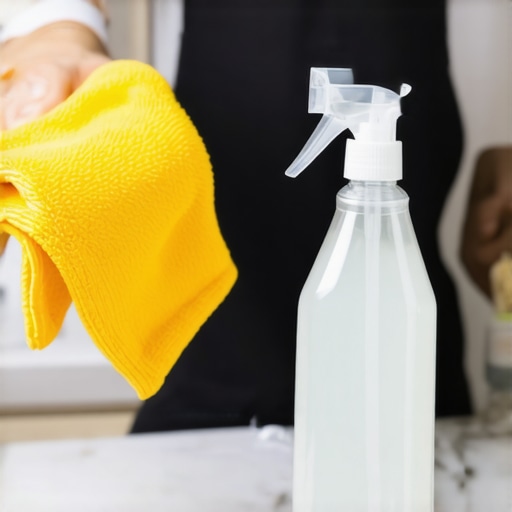
Have you ever spent hours trying to clean your microfiber couches or fixtures, only to be left with unsightly streaks and smudges that seem impossible to remove? I remember the frustration well. I once scrubbed tirelessly, thinking more scrubbing would do the trick. Instead, I ended up with worse streaks and a lingering sense of defeat. It was a lightbulb moment when I finally discovered that the secret isn’t about harsh chemicals or aggressive wiping—it’s about using a simple dish soap trick that transformed my cleaning game overnight.
The Real Cause Behind Streaky Microfiber
This revelation came after a failed attempt to deodorize my microfiber armchair. I used all sorts of cleaning products, but nothing got rid of the streaks or the stubborn grime. I learned that microfiber is delicate and easily prone to streaking if not cleaned correctly. The key lies in understanding how to break down surface grime without leaving residue or causing additional streaks. Early on, I made the mistake of using too much cleaning solution—assuming more meant cleaner—which only made the streaks worse. Trust me, less is more, especially with microfiber. According to experts, microfiber’s unique structure makes it highly absorbent and effective, but it also means that improper cleaning can damage its fibers or leave residues that cause streaks. For a thorough, streak-free clean, you need a gentle, effective approach that doesn’t over-saturate the fabric.
Does the hype about the dish soap trick really hold up?
Here’s the honest truth: I was skeptical at first. I had tried everything else—with mixed results. But after I made the mistake of overusing abrasive cleaners, I realized I needed a gentler method. That’s when I started experimenting with a solution of dish soap—something I already had in the kitchen. Turns out, a few drops of mild dish soap in water can do wonders for microfiber, lifting dirt without leaving streaks. It’s a simple, budget-friendly trick that I now swear by. Do you find yourself battling stubborn stains or streaks on your microfiber furniture? If so, keep reading. I’ll share the step-by-step process that turned my cleaning routine around and guaranteed streak-free results every time. Want to see what else cleaning experts recommend? Check out some effective house cleaning secrets from the pros that could make your chores easier.
Apply the Solution as a Pro
Start by filling a spray bottle with warm water and add just a few drops of mild dish soap—about 3-4 drops per cup of water. Shake gently to mix. I remember the first time I did this; I used too much soap, resulting in a foamy mess. Once I adjusted the ratio, I felt confident to proceed.
Pre-Test to Avoid Mishaps
Before tackling your entire piece of furniture, do a spot test on a hidden area. Spray lightly and wipe with a microfiber cloth. I learned this tip the hard way when I accidentally removed some coloring from my fabric. Testing helps prevent surprises and ensures compatibility.
Gentle Wiping is the Key
Use a clean, damp microfiber cloth—lightly dampened with your soap solution—to wipe the surface in gentle, circular motions. Avoid saturating the fabric; microfibers are absorbent but can become overwhelmed if soaked. During my first attempt, I over-wet the cloth and left streaks, but I quickly realized that less moisture yields better results.
Tip: Use a Dry Microfiber Cloth to Buff
After wiping with the damp cloth, go over the surface with another dry microfiber cloth to buff away any remaining streaks. This extra step significantly enhances the finish and leaves your microfiber looking brand new. I do this immediately after cleaning, and the difference is striking.
Focus on Problem Areas
Pay special attention to spots with stubborn grime or oil stains. For particularly tough areas, apply a little more solution and let it sit for a minute before wiping. I had a coffee spill last week, and allowing the solution to settle made removal effortless, with no streaks left behind.
Revisit and Rinse if Needed
If streaks persist, lightly dampen a clean cloth with plain water and wipe the surface again to remove any soap residue. This step prevents buildup that can cause streaks. During my cleaning, I noticed that residual soap left faint streaks, so this rinse step became vital.
How to Prevent Future Streaks and Damage
Never use abrasive scrubbers or too much cleaner, as these can damage microfiber fibers and cause streaks. Remember, microfiber is delicate; gentle handling preserves its softness and appearance. I’ve seen many make the mistake of aggressive scrubbing, which damages the fibers long-term. To learn more cleaning secrets from the pros, check out these expert tips.
< >Many homeowners believe that scrubbing harder or using harsher chemicals guarantees a cleaner home, but in my experience, these practices often do more harm than good. A prevalent misconception is that all cleaning agents are interchangeable; however, using the wrong products on delicate surfaces like microfiber or natural fibers can cause permanent damage or discoloration. For example, using bleach on upholstery can weaken fibers, leading to tears over time, despite its disinfecting reputation. Experts highlight that understanding the specific material and surface you’re working with is crucial; cleaning softer fabrics requires gentler solutions and techniques. Conversely, many think that move-out cleaning must be exhaustive, but efficiency hinges on targeted strategies. Failing to concentrate on high-traffic areas or overlooked spots like behind appliances can result in losing your security deposit. A common trap is misapplying disinfectants: spraying them on porous surfaces like carpet padding or porous furniture without proper contact time can render them ineffective, sometimes even spreading bacteria instead of killing them. According to a study from the Journal of Applied Microbiology, disinfectants need adequate dwell time—often 5-10 minutes—to effectively eliminate germs, especially on nuanced surfaces like upholstery or textured tiles. Moreover, some believe that sanitizing equates to sterilizing, but these are distinct processes—cleaning removes dirt, while sterilizing eradicates all microbes. Misunderstanding this gap leads to false confidence in cleaning routines, especially during health crises. When it comes to upholstery cleaning, many rely solely on steam cleaning without considering fabric-specific sensitivities. For instance, silk or velvet sofas can be ruined by overly aggressive steam, a mistake that experts warn can be irreversible [see tips for vulnerable fabrics here](https://spotlesscarpetz.com/why-steam-cleaning-silk-upholstery-is-a-terrible-idea). Recognizing these nuances and avoiding common myths can make your cleaning efforts far more effective. For advanced cleaning tips and to ensure you’re not falling for these pitfalls, check out these expert secrets. Remember, every surface has its peculiarities—know them to clean smarter, not harder. Have you ever fallen into this trap? Let me know in the comments.
Keep Your Home Running Smoothly with the Right Tools
Staying on top of house cleaning and maintenance can feel overwhelming, especially when trying to ensure long-term cleanliness without damaging surfaces. Over years of experience, I’ve honed a selection of tools that make this job more manageable and effective. One game-changer has been investing in a high-quality microfiber mop with washable pads—it’s gentle on floors while efficiently trapping dust and pet hair, saving me time during routine chores. For tougher stains, I rely on a steam cleaner that uses minimal water and heats up quickly; it sanitizes surfaces without chemical residues, aligning with the future of eco-conscious cleaning (experts recommend steam cleaning). Additionally, I swear by a handheld upholstery cleaner that uses targeted sprays and suction to refresh furniture, crucial for maintaining a healthy living environment. These tools are not just about convenience but also about preserving the integrity of surfaces, especially in homes with natural fibers or delicate fabrics.
How do I maintain my cleaning arsenal over time?
Regularly inspect and replace washable pads, and keep your steam cleaner’s filters clean to maintain optimal performance. Use natural solutions like vinegar and baking soda with these devices to extend their lifespan and keep your environment safe. Proper maintenance of your tools ensures they remain effective for years to come, providing consistent long-term results.
Scaling Up for Bigger Spaces or More Tasks
As your home grows or your cleaning needs become more complex, investing in versatile equipment can save both time and effort. For instance, a cordless, lightweight vacuum with adjustable suction settings makes quick work of both carpets and hardwood floors without the hassle of cords. Meanwhile, a portable carpet extractor can handle move-out cleans or deep stains that regular vacuuming can’t touch. Planning for the future means choosing tools that can adapt and scale with your household’s needs, reducing the risk of neglecting hard-to-reach areas or persistent grime.
Looking Ahead: The Future of House Maintenance Tools
Advancements in robotics and smart home technology suggest a trend toward fully automated cleaning solutions. Imagine robotic vacuums that map your home, target problem spots, and even sanitize surfaces autonomously. Staying ahead means investing in devices that integrate with your smartphone and offer customizable schedules, making house maintenance less of a chore over the long term. It’s exciting to see how these innovations will make home upkeep easier, safer, and more efficient in the coming years. To ensure you’re prepared, consider setting up a regular maintenance routine for your current tools—this simple habit can extend their lifespan and effectiveness. Want to learn more about keeping your cleaning equipment in top shape? Check out this contact page for expert advice or service options.
Becoming a Housekeeping Pro With the Right Gear
One crucial tip is to avoid shortcuts like using paper towels for furniture or vacuuming with worn-out filters. Instead, invest in reusable, durable cleaning tools designed for longevity and effectiveness. For example, choosing microfiber cloths over traditional rags reduces waste and enhances cleaning results, as detailed by industry professionals’ insights. Remember, the right equipment isn’t just about efficiency; it’s about maintaining your home’s health and appearance over time. Start small—try replacing your existing cleaning cloths with high-grade microfiber options today—and notice how much easier and better your chores become.
Over the years, I’ve uncovered many truths about house cleaning that go beyond surface tips. One of the most revealing lessons relates to the delicate dance of microfiber maintenance and the hidden pitfalls many fall into. The biggest eye-opener has been realizing how common misconceptions about cleaning solutions can sabotage your efforts, especially when dealing with sensitive fabrics like microfiber. For instance, I used to think that scrubbing harder would yield better results, only to find out it fries the fibers and leaves behind streaks. Embracing gentle, purpose-driven techniques transformed my approach and provided me with the confidence that streak-free microfiber is achievable with just a few simple steps. Trust me, adopting the right mindset and method can turn even the most stubborn grime into a thing of the past, sparing your furniture and your sanity alike.
Lessons Hidden in Plain Sight That Changed My Cleaning Game
- Less is truly more: Overusing cleaning agents, thinking more strength means more cleanliness, often results in streaks or residue. The gentle, minimal approach with dish soap is enough to lift grime without damaging fibers.
- Pre-test to protect your investment: Testing solutions on hidden spots can save you from discoloration or fabric damage, a lesson I learned the hard way after accidentally fading my fabric.
- Consistency over aggression: Gentle circular motions with damp microfiber cloths consistently yield better, streak-free results compared to aggressive scrubbing.
- Buff for brilliance: Finishing with a dry microfiber cloth enhances the appearance and eliminates remaining streaks, making your microfiber furniture look refreshed and new.
- Tailored solutions matter: Different fabrics require different approaches; knowing when to apply extra solution or rinse can save time and extend the lifespan of your upholstery.
My Secret Arsenal for Flawless Cleaning
- High-quality microfiber cloths: Their durability and effectiveness make them indispensable for dedicated cleaning routines.
- Professional-grade spray bottles: Precise control over your cleaning solutions ensures proper application and minimal waste.
- Gentle, eco-friendly cleaning solutions: My go-to for safe, effective cleaning that preserves fabric integrity.
- A versatile handheld steamer: Ideal for spot treatments and refreshing upholstery without harsh chemicals.
Seize the Moment and Elevate Your Clean Routine
Embracing this dish soap trick isn’t just about a cleaner couch—it’s about empowering yourself with simple, reliable techniques that produce consistent, streak-free results. With a little attention to detail and patience, you can preserve the beauty of your microfiber furniture and enjoy a fresh, clutter-free living space every day. Remember, the secret to a spotless home isn’t just in the products you choose but in your approach and willingness to try smarter, gentler methods. Start today by testing this method on a small area, and watch your microfiber transform before your eyes. Have you ever faced challenges with microfiber cleaning that this tip could have solved? Share your experiences below and let’s learn together! For more tips on maintaining a pristine home, don’t forget to reach out to the pros.
,