

Let me take you back to a moment I won’t forget — standing in my empty apartment, frantic and sweaty, realizing I had overlooked one crucial detail: I’d missed a tiny corner behind the fridge that was covered in dust and grime. It was such a minor area, but guess what? That overlooked spot nearly cost me my entire security deposit. Talk about a lightbulb moment! I learned the hard way that small overlooked details during a move-out can add up to big expenses.
The Power of a Well-Crafted Move-Out Checklist
If you’re gearing up for a move, you’ve probably wondered how to make sure you get every dollar back from your landlord. This is where a solid, strategic Checklist can be your best friend. It’s more than just cleaning; it’s about knowing what inspectors look for and addressing those common pitfalls before they turn into deductions. Over the years, I’ve tested and refined my own move-out routines, and now I want to share my secrets to help you secure that full deposit and avoid unnecessary stress.
Is it Really Worth the Extra Effort?
Honestly, I used to think a quick wipe-down was enough. I didn’t realize that details like cleaning behind appliances or wiping down light switches could make or break my deposit. Early on, I made the mistake of skipping items because I thought they weren’t important — only to see deductions on my final walkthrough. That’s why I now advocate for a thorough, prioritized approach, focusing on high-impact areas. For more on effective house cleaning, check out these expert-approved cleaning secrets for optimizing your efforts and ensuring nothing slips through the cracks.
So, are you ready to discover which small moves can save you hundreds? Let’s get into the nitty-gritty of creating a move-out checklist that not only covers the basics but hits those often-overlooked spots that landlords inspect most fiercely. Trust me; it’s a game-changer.
Tackle High-Impact Areas First
Start by targeting spots that inspectors scrutinize most frequently, such as kitchen appliances, bathroom fixtures, and baseboards. For example, I once spent hours on the living room carpet, but overlooked cleaning behind the fridge. As soon as I moved out, the landlord pointed out dust buildup there, which led to a deduction. Focusing on these high-impact zones ensures you address the main concerns first. Use a microfiber cloth for wiping surfaces—these cloths are like swabs for dust, trapping dirt instead of just pushing it around. For more advanced cleaning tips, check out these expert secrets.
Deep Clean and Sanitizing Techniques
Forget superficial wiping—deep cleaning is your secret weapon. Think of cleaning like repairing armor; each layer you remove reveals the next level of grime. For example, I discovered that sanitizing the kitchen sink drain with a mixture of baking soda and vinegar not only freshens it but also kills bacteria hiding inside. For delicate surfaces like upholstery or fabric sofas, use specific cleaning hacks—see these upholstery tips. Proper sanitizing is essential because inspectors often check for lingering bacteria, especially in kitchens and bathrooms.
Effectively Handle Hidden Dust and Grime
Many renters miss the sneakiest dirt in overlooked spots—like ceiling fan blades, light switch plates, or the top of door frames. During my last move, I used an extendable duster to reach those high spots under the ceiling fan, which accumulated dust over months. These areas, if neglected, can trigger deductions. Use a damp microfiber cloth for stubborn grime—abandon abrasive sponges that scratch surfaces. For example, I removed hard water stains from the kitchen faucet with a natural blend of lemon juice and baking soda, saving my deposit. Learn more about hidden dust traps here.
Blackout the Odors
Eliminate musty smells or pet odors that might not be obvious at first glance. I once discovered a lingering smell in the closet, which I neutralized with activated charcoal sachets—these absorb odors without chemicals. For fabric furniture, avoid overusing steam cleaners that can trap moisture and cause mold; instead, opt for deodorizing sprays designed for upholstery. Remember, inspectors can sometimes smell a scent of neglect or pet urine—address these with targeted solutions like enzymatic cleaners. For comprehensive odor removal approaches, see this guide.
Perfect the Finishing Touches
Last, walk through the property like an inspector. Check every corner, light switch, and baseboard. Use a flashlight to reveal hidden dust or streaks on windows. I learned this lesson during my second move when I missed a tiny smear on the living room window, which was flagged during the inspection. Polishing mirrors and glass surfaces with a vinegar-water solution ensures streak-free clarity; a simple hack that saves time and effort. Also, ensure all personal belongings are removed, and every room looks pristine. Remember, small details make a big difference in deposit outcomes.
While many believe they know the basics of upholstery care and cleaning, there’s a wealth of nuanced details that often trip up even seasoned renters and homeowners. One common myth is that using just water and a standard vacuum is sufficient for deep cleaning. In truth, certain fabrics, like natural silk or delicate wool blends, require specialized techniques to avoid damage. For example, steaming silk can cause irreversible staining or warping, contradicting the popular notion that more aggressive cleaning yields better results. It’s essential to understand your fabric types and their specific care needs, as outlined in these expert upholstery tips.
Another trap many fall into involves sanitizing improperly, believing that common household disinfectants are enough. This overlooks the fact that different surfaces and materials demand tailored solutions. For instance, porous textiles like microfiber sofas can trap bacteria and allergens deeper within their fibers, making simple spray disinfectants ineffective. Instead, advanced sanitizing methods—like using Ozony solutions or enzyme-based cleaners—can significantly improve hygiene without damaging your furniture. Check out these sanitizing hacks for more insight.
For move-out cleaning, a frequent mistake is neglecting hidden dust traps. Areas behind appliances, within vents, and atop high shelves often harbor grime that inspectors scan meticulously. Overlooking these spots can lead to unnecessary deductions from your deposit. The key is to incorporate these hard-to-reach places into your move-out checklist, ensuring you address every corner.
So, what advanced mistakes do most people make during their cleaning routines? How about underestimating the importance of correct tools? Using abrasive sponges on delicate finishes can strip surfaces or create scratches, which are easy to see and costly to repair. Instead, soft microfiber cloths and specialized brushes designed for specific surfaces provide safer, more effective cleaning. For deeper understanding, these expert-recommended cleaning secrets can guide you.
Remember, mastering the nuances in upholstery and house cleaning isn’t just about cleanliness—it’s about quality, preservation, and avoiding costly mistakes. Taking the time to learn these subtleties pays off during move-out inspections and daily life alike. Have you ever fallen into this trap? Let me know in the comments.
Keep Your Upholstery and Home in Top Shape with the Right Tools
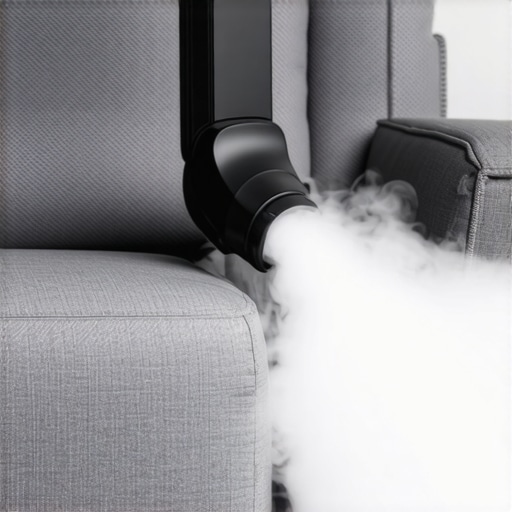
Maintaining a pristine home or upholstery over time requires more than just effort; it demands the right tools. Personally, I’ve found that investing in quality equipment not only speeds up the cleaning process but also helps preserve fabrics and surfaces, ultimately saving money and stress. One staple in my toolkit is the Karcher SC3 Steam Cleaner. Its ability to sanitize surfaces without chemicals makes it ideal for quick, effective deep-cleaning of upholstery, bathrooms, and kitchens. Its temperature control system allows me to tailor cleaning intensity, which is essential for delicate fabrics like silk or wool, as explained in these expert tips.
For dust-prone areas like ceiling fan blades or vent covers, I rely on an extendable microfiber duster. Microfiber cloths are not just reusable; their fine fibers trap dust with minimal effort, preventing it from resettling on surfaces. I prefer models with washable covers, aligning with my eco-conscious mindset and commitment to consistent sanitation. To reach stubborn grime, I use a soft-bristled detail brush that won’t scratch surfaces but effectively dislodges dirt from crevices, for example, around faucet handles or decorative moldings.
In the realm of sanitizing, I recommend employing enzyme-based cleaners for fabric upholstery. These specialized solutions break down organic matter and bacteria beneath the surface, ensuring long-term freshness. A little science here: enzymes catalyze in breaking down stains and bacteria, making them less likely to reappear and helping maintain a healthier environment, as detailed in these sanitizing hacks. Pairing this with a handheld steamer allows for targeted application, which is especially useful for high-traffic furniture.
How do I maintain my tools over time?
Proper maintenance is crucial to ensure your tools remain effective. For example, always rinse microfiber cloths after use to prevent bacterial build-up—this prolongs their usability and effectiveness. Regularly descale your steam cleaner according to the manufacturer’s instructions to prevent mineral deposits that inhibit performance. Additionally, replacing filters and brushes when worn keeps appliances functioning at peak efficiency. Keeping tools clean and well-maintained isn’t just about longevity; it directly impacts your home’s cleanliness and your health.
Looking ahead, I believe smart cleaning devices integrated with IoT technology will become more prevalent. Imagine a vacuum or steam cleaner that self-diagnoses when maintenance is needed—no guesswork involved. Until then, selecting reliable, high-quality tools and maintaining them diligently will serve you well. If you’re ready to upgrade your cleaning arsenal, starting with a versatile steam cleaner or microfiber set could be transformative. Want personalized advice? Contact me anytime.
The Hardest Lesson I Learned About Upholstery and Cleaning
One of the toughest truths I uncovered was that even the most delicate fabrics require specialized care — rushing to clean with harsh chemicals or abrasive tools can do more harm than good. I once used an aggressive sponge on my silk sofa, leading to discoloration I couldn’t reverse. Now, I know that understanding fabric types and their unique needs is paramount, as highlighted in these expert upholstery tips. Patience and proper techniques have saved me from costly mistakes.
The Myth About Quick Fixes That Hold You Back
I used to believe that a quick spray of disinfectant and a quick wipe sufficed for thorough cleaning. The reality? Inspector eyes are sharp for hidden grime, especially behind appliances or atop ceiling fixtures. I learned that investing time in deep cleaning high-impact areas can mean the difference between getting my deposit back or losing it. For insight on targeted cleaning, check out these proven secrets.
Uncovering Hidden Dust Risks
The sneakiest dirt often hides where I least expect — inside vents, under appliances, or high on moldings. Overlooking these traps almost cost me my security deposit until I adopted extendable microfiber tools and learned to reach every crevice. I realized that consistency in cleaning those hidden spots ensures nothing will be flagged during inspection. Discover more about tackling hidden grime at these detailed strategies.
Odors: More Than Just Surface Smells
One unexpected lesson was that odors like pet smells or mildew can linger beneath the surface, only detectable with a keen nose. Neutralizing these required targeted products like enzymatic cleaners, not just sprays. I found that using activated charcoal in closets and steam cleaning with caution preserves fabrics without trapping moisture. For natural odor elimination, see these expert methods.
Perfecting the Finishing Details Last Touches Make All the Difference
Walking through the property with an inspector’s eye revealed tiny streaks, smudges, or overlooked corners. Simple tricks—like polishing windows with vinegar-water or inspecting with a flashlight—can elevate your move-out game. I now leave no detail unchecked, understanding that these small touches can secure that full deposit refund. Remember, thoroughness is your best friend in achieving a pristine home.
My Deepest Upholstery and Cleaning Realization
Above all, I wish I had understood earlier that patience, proper tools, and fabric knowledge are the backbone of successful cleaning. Rushing or relying on generic products can inadvertently damage surfaces or leave behind unseen dirt, risking deductions. Learning to differentiate fabrics, invest in quality tools, and adopt nuanced techniques, as explained in these reliable guides, has transformed my approach and results. Don’t underestimate the power of education in mastering house cleaning and upholstery care.
Gear Up with Tools That Truly Make a Difference
From my experience, using the right equipment—like a high-quality steam cleaner (think these tools)—is a game-changer. Microfiber cloths, extendable dusters, and enzyme-based sanitizers have become my staples, ensuring efficiency and safety. Proper maintenance and choosing tools suited to specific fabric or surface types prevent damage and prolong effectiveness. My advice? Invest in quality and learn their nuances—your home will thank you, and so will your deposit.
Your Next Step Toward Cleaning Mastery
Embarking on your cleaning journey with this insider wisdom can save money, time, and unnecessary stress. Remember, every detail counts, especially when aiming for that full security deposit return. Are you ready to level up your move-out cleaning game? Dive into these expert resources and start transforming your cleaning routines today. And tell me—what’s the one cleaning tip you wish you knew earlier? Share below and let’s learn together!