
It was a typical Saturday afternoon, the house was freshly cleaned, and I was proud of my work—until I caught a whiff of that familiar, unpleasant odor. You know the one—damp, musty, and somehow reminiscent of old sneakers. Turned out, my trusty vacuum, which I thought was doing a good job, was quietly sabotaging my efforts. That lightbulb moment hit me hard: my vacuum wasn’t just cleaning—it was becoming a source of unpleasant smells.
Don’t Let Your Vacuum Sabotage Your Fresh Home
If you’ve ever noticed your vacuum emitting a feet-like stench, you’re not alone. Many homeowners face this peculiar problem, often without realizing the simple mistakes that cause it. Today, I promise to share exactly how I tackled this issue—based on my own experience and some expert advice—to help you eliminate that nasty smell once and for all.
Is Your Vacuum Really Worth the Hype? The Skeptics’ Doubts
I’ve seen plenty of guides suggesting quick fixes, but honestly, I was skeptical at first. One mistake I made early on was ignoring the importance of regular maintenance. I thought a quick empty and brush-off would suffice. Didn’t realize that neglecting filters and bags could turn my vacuum into a bacteria breeding ground, emitting foul odors. According to cleaning experts, neglecting proper sanitation is a key reason vacuums develop such smells. If you’re tired of masking the smell with air fresheners, stay tuned—because I’ll reveal proven strategies to fix this problem effectively.
Deep Clean Your Vacuum Regularly
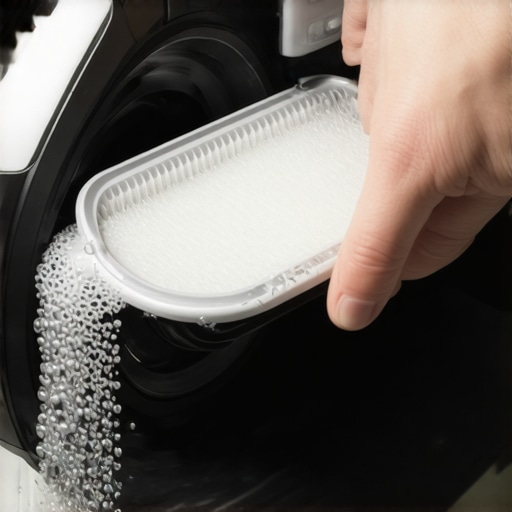
Start by unplugging your vacuum and removing the dust canister or bag. Rinse or replace the filter if possible. Use warm water and a mild detergent, then let it dry completely before reassembling. I once took apart my vacuum, soaking the HEPA filter in vinegar—this significantly reduced musty smells. Regular cleaning prevents bacteria buildup, keeping odors at bay.
Sanitize With Baking Soda and Vinegar
Sprinkle a generous amount of baking soda into the vacuum bag or canister, then run the vacuum on an empty floor to distribute it. Follow up by vacuuming a mixture of equal parts vinegar and water to deodorize internal parts. I did this after noticing a sour smell lingering, and it worked wonders. This approach neutralizes odors naturally without harsh chemicals.
Address Upholstery and House Surfaces
Often, lingering smells originate from carpets, upholstery, or curtains. Use a fabric-safe sanitizer or upholstery cleaner—preferably one with antibacterial properties. For momentary relief, I used a steam cleaner on my sofa, which loosened deeply embedded grime and freshened the fabric. Regular upholstery cleaning not only improves air quality but also extends furniture lifespan.
Maintain Your House with Routine Checks
Incorporate weekly inspections of high-touch areas such as door handles, light switches, and appliances. Disinfect these points with a safe sanitizer to prevent bacterial growth. I make it a habit to wipe down these surfaces; it drastically cuts down potential odor sources. Consistent sanitation keeps your entire space smelling fresh and hygienic.
Identify and Remove Hidden Moisture Sources
Moisture is a major culprit in creating musty smells. Check for leaks under sinks, behind appliances, or in basement areas. Use a dehumidifier in damp spaces. Once, I discovered a hidden leak in my laundry room—fixing it and drying the area eliminated the persistent mildew scent. Ventilation and moisture control are crucial in maintaining odor-free zones.
Professional Help When Needed
If despite these steps your vacuum continues to emit unpleasant odors, consider consulting a cleaning professional. They can perform comprehensive sanitation or suggest specialized products. For assistance, you can reach out to experts via this contact page. Sometimes, a fresh set of eyes and professional tools are the best solution for stubborn smells.
Prevent Future Odors with Consistent Care
Schedule regular maintenance, such as replacing filters and emptying dustbins. Keep your home well-ventilated to prevent humidity buildup. Additionally, consider routine house sanitizing methods to maintain a fresh environment. Consistency is key to preventing the return of undesirable smells.
< >When it comes to maintaining a spotless home, many seasoned homeowners still fall for misconceptions that can undermine their cleaning efforts. Everyone emphasizes germ-killing and fresh scents, but let’s dig deeper into what most people get wrong about sanitizing, move-out cleaning, upholstery, and general house upkeep. This deeper understanding reveals nuanced pitfalls that can frustrate even experienced cleaners and cost you time and money if overlooked.
Myth: Disinfecting Once Is Sufficient isn’t true for most high-touch surfaces. Many assume that a single round of disinfectant application will keep germs at bay. However, pathogens can quickly re-establish themselves if surfaces are not regularly maintained. Experts recommend adopting a routine approach, especially in high-traffic areas, to truly break the chain of infection. For instance, effective sanitizing methods involve consistent application with proper dwell times, not just sporadic attempts.
Can Surface Disinfectants Actually Penetrate Biofilms? The Hidden Battle
Biofilms are protective layers that bacteria form on surfaces, making them resistant to common disinfectants. Studies show that many commercial products fail to fully eradicate biofilms, leading to lingering bacteria and potential health risks. Utilizing agents like enzymatic cleaners or applying physical scrubbing can improve efficacy, especially in germ-prone areas like kitchen counters and bathroom tiles. Ignoring this nuance may result in a false sense of security and ongoing contamination; the key is knowing that physical disruption combined with appropriate chemical agents yields better results.
Another common mistake is in move-out cleaning. Many think that standard cleaning suffices, but details matter. Moving out requires a thorough approach to ensure you reclaim your deposit and leave the property spotless. For comprehensive tips, check out move-out cleaning hacks. Overlooking hidden areas, such as behind appliances or under cabinets, can lead to deposit disputes or even legal issues if damages or dirt accumulations are missed.
In upholstery care, the misuse of cleaning agents can cause long-term damage. For example, many assume that water-based solutions are safe on all fabrics, but certain materials like silk or velvet require specialized products. Applying harsh chemicals or excessive moisture can fade colors or weaken fibers. The ultimate upholstery care guide details safe practices tailored to fabric types, emphasizing the importance of understanding material-specific nuances to prevent costly mistakes.
House cleaning strategies should avoid a one-size-fits-all mindset. Different surfaces—wood, tile, carpet—each demand unique care routines. Failing to recognize this can accelerate wear and soil buildup. For instance, overusing harsh chemicals on wood can strip finishes, while neglecting carpet deep cleaning fosters dust mite proliferation. Regularly updating your knowledge with resources such as expert-backed house cleaning secrets ensures a balanced approach that preserves your home’s integrity.
Have you ever fallen into this trap? Let me know in the comments. Remember, advanced knowledge in cleaning isn’t just about aesthetic appeal; it’s about safeguarding your health and prolonging the lifespan of your home’s surfaces. Stay informed, stay meticulous.
Maintaining a pristine home requires more than just occasional cleaning; it demands reliable tools, consistent routines, and a bit of strategic thinking. Over the years, I’ve found that investing in the right equipment not only streamlines the process but also ensures long-lasting results. Today, I want to share the tools I personally rely on and how to keep them working effectively over time.
Why Your Vacuum Cleaner Should Be a Priority
Your vacuum isn’t just for quick pickups; it’s a crucial component of your sanitation arsenal. I recommend using a HEPA-filtered canister vacuum, like the Dyson Ball Animal 2. Its powerful filtration captures microscopic allergens and prevents dust from recirculating into the air. Regularly inspecting and replacing filters ensures optimal performance. A simple routine of checking the filter every three months and replacing it annually, as recommended by manufacturers, keeps the airflow strong and odors minimal. Additionally, replacing vacuum belts and brushes periodically prevents breakdowns and maintains suction power, saving you money and effort.
Steam Cleaning: The Natural Disinfectant
For upholstery and hard surfaces, I swear by steam cleaners such as the Bissell Steam & Clean. They use high-temperature steam to eliminate bacteria, mold, and dust mites without chemicals. Regularly using a steam cleaner on sofas, curtains, and tiles not only refreshes fabric and surfaces but also reduces the need for harsh disinfectants. The key to longevity is thorough cleaning after each use—removing all water residue and inspecting the steam nozzle for clogs prevents internal damage. Steam cleaning can be integrated into your weekly routine for ongoing sanitation.
Stripping and Refreshing Upholstery with Specialized Products
Upholstery requires targeted care to preserve fabric integrity and odor resistance. I recommend a service-grade upholstery cleaner like the Folex Instant Carpet Stain Remover, which I use for spot cleaning. For deeper refreshes, I rely on enzyme-based solutions, which break down biological stains and odors—crucial if you have pets or smoke. Routine maintenance involves inspecting fabric for stains or odors and applying the appropriate cleaner, following the manufacturer instructions. Periodic professional upholstery cleaning can extend furniture lifespan and maintain a fresh environment.
Automation and Software for House Care
The future of house cleaning leans toward automation. Robotic vacuums, like the iRobot Roomba i7+, can handle daily debris and reduce dust buildup. I program mine to run twice a day, keeping floors consistently clean and reducing allergen accumulation. Maintaining these devices involves emptying the bin, cleaning sensors, and updating firmware monthly to keep them operating smoothly. Additionally, smart home systems can remind you about filter replacements or schedule cleaning sessions, turning house maintenance into an effortless task.
How do I keep my tools performing at their best over time?
Adopting a regular maintenance routine is essential. Cleaning attachments and filters after each use, inspecting for wear and tear, and storing equipment properly prevent premature breakdowns. Manufacturers often provide detailed maintenance schedules—following these guidelines ensures your tools deliver optimal performance. For example, the effective sanitizing methods I use include disinfecting vacuum filters and descaling steam cleaners periodically. Set a monthly calendar reminder to review your equipment, and you’ll find that your investments last longer and work better.
Ready to upgrade your home care routine? Try integrating a high-quality steam cleaner into your weekly schedule and see how it transforms upholstery sanitation. With the right tools and consistent upkeep, you’ll enjoy a healthier, fresher home every day.
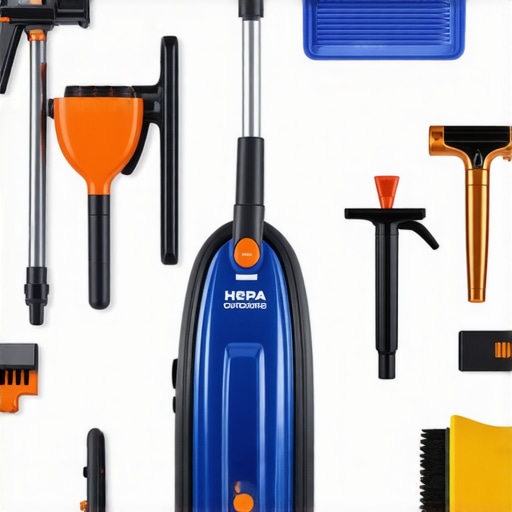
Image Description: A well-organized cleaning closet featuring a HEPA vacuum, a steam cleaner, and various upholstery cleaning supplies, illustrating an effective home sanitation toolkit.
What I Wish I Had Known Before Battling Odors
One of the most powerful lessons I learned was that neglecting routine maintenance can turn clean homes into odor traps. Regularly replacing filters and cleaning filters kept my vacuum performing at its best, preventing unwanted smells from taking hold. Additionally, I realized that trusting quick fixes like air fresheners is only a temporary Band-Aid—consistent deep cleaning is the real solution to long-term freshness.
Secondly, I discovered that understanding the materials in my upholstery drastically shaped my cleaning approach. Knowing which fabrics need gentle, enzyme-based cleaners versus harsher chemicals saved my furniture and extended its lifespan. It’s a subtle detail but makes a huge difference in achieving truly fresh upholstery.
Finally, I learned that moisture control isn’t just for damp basements—it’s central to odor prevention everywhere. Installing dehumidifiers and ensuring proper ventilation transformed my home from musty to minty. These deep insights elevated my cleaning routine from reactive to proactive.
My Go-To Arsenal for a Hygienic Home
Over the years, I’ve curated a set of trusted tools that make home sanitizing seamless. The effective sanitizing methods guide from trusted experts is my first stop for proven techniques. My high-quality HEPA-filtered vacuum helps trap microscopic allergens—it’s a game changer and my top recommendation for consistent air purity.
For upholstery, I rely on enzyme-based cleaners like Folex that break down biological stains and odors effortlessly. My steam cleaner from Bissell is perfect for hard surfaces and fabrics, offering chemical-free disinfection—plus, it’s incredibly versatile. Finally, a smart robotic vacuum keeps daily debris in check, giving my floors an automatic refresh every day, which is vital for allergy sufferers and busy routines alike.
These tools collectively boost the effectiveness of my cleaning efforts and give me peace of mind that my home remains a sanctuary of freshness.
Take the Lead in Your Home’s Future
Remember, mastering home hygiene isn’t about perfection, but consistency. Small daily habits—like quick surface disinfecting and proper tool maintenance—compound over time. I invite you to try integrating these methods into your routine; the benefits extend beyond cleanliness, elevating your overall wellbeing. Don’t wait for odors to become unbearable—proactive care transforms your space into a haven of comfort and health.
What’s been your biggest challenge in keeping your home odor-free? Share your experiences below and let’s learn from each other’s journeys toward a fresher living space.