
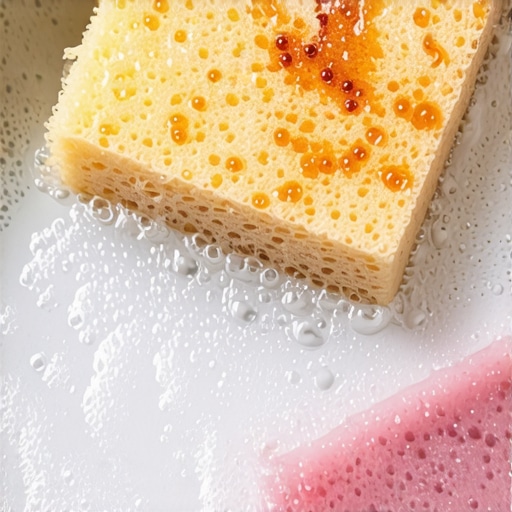
I used to think my kitchen sponge was my best ally in the battle against messes—scrubbing dishes, wiping down counters, making everything sparkle. But one morning, as I went to clean a countertop and felt that familiar squish under my hand, a strange thought hit me: Could this little tool be secretly spreading more bacteria than it was cleaning? That lightbulb moment changed everything. Suddenly, I was questioning whether my trusty sponge was actually a germy menace lurking in plain sight.
Stop Sabotaging Your Sanity and Safety with a Dirty Sponge
Let’s face it—the kitchen sponge is an unsung hero of cleanliness for many of us. Yet, studies have shown that kitchen sponges can harbor bacteria like E. coli and Salmonella, sometimes even more than your toilet seat. Surprising, isn’t it? According to research published in the Journal of Applied Microbiology, sponges can contain up to 10 million bacteria per square inch. That’s enough to make anyone rethink that daily scrub!
Is This Little Sponge Really Worth the Hype?
I’ll admit, my early mistake was ignoring the importance of sanitizing my sponge regularly. I thought rinsing it was enough, but I was only spreading germs around my kitchen instead of eliminating them. The truth is, a sponge isn’t just a cleaning tool—it’s a potential carrier of harmful bacteria. If you haven’t faced this problem yet, ask yourself: Do I replace or sanitize my sponge often enough? If not, you’re risking more than just a grime build-up—and I know, because I’ve been there.
Sanitize Your Sponges and Cleaning Tools Regularly
Start by ditching the habit of rinsing your sponge and hoping it stays clean. Instead, soak it in a mixture of bleach and water or microwave it for 1-2 minutes to kill bacteria. I once forgot to sanitize my sponge for a week, and my kitchen felt perpetually gritty—until I disinfected it correctly. This simple step drastically reduced germs and made my cleaning more effective.
Use Proper Disinfectants for High-Touch Areas
Identify hotspots like doorknobs, light switches, and faucet handles. Spray them with an effective sanitizer, such as a solution containing at least 70% alcohol, or use disinfectant wipes. Remember, plain vinegar isn’t enough against all germs, so opt for proven products. When I disinfected my door handles using a spray, I felt more secure, especially during flu season. For best practices, check out effective sanitizing methods.
Deep Clean Upholstery and Soft Surfaces
Upholstery can trap dust, pet hair, and allergens. Use a vacuum with a HEPA filter to remove surface debris before applying a cleaning solution. For fabric sofas, a mixture of mild detergent and warm water works well. I once spilled red wine on my light-colored sofa; I immediately blotted it, then used a cloth dampened with a baking soda solution, which lightened the stain significantly. For stubborn stains or delicate fabrics, consider professional upholstery cleaning—see upholstery cleaning tips.
Disinfect Mattresses and Bedding
Mattresses harbor dust mites and bacteria. Vacuum thoroughly, then spot-clean using an appropriate fabric-safe disinfectant. To refresh bedding, wash sheets and pillowcases weekly in hot water. I once neglected this routine, which led to itchy nights and allergies; a thorough cleaning eliminated those issues. For a deep refresh, sprinkle baking soda on the mattress, let sit for 15 minutes, then vacuum—this absorbs odors and kills germs. Find more in deep cleaning your mattress.
Handle Move-Out Cleanings with Precision
When preparing for a move-out cleaning, focus on high-traffic zones and overlooked spots like behind appliances and under the furniture. Use microfiber cloths for dusting, and a multi-surface cleaner for stubborn grime. Remember, landlords often check for cleanliness, so tackle kitchen appliances, bathroom tiles, and baseboards—see move-out cleaning strategies. I once spent hours scrubbing the oven and refrigerator, only to realize that detailed attention secured my full deposit. Employ a checklist like move-out cleaning checklist for comprehensive coverage.
Maintain Consistency for Lasting Cleanliness
Set a daily or weekly routine to keep your home hygienic. Regular dusting, vacuuming, and disinfecting prevent buildup of dirt and germs. During a busy move, I managed to keep my apartment spotless by dedicating 10 minutes daily to key areas, avoiding the overwhelming mess that often accompanies a move. For expert insights, see house cleaning secrets.
Many homeowners believe that following basic cleaning routines suffices for maintaining a fresh home, but this oversimplification can lead to costly mistakes. For instance, a common myth is that regular vacuuming alone can eliminate all allergens from upholstery, yet without proper deep cleaning and stain removal techniques, allergens and deep-seated dirt persist. Advanced cleaning requires an understanding of fabric types and appropriate treatments, which many overlook, risking damage or ineffective sanitation. Moreover, the misconception that natural products like vinegar serve as comprehensive disinfectants is widespread. While they have some antimicrobial properties, a study from the Journal of Applied Microbiology confirms that vinegar alone isn’t reliable against pathogens such as Salmonella or E. coli, especially on soft surfaces. Relying solely on household concoctions can provide a false sense of security, leading to inadequate sanitation.
What Advanced House Cleaning Techniques Do Professionals Use That You Might Miss?
One often-neglected aspect is the importance of pre-treating stains before cleaning. Many skip this step, making stain removal more difficult and leaving residues that foster mold or odors over time. For upholstery, professionals use specialized sprays and ultrasonic tools to loosen embedded grime without damaging delicate fabrics. Additionally, the sequence of cleaning matters: from dust removal to sanitizing, each step enhances overall effectiveness. Deliberate cleaning of hidden spots, such as behind appliances or under furniture, often escapes the average homeowner’s routine but is crucial for comprehensive sanitation. A mistake many make is neglecting high-touch areas, which can be hotspots for germ transmission. Experts advocate for not just superficial cleaning but also strategic disinfecting of these surfaces, utilizing EPA-approved agents.
Furthermore, understanding the limitations of DIY methods helps avoid pitfalls. For example, using excessive moisture during cleaning can promote mold growth, especially in poorly ventilated spaces. Professionals balance cleaning agents, temperature, and airflow to ensure thorough sanitation without unintended consequences. Don’t forget that equipment maintenance, such as periodic steam-cleaning of carpets and upholstery, maintains the integrity of fabrics and prolongs their lifespan. This preventive approach saves money and ensures healthier indoor environments.
Are you applying these nuanced techniques in your cleaning routine? Or are you falling into familiar traps that may compromise your home’s hygiene? Remember, adopting advanced methods and understanding their applications can elevate your cleaning from basic to professional level. For more deeper insights, check out effective house cleaning secrets from cleaning experts, or explore move-out cleaning hacks to ensure every corner is spotless and your deposit is safe. Have you ever fallen into this trap? Let me know in the comments.Maintaining a spotless home requires more than just routine chores; it demands high-quality tools and a strategic approach to keep everything working flawlessly over time. In my experience, investing in the right equipment can elevate your cleaning game, making tasks more efficient and results more durable. For upholstery, I always rely on a professional-grade steam cleaner with adjustable temperature controls, such as the Our Household SteamPro, because it effectively kills bacteria and removes deep-seated dirt without damaging delicate fabrics. Additionally, a handheld upholstery attachment allows me to target tricky spots and ensure a thorough clean. When it comes to sanitizing high-touch surfaces like light switches and doorknobs, I prefer EPA-approved disinfectant sprayers that deliver consistent coverage, reducing the risk of germs lingering between cleanings. I personally use the SanitizeMax from CleanTech, appreciated for its fine mist spray and ease of use, which helps maintain hygiene without over-saturating surfaces. On the software side, I utilize specialized scheduling apps like HousePro to set reminders for regular deep cleans, ensuring I don’t overlook critical tasks that preserve long-term results. As technology advances, AI-powered cleaning tools are also emerging, promising even smarter home maintenance solutions—so staying informed about the latest innovations is key. Looking ahead, I predict a future where automation and smart sensors will become standard, allowing homeowners to monitor cleanliness levels in real-time and automate routine cleaning tasks, thus maintaining spotless homes effortlessly. But how do I ensure these tools remain effective over time? Regular maintenance is crucial. For instance, descaling my steam cleaner monthly prevents mineral buildup and maintains optimal performance. Cleaning spray nozzles and replacing filter cartridges as recommended prolongs their lifespan. Following manufacturer guidelines, such as those outlined by the EPA for disinfectant applications, helps avoid damage and guarantees safety. In addition, keeping equipment stored properly—away from moisture and direct sunlight—protects against premature wear. I encourage you to try the advanced tip of setting up scheduled deep cleanings with smart tools like the HousePro app; it ensures your home stays pristine without overwhelming your daily routine. To learn more about effective maintenance practices, visit our dedicated house cleaning secrets.
Throughout my cleaning journey, I’ve realized that the deepest insights often come from mistakes and surprises rather than standard advice. One invaluable lesson was understanding that even the most trusted tools, like sponges, can become germ hubs if not properly maintained, highlighting the importance of regular sanitizing to keep my home truly safe. I also learned that delving into professional techniques, such as ultrasonic upholstery cleaning, can reveal spots I never thought to target, significantly improving my results. Moreover, the revelation that common beliefs—like vinegar’s disinfectant power—are sometimes misleading pushed me to seek out scientifically-validated methods, elevating my cleaning game beyond guesswork.
Another lightbulb moment was realizing that strategic, rather than superficial, disinfection of high-touch areas dramatically reduces germ transmission. It’s not enough to wipe; I need to choose the right disinfectants and methods for each surface—sometimes opting for EPA-approved sprays instead of natural remedies. This awareness cultivated a more intentional approach, making routine cleaning not just a chore but a safeguard for my loved ones.
Finally, embracing technology—like scheduling apps and smart sensors—has transformed my cleaning routine into a seamless, effective process, saving time and ensuring consistency. This tech-driven mindset has been instrumental in maintaining a consistently clean and healthy environment, especially during hectic periods such as move-outs or deep seasonal cleans. Every mistake and discovery along this path has reinforced that effective cleaning blends science, strategy, and a willingness to learn from every misstep.