
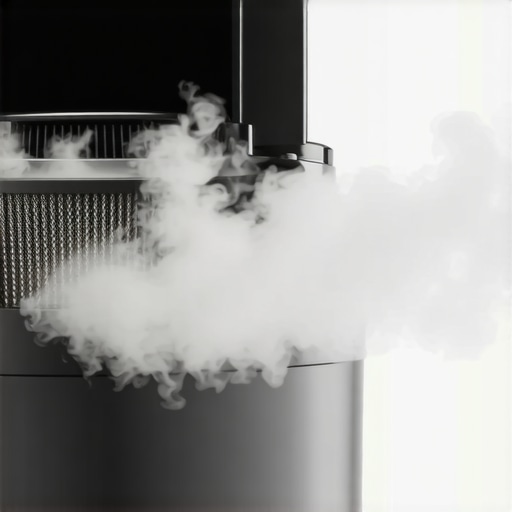
One day, I vacuumed my living room, feeling quite proud of my freshly cleaned space. But soon after, I noticed a strange, persistent dustiness lingering in the air—like I hadn’t even cleaned! That lightbulb moment hit me hard: my vacuum filter, which I thought was just there to keep my machine working, might actually be making my entire house smell dusty. And guess what? I was right.
The Mysteries Behind That Dusty Smell from Your Vacuum
Vacuum cleaners are essential, but if you’re like me, you’ve probably experienced that uncomfortable suspicion: that the very device meant to improve your home’s cleanliness is actually spreading dust and stale odors instead. It turns out, there’s a common culprit—your vacuum filter—that gets overlooked far too often. When filters aren’t cleaned or replaced regularly, they can become breeding grounds for trapped dust, mold spores, and even bacteria. Over time, these elements can cause that unmistakable dusty smell that seems to cling to your furniture and air.
But here’s the good news: this issue is fixable, and it can have a direct impact on the air quality and overall freshness of your home. By understanding how your vacuum filter works and implementing simple maintenance routines, you can say goodbye to that dusty odor and breathe easier. Want to learn exactly how I conquered this problem? Keep reading, and I’ll guide you through some easy yet effective steps to reclaim your home’s freshness.
Is Replacing Your Filter Really Necessary, or Just a Marketing Gimmick?
Early on, I made the mistake of thinking I could just clean my filter once in a while and skip replacing it. Turns out, that was a costly oversight. A study from the EPA shows that properly maintained filters can significantly improve indoor air quality. Skipping regular replacements not only diminishes efficiency but can turn your vacuum into a dusty culprit. In the next section, I’ll share the simple routine that transformed my cleaning game and kept my home smelling fresh, not dusty.
Replace Filters Regularly to Save Your Breaths
Recall the chaos I faced when my vacuum began emitting that stubborn dust smell. I learned quickly that simply cleaning the filter wasn’t enough; I had to replace it. Remove the old filter, check your manufacturer’s guidelines for how often to swap it out, and insert a new one. Doing this prevents trapped dust, mold spores, and bacteria from building up and circulating back into your air. I replaced mine every three months, which made a noticeable difference in my home’s freshness.
Deep Clean and Sanitize Your Vacuum Components
Think of your vacuum like a gym trainer on steroids; if it’s covered in grime, it can’t perform optimally. Disassemble accessible parts—brush rolls, filters, and dust bins—and wash or wipe them with a mixture of effective sanitizing solutions, like a mix of vinegar and water, which are safe and effective. For upholstery attachments, use a fabric-safe disinfectant to eliminate residual dust and odors. I once spent a Saturday deep-cleaning mine, and the improvement in air quality was instantaneous. For detailed sanitizing methods, check out this guide.
Empty and Wash Vacuum Dust Bin Often
Leaving dirt and debris in the dust bin is like storing rotten food—bad for your vacuum and your lungs. After every few uses, detach the bin and empty it outside your home to prevent dust from settling back into the air. Rinse the bin with warm water and mild detergent, then let it dry completely before reassembling. Trust me, I once forgot to wash mine and noticed a resurgence of that dusty smell after a single use. Making this a routine keeps microscopic allergens at bay.
Sanitize Upholstery and Home Surfaces
The dusty smell doesn’t just linger in your vacuum; it clings to your furniture. Use effective upholstery cleaning techniques, including vacuuming with an upholstery attachment, followed by a fabric-safe sanitizer, to remove hidden dust and odors. For stubborn smells, a solution of baking soda and water sprinkled lightly on fabric surfaces, left for 15 minutes, then vacuumed off, can work wonders. My couch visibly transformed after I adopted this routine. For more detailed upholstery care, visit this article.
Maintain a Clean Home Atmosphere
Regular daily cleaning can prevent dust accumulation that feeds that dusty vacuum smell. Sweep, dust, and vacuum floors at least twice a week, paying special attention to hidden corners and behind furniture. Use a damp microfiber cloth instead of a duster to trap dust rather than spread it around. I made a checklist to keep myself on track, which you can find here. Keeping the environment clean limits dust and mold growth, ensuring your vacuum doesn’t do more harm than good.
#IMAGE_PLACEHOLDER_B#}**
By following these concrete steps—regular filter replacement, deep cleaning components, frequent dust bin washing, upholstery sanitizing, and maintaining overall cleanliness—you’ll turn your vacuum into an ally, not an enemy, in your home’s freshness. Consistency is key; small daily efforts prevent your space from accumulating that unappealing dusty smell day after day.
**}** ]}#}**Many homeowners believe that a quick sweep and spray are enough to maintain a spotless and healthy home. However, this oversimplification often leads to overlooked issues and ineffective routines. For example, the misconception that using bleach on fabrics or upholstery effectively sanitizes without damage can cause more harm than good. According to experts at cleaning professionals, understanding the material-specific cleaning methods is crucial for long-term preservation and hygiene.
One hidden nuance is that regular vacuuming isn’t solely about picking up surface dust; it also involves maintaining the vacuum itself. Neglecting maintenance can turn your vacuum into a dust-spreading culprit, as I discussed earlier. Also, many people assume that move-out cleaning only requires superficial tidying, but detailed tasks like sanitizing behind appliances or deep-cleaning grout can significantly impact security deposits and move-in readiness.
A common myth is that sanitizing sprays are instant germ killers; in reality, most require a contact time of at least 10 minutes to be effective, as shown in the latest sanitizing research. Skipping this step can create a false sense of security.
Now, for those dealing with upholstery, many think that a quick vacuum or light spray are sufficient. But fabrics, especially delicate ones, benefit from specialized cleaning techniques. The upholstery care guide highlights that improper cleaning can weaken fibers or set stains permanently.
By digging into these nuances and challenging widespread myths, you can elevate your cleaning routine from basic to expert level. Remember, consistent and knowledgeable practices lead to a healthier home environment.
What has been your biggest surprise or mistake in cleaning routines? Let me know in the comments! For personalized advice or professional help, feel free to reach out to us.
Pick the Right Equipment for Consistent Results
Investing in quality tools makes all the difference in maintaining a clean and fresh home over time. I personally prefer using a HEPA filter vacuum like the Dyson V11 because it captures 99.97% of particles, reducing dust buildup and improving air quality. A powerful, adjustable steam mop such as the Shark Steam Pocket Mop allows for effortless, chemical-free deep cleaning of floors, which is crucial for preventing dust and bacteria accumulation. When choosing tools, ensure they are ergonomic and durable to prevent fatigue and encourage regular use.
Utilize Specialized Cleaning Products for Longevity
Regular household cleaners are helpful, but investing in targeted solutions can extend your cleaning routine’s effectiveness. For upholstery, I highly recommend using fabric-safe enzymatic cleaners, like the Oxygen Cleaner, which break down organic stains and odors without damaging fibers. Similarly, using a disinfectant spray with proven efficacy, such as those conforming to EPA standards, ensures that high-touch surfaces remain sanitized between deep cleans. Incorporating these products into your routine guarantees long-term freshness.
Streamline Your Routine with Modern Technology
Smart home devices can revolutionize your cleaning schedule. I use a robotic vacuum like the Roomba i7+, which maps my home and triggers cleaning cycles automatically, maintaining consistent dust control even during busy periods. Additionally, app-controlled steam cleaners and UV sanitizers enable quick touch-ups, ensuring hygiene without overwhelming your daily schedule. As technology advances, integrating these tools can help sustain pristine living conditions effortlessly.
How do I maintain tools and equipment over time?
Proper maintenance of your cleaning tools is key to their longevity and effectiveness. Regularly empty and replace vacuum filters, clean steam mop pads after each use, and inspect brushes and nozzles for debris buildup. For electronic devices, follow manufacturer guidelines, such as periodically updating firmware or software if applicable, and storing equipment in dry, dust-free environments. Preventative care avoids costly replacements and keeps your cleaning arsenal in top shape, which I’ve found essential for long-term success.
Looking to take your home care further? I recommend trying advanced methods like steam cleaning upholstery with a dedicated machine or incorporating professional-grade disinfectants for high-touch surfaces. Consistent use of high-quality tools and smart routines not only simplifies your tasks but ensures lasting results. Remember, as the trend toward smart home integration grows, staying updated with the latest gadgets—like app-connected vacuums and cleaning sensors—can keep your home healthier for years to come. Explore options and find what fits your lifestyle best.
Don’t forget: a small investment in the right equipment today can save you hours of work and frustration tomorrow. Start with a reliable HEPA vacuum or a robotic cleaner, and see the difference it makes in your home’s freshness. Want to learn more about optimizing your cleaning routine? Check out these expert secrets for long-term house care. And for detailed guidance on upholstery, visit this comprehensive guide. Take control of your cleaning tools today, and enjoy a healthier home tomorrow!
Little Mistakes That Cost Me BIG in Freshness
I once thought that a quick dusting and spray of air freshener were enough to keep my home smelling clean. It wasn’t until I discovered hidden mold spores in my vacuum filters that I realized my routine lacked depth. That lightbulb moment taught me that neglecting simple maintenance, like replacing filters regularly, can undermine even the best cleaning efforts. Now, I know that small overlooked steps—such as washing vacuum dust bins or sanitizing upholstery—are crucial for true freshness.
Tools That Turn Cleaning From Chore to Confidence
Investing in quality, specialized tools changed the game for me. Using a HEPA-filter vacuum like the Dyson V11, coupled with a steamer like the Shark Steam Pocket Mop, allowed me to target dust and germs effectively. These tools aren’t just expensive gadgets; they’re allies that make maintaining a pristine home sustainable and less stressful. Relying on trusted brands and learning how to use them properly has made my cleaning routine effortless and more effective.
The Power of Consistency with a Personal Touch
Routine is everything. Making a habit of wiping down high-touch surfaces, deep-cleaning upholstery once a season, and washing the dust bin every few uses prevents the buildup of dust and odors. This consistency doesn’t require extra time—just a commitment to small daily actions. Over time, these habits transformed my space into a consistently fresh sanctuary, showing me that cleaning isn’t a one-time effort but a lifestyle.
Insider Wisdom: Lessons Learned in Home Refreshing
- Skip the gimmicks—trust proven methods over quick fixes. For example, I used to rely solely on cleaning sprays, but I learned that letting disinfectants sit for at least 10 minutes is key to killing germs effectively, as emphasized in professional advice.
- Never underestimate the little things—like a dirty vacuum filter or unwashed dust bin—that silently degrade air quality. These details matter more than we think.
- Know your equipment—reading manuals and understanding maintenance routines extends the lifespan of your tools and guarantees optimal performance. I found that scheduling filter replacements every three months keeps my vacuum performing at its best.
- Consistency beats perfection—daily habit-building yields more lasting results than sporadic deep cleans. Even 5 minutes a day can make a noticeable difference.
Where To Grow Your Cleaning IQ Next
- Learn expert cleaning secrets—these tips elevate your routine beyond the basics.
- Deepen your upholstery care knowledge—keeping your furniture smelling fresh and lasting longer.
- Simplify your move-out cleaning—reduce stress and ensure your deposit is safe with a thorough, systematic approach.
Your Next Step in Creating a Healthy Home Haven
Remember, the secret to truly fresh living spaces lies in thoughtful, consistent maintenance—not just quick fixes. Every small effort compounds into a home that feels clean, smells inviting, and breathes easier. Starting with smarter habits and better tools will make your cleaning journey less daunting and more rewarding.
What’s one simple change you’re excited to implement today to improve your home’s freshness? Share your plan below—I’d love to hear your story!