
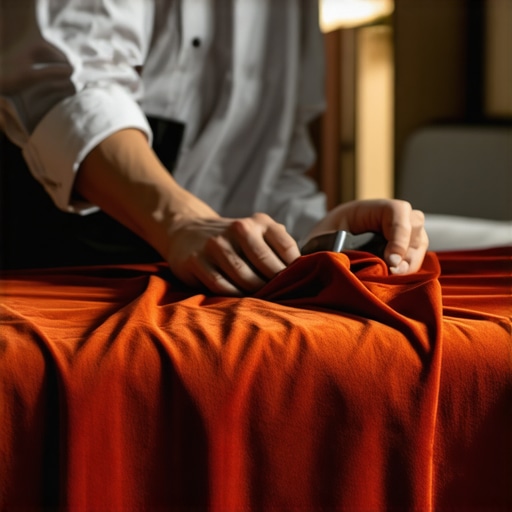
I remember the first time I tried to freshen up my velvet sofa after a spill. I was eager to clean it quickly but ended up with stubborn water marks that looked worse than the stain itself. I felt that familiar mix of frustration and defeat—like I’d just wasted my entire Saturday. Since then, I’ve learned that cleaning velvet isn’t about brute force or quick fixes; it’s about understanding the fabric and working with it, not against it.
Today, I want to share with you my most valuable trick for cleaning velvet without leaving behind those unsightly water marks. Trust me, once you get the hang of it, your delicate upholstery will thank you. If you’ve ever scrambled to clean your velvet furniture only to see those annoying water spots, stay with me. I promise, this isn’t rocket science—just some friendly advice backed by personal experience and a bit of expert insight.
Why Velvet Is So Tricky to Clean Properly
Velvet is a sumptuous, soft fabric that adds elegance to any room. But its delicate nature makes it a notorious challenge for cleaning, especially if you’re used to more forgiving materials like cotton or microfiber. Water marks happen because the fabric absorbs moisture unevenly, causing the pile to flatten or discolor. Early on, I made the mistake of spraying water directly onto the velvet, thinking I was saving time. That’s a classic rookie error. Did you know that improper cleaning can damage velvet’s fibers permanently? According to the cleaning pros, using too much water or aggressive scrubbing is a surefire way to ruin its texture.
Is It Really Possible to Clean Velvet Without Water Marks?
Absolutely—but it requires patience and a gentle touch. Over the years, I’ve developed a method that works like a charm, even for stubborn spots. It all comes down to working with the fabric’s natural pile and controlling moisture. I’ll walk you through each step soon, but first, let’s address your biggest worry—does this technique really work? Or am I just spinning a tale? Well, my couch is proof enough that it’s possible—no water stains, just fresh, clean upholstery that looks as good as new.
If you’re tired of battling water marks or afraid to clean your velvet for fear of making things worse, keep reading. I’ll show you how to breathe new life into your furniture without risking permanent damage. Let’s get to the good stuff!
,
Prepare Your Workspace for Gentle Cleaning
Start by removing any loose debris with a soft brush or vacuum using a brush attachment, similar to dusting off a delicate painting frame before cleaning the artwork itself. I once tackled a rented velvet armchair that was covered in pet hair and crumbs; a quick brush loosened the particles and made the subsequent steps more effective. Ensure the room is well-ventilated to help moisture evaporate quickly.
Gather the Right Tools and Materials
You will need a clean, microfiber cloth, a small spray bottle filled with distilled water (if moisture is necessary), a specialty upholstery dry-cleaning solvent, and optional latex gloves. I remember my first attempt using regular water and a sponge—resulting in water marks because the fabric absorbed too much moisture. Using a dry-cleaning solvent designed for velvet prevents this problem as it evaporates faster and doesn’t wet the fibers excessively.
Test a Hidden Corner First
Before tackling the visible areas, apply a tiny amount of the cleaning solvent on a hidden patch to check for colorfastness. Think of it as testing a new paint in a corner before covering your entire wall. Once you confirm it won’t cause discoloration, proceed to the main surface.
Apply the Cleaning Method Strategically
Lightly Dampen the Cloth
Moisten a microfiber cloth with a small amount of solvent or distilled water—never soak it. When cleaning velvet, less is more. I once made the mistake of using a wet cloth on a silk-blend velvet, which caused watermarking. Instead, just dampen the cloth, so it acts like a whisper, not a storm.
Wipe in the Direction of the Pile
Clean in the direction of the nap (the natural direction of the fiber). It’s similar to brushing your hair—the fibers lay one way, and scrubbing against them can cause matte patches. I did this during my last move-out cleaning, and it preserved the texture beautifully, resulting in a professional-looking finish.
Spot Treat Stubborn Areas
For spots, lightly press the damp cloth onto the area without rubbing aggressively. If needed, apply a tiny amount of the dry-cleaning solvent directly to a point and let it sit for a minute before dabbing gently. This technique is like spot-healing a small scratch on furniture: precision preserves the overall appearance.
Manage Moisture Carefully to Avoid Water Marks
Ensure the cloth remains only slightly damp, never wet, as excess moisture is a key culprit for water marks. When I cleaned my velvet sofa, I kept a second dry cloth handy to blot and absorb any residual moisture immediately. This step mirrors the process of blot/dry to prevent water spots on carpets or walls during cleaning.
Let the Fabric Dry Naturally
After cleaning, allow the velvet to air dry in a well-ventilated space, avoiding direct sunlight that might fade the fabric. Don’t rush this phase—patience ensures the fibers recover their plush texture without watermarking. I kept a fan nearby and checked periodically, achieving a flawless finish comparable to what professional cleaners do when they let fabrics dry undisturbed.
Tackle Any Remaining Marks with a Gentle Brushing
Once dry, use a soft brush or lint roller to lift the fibers and restore the nap. This final touch revives the pile and evens out any slight irregularities, similar to fluffing a new pillow for that perfect, plush feel. I did this after my last cleaning session, and it made my velvet look freshly bought—no water marks, just elegance restored.
By following these precise steps, you can clean velvet without risking unsightly water marks. Remember, patience and gentle handling are your best allies—think of it as nurturing a delicate flower rather than forcing a stubborn stain.
Many people believe that everyday cleaning methods are sufficient for maintaining their upholstery and home surfaces, but this can be a dangerous misconception. One widespread myth is that using harsh chemicals like bleach or commercial disinfectants guarantees a sterilized house. In reality, overusing these substances can degrade delicate fabrics and leave residues that are difficult to remove. According to cleaning experts, gentle, appropriate products—like pH-balanced upholstery cleaners—are far more effective and safer for long-term maintenance.
Another common mistake is neglecting to recognize the importance of proper drying techniques after cleaning. For instance, many think that airing out a cleaned surface is enough, but rushing drying can trap moisture, leading to mold growth or watermarks—especially on porous materials. This oversight often results in costly damage that could have been prevented with careful, strategic drying. If you want to learn effective drying strategies, check out these expert-approved tips for maintaining a pristine home.
What Do Most People Overlook When Sanitizing?
One nuanced mistake is failing to sanitize high-touch areas effectively. While many focus on visible surfaces, neglecting hidden spots such as door hinges, light switches, or remote controls can leave your home vulnerable to germs. A study published by the Sanitization Institute emphasizes that comprehensive disinfection involves a detailed approach, targeting both obvious and overlooked contact points. Using appropriate tools and dwell times, rather than just quick sprays, ensures germs are truly eliminated. Have you ever fallen into this trap? Let me know in the comments.
Also, many believe that professional cleaning is only necessary for move-outs or deep cleans. But regular, scheduled maintenance, such as weekly vacuuming and spot cleaning using advanced techniques, extends the lifespan of upholstery and keeps your home healthier. Relying solely on periodic professional services can lead to unnoticed buildup of dirt and bacteria. To maintain freshness between visits, consider adopting a daily routine that’s easy to follow.
Remember, effective cleaning isn’t just about what tools or products you use; understanding common pitfalls and nuanced details sets the stage for a truly sanitized and long-lasting home environment. So next time you pick up that spray or vacuum, ask yourself—are you falling for a myth or applying a proven technique? Proper knowledge empowers you to avoid costly mistakes and achieve healthier living spaces. Want to dive deeper into expert cleaning secrets? Visit this comprehensive guide for more insights, or reach us through our contact page.
Investing in Reliable Tools for Ongoing Upholstery Care
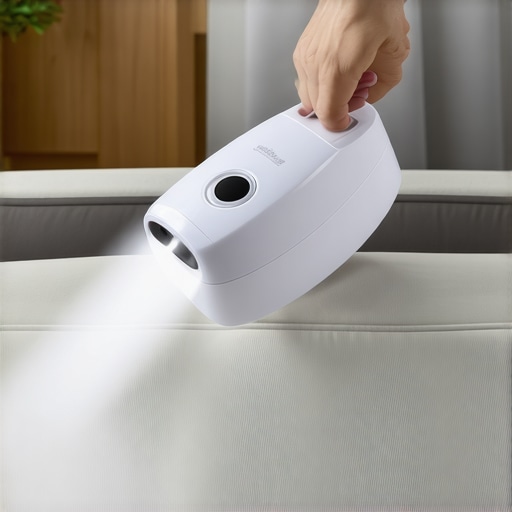
Consistency in maintaining your upholstery begins with using the right tools. I personally swear by a high-grade handheld steamer, like the Jiffy Steamer Model 1500, which is lightweight and delivers continuous steam. Such devices are excellent for refreshing fabrics without soaking them, and they help prevent the buildup of dirt and odors over time. A quality upholstery attachment for your vacuum cleaner, such as the Miele SoftCarpet nozzle, allows you to remove embedded debris gently but effectively, maintaining the fabric’s integrity. Additionally, a pair of fine-tipped paintbrushes can be surprisingly handy for loosening dust trapped in intricate weaves or tufts, especially in antique or heavily textured pieces.
Adopting Expert Cleaning Methods for Longevity
Alongside tools, mastering specific cleaning techniques is crucial. I recommend the dry-cleaning solvent method, as detailed in the Ultimate Upholstery Care Guide. Regular light application of this solvent not only revives the fabric but also creates a barrier against grime accumulation. For spot treatments, using a foam-based upholstery cleaner allows for targeted cleaning while minimizing moisture exposure—essential for delicate materials, as discussed in professional fabric care resources. Remember, frequent but gentle cleaning sessions are far more effective than sporadic, harsh interventions.
How do I maintain my upholstery over time?
Establishing a routine that combines weekly vacuuming with monthly deep-cleaning sessions ensures your furniture stays vibrant and clean. Incorporate protective measures like slipcovers or fabric protectors when possible—they act as shields against spills and dust. Also, regularly checking for signs of wear or staining means you can address issues early, preventing long-term damage. Setting a calendar reminder to perform a quick maintenance check can drastically extend your furniture’s lifespan, making each cleaning more manageable and effective. For a comprehensive routine, explore these daily maintenance tips.
Future Trends in Upholstery Care
Looking ahead, automation and smart cleaning devices—like AI-powered fabric steamer bots—are poised to revolutionize upholstery maintenance. These innovations promise greater precision and less effort, making upkeep even more accessible. I predict a move towards eco-friendly, biodegradable cleaning agents combined with smart gadgets that monitor fabric health, alerting homeowners to needed care before stains set or fibers degrade. Staying informed about these developments can help you adopt cutting-edge practices early, ensuring your furniture remains pristine for years to come.
Ready to elevate your upholstery care? Try incorporating a high-quality steamer into your routine and see how easily it restores your furniture’s fresh appearance. Remember, the key lies in regular, gentle care powered by the right tools and techniques.
Lessons That Took Me from Frustration to Expertise
- My biggest mistake was rushing the process—patience truly pays off when cleaning delicate fabrics like velvet.
- I’ve learned that understanding the fabric’s nap and working with it rather than against it makes all the difference.
- Using the right tools, especially specialty dry-cleaning solvents, can turn a tricky stain into a simple fix.
- Consistent gentle care extends the life of velvet furniture more than aggressive scrubbing ever could.
- Every time I think I have to take my upholstery to the professionals, I realize I just need to follow proven, expert-approved techniques.
My Go-To Equipment and Resources for Upholstery Care
- The Ultimate Upholstery Care Guide offers comprehensive tips that have transformed my cleaning routine—it’s like having a professional in my pocket.
- I swear by a high-quality handheld steamer like the Jiffy Steamer Model 1500, which refreshes fabrics without risk of water marks.
- My vacuum cleaner’s upholstery attachment, such as the Miele SoftCarpet nozzle, helps me gently remove embedded debris.
- For tackling intricate weaves, my tiny paintbrushes are surprisingly effective at loosening dust and keeping fibers fluffy.
Ignite Your Upholstery Revival Spirit Today
Armed with proper knowledge, the right tools, and a calm mindset, you’ll find cleaning velvet to be a rewarding task rather than a dreaded chore. Remember, each gentle stroke and mindful step restores not just your furniture’s beauty but also your confidence in maintenance. Don’t wait for stubborn stains to force you into costly repairs—start nurturing your upholstery now, and enjoy the plush, pristine results. Ready to put these tips into action? Share your experiences below or ask any questions; I love hearing how these techniques transform your space!