
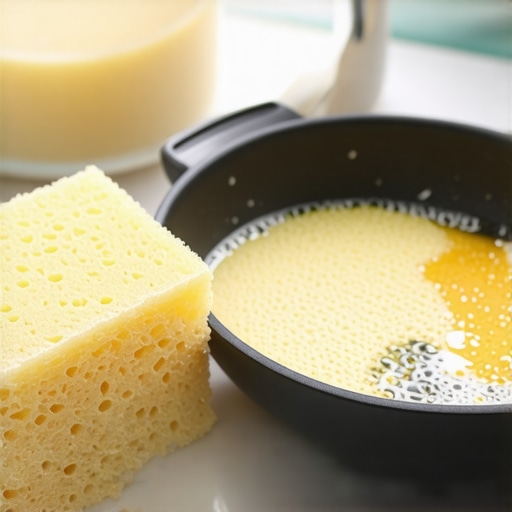
There was this moment, right in the middle of my busy kitchen, when I reached for the sponge to finish cleaning a plate. As I squeezed it, I noticed a little crust of grime releasing into the sink, and a cold sweat broke out. It hit me—my trusted sponge, the very tool I used to keep my kitchen hygienic, was probably the filthiest thing in my entire home. That lightbulb flickered on, and suddenly, I wondered: how on earth did I let it get this bad?
The Hidden Danger Lurking in Your Sponge
Since that day, I’ve become obsessed with understanding what makes kitchen sponges such potent breeding grounds for bacteria. Turns out, according to a study published in the American Journal of Infection Control, a used sponge can harbor more bacteria than a toilet seat. Yes, really! And I was guilty of neglecting this tiny, porous object, thinking a quick rinse was enough. It’s that mistake that often turns everyday cleaning into a hidden health hazard.
Is Your Kitchen Sponge Really Worth the Hype?
I used to think that tossing my sponge in the dishwasher or giving it a quick soak was sufficient. Early in my cleaning journey, I failed to realize that this approach wasn’t enough to kill or remove the bacteria lurking in those tiny fibers. I’d been making a mistake I see many others doing—believing that simple rinses or air-drying can sanitize the sponge. Spoiler alert: they don’t. This oversight might be why I kept noticing musty odors and stubborn stains, despite my efforts.
Since I started paying attention to this little detail, I’ve uncovered some effective methods to keep my sponges clean and bacteria-free—methods that are simple to incorporate into your routine. If you’ve been struggling with persistent odors or concerns about germs, you’re not alone. The good news is, once you understand this invisible villain, you can reclaim your kitchen’s hygiene. Want to learn how? Keep reading, and I’ll guide you through proven strategies to keep your sponge—and your kitchen—spotless.
Before we dive into the cleaning techniques, consider if this has been a problem for you. Have you ever noticed that your sponge smells despite frequent rinsing? Or that your dishes sometimes come out less than spotless, even after cleaning? If so, you’re in the right place. Let’s tackle this sneaky issue head-on and make your kitchen safer and cleaner, starting today.
Mastering Deep Cleaning for Your Kitchen and Home
Start by gathering your cleaning tools: microfiber cloths, scrub brushes, disinfectant sprays, and gloves. Visualize your cleaning process as peeling away layers of grime, much like removing paint from an old wall to reveal a fresh surface underneath. When I tackled my kitchen backsplash last month, I laid out all my supplies first—saving time and making the process smoother.
Targeted Sanitizing Techniques
Proper Sponge Sanitization
Instead of rinsing your sponge with water, fully submerge it in a mixture of hot water and disinfectant or soak it in the microwave for one minute on high power. Remember, microwave sanitizing kills 99% of bacteria but only works if the sponge is wet. I experimented with my sponge this way—afterward, it smelled fresher, and I felt more confident about its cleanliness.
Disinfecting Kitchen Surfaces
Use spray disinfectants or a homemade solution of vinegar and water—avoid alcohol-based sprays on porous surfaces like upholstery. Focus on high-touch areas: handles, switches, and faucet knobs. When I cleaned my countertops, I sprayed and let it sit for five minutes before wiping—this contact time kills most germs effectively.
Furniture and Upholstery Care
For upholstered furniture, vacuum thoroughly to remove loose dust and hair. Follow with a fabric-safe disinfectant spray, ensuring you target seams and hidden crevices. I once removed stubborn pet stains from my sofa by applying a mixture of baking soda and water, letting it sit, then lightly brushing—eliminating odors without damaging the fabric.
Attention to Hidden and Overlooked Spots
Don’t forget corners, beneath appliances, and behind furniture where dust and grime hide. For example, the debris behind my fridge was surprisingly dusty—cleaning this area with a long-bristled brush improved air quality immediately. Check out this ceiling fan dust layer tip for thorough cleaning.
Move-Out Ready Techniques
If preparing for a move, combine these practices with move-out cleaning strategies from move-out cleaning tips. Focus on dust traps, window tracks, and baseboards, as these are common inspection points. When I completed my move-out cleaning, paying special attention to these areas helped secure my full deposit.
Consistency Is Key
Set a routine, such as a quick daily wipe-down of kitchen surfaces and weekly deep cleans for upholstery and hidden spots. This prevents grime buildup and keeps your home safe. I adopted a 10-minute morning routine, which drastically reduced dust and clutter, making weekly cleaning easier and less time-consuming.
By integrating these concrete steps into your cleaning regimen, you’ll enhance not only your home’s appearance but also its hygiene and your peace of mind. Remember, regular maintenance is the most effective way to prevent dirt and bacteria from taking hold—saving you effort and worry in the long run.
Many assume that following surface-level cleaning routines suffices, but as an expert in home hygiene, I can attest that these common practices often fall short of true cleanliness. One pervasive myth is believing that quick rinses or air-drying effectively sterilize sponges and cloths; however, studies such as those highlighted in the expert cleaning insights show that bacterial buildup persists without proper disinfection methods. This oversight can lead to unseen health risks, especially in areas like upholstery or hidden corners where bacteria thrive unnoticed. An advanced mistake many overlook is neglecting the importance of contact time with disinfectants or heat during sanitization. For instance, microwaving sponges for at least a minute ensures a significant reduction in bacteria—something many skip, inadvertently perpetuating contamination. Moreover, the misconception that move-out cleaning is just about aesthetics neglects the crucial role of thorough sanitation, which directly influences your security deposit return. Read about move-out cleaning strategies that emphasize bacterial eradication alongside visual cleanliness. Now, you might wonder: how can I optimize my cleaning to prevent these hidden pitfalls? The answer involves integrating deep cleaning techniques into your routine, such as using specialized tools or sanitizing sprays designed for porous surfaces like upholstery—check out upholstery cleaning tips. Lastly, many overlook the importance of cleaning areas behind appliances and within vents, which serve as reservoirs for dust and microbes. Implementing a detail-oriented approach, focusing on these neglected spots, can significantly improve your home’s hygiene. Have you ever fallen into this trap? Let me know in the comments.”}**
Maintaining a spotless, sanitized home requires more than just elbow grease; it hinges on the right tools and consistent routines. Over the years, I’ve refined my arsenal to include equipment that not only delivers exceptional results but also prolongs the lifespan of my cleaning efforts. Investing in these tools ensures that your home remains hygienic and organized in the long run, saving you time and stress.
How do I maintain my cleaning arsenal over time?
The key is choosing durable, high-quality equipment and adopting a care routine that extends their usability. For example, I swear by my microfiber cleaning cloths—using specialized fabric conditioner and avoiding bleach keeps them effective and prevents the fibers from breaking down prematurely. Regularly inspecting and replacing worn-out tools prevents them from becoming counterproductive, which aligns with the insights shared in the expert cleaning secrets. This proactive approach also minimizes your exposure to bacteria-laden equipment, making sanitation more effective and less time-consuming.
Recommending the right vacuum for your needs
For my home, I rely on a high-efficiency particulate air (HEPA) vacuum with a sealed system. Not only does it trap microscopic dust and allergens—crucial for homes with pets or allergy sufferers—it also prevents dust from being blown back into the air, which can happen with cheaper models. I regularly replace filters and check for blockages, keeping the machine running optimally. This practice ensures maximum performance and hygiene, especially when cleaning upholstery or carpets that harbor hidden allergens. Whether you’re deep cleaning after a move or maintaining everyday tidiness, a reliable vacuum is your best ally.
What about tools for upholstery care?
For upholstery, I recommend a steam cleaner designed specifically for delicate fabrics, paired with fabric-safe disinfectant sprays. The steam cleaner thoroughly removes grime and bacteria without applying harsh chemicals, which is essential for preserving fabric integrity. Remember, regular upholstery maintenance extends beyond surface cleaning; it involves sanitizing to prevent long-term odors and mold growth. Implementing these techniques weekly can drastically improve your home’s air quality and overall cleanliness. For expert tips on upholstery care, check out these upholstery cleaning tips.
Why move-out cleaning deserves specialized tools
When preparing for a move, precision is everything. I keep a set of detail brushes and microfiber mops specifically for inspecting and cleaning the tricky spots—like behind appliances or in vents—that often get overlooked. Employing tools with narrow tips allows me to access these hard-to-reach areas effectively. Additionally, a portable steamer helps eliminate stubborn stains and sanitize surfaces simultaneously—saving both time and effort. Learning to leverage these tools has paid off; I’ve secured my full deposit more times than I can count. To see how specific tools can make your move-out cleaning more efficient, visit this comprehensive guide.
Looking ahead, the trend involves smart home cleaning devices that monitor and optimize sanitation automatically, reducing manual effort. Innovations like app-controlled vacuums and robotic steamers are becoming smarter and more affordable, promising even greater efficiency in maintaining cleanliness over time.
Take the initiative today by upgrading your equipment—start with a quality microfiber cloth set or a reliable vacuum—and incorporate routine maintenance checks. These small steps will help you build a home that remains fresh, sanitized, and inviting year-round. Want personalized advice on selecting the best tools for your space? Reach out through our contact page and let’s get your cleaning routine optimized!
Lessons That Changed My Cleaning Game Forever
- Discovering how easily bacteria hide in porous surfaces like sponges made me rethink my routine—simple rinses just aren’t enough to ensure safety.
- Realizing that heat and proper disinfectant contact time are key to truly sanitizing items like sponges and upholstery prevented many stubborn odors and germs from lingering.
- Understanding that overlooked spots — behind appliances, inside vents, or under furniture — can harbor unseen grime that jeopardizes both cleanliness and deposit refunds was a game-changer.
- The importance of using high-quality, durable tools and maintaining them regularly has prolonged their effectiveness and kept my home healthier.
- Learning that move-out cleaning isn’t just about appearance but involves meticulous sanitizing of every corner helped me secure my full deposit more times than I can count.
My Go-To Resources for Deep Cleaning Success
- High-Efficiency Vacuum with HEPA Filters: I trust my HEPA vacuum for trapping microscopic allergens, especially when cleaning carpets and upholstery—keeping allergens at bay and improving air quality. Expert cleaning insights endorse the importance of regular filter maintenance for optimal performance.
- Microfiber Cleaning Cloths: Their effectiveness diminishes over time, so I replace them regularly and wash them with fabric conditioner—ensuring they retain their static charge and dirt-trapping abilities. Here’s how to extend their lifespan.
- Steam Cleaners for Upholstery: A dedicated fabric steam cleaner efficiently removes grime and bacteria without harsh chemicals. I swear by this for maintaining a fresh, odor-free sofa; for more tips, check out these upholstery cleaning tips.
- Detail Tools for Move-Out Cleaning: Small brushes and microfiber mops help access tricky spots like vents or behind appliances. A portable steamer is my secret weapon for stubborn stains—more on this here.
Keep the Momentum Going for a Fresh Start
Now is the perfect moment to upgrade your cleaning routine and tools—think about investing in that high-quality vacuum or microfiber cloths. Establishing a regular schedule that targets hidden grime will not only safeguard your health but also ensure you get your full deposit back when you move. Remember, a little attention now saves a lot of hassle later. What’s one neglected spot in your home you’re excited to clean more thoroughly? Share below, and let’s motivate each other to achieve truly spotless spaces.