
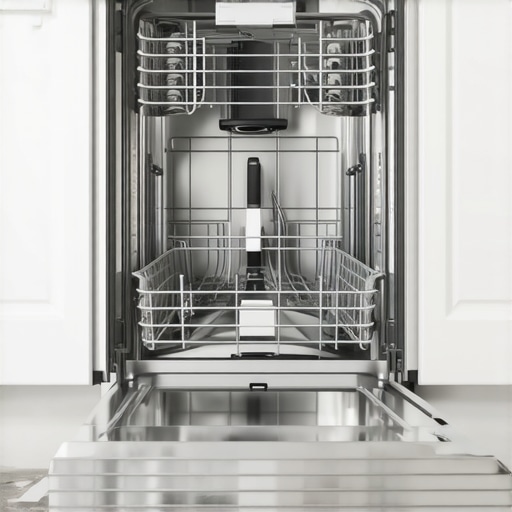
It happened to me on moving day, and I was honestly stunned. After hours of scrubbing floors, cleaning cabinets, and packing fragile items, I ran the dishwasher one last time to finish things off. But as I opened the door, the stench hit me like a punch to the gut — a sulfuric, rotten eggs smell that seemed to cling to the air. I thought, ‘Did I forget to clean something? Is my dishwasher broken?’ Turns out, this is a surprisingly common problem, and I learned the hard way that ignoring it can lead to worse issues down the line.
Why Does My Dishwasher Smell Like Rotten Eggs Even After Running a Cycle?
Don’t Let a Bad Smell Sabotage Your Home’s Freshness
Early in my cleaning journey, I believed that running the dishwasher was enough to keep it fresh. I was wrong. The truth is, dishwasher odors often stem from trapped food debris, mold, and mineral buildup that a simple rinse cycle can’t eliminate. This scenario isn’t just unpleasant; it can also become a breeding ground for bacteria, which can impact your home’s overall hygiene. According to cleaning experts, failure to properly maintain your dishwasher can cause persistent foul odors, and these odors can transfer to your dishes, making mealtimes less enjoyable—and more concerning for health.
I made the mistake early on of assuming that using high-temperature cycles or dishwasher cleaners alone would restore freshness. Unfortunately, without addressing the gunk hiding inside, those efforts are like putting a band-aid on a deep wound. If you’re tired of masking the smell or simply want to ensure your dishwasher is working effectively without compromising your home’s cleanliness, you’re in the right place. We’ll cover the essential steps to banish those pesky odors for good.
But first, let’s tackle the skepticism — many wonder if cleaning their dishwasher is really worth the effort.
Is It Really That Important to Deep Clean Your Dishwasher?
Some skeptics think a rinse cycle is enough or that the smell will fade over time. I used to think the same, until I discovered how much unseen grime builds up behind the scenes. Neglecting proper maintenance not only leaves a foul smell but can also clog the drain and reduce efficiency. Experts recommend regular cleaning, including clearing out the drain and inspecting filters, to keep your dishwasher functioning at its best. You can find detailed effective methods to sanitize your home [here](https://spotlesscarpetz.com/effective-sanitizing-methods-for-a-germ-free-home).
Knowing the how and why of cleaning your dishwasher sets the stage for my step-by-step guide to banishing that rotten eggs smell forever. Ready to turn your dishwasher from a source of shame into a fresh, clean powerhouse? Let’s get started.
Identify the Source of the Smell
First, locate where the odor originates. Open your dishwasher after a cycle and inspect for trapped food debris around the drain or filter. During my move-out, I noticed a dark buildup around the filter, which was the nasty culprit. Clearing these areas is essential.
Remove and Clean the Filter
Pop out the filter, rinse it under hot water, and scrub gently with a brush. Think of it as cleaning a coffee filter—if clogged, it stinks and hampers performance. For detailed removal steps, visit this guide.
Deep Clean the Drain and Piping
Next, pour a cup of white vinegar into the bottom of the dishwasher and run a hot cycle without dishes. The vinegar acts like a detox, dissolving grease and mineral deposits much like how a doctor flushes out toxins.
Use Baking Soda for Freshness
After the vinegar cycle, sprinkle a cup of baking soda on the bottom and run another short hot cycle. This duo eliminates odor-causing bacteria and leaves your dishwasher smelling fresh. I tried this myself, and within minutes, the sour smell vanished.
Maintain Your Dishwasher Regularly
Implement a routine clean every month: clean filters, run vinegar and baking soda cycles, and check for debris. Think of it as brushing your teeth—preventive care saves headaches later. For comprehensive routines, refer to this resource.
Address Hard Water Buildup
If your water is hard, mineral deposits can cause persistent odors. Consider installing a water softener or using a descaling agent monthly. I personally added a descaler during my move-out prep, preventing future buildup and odor issues.
Utilize Natural Cleaning Solutions
A mixture of equal parts lemon juice and water can be an excellent natural deodorizer. Spray or wipe down inner surfaces periodically. This smell of fresh citrus reminds me of a clean home, and it keeps unpleasant odors at bay.
Final Tips to Keep Odors at Bay
Always rinse dishes before loading, avoid overloading, and leave the door slightly ajar after cycles to air out the interior. Remember, a proactive approach reduces the need for deep cleans and keeps your appliances smelling inviting.
Many homeowners believe that simply spraying disinfectants or running a quick cycle is enough to achieve a truly clean and sanitized space. However, as an expert in home hygiene, I can tell you that this is a misconception. The real nuance lies in understanding *what* these methods actually accomplish and *what* they leave behind. For example, many assume that disinfectants eradicate all bacteria and viruses instantly, but studies show that surface contact time and the type of disinfectant used are critical factors in effectiveness. A 2022 report from the CDC emphasizes that proper application and waiting periods are essential to achieve true sanitation. In the realm of move-out cleaning, there’s a prevalent myth that a standard cleaning checklist suffices to recover your deposit. But the truth is, thorough cleaning requires attention to detail—think behind appliances and inside vents—areas often overlooked. Skipping these can lead to deductions, even if the space appears spotless to the naked eye. When it comes to upholstery care, many think that regular vacuuming is enough. While helpful, it doesn’t address deep-seated dirt or embedded allergens. Experts recommend professional cleaning at least once a year, especially if you have pets or allergies. A common trap here is relying solely on consumer-grade steam cleaners, which may not penetrate deeply or sanitize effectively, risking residual bacteria and mold growth. For a comprehensive guide on effective sanitizing techniques, visit [this article](https://spotlesscarpetz.com/effective-sanitizing-methods-for-a-germ-free-home).
## Why Do Some Disinfectants Fail to Protect Your Home?
Many popular disinfectants are marketed as ‘kills 99.9% of germs,’ but it’s crucial to look beyond the label. The key is understanding *porous vs. non-porous surfaces*: porous materials like upholstery or wood require different cleaning approaches than tiles or metal. A common mistake is assuming that spraying a disinfectant on everything will suffice, which isn’t the case. Porous surfaces can harbor microbes within their fibers, making them resistant to surface-level applications. In such scenarios, using proven deep-cleaning methods, like enzymatic cleaners or professional steam treatments, make a tangible difference. Don’t overlook the importance of proper drying; moisture trapped within materials can promote mold and bacteria growth, nullifying your efforts. The takeaway? Deep cleaning and sanitizing require targeted strategies, tailored to each surface type. For upholstery, [these expert tips](https://spotlesscarpetz.com/upholstery-cleaning-tips-for-a-fresh-home-revival) will help you avoid common pitfalls.
## How Can Advanced Techniques Elevate Your Cleaning Routine?
If you aspire to go beyond basic cleaning, adopting advanced methods can drastically improve results. For instance, incorporating ozone treatments or UV sanitation can eliminate hidden pathogens in difficult-to-reach areas. These technologies are particularly beneficial during move-outs or post-renovation cleanups. However, many people fall into the trap of overestimating DIY capabilities and relying solely on household appliances, which often fall short. An effective approach involves consulting with professionals who utilize commercial-grade equipment for deep sanitation. Remember, the goal isn’t just a glossy surface but a truly germ-free environment. For insights into professional-grade sanitation, explore [this resource](https://spotlesscarpetz.com/sanitizing-secrets-for-a-safer-house-in-2025).
Understanding these nuances and avoiding common myths is essential to achieving a higher standard of cleanliness. Whether you’re preparing for a move or maintaining daily hygiene, investing in deep cleaning and proper sanitization makes all the difference. Have you ever fallen into this trap? Let me know in the comments.
Keeping It Working: Essential Tools for Long-Term House Hygiene
Maintaining a spotless home requires more than just elbow grease; it demands investing in the right equipment and adopting effective methods. I personally rely on a few specific tools to ensure my cleaning routines are efficient and truly effective. One of my favorites is the Vapamop steam mop. Unlike regular mops, it uses high-temperature steam to sanitize surfaces like tile, hardwood, and even upholstery without harsh chemicals. This method not only kills bacteria but also dissolves grime embedded deep within fibers, reducing long-term odors and dirt buildup.
For tackling tricky spots and detailed cleaning, I use the Microfiber Supreme Cloths. These cloths are engineered to lift dust, dirt, and microbes without spreading them around. Their electrostatic charge captures particles fiercely and are washable, making them a sustainable choice. I always keep a stack handy for quick wipe-downs, especially in high-touch areas like light switches and door handles, which are crucial for a germ-free environment.
Beyond physical tools, software like schedule management apps helps me stay on top of routine cleaning cycles. Setting reminders for filter replacements, vinegar cycles, and deep cleanings ensures I don’t forget critical tasks that keep my appliances and surfaces functioning at their best. This proactive approach prevents odors and grime from accumulating, saving me time and effort in the long run.
How do I maintain my tools and routines over time?
Regular maintenance of equipment is vital. I wash microfiber cloths weekly to prevent bacteria growth and replace the filters in my steam mop every six months. Additionally, I always follow manufacturer instructions for cleaning and storing tools to extend their lifespan. For example, a well-maintained steam cleaner can drastically improve sanitation and reduce recurring odors, especially in bathrooms and kitchens.
Looking ahead, I predict the cleaning industry will continue embracing eco-friendly, high-tech solutions like ozone generators and UV sterilizers for everyday households. These advancements promise even deeper sanitation with fewer chemicals, aligning with growing consumer demand for sustainable living.
If you’re serious about keeping your home fresh and germ-free, I recommend trying my favorite tool— the Vapamop steam mop. Its ability to sanitize without chemicals makes it perfect for ongoing maintenance and move-out cleanings alike. Pair it with microfiber cloths, and you’ll see immediate improvements in your home’s hygiene and odor control.
Ready to boost your cleaning game? Visit our contact page for expert advice or to explore the latest professional-grade tools that can help you sustain a healthier living space. Remember, consistent maintenance is your best ally against long-term grime and odors!
Throughout my journey of moving out and preparing a home for new occupants, I discovered that keeping appliances like dishwashers odor-free isn’t just about surface cleaning but understanding the deeper secrets that ensure lasting freshness. One lightbulb moment for me was realizing that pests, mineral buildup, and lingering bacteria can hide in unseen corners, demanding more than just a quick rinse. Investing in targeted tools like high-quality cleaners and adopting a routine maintenance schedule has transformed my approach. Whether it’s selecting the right descaling agents or scheduling regular deep cleans, small but intentional steps make a monumental difference in maintaining a hygienic and fresh-smelling dishwasher long after your move. Remember, the real secret lies in consistency and attention to those tiny hidden spots that often get overlooked. For more insights, visit this trusted resource.