
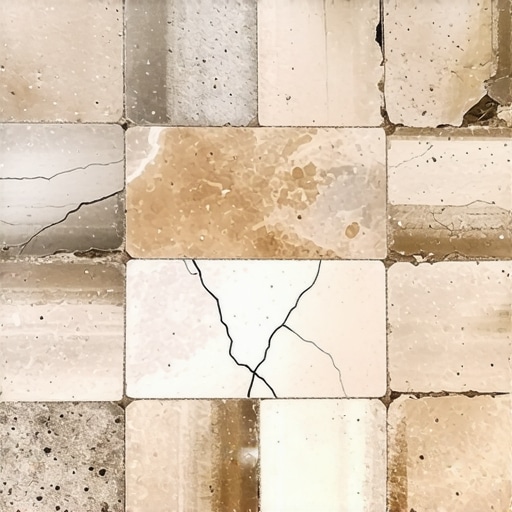
I remember the kitchen floor at my first apartment—covered in a beautiful, natural stone that was just too delicate for my DIY cleaning experiments. Like many, I resorted to a bottle of vinegar, thinking it was the ultimate go-to for a quick shine. But within weeks, the once-glowing surface started to dull, and I was faced with costly repairs. That lightbulb moment made me realize something crucial: not all cleaning methods are created equal, especially when it comes to natural stone.
Why Vinegar Isn’t the Home Hack You Think It Is
Vinegar might seem like an inexpensive, natural solution for cleaning everything from windows to kitchen counters. However, when it comes to **natural stone floors**, vinegar can actually do more harm than good. It’s acidic, and that acidity slowly erodes the sealant protecting your stones, leaving them vulnerable to stains and lasting damage. Early on, I overlooked this fact and paid the price with a dull, stained floor.
Understanding the chemistry behind natural stone is essential. These stones—marble, granite, limestone, and travertine—are porous and sensitive to acids. According to the Marble Institute of America, using acidic cleaners like vinegar can etch the surface, resulting in a rough texture and loss of gloss. This damage isn’t always immediately visible but leads to long-term deterioration.
The Promise of Today’s Guide
In this post, I’ll share proven strategies to keep your natural stone floors looking impeccable without risking costly mistakes. You’ll learn how to identify safe cleaning products, proper maintenance routines, and what to avoid – saving you time, money, and frustration. No more guesswork or risking irreversible damage!
Will Natural Stone Survive Your Cleaning Routine?
One of the early mistakes I made was assuming that all natural cleaners are safe. I thought vinegar was a universally good choice because it’s natural, but that’s a misconception. I’ve been there, and I want to help you avoid making the same errors. For more expert insights, you might want to check this guide to effective house cleaning secrets from professionals.
So, if you’ve ever scrubbed your floors only to notice dull spots or tiny etches, you’re not alone. Many homeowners face this challenge without realizing that their cleaning habits could be slowly destroying their investment. The good news? You don’t have to settle for a damaged surface. Let’s explore the safest, most effective ways to care for your natural stone and restore its natural beauty.Start by removing clutter from all surfaces, including furniture, countertops, and floors. Use a sturdy, microfiber cloth to dust high surfaces like ceiling fans and light fixtures, working from top to bottom to prevent re-soiling. For floors, sweep or vacuum thoroughly to pick up loose debris, then mop with a neutral pH cleaner suitable for your floor type to avoid damage. When vacuuming upholstery, always start with a dry, vacuum-first approach to lift dirt and pet hair before wet cleaning; this prevents dirt from embedding deeper into fibers. An effective method is to use a fabric-safe upholstery cleaner or a mixture of mild detergent and water, gently scrubbing with a soft brush or cloth. Be cautious not to oversaturate the fabric to prevent mold and odor issues. For bathroom and kitchen surfaces, switch to EPA-approved disinfectants, applying them generously and allowing the recommended dwell time for maximum germ elimination, as explained in [effective sanitizing methods](https://spotlesscarpetz.com/effective-sanitizing-methods-for-a-germ-free-home). Pay special attention to high-touch areas like door handles, switches, and remote controls; disinfect these frequently using an alcohol-based cleaner. To clean behind appliances like the refrigerator or oven, carefully pull them out to reach hidden dirt and grime; for tips on cleaning behind appliances, see [move-out cleaning behind refrigerators](https://spotlesscarpetz.com/the-move-out-secret-for-getting-crayon-marks-off-the-baseboards). For added sanitation, consider steam cleaning carpets and upholstery, which penetrates deep but requires proper equipment and technique. Remember to always ventilate the space while cleaning and drying to prevent mold buildup. Regularly changing your cleaning cloths and tools prevents cross-contamination, ensuring each surface is truly sanitized, aligning with advice found [here](https://spotlesscarpetz.com/effective-house-cleaning-secrets-from-cleaning-experts). Adopting these targeted, methodical steps guarantees a cleaner, healthier home environment that resists germs and maintains its visual appeal for the long haul.Many homeowners assume that following basic cleaning routines guarantees a spotless and sanitized home, but this can be misleading. One of the most pervasive myths is that routine dusting with a dry cloth is enough to eliminate germs; however, without proper disinfecting, bacteria and viruses can persist on surfaces, especially high-touch areas like door handles and light switches. According to experts from [Sanitizing Secrets for a Safer House in 2025](https://spotlesscarpetz.com/sanitizing-secrets-for-a-safer-house-in-2025), deep sanitizing requires the use of EPA-approved disinfectants and correct application techniques, which many overlook. Another misconception is that vacuuming alone removes all allergens and bacteria from upholstery; in reality, vacuuming can loosen debris but often fails to eradicate microbial contaminants. Proper upholstery cleaning involves a combination of vacuuming and targeted wet cleaning with appropriate solutions, as detailed in [Upholstery Cleaning Tips for a Fresh Home Revival](https://spotlesscarpetz.com/upholstery-cleaning-tips-for-a-fresh-home-revival). Additionally, a common error during move-out cleaning is over-relying on generic multi-surface cleaners, believing they sufficiently disinfect. This risks leaving behind germs and bacteria, which can compromise sanitation levels. Utilizing specialized cleaning agents designed for specific surfaces ensures thorough sanitation, especially behind appliances or in hidden corners. Advanced cleaning also involves understanding the nuances of different materials; for example, using harsh chemicals on delicate stone or antique surfaces can cause irreversible damage, contrary to popular belief. Recognizing these subtleties is crucial for effective maintenance and longevity of your home surfaces. Further, many underestimate the importance of proper drying after cleaning, as residual moisture can promote mold growth, especially in bathrooms and kitchens. Implementing a comprehensive cleaning strategy that combines chemical sanitization, mechanical removal, and adequate drying can significantly enhance hygiene. To deepen your understanding, consult the detailed [Effective House Cleaning Secrets from Cleaning Experts](https://spotlesscarpetz.com/effective-house-cleaning-secrets-from-cleaning-experts). Have you ever fallen into this trap of misconceptions? Let me know in the comments and share your experiences with house cleaning myths.
Keep It Running: Essential Tools for Long-Term Cleanliness
Maintaining a pristine home isn’t just about the right products; it’s also about having the proper equipment that can handle the nuances of thorough cleaning and upkeep. From high-quality vacuum cleaners to steamers, investing in reliable tools can make all the difference in achieving and sustaining a spotless environment. When I select cleaning tools, I prioritize durability, efficiency, and versatility. For instance, my go-to vacuum is the Dyson V11 Torque Drive, which excels in removing allergens and pet hair from upholstery and carpets, helping me keep my home’s air quality optimal and reducing long-term wear on fibers. I also rely on a handheld steam cleaner like the McCulloch MC1275, which sanitizes surfaces without harsh chemicals, ideal for sanitizing kitchen counters, bathroom tiles, and upholstery—saving time and minimizing chemical exposure. 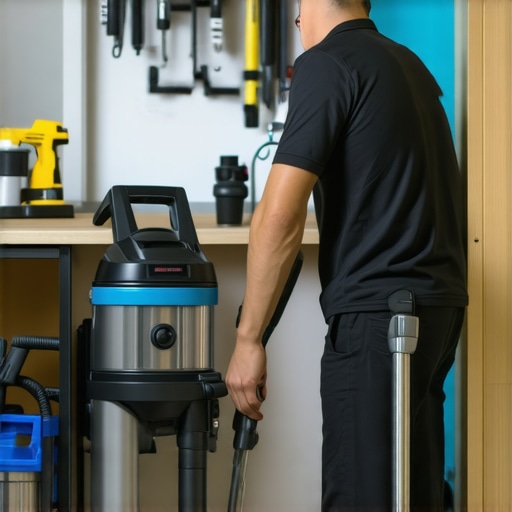
How do I maintain my tools over time?
Regular maintenance of your cleaning equipment is crucial for ensuring they perform effectively over the years. I recommend cleaning filters and vacuum brushes monthly, replacing filters annually, and descaling steamers as indicated in the manufacturer’s instructions. Proper storage in a dry, organized space prevents damage and extends tool life. Additionally, keeping tracking tools like microfiber cloths and scrub brushes clean prevents cross-contamination and maintains their effectiveness. Adopting a routine of inspection and maintenance not only prolongs the lifespan of your tools but also guarantees optimal cleaning results every time. With upcoming advancements in smart home cleaning devices, such as robotic vacuums that can map your home and optimize cleaning paths, the future of home maintenance is becoming more automated and intelligent. Embrace these innovations early to stay ahead in home care. For detailed insights, you might find our article on effective house-cleaning strategies helpful.
Try regularly inspecting and cleaning your vacuum filters this week—it’s a simple step that significantly boosts performance and long-term durability.
Lessons the Deep Clean Tried to Teach Me
One of the most valuable insights came when I realized that rushing through cleaning tasks often leads to missed spots and overlooked germs. Taking the time to systematize my approach, like starting from the top and working down, has revolutionized the cleanliness of my home. Another lightbulb moment was understanding that investing in quality tools—like a reliable vacuum or a steam cleaner—not only saves time but also ensures thorough sanitation, which is essential for long-term health. Finally, I learned that consistency is king; a regular, scheduled cleaning routine prevents grime buildup and keeps my living space healthier and more inviting.
Tools That Transformed My Cleaning Routine
- Dyson V11 Torque Drive Vacuum: Its exceptional suction and allergen removal make it indispensable for maintaining air quality and upholstery freshness. I trust it because of its durability and cutting-edge technology.
- McCulloch MC1275 Steam Cleaner: This multi-purpose steamer disinfects surfaces naturally, reducing chemical use and boosting hygiene. I recommend it based on its versatility and effectiveness.
- Microfiber Cloths: Reusable, absorbent, and gentle on surfaces, they have become my go-to for dusting and wiping. I prefer high-quality ones for their durability and performance.
- Move-Out Cleaning Checklist: A detailed guide that keeps me organized and ensures no corner is overlooked. I value its comprehensive nature and clear steps, which simplify even stressful moves.
Your Turn to Elevate House Care
Remember, a clean home isn’t just about appearances—it’s about creating a safe, healthy sanctuary. Embrace the lessons learned, equip yourself with trusted tools, and develop a routine that works for your lifestyle. Small, consistent efforts pay off big in the future of your living environment. When was the last time you evaluated your cleaning habits and tools? Now might be the perfect moment to start your next upgrade or routine adjustment. Share your experience below—I’d love to hear what works for you and what you’re excited to try next!