
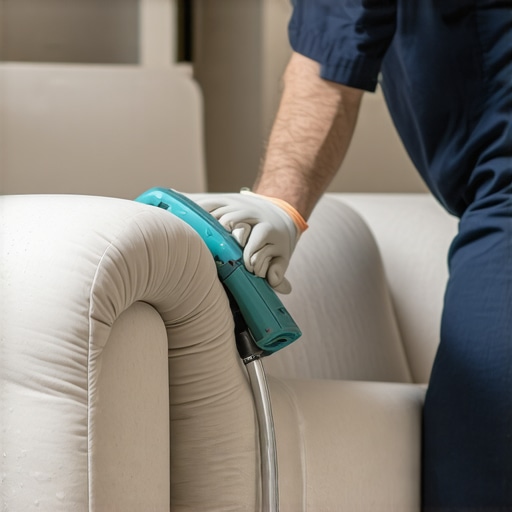
It was late one Saturday afternoon when I realized my favorite velvet sofa had acquired a suspicious stain—probably from my overenthusiastic attempt at last-minute movie snacks. Frustration bubbled up as I stared at the stubborn mark, unsure whether to grab my trustiest steam cleaner or call in the pros. That’s when I had a lightbulb moment: some fabrics don’t respond well to conventional cleaning methods — and rushing in can sometimes cause more harm than good.
Why Rushing to Clean Can Backfire
When it comes to delicate upholstery, I’ve learned that not all cleaning methods are created equal. In fact, using the wrong approach can lead to discoloration, fabric damage, or even lingering odors that refuse to go away. Early on, I made the mistake of assuming that steam cleaning was the universal solution—until I noticed my once plush sofa looked worse after several attempts. This taught me the importance of understanding the specific needs of different fabrics and the advantages of professional, often dry, cleaning methods.
Have You Ever Faced a Cleaning Dilemma and Wished for a Smarter Solution?
If you’ve ever stared at a stubborn stain on your favorite upholstery, wondering whether to keep scrubbing or call in the experts, you’re definitely not alone. I found that knowing when to opt for dry cleaning can save your furniture—and your sanity.
Interestingly, some fabrics, like silk and velvet, are actually better off with dry cleaning. According to industry experts, improper cleaning can weaken fibers or cause shrinkage. For example, a professional dry cleaning process can remove dirt and oils gently, maintaining the fabric’s integrity longer than water-based methods. This insight, backed by cleaning specialists, was a real eye-opener for me and changed how I approached delicate upholstery care.
In the next sections, I’ll guide you through how to recognize when dry cleaning is the best choice and share my personal tips for keeping your delicate furniture looking its best without the risks involved with do-it-yourself cleaning mistakes. Ready to protect your upholstery and get rid of those stubborn spots? Let’s dive into the secrets of effective cleaning strategies that truly work.
Identify the Fabric Type Bright and Early
Before diving into cleaning, inspect your upholstery for tags or fabric clues. I once tried to clean my velvet sofa with water-based solutions, only to notice color fading. Recognizing that velvets and silks require dry cleaning helps prevent costly mistakes. Use a small, hidden area to test cleaning methods, mimicking a cautious chef tasting a new recipe before serving the entire dish.
Choose the Right Cleaning Method and Tools
Dry Cleaning Works Wonders for Delicates
For fabrics like silk or velvet, opt for professional dry cleaning. When I faced a stubborn stain on my velvets, I hired a pro and was amazed at the gentle yet effective results. Remember, dry cleaning isn’t just for clothes; it preserves delicate upholstery and extends furniture lifespan. Investing in a good-quality dry cleaning kit or professional service saves you from damaging your sofa with improper water use.
Use Gentle Vacuum Techniques First
Before any liquid or dry cleaning, remove loose dust and dirt with a soft brush attachment. I once used a regular vacuum on my microfiber couch, scattering debris into the fibers. Switching to a gentle, slow pass with an upholstery brush avoided unnecessary wear and kept the fabric fluffy. Think of vacuuming as agitating soil out of a carpet; it prepares the surface for deeper cleaning.
Apply Cleaning Solutions with Precision
Properly Dilute Your Cleaners
Always dilute cleaning agents according to instructions. I learned this the hard way when I used a concentrated solution on my microfiber, leaving behind sticky residues. Use distilled water where possible to prevent mineral deposits, especially in hard water areas. Mix solutions in a spray bottle, enabling even application and reducing waste.
Target Stains Like a Detective
Treat spots individually—blot, don’t rub. Once, I tried scrubbing a wine stain and only spread it further. Using a clean, white cloth to blot from outside-in prevents spreading. For stubborn spots, apply a small amount of diluted cleaner and let it sit for a few minutes before blotting again. This approach mimics a detective patiently gathering clues rather than rushing in blindly.
Master the Art of Drying Without Damage
Air circulation is key. I once left a cleaned velvet sofa to dry in a damp room, resulting in mold. To prevent this, open windows or use a fan on a low setting—never high. Direct sunlight can fade fabrics, so position furniture accordingly. Think of drying as giving your fabric a gentle breath of fresh air, not a harsh blow from a hairdryer.
Regular Maintenance Safeguards Your Investment
Schedule routine appointments with upholstery experts or set reminders for DIY touch-ups. I found that monthly gentle vacuuming and prompt stain treatments keep my furniture looking new longer. Think of it as skincare for your sofa—consistent care prevents problems from escalating, saving you time and money.
Use Protective Measures for Longevity
Consider applying fabric protectors specifically designed for your upholstery type. I used a protective spray on my velvet sofa, which repelled spills effectively. Be cautious—test on a hidden spot first to ensure compatibility. Regular application acts like armor, defending your furniture against everyday mishaps.
Integrate These Techniques Into Routine Cleaning
Incorporate fabric-specific methods into your weekly or monthly cleaning routines. Combining gentle vacuuming, spot treatment, and proper drying creates a comprehensive defense. Remember, patience and precision are your allies—rushing can undo all your efforts and damage delicate fibers. Get into the habit of assessing each piece’s needs, much like a chef tasting and adjusting spices during cooking.
Many homeowners fall for myths that can cause more harm than good when it comes to upholstery and house cleaning. One widespread misconception is the belief that harsh chemical cleaners are always the most effective. In reality, using overly aggressive products can weaken fabric fibers, especially in delicate materials like silk or velvet, leading to faster deterioration. For such fabrics, professional dry cleaning is often the gentler and more effective solution. Relying solely on bleach or abrasive cleaners is a mistake that can lead to discoloration and fabric damage. Expert advice emphasizes selecting cleaning methods suited specifically to your furniture’s fabric type, avoiding one-size-fits-all solutions.
How Do You Know if You’re Just Masking Dirt or Truly Cleaning?
It’s tempting to think that a quick spray of disinfectant and a wipe is enough to sanitize your entire home. However, many people overlook the importance of deep cleaning techniques that remove embedded dirt and bacteria from fibers. For example, a study published by the Institute of Inspection Cleaning and Restoration Certification (IICRC) highlights that superficial cleaning often leaves behind microbes and dirt settled deep within upholstery’s porous surfaces. This is why combining proper vacuuming, targeted treatments, and professional-grade sanitizing methods results in a healthier environment. Skipping these steps can give a false sense of cleanliness, while germs and allergens persist unnoticed.
Beyond Surface Scrubbing: What’s the Hidden Trap in Move-Out Cleaning?
One trap I’ve repeatedly seen is the tendency to focus on visible grime, neglecting hidden spots where dirt accumulates. Many assume a good mop and vacuum are enough, but unseen areas like behind appliances, inside vents, or beneath furniture can harbor bacteria and lead to deposit buildup. For move-out cleaning, this oversight can threaten your deposit return. According to move-out cleaning strategies detailed on [this guide](https://spotlesscarpetz.com/move-out-cleaning-strategies-to-secure-your-deposit), paying attention to these sneaky spots makes a significant difference. Rushing through the process might save time but can backfire by leaving your space underwhelming and unprepared for inspection. Always take the time to thoroughly address those overlooked areas, and consider professional help for a comprehensive clean.
Remember, understanding these nuanced truths can save your furniture and deposit. Don’t let misconceptions lead you astray—get informed, choose the right methods, and always tailor your approach to the specific fabric and situation. Have you ever fallen into this trap? Let me know in the comments!
Invest in Quality Equipment for Consistent Results
When it comes to maintaining your home’s cleanliness and upholstery, having the right tools makes all the difference. I personally rely on a high-quality upholstery steamer—my go-to is the Dupray One Plus—that combines powerful steam output with adjustable settings. This device allows me to gently clean delicate fabrics like velvet without risking damage, and it cuts through embedded dirt effectively. A reliable steam cleaner saves time and ensures thorough sanitization, especially for move-out cleaning where every surface counts.
Use Commercial-Grade Cleaning Products Wisely
While DIY solutions are tempting, I’ve found that investing in professional-grade cleaners specifically formulated for upholstery and surfaces gives better, long-term results. For example, I use a neutral pH fabric spray from industry experts, which preserves fabric integrity and prevents discoloration. Remember, always test any cleaner on a hidden area before full application to avoid mishaps. Combining these products with advanced tools enhances your cleaning efficiency and helps sustain your furniture and surfaces over years.
Implement Smart Storage and Maintenance Habits
Tools are only effective if well-maintained. I keep my equipment clean and stored in a cool, dry place. Regularly inspecting and replacing filters in my vacuum and steam cleaner prevents buildup and performance drops. Additionally, scheduling monthly maintenance on tools prevents unexpected breakdowns and extends their lifespan. A well-cared-for system not only works effectively but also saves you money in the long run.
How do I keep my cleaning tools functional over time?
Follow manufacturer instructions for maintenance, such as descaling water tanks and replacing worn-out brushes. For example, I make it a habit to descale my steam cleaner with vinegar every few months, following guidance from this article. Keeping tools free from mineral deposits and debris ensures consistent performance and better cleaning results, preserving your furniture and home surfaces effectively.
Plan for Future Scaling and Efficiency
As your cleaning needs grow, so should your toolkit. I recommend investing in modular systems that can be upgraded with attachments, such as upholstery brushes or grout scrapers. This flexibility allows you to handle various tasks efficiently—be it deep-cleaning curtains or tackling stubborn grout. Technologies like cordless steam cleaners are advancing, offering portability without sacrificing power, a trend I believe will become standard in home maintenance. Staying updated with new tools ensures your cleaning stays effective and manageable over the long haul.
Try Advanced Techniques to Elevate Your Cleaning Routine
One effective tip is using a combination of microfiber cloths with a steam cleaner to first loosen dirt and then wipe for a streak-free finish. This method, recommended by cleaning professionals, boosts efficiency while protecting surfaces. For your next cleaning session, consider implementing this layered approach—it’s an excellent way to elevate your routine and prolong the life of your furniture. Explore more effective tactics in this resource. Ready to see a real difference? Grab your latest tool and give this method a try today!
Lessons That Changed My Approach to Upholstery Care
One of the biggest lightbulb moments was realizing that delicate fabrics like velvet and silk demand patience and the right technique. Rushing through cleaning can cause irreversible damage, such as fiber weakening or discoloration. I also learned that pre-treating stains gently and testing cleaning methods in hidden areas save time and money in the long run.
Tools and Tips That Elevated My Cleaning Game
Investing in high-quality equipment like a versatile steam cleaner transformed my routine. Trustworthy brands, such as the Dupray One Plus, deliver powerful steam capable of sanitizing without risking fabric harm. Combining this with professional-grade cleaners and strategic vacuuming ensures a pristine finish that DIY solutions often can’t match.
Uncovering the Myth Traps and Hidden Pitfalls
Many believe that water-based cleaning is always safe, but I found out that some fabrics truly thrive with dry cleaning. Using the wrong method on sensitive textiles can lead to spot setting or fiber damage. Additionally, overlook areas like behind furniture or under cushions can harbor unseen dirt and bacteria, undermining your efforts.
The Hardest Lesson I Learned About upholstery,house cleaning,sanitizing,move-out clean
- Don’t assume all fabrics respond similarly: Knowing fabric-specific requirements prevents costly mistakes.
- Patience beats rushing: Slow, deliberate cleaning preserves fabric integrity and prolongs furniture life.
- Professional help has value: Sometimes, risking DIY can cause more harm than good—trust the pros when in doubt.
- Routine maintenance is key: Regular vacuuming and spot treatments keep cleaning manageable and extend furniture lifespan.
Where to Go from Here
For those ready to elevate their upholstery cleaning, I recommend exploring reliable tools like a top-tier upholstery steamer, checking out insightful resources such as professional cleaning tips, and considering scheduling periodic professional cleanings. A well-informed approach ensures your furniture remains inviting and well-preserved for years to come.
Your Turn to Try
Now that you’ve uncovered my personal insights and learned from my missteps, it’s your moment to apply these strategies. Remember, the key to lasting upholstery freshness lies in patience, proper tools, and knowing your fabrics. Don’t shy away from consulting experts when needed—your furniture will thank you!
Have you ever fallen into the trap of using the wrong cleaning method on delicate fabrics? Share your experiences below and let’s learn from each other’s mistakes!