
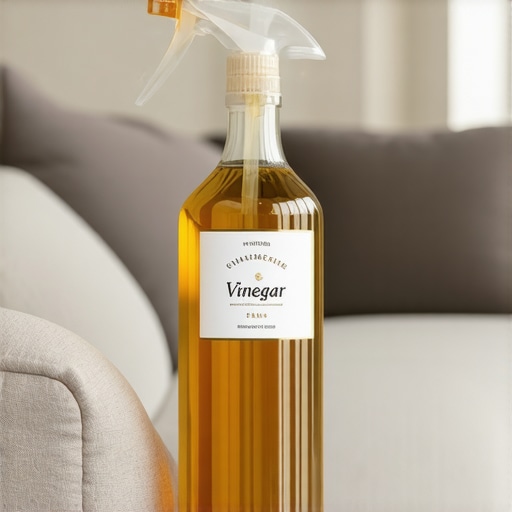
I remember the moment clearly: I was mid-cleaning, promising myself this would be the last deep scrub before guests arrived. But as I sprayed that homemade vinegar solution onto my sofa, I noticed something odd. The vibrant fabric, which once felt plush and looked pristine, suddenly felt rough and dull. My heart sank—had I just ruined my favorite piece of furniture?
The Hidden Danger of Common Household Hacks
It turns out, many of us swear by natural remedies like vinegar for cleaning, believing they’re safe and effective. But what if I told you that this seemingly innocent trick could actually be damaging your upholstery’s protective coating? And that this damage isn’t always visible until it’s too late? That realization hit me hard, especially after I learned that certain cleaning methods can strip away the surface sealant, leaving your furniture vulnerable to stains, tears, and even rapid wear. According to experts, overusing acidic substances like vinegar on delicate fabrics can weaken their fibers and compromise the finish, diminishing their lifespan.
Have You Faced This Problem Before?
If you’ve ever used vinegar or other DIY solutions and noticed your upholstery looking worse afterward, you’re not alone. Many homeowners inadvertently cause more harm than good by applying homemade remedies without fully understanding their impact. Early in my cleaning journey, I made the mistake of blindly following internet advice without researching upholstery-specific care. That misstep taught me a valuable lesson: not all hacks are created equal, and some can lead to costly damage.
Why This Matters Right Now
With move-out cleaning and home refreshings on the rise, knowing what to avoid is more crucial than ever. Your furniture isn’t just about aesthetics; it’s an investment. Proper maintenance preserves its appearance and prolongs its life—saving you money in the long run. If you’re like me, you want effective cleaning without the risk of accidentally destroying your upholstery’s protective coat. So, in the following sections, I’ll share insider tips based on personal experiences and trusted advice, helping you make informed choices. Are you ready to learn how to clean smartly and protect your furniture? Let’s dive into what actually helps and what to steer clear of.
Assess Your Furniture Before Starting
Start by inspecting your sofa or chair for any stains, tears, or specialized finishes. Check manufacturer labels or care tags to determine fabric type and recommended cleaning methods. Remember, not all fabrics respond well to water or chemical treatments, so understanding your material is crucial. I once faced a spill on my velvet sofa and realized that using water could cause watermarks or damage the delicate fibers. Doing a spot test in an inconspicuous area saved me from a costly mistake.
Choose the Right Cleaning Tools and Solutions
Invest in a vacuum with an upholstery attachment to remove loose dust and debris. For deep cleaning, opt for gentle, fabric-specific cleaning agents—preferably those recommended by the manufacturer. Avoid acidic substances like vinegar unless you’re certain of their safety for your fabric. Instead, opt for pH-neutral cleaners or those labeled safe for your furniture type. I learned this the hard way when I used an all-purpose cleaner that left my microfiber couch sticky and stiff. For more expert-recommended cleaning solutions, check Effective House Cleaning Secrets.
Be cautious with DIY hacks
Many DIY remedies, like vinegar or baking soda, can do more harm than good. Vinegar’s acidity can strip protective coatings from fabrics, leading to rapid wear. Baking soda might mask odors but can also cause discoloration or clog internal fibers. Instead, use warm water mixed with a few drops of mild dish soap or specialized upholstery cleaners. In my experience, sticking to manufacturer-approved products provides the best safety margin.
Execute a Gentle Cleaning Technique
Apply cleaning solutions using a soft cloth or sponge, avoiding excessive scrubbing. For stubborn stains like wine or ink, use specific treatment methods: for example, blotting red wine with a clean cloth, then applying a mixture of warm water and a tiny amount of dish soap. I once tried rubbing alcohol on a stubborn ink stain; it worked, but I had to act quickly to prevent fabric damage. Always read product labels carefully and follow the instructions precisely. To deepen your cleaning skills, visit Upholstery Cleaning Tips.
Rinse and Dry Properly
Remove soap residues with a damp cloth—never soak the fabric. Excess water can cause swelling or mold growth, particularly in foam cushions. After cleaning, allow the furniture to dry thoroughly—preferably with proper airflow or a hairdryer on a cool setting. I once left my sofa to air dry overnight, only to wake to a damp, musty smell! Proper drying prevents mold and maintains fabric freshness. For insights on sanitizing and maintaining your furniture, explore Sanitizing Hacks.
Protect and Maintain Your Furniture
Once cleaned, consider applying a fabric protector spray to repel future stains and spills. Regular vacuuming and prompt stain treatment extend the life of your upholstery. Keep in mind that move-out cleaning requires additional precautions; check Move-Out Strategies for specific tips. Remember, understanding your fabric type, using appropriate products, and gentle techniques are your best allies in preserving furniture quality and appearance.Many homeowners operate under the misconception that all cleaning methods are equally safe and effective, especially when it comes to upholstery. A prevalent myth is that using natural substances like vinegar or baking soda is universally beneficial; however, these can actually cause long-term damage, such as weakening fabric fibers or stripping protective coatings. Contrary to popular belief, over-relying on DIY remedies without understanding fabric properties can lead to accelerated wear or permanent discoloration. For example, vinegar’s acidity can erode delicate finishes on fabrics like velvet or microfiber, a mistake I initially made before discovering expert insights on proper cleaning techniques.
Is Your Cleaning Routine Jeopardizing Your Furniture’s Longevity?
Recent studies highlight that improper cleaning not only diminishes aesthetic appeal but also shortens furniture lifespan. For instance, using harsh chemicals or excessive moisture encourages mold growth and fiber degradation, especially in thick cushioning. An advanced mistake is neglecting to check manufacturer labels or fabric care tags; skipping this step can result in applying incompatible cleaning agents. This oversight is common, but understanding fabric-specific needs is crucial to avoid costly repairs. Deliberately or inadvertently, many people ignore this nuance, leading to repairs that could have been prevented. To deepen your understanding, I recommend exploring expert advice on effective upholstery cleaning tips. Additionally, misapplying sanitizing techniques, such as using sprays designed for hard surfaces on fabrics, can cause fiber damage or residue buildup, compromising both appearance and hygiene. The key lies in differentiating between cleaning, sanitizing, and disinfecting—each requiring specific products and methods. Mistakes in this area are common but avoidable with proper knowledge. Always opt for fabric-safe disinfectants and follow precise instructions, avoiding generic sprays that may contain alcohol or other harsh chemicals not formulated for textiles. Regular maintenance, including spot cleaning and timely stain treatment, prevents dirt from embedding into fibers, thus preserving furniture integrity over time. Remember, the goal isn’t just cleanliness but also longevity. Think of your upholstery as an investment—you’ll want to protect it with carefully chosen products and techniques. For insights on maintaining your furniture in top shape, visit house cleaning secrets from professionals. Have you ever fallen into this trap? Let me know in the comments.
Keep Your Equipment in Top Shape for Long-Term Results
Investing in the right tools is essential for maintaining upholstery and achieving professional-level cleaning at home. I personally swear by a high-quality handheld steam cleaner because it combines versatility with gentle yet effective cleaning. For example, I use the micro-steam device to treat delicate fabrics without risking damage, especially when dealing with sensitive fibers like organic cotton or recycled denim. Regular maintenance of your steamer, including descaling and filter cleaning, ensures consistent performance and extends its lifespan, saving you money over time.
Additionally, a microfiber upholstery brush attachment is invaluable. It traps dust and debris efficiently without scratching surfaces. I prefer brushes with adjustable stiffness so I can switch between gentle dusting and more rigorous scrubbing depending on the fabric. This prevents fiber damage while improving cleaning quality, as discussed in expert guides like effective house cleaning secrets.
What Are the Best Tools to Keep Your House Clean and Upholstery Fresh?
Beyond handheld devices, an HEPA-filter vacuum is a must-have for long-term upkeep. The HEPA filter traps microscopic allergens and dust particles, reducing potential fabric discoloration and odors that can develop over time. I swap out the filter regularly—every 3-6 months—to maintain optimal suction and air quality. For hard-to-reach corners, I use a flexible crevice tool that bends and adapts, ensuring no dust or lint is left behind.
Another game-changer is fabric protector spray, which creates an invisible barrier defending against spills and stains. After cleaning, I apply it lightly to my upholstery following manufacturer instructions, which helps preserve the fabric’s integrity and appearance for years to come. Proper application and reapplication at regular intervals keep the protective layer effective, aligning with expert advice on furniture longevity.
Future Trends in Upholstery Care and House Cleaning
Looking ahead, I believe automated cleaning tools equipped with AI sensors will revolutionize how we maintain our homes. These gadgets will be able to detect dirt and fabric damage proactively, prompting us to take action before problems escalate. The integration of smart technology with eco-friendly cleaning solutions promises safer, more effective maintenance routines, making long-term care more effortless and less invasive.
How do I keep my cleaning tools functioning effectively over time?
Consistent maintenance is key. Regularly cleaning filters, descaling steamers, and inspecting attachments prevent buildup and ensure peak performance. For example, after each use, I rinse my steam cleaner’s water tank thoroughly and wipe down the attachments. This practice prevents mold and mineral deposits that could impair functionality. Also, storing tools in a dry, dust-free environment prolongs their lifespan. Staying on top of these habits is simple yet crucial for sustained results unlike neglecting routine care, which can lead to costly repairs or replacements. For advanced cleaning tips, visit uand professional cleaning strategies.
For those looking to elevate their maintenance game, I highly recommend trying my favorite deep-cleaning method: using a microfiber attachment combined with a high-powered steam cleaner to target stubborn stains and sanitize fabric fibers thoroughly. This approach not only restores the fabric’s appearance but also extends its lifespan significantly. Remember, investing in quality tools and maintaining them properly ensures your upholstery stays beautiful and durable for years to come.
The Hardest Lesson I Learned About Upholstery and Home Cleaning
One of my biggest mistakes was blindly trusting DIY hacks like vinegar for upholstery cleaning without understanding fabric sensitivities. It cost me dearly, as I ended up damaging my sofa’s delicate surface. This taught me that knowing your fabric and choosing the right cleaning methods is essential for long-term furniture health.
3 Myths About Upholstery and House Cleaning That Held Me Back
I used to believe that natural remedies were always safe, but I realized that acidity levels in substances like vinegar could erode protective coatings. Additionally, I thought scrubbing harder meant cleaner, yet gentle techniques preserve fabric integrity. Busting these myths has transformed my approach to cleaning.
What Experts Won’t Tell You About Upholstery Care and Move-Out Cleaning
Professionals emphasize the importance of fabric-specific cleaning solutions and routine maintenance, yet it’s easy to overlook those details. For example, using a microfiber attachment with a steam cleaner can drastically improve results, but only if used correctly. Educating myself with trusted resources has made a noticeable difference.
My Essential Toolkit for Upholstery and House Maintenance
I rely on a high-quality handheld steam cleaner and HEPA-filter vacuum to keep my furniture in top shape. Additionally, I trust manufacturer-approved fabric protectors for their proven efficacy. These tools have become indispensable, ensuring safe and effective cleaning while extending furniture lifespan.
Where to Go from Here
To deepen your upholstery care skills, I recommend exploring effective cleaning tips from industry experts. Regularly maintaining your tools and staying informed about fabric-specific cleaning techniques will empower you to protect your furniture for years to come.
Your Turn to Elevate Cleanliness and Care
Remember, understanding the nuances of upholstery cleaning can prevent costly damage and prolong your furniture’s life. Are you ready to revisit your cleaning routine and incorporate some of these insights? Share your experiences or questions below—let’s learn together and keep our homes beautifully maintained.