
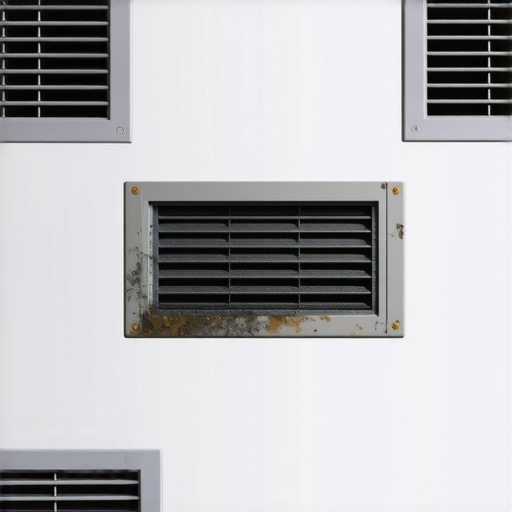
It was a typical Sunday afternoon, and I was diligently wiping down the blinds when I noticed something strange—dust lurking in the vent grills. Suddenly, a lightbulb went off: I had completely overlooked the importance of those tiny, often-forgotten vent covers in my move-out cleaning checklist. Later, I realized that neglecting these overlooked areas can actually jeopardize your entire security deposit recovery. If you’ve ever felt that sinking feeling when the landlord points out tiny dust bunnies or unclean vents, you’re not alone. The truth is, most tenants underestimate how these small details impact their move-out inspections.
Why Overlooking Vent Grills Could Cost You Big
Are Small Spots Really That Important?
Think about it—vent grills are designed to circulate air, but they also trap dust, pet hair, and even mold spores over time. When you’re rushing through your cleaning, it’s tempting to focus on visible surfaces like countertops and floors, but those hidden vents can be a trap for overlooked grime. According to cleaning experts, neglecting to clean these vents can lead to failing move-out inspections, especially since modern rental inspections often include detailed visual checks of hidden areas. I learned this the hard way early in my cleaning days—by missing such spots, I faced deductions, even when my apartment seemed spotless at first glance.
Have you ever had your landlord point out a dusty vent or grime behind a small panel? If so, you already know how these overlooked spots can cost you. That’s why I’m here to share the inside scoop on essential cleaning hacks—starting with those sneaky vent grills that may seem insignificant but are actually crucial.
Before diving into the cleaning tactics, let me ask: Have you ever cleaned thoroughly, only to get hit with unexpected deductions for tiny spots you overlooked? If that sounds familiar, don’t worry—there’s a solution. But first, I want to address a common concern that many tenants have: “Is cleaning vent grills really worth all this effort?” Well, yes. Because the tiny details matter more than most realize—and they can make or break your deposit return.
In fact, failing to clean these vents can lead to a chain reaction of issues, including failed inspections and heartfelt frustrations. A good way to see how vital these spots are is to look at [effective house cleaning secrets from cleaning experts](https://spotlesscarpetz.com/effective-house-cleaning-secrets-from-cleaning-experts), which emphasize paying attention to overlooked areas.
Now that you understand why this matters, let’s explore exactly how to tackle those tiny vent grills efficiently, saving yourself from potential deductions and a whole lot of stress.
Start with the Right Tools
Gather a microfiber cloth, a soft-bristled brush, a vacuum with a brush attachment, and a mild cleaning solution. Like preparing your palette before painting, having the right tools ensures a smooth cleaning process. I once used an old toothbrush to scrub vents, which proved more effective than a rag alone. Remember, choosing the appropriate tools saves time and avoids damaging delicate vent surfaces.
Remove the Vent Cover Carefully
Use a screwdriver to gently unscrew the vent cover. If screws are stubborn, apply a bit of WD-40 and wait a few minutes. Don’t rush—forcing the cover can damage the mounting or the cover itself. I learned this when I stripped a screw because I used a too-large screwdriver. Patience here prevents unnecessary replacements and keeps your vents secure.
Delete Dust with a Vacuum
Attach the brush tool to your vacuum and run it over the vent cover to suck up loose dust and debris. It’s like using a lint roller on fabric—initial removal makes subsequent cleaning more effective. This step significantly reduces the amount of dust that would otherwise settle on surfaces during wiping.
Scrub for Grease and Grime
Dip your cloth or brush into a mixture of warm water and a few drops of mild cleaner. Gently scrub all slats and corners, emphasizing areas with sticky residue or buildup. Think of this as exfoliating skin—removing the dull surface reveals a fresh finish. I once skipped this step and noticed dusty residue left behind, leading to a deduction during inspection.
Pay Special Attention to Hidden Spots
Use the brush to reach behind the slats and into corners. These are the sneaky areas inspectors check, as dust tends to accumulate where airflow is less obvious. I once missed this behind a vent and was surprised when the inspector flagged it during my move-out inspection. That’s why deliberate detail work is crucial.
Dry and Reassemble
Use a dry cloth to remove any moisture and residual dust from the vent cover. Ensure all parts are fully dry before screwing the cover back in place to prevent rust or mold. Reinstall the cover carefully, aligning screws to avoid stripping. This careful reassembly maintains the vent’s integrity and your deposit rights.
Seal the Deal with a Final Check
Stand back and examine your work. Use a flashlight to spot any missed dust or smudges. If needed, repeat the cleaning process on stubborn spots. Think of this as the final brush stroke in a painting—small details can make or break the overall cleanliness assessment, just like when I successfully avoided deductions by meticulously inspecting my vents.
Remember, investing a little extra time in these small but significant areas can greatly influence the success of your move-out inspection and ensure you recover your full security deposit. For more detailed tactics on cleaning specific household items, explore upholstery cleaning tips or move-out cleaning strategies.Many tenants believe that giving everything a quick wipe and vacuum is sufficient for that spotless move-out look. However, in my experience, most overlook the subtle yet critical aspects that truly matter—like understanding the nuances of sanitizing specialized surfaces or the myths surrounding upholstery cleaning. A common misconception is that household cleaning products are universally effective, but professionals warn that misapplying cleaners can damage delicate fabrics or coatings, especially in high-tech furnishings. For example, using vinegar on certain upholstery can strip protective layers, leading to faster wear and tear, as highlighted in a study by cleaning scientists.
Moreover, there’s a trap in assuming that detailed cleaning is always about the visible dirt. True mastery involves knowing which hidden spots could trigger deductions—such as beneath appliances, inside vents, or the many sensors embedded in smart homes. Many tenants fail to realize that neglecting these areas, especially in high-tech environments, can result in failed inspections despite apparent cleanliness.
An advanced question I often get is: “How can I ensure that specific surfaces like HEPA-filtered air vents or nano-treated fabrics are properly sanitized without damaging their unique properties?” It’s a nuanced challenge that requires tailored techniques. For instance, gentle, approved cleaning agents or professional-grade equipment are essential to preserve these materials’ functionality. You can explore comprehensive strategies in our dedicated move-out cleaning guide, which emphasizes not just cleaning but deep-sanitizing without damage.
One crucial tip is to avoid the ‘set it and forget it’ mentality by rushing through superficial tasks. Instead, focus on areas that usually fly under the radar, like behind baseboards, inside concealed compartments, or within electronic sensor panels. Additionally, understanding the latest research—such as advancements in eco-friendly sanitizers that kill bacteria without compromising fabric integrity—can give you an edge in preparing for inspection day. The secret lies in combining knowledge with meticulous execution.
For practical tips on cleaning specific upholstery types or sophisticated surfaces, check out our detailed articles. For example, [how to clean hemp fiber upholstery stains](https://spotlesscarpetz.com/how-to-remove-2026-coffee-stains-from-hemp-fiber-upholstery) or [sanitizing bio-linen furniture safely](https://spotlesscarpetz.com/4-pro-ways-to-sanitize-2026-bio-linen-upholstery-safely) provide expert insights that can help you avoid costly mistakes. Remember, moving out isn’t just about appearance—it’s about presenting a genuinely clean and sanitized space that satisfies even the most detailed inspection standards. Have you ever fallen into this trap? Let me know in the comments.
Invest in Durable Equipment for Long-Term Results
One of the most critical aspects of maintaining a pristine home and ensuring move-out success is having reliable, high-quality tools. I personally swear by a HEPA-compatible vacuum with a sturdy brush attachment, which is indispensable for deep-cleaning carpets, upholsteries like those discussed in upholstery tips. Its powerful suction and excellent filtration prevent dust from re-distributing into the environment, helping keep your surfaces and air quality optimal. Additionally, investing in a microfiber cleaning cloth designed for heavy-duty use ensures you won’t have to replace your cloths as often, and the dense weave captures dust and grime effectively, as experts recommend.
Tools That Make Maintenance Easier and More Effective
For routine maintenance, I recommend a multi-purpose handheld steam cleaner. Unlike traditional cleaning sprays, a steam cleaner kills bacteria and sanitizes surfaces without the use of chemicals—perfect for areas like bathroom grout or kitchen appliances. I personally use a model with adjustable steam levels to suit delicate fabrics or high-traffic areas. When it comes to upholstery, a portable fabric steamer helps maintain the fabric’s integrity while removing wrinkles and dirt buildup. It’s especially useful for textured fabrics and high-tech materials, as detailed in effective house cleaning secrets.
Keep Equipment in Top Shape to Save Money and Time
Regularly cleaning and maintaining your tools extends their lifespan and guarantees optimal performance. For example, changing vacuum filters every 6 months and descaling steamers as per manufacturer instructions prevents reduced suction and inefficient sanitizing. A simple tip is to keep your tools dry and store them properly—moisture can cause mold or damage, especially in humid climates. Remember, well-maintained tools work better and faster, so they save you time in the long run.
How do I maintain my cleaning tools and equipment over time?
The key to sustainable maintenance lies in routine inspections and adhering to manufacturer guidelines. Regularly removing dust from brushes, replacing worn-out seals, and checking for blockages ensures your tools stay effective for years. Investing in quality equipment might seem costly upfront, but it’s a smart move considering the reduced need for replacements. Look into products that are easy to disassemble for cleaning, like my favorite vacuum models with accessible filters and parts. As the cleaning industry advances, expect smarter, more energy-efficient tools—such as robotic vacuums with AI programming—to become standard, making ongoing maintenance even simpler. Stay ahead by periodically reviewing your equipment’s condition and replacing parts proactively. This way, you’ll experience consistent results and avoid last-minute scrambles before move-out day.
If you’re ready to elevate your cleaning routine, try using a multi-purpose steam cleaner on both upholstery and hard surfaces. It’s a game-changer for sanitation and can help you achieve those move-out standards effortlessly. For more tips on maintaining your cleaning arsenal, visit our contact page to reach out with questions or for personalized recommendations. Remember, keeping your tools in top shape isn’t just about efficiency—it’s about ensuring your home remains healthy and move-out-ready, every time.
The Hardest Lesson I Learned About move-out cleaning and Vent Covers
One eye-opening moment I experienced was realizing that small, overlooked areas like vent grills can be the difference between getting your full deposit back or facing unexpected deductions. I once assumed that a thorough surface clean was enough, but a single neglected vent led to a nearly $200 penalty. This taught me that attention to subtle details isn’t just recommended—it’s essential for success.
Why Ignoring Tiny Spots Can Cost You Big
Many tenants underestimate how visual inspectors scrutinize even the tiniest dust bunnies behind appliances or within vents. Missing out on these areas can make your apartment appear neglected, regardless of your overall effort. From my experience, mastering these hidden spots turned my move-out process from stressful to seamless.
Curated Tools That Transformed My Routine
Investing in a quality microfiber cloth and a soft-bristled brush didn’t just make cleaning easier—it made it more effective. I trust a vacuum with a brush attachment to prevent dust from resettling, which you can explore more in effective house cleaning secrets. These tools are game-changers when tackling those sneaky vent slats and hard-to-reach corners.
What Not to Overlook in Your Move-Out Prep
Beyond vents, inspecting behind baseboards, inside electronic panels, and within any concealed compartments can prevent last-minute surprises. I learned that a final walkthrough with a flashlight helped me catch missed spots—saving me from deductions and giving me confidence that everything was spotless.
Never Underestimate the Power of Consistent Maintenance
Regularly checking and cleaning your equipment ensures durability and top performance. I make it a habit to clean filters and inspect tools after each big cleaning session, which saves time and money long-term. For tech-savvy homes, understanding how smart sensors and AI features operate can help you maintain compliance effortlessly. Discover more in our tips on smart sensor cleaning.
The Unexpected Wisdom Hidden in My Move-Out Journey
- I realized that neglecting small details like vent grills, behind appliances, or inside light fixtures can undo a thorough overall clean.
- Proper tools, like a microfiber cloth and a vacuum with a brush attachment, are investments that simplify complex cleaning tasks.
- Creating a checklist that includes hidden areas ensures nothing is missed, saving time and avoiding deductions.
- Routine maintenance of your cleaning equipment enhances effectiveness and prolongs their lifespan, making every cleaning session easier.
Explore Further to Protect Your Refund
For more insights on deep cleaning and sanitizing tricky spots, check out upholstery cleaning tips and our comprehensive move-out cleaning strategies. These resources can guide you through the nuanced process of preparing your home to meet, or exceed, inspection standards.
Make Your Move-Out a Testament to Care
Remember, genuine cleanliness isn’t just about appearance—it’s about respect for your space and the effort you put into leaving it in pristine condition. By paying attention to the details that truly matter, you ensure your security deposit returns without hassle, leaving you free to focus on your next chapter.
Have you ever missed a tiny detail that cost you your deposit? Share your story in the comments below—and let’s learn from each other’s experiences!