
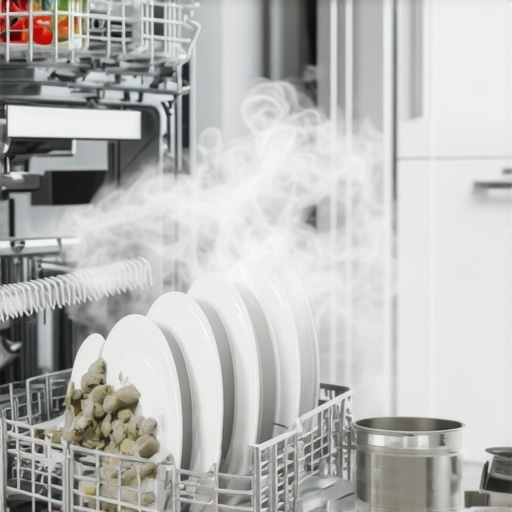
I remember the moment clearly: I had just finished a long day, eagerly loading my dishwasher, only to be greeted by that stubborn, funk-infused smell of yesterday’s leftovers. No matter how many cycles I ran, that nauseating odor lingered as if my dishwasher was a stubborn guest who refused to leave. Frustration bubbled up—was I doing something wrong? Turns out, I wasn’t alone. Many homeowners face this perplexing issue, and it’s more common than you might think.
Who Else Has Had This Disgusting Surprise?
The truth is, that foul smell isn’t just embarrassing; it can also harbor bacteria and mold, impacting your home’s hygiene. If you’ve ever wondered why your spotless dishes still come out with a hint of yesterday’s dinner, you’re not imagining things. That lingering odor is often a sign that your dishwasher’s interior isn’t being sanitized properly or that there’s hidden debris stubbornly clinging to its parts.
Is It Really Worth the Effort? Here’s Why It Matters
Some might brush off this problem as minor. But think about it: your dishwasher is one of the most-used appliances in your home, handling your family’s dishes, utensils, and even baby bottles. If it’s harboring germs, you’re indirectly putting your loved ones at risk. Plus, a smelly dishwasher can make your entire kitchen smell unpleasant, especially after a cycle. Early mistakes, like neglecting to clean the filter or ignoring the rubber seals, often exacerbate the problem. I learned this the hard way—trust me, skipping regular maintenance only feeds the foul aroma.
For more comprehensive cleaning strategies, you might want to explore [effective sanitizing methods](https://spotlesscarpetz.com/effective-sanitizing-methods-for-a-germ-free-home) that go beyond just running empty cycles. Now, let’s dive into the step-by-step process that finally banished the smell for good—and kept it that way.
Start With a Vinegar and Baking Soda Cure
Pour a cup of white vinegar into an empty dishwasher and run a hot cycle. As the vinegar circulates, it breaks down grease and dissolves buildup like a solvent, much like cleaning a greasy stovetop with a strong degreaser. Afterward, sprinkle a cup of baking soda across the bottom and run a short hot cycle. The baking soda neutralizes persistent odors, acting like a freshening powder for your appliance. I recently did this after noticing a foul smell lingering despite regular cleaning, and within minutes, the odor was replaced with a clean scent. This simple yet potent combo is your first line of attack.
Clean the Filter and Sprayer Arms Always
Remove the filter and sprayer arms, and scrub off any debris or mineral deposits with a toothbrush soaked in hot soapy water. Think of these parts as your dishwasher’s lungs; when blocked, it can’t breathe freely, trapping odors inside. Rinsing and clearing out these crucial components prevents mold and bacteria buildup. During my last deep clean, I discovered trapped food particles in the filter—which, once removed, dramatically improved drainage and odor. Regular maintenance prevents these issues from becoming chronic problems.
Inspect and Wipe Rubber Seals and Door Edges
The rubber seals around the door are like the gaskets on a mailbox—tiny but vital to keeping everything sealed tight. Use a damp cloth soaked in a mixture of equal parts water and vinegar to wipe these surfaces thoroughly. Grime, soap scum, and mold can hide here, causing smells to linger. I once neglected this step and was surprised how much dirt accumulated, creating a foul, musty odor. Keeping seals dry and clean stops bacteria from thriving, ensuring fresh-smelling dishes every time.
Run an Empty Hot Water Cycle with Sanitizer
Finish with a high-temperature cycle using a commercial dishwasher sanitizer or a homemade solution of bleach (only if your manufacturer recommends it). This eradicates hidden germs and mold spores deep inside, like sterilizing a surgical instrument. Be cautious with bleach—overuse can damage rubber parts—and always adhere to the manufacturer’s instructions. After this step, I noticed a marked reduction in persistent odors, and my dishwasher’s interior looked visibly cleaner. This final sanitizing blast seals the cleaning process.
Establish Routine Maintenance Habits
To prevent future smells from sneaking back, incorporate a monthly cleaning routine. Wipe seals weekly, run vinegar cycles bi-weekly, and empty filters regularly. Think of this like brushing your teeth—consistent habits keep problems at bay. During a move, I adopted this schedule and avoided the buildup that had previously caused odors, making my kitchen environment more hygienic and pleasant.
For more detailed tips on keeping your entire home spotless, visit Effective Sanitizing Methods for a Germ-Free Home and Daily House Cleaning Routine to Maintain Perfection. Regularly scheduled deep cleans are the best way to extend the life of your appliances and improve overall household health.
Many assume that a quick wipe or a superficial clean is enough to truly sanitize a home, but in reality, there’s a complex web of nuances that many overlook. For example, common beliefs like vinegar being a universal disinfectant are misleading; recent studies, such as those published in the *Journal of Applied Microbiology*, demonstrate that vinegar alone isn’t sufficient to eliminate certain bacteria and viruses, and relying solely on it can create a false sense of security. Instead, understanding the specific pathogens you’re targeting allows for more effective sanitizing strategies, such as incorporating EPA-approved disinfectants for high-touch surfaces. An often-missed detail is the importance of contact time—many disinfectants require a specific dwell time to be truly effective, and rushing through the process diminishes their power. Skipping this step is a rookie mistake that can leave germs behind, compromising household safety. People also tend to neglect hidden areas like door seals, under appliances, or upholstery crevices, which can harbor stubborn mold, dust mites, and bacteria, undermining overall cleanliness. Regularly cleaning these areas with appropriate methods ensures not just surface freshness but deep-seated hygiene.When it comes to maintaining a truly clean and germ-free home, choosing the right tools and understanding their precise use can make all the difference. Personally, I swear by a **high-quality steam cleaner** for upholstery and carpets, such as the *Bissell SteamShot*, because it effectively sanitizes without harsh chemicals and is versatile enough to handle delicate fabrics. Its variable steam pressure allows me to target stubborn stains and mold-prone areas with precision, ensuring long-term freshness. Additionally, I rely on a **microfiber cloth system**—specifically, *Edgeless Microfiber Towels*—for dusting and wiping surfaces. These cloths trap dust particles better than traditional cotton rags, reducing allergens and contaminants that can contribute to musty odors or mold growth. They also dry surfaces quickly, preventing moisture buildup that fosters mold.
Lessons I Wish I Learned Sooner About Keeping a Germ-Free Home
One of the most valuable realizations from my cleaning routine is that consistency beats intensity. Regular maintenance, like weekly wipe-downs and monthly deep cleans, prevents overwhelming buildup that can lead to stubborn odors. I used to believe that occasional scrubbing was enough, but I found that small, daily habits—such as wiping countertops and cleaning high-touch areas—greatly reduce the need for intensive interventions. Additionally, I learned that every home has its unique challenges and that tailoring my cleaning strategies—like using specific tools for upholstery or focusing on hidden spots like behind appliances—makes a significant difference.
The Right Tools Make All the Difference
Investing in quality cleaning tools, such as microfiber cloths and steam cleaners, transformed my approach. These tools are not just about efficiency; they ensure deep cleaning without harsh chemicals. For example, I rely on a high-quality steam cleaner to eliminate bacteria from upholstery and curtains, ensuring a healthier living environment. I also discovered the importance of choosing eco-friendly disinfectants that are both safe and effective, aligning with my goal for sustainable home hygiene. These tools and products, trusted through personal experience, have empowered me to tackle stubborn odors and dirt effectively.
Don’t Let Tiny Oversights Sabotage Your Efforts
Regularly overlooked areas, like door seals and under appliances, can silently harbor mold, dust, and bacteria. My lightbulb moment was realizing that neglecting these spots was a common mistake that undermined my cleaning efforts. Once I incorporated routine inspections and cleaning of these hidden spaces, the improvement in freshness and hygiene was remarkable. Remember, a clean home isn’t just about visible surfaces; it’s about being proactive in maintaining every corner.
Sharing the Wisdom That Transformed My Home
If you’re looking for detailed strategies, I recommend exploring Effective Sanitizing Methods for a Germ-Free Home. It provides insights beyond basic cleaning, helping you understand microbe eradication at a deeper level. For daily routines that keep odors at bay, Daily House Cleaning Routine for Lasting Freshness has been a game-changer for me. Consistent, informed efforts are the secret to a home that feels welcoming and genuinely hygienic.
Ignite Your Cleaning Confidence and Take Action Today
The journey to a smell-free, sanitized home is ongoing but immensely rewarding. Remember, the habits you build today lay the foundation for a healthier tomorrow. Start small, stay consistent, and prioritize the hidden spots—that’s the secret to long-term freshness. Your home deserves it!
Have you uncovered a cleaning hack that made a big difference in your home? Share your tips below—I love learning from fellow enthusiasts!