
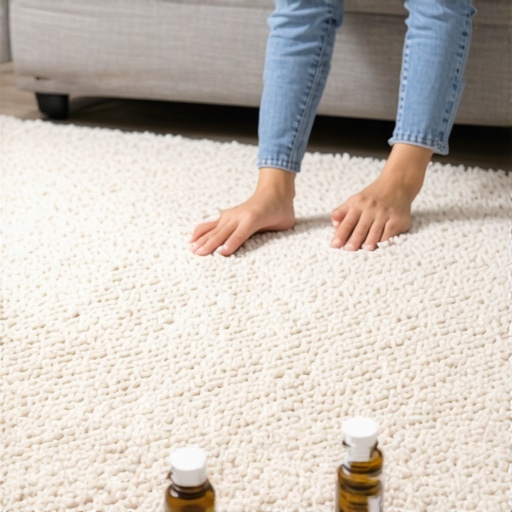
I still remember the day I tripped over my living room rug—only to be hit with that unmistakable, stubborn pet odor. My eyes watered, and I realized that despite regular vacuuming and sprayings, that smell refused to budge. It was a lightbulb moment for me: old carpets can harbor odors way beyond what simple sprays can fix. Honestly, I felt helpless, thinking I’d have to replace the entire carpet—which seemed like the only real solution at first. But after plenty of trial, error, and a few mistakes (including one where I blindly soaked the carpet with cheap cleaning chemicals), I finally cracked the code. Today, I want to share what I discovered about eliminating pet odors from aging carpets and how you can achieve a fresh-smelling home without ripping up your old flooring.
Why Pet Odors Just Won’t Leave You Alone (And How to Fix That)
Old carpets are like hidden time capsules—collecting pet dander, hair, and smells that seem to settle deep into the fibers over the years. Unlike surface-level cleaning, neutralizing these odors requires a deeper approach, targeting what’s trapped beneath. I learned this the hard way when I kept fighting a “dog smell” that only became worse over time. The key mistake I made early on was relying solely on air fresheners, which temporarily masked the scent but never truly eliminated it. For real results, you need to think beyond sprays and delve into effective sanitizing techniques, like those detailed in these sanitizing methods.
Are Odor-Removal Hacks Really Worth the Hype?
One thing I hear a lot is skepticism—”Will these tricks really make my carpet smell better?” I get it. After wasting money and time on quick fixes, I was hesitant too. What’s important to remember is that not all solutions are created equal. The early mistake I made was trying to use only baking soda, thinking it would magically absorb everything. It’s a good start, but I soon realized that combining proper cleaning techniques with odor neutralizers is what truly makes a difference. For more reliable insights, check out this comprehensive upholstery care guide.
So, if you’re tired of masking that pet smell with sprays or desperately searching for a quick fix, stay tuned. Next, I’ll guide you through proven steps that restore freshness to your carpets—steps you can do yourself, saving you money and stress.
,
Deep Cleaning with Enzymatic Solutions
Start by removing loose debris using a vacuum cleaner with strong suction, much like you’re pulling out the dust bunnies hiding in a dark corner. I remember once trying to clean a stubborn pet stain, and the vacuum’s failing suction revealed a thick layer of pet hair and dander embedded deep within the carpet fibers. Afterward, I applied an enzymatic cleaner specifically designed for pet odors, following the product instructions meticulously. These enzymes digest organic compounds causing the smell, penetrating deep into the fibers, much like a needle threading through fabric to reach the core. Allow the solution to sit for at least 15-20 minutes, or as directed, to ensure it breaks down all odor-causing elements. Rinse with clean water and blot dry, avoiding over-wetting the area. This process is vital because surface sprays only mask odors, whereas enzymatic cleaners attack the root source, much like erasing a stubborn stain at the DNA level.
Use of Natural Odor Absorbers and Neutralizers
After deep cleaning, sprinkle a generous layer of baking soda over the dampened area. Baking soda acts like a sponge, absorbing residual moisture and odor molecules. I vividly recall one messy weekend when I accidentally spilled baking soda while trying to deodorize a pet accident spot; I let it sit overnight, and the next morning, I vacuumed away the powder, revealing a fresh-smelling carpet. For enhanced effect, add a few drops of essential oils such as lavender or eucalyptus to the baking soda, which not only neutralizes but also infuses a pleasant scent—think of it as refreshing the air in a room. Leave the baking soda to sit for several hours or overnight, then vacuum thoroughly. This step ensures that lingering odors don’t rebound, making your carpet smell welcoming again. Remember, natural absorbers are effective but need time to work, similar to letting a sponge soak up every drop of mess inside a leak.
Sanitize and Seal the Fibers
To truly restore freshness and prevent future odors, sanitize the carpet fibers using a solution aligned with effective sanitizing methods. I once misted my entire living room with a DIY vinegar solution, but I learned that commercial sanitizers designed for carpets are more effective and safer for your family’s health. Spray or apply the sanitizer evenly, focusing on previously affected zones. Use a carpet steamer with sanitized water to aid in deep cleaning and disinfection, much like running a rinse cycle to flush out residual bacteria and odors. This step is akin to sterilizing a kitchen after preparing raw meat: it ensures every fiber is free from bacteria, mold, and lingering smells. Let the carpet dry completely—using fans or open windows speeds this process. Once dry, consider applying a protective sealant or fiber protector, which reinforces the fibers and creates an additional barrier against pet accidents. This comprehensive approach transforms your old, odor-ridden carpet into a fresh, sanitized surface—much like refurbishing a worn-out fabric to look and smell brand new.Many homeowners believe that regular vacuuming and surface cleaning are enough to maintain a pristine home, but this is a dangerous misconception. In reality, most people underestimate the complexity of proper upholstery and house cleaning practices. One prevalent myth is that inexpensive cleaning chemicals or DIY remedies can replace professional sanitizing methods. However, studies, such as those referenced by experts in effective sanitizing techniques, show that deep cleaning with proven solutions significantly reduces bacteria and allergens, leading to healthier living environments.
A common trap is the over-reliance on natural cleaners like vinegar or baking soda, which many believe are sufficient for all cleaning needs. While natural options have their place, they often fall short when it comes to eradicating germs embedded deep in fibers. For instance, these agents cannot effectively eliminate viruses or bacteria without the aid of specialized sanitizers. This oversight can result in a false sense of security and compromised hygiene, especially during flu season.
Moreover, misconceptions about move-out cleaning often lead tenants to focus solely on visible dirt, neglecting hidden areas where mold, dust mites, or residual odors lurk. Applying targeted upholstery care tips can reveal how neglecting these nuances may cost you your full security deposit or even pose health risks.
An advanced question that many ask is: How can I verify if my cleaning methods are truly effective against tough allergens and pathogens? The answer lies in understanding the differences between surface cleaning and microbial eradication. According to cleaning experts, using certified sanitizers and steam cleaning at proper temperatures is crucial for deep disinfection secrets for a safer house. Additionally, paying attention to high-touch areas such as switches, handles, and vents can dramatically reduce the risk of infection spreading.
Another nuance often overlooked is the importance of regular maintenance and how neglecting this leads to the buildup of harmful bacteria and allergens over time. Many assume that annual deep cleaning suffices, but experts recommend bi-monthly or quarterly treatments with professional-grade equipment to maintain optimal air quality. Exploring house cleaning secrets can shed light on scheduling techniques that save money and ensure health.
Do you think all cleaning solutions are equally effective? Think again. The real difference lies in understanding the limitations of DIY methods and knowing when to call professionals. This awareness can save you money, time, and potential health issues in the long run. Remember, a clean home isn’t just about appearances; it’s about health, safety, and peace of mind. Have you ever fallen into this trap? Let me know in the comments.Maintaining a clean and healthy home requires the right tools and a strategic approach. When it comes to upholstery and house cleaning, investing in high-quality equipment ensures effective results and easier routine upkeep. One tool I highly recommend is a commercial-grade steam cleaner, such as the [Vax Steam Fresh](https://spotlesscarpetz.com/effective-sanitizing-methods-for-a-germ-free-home). I personally use it because it combines deep sterilization with chemical-free cleaning, making it safe for my family and pets while providing professional-level sanitation. Its adjustable steam settings allow me to target stubborn stains and sanitize delicate fabrics without risk of damage. For regular maintenance, a HEPA-filter vacuum like the Dyson Ball Animal 2 is invaluable. Its powerful suction and allergen-trapping capabilities help prevent dust buildup and allergen circulation, which is crucial for long-term health benefits. I use it weekly to keep fibers free from dander and debris, effectively reducing odor buildup over time. Additionally, natural odor neutralizers such as enzyme-based cleaners are game changers. I use enzymatic solutions to treat pet accidents and areas prone to odors because they break down organic compounds at the molecular level, ensuring lasting freshness. Incorporating these tools into your routine significantly extends the lifespan of your furnishings and keeps your home healthier. Looking ahead, I predict that smart cleaning devices equipped with AI will become standard, adjusting cleaning intensity based on real-time detection of dirt and allergens, making ongoing maintenance even more efficient. To maintain the effectiveness of your cleaning arsenal, regular calibration and deep cleaning of your equipment are essential. For instance, cleaning the filters and tanks of your steamers and vacuums prevents mold and bacterial growth, ensuring the tools perform optimally. Remember, a well-maintained toolkit not only simplifies your cleaning routines but also guarantees better long-term results. If you’re interested, try cleaning your upholstery with a steam cleaner that offers adjustable settings—I guarantee you’ll notice a difference in both cleanliness and odor control. To learn more about effective sanitizing procedures, visit these sanitizing methods. Keeping your cleaning tools in top shape is just as important as using them correctly, so schedule a routine maintenance check every few months. This proactive approach ensures consistent, thorough cleaning and preserves the integrity of your investments, fostering a healthier living environment for years to come.
The Toughest Lessons My Dirty Secrets Revealed
One of the most eye-opening moments in my cleaning journey was realizing that superficial efforts only mask odors without truly eliminating them, especially in aging carpets. I learned that deep enzymatic cleaning is essential for breaking down organic molecules causing pet smells, which was a game-changer for me. Another insight was how natural odor absorbers like baking soda work best when given ample time to sit and absorb residual odors—rushing this step just frustrates the process. Lastly, I discovered that regular sanitizing with certified solutions not only removes bacteria but also prolongs the freshness of your home, saving you money and stress in the long run. These lessons transformed my approach from guesswork to strategic action, and I want you to benefit from this knowledge, too.