
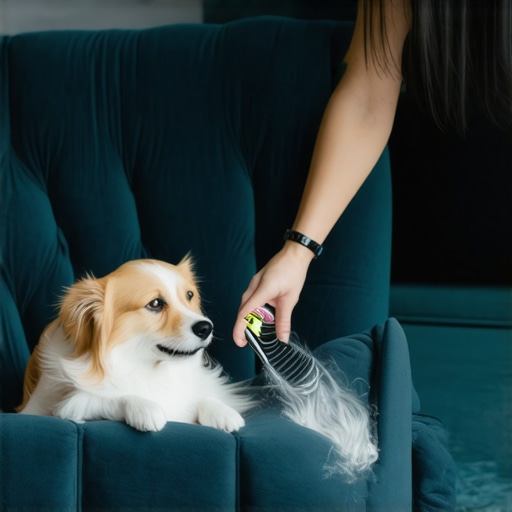
Picture this: I was in the middle of a house cleaning marathon, exhausted but determined to make everything spotless before my weekend guests arrived. As I approached my velvet sofa, I noticed a familiar sight—pet hair everywhere. My heart sank. No matter how much I vacuumed, those stubborn hairs clung to the plush fabric, making my beautiful sofa look neglected. It was a frustrating moment of realization: dealing with pet hair on velvet isn’t just about aesthetics; it’s about reclaiming the comfort and cleanliness of your home. And trust me, I’ve been there too.
Why Pet Hair on Velvet Can Feel Impossible to Banish
Velvet’s soft, luxurious pile is a magnet for pet hair. Its fibers trap fur easily, and traditional vacuuming often isn’t enough. I used to think that a quick sweep would do the trick, only to find fuzzy patches and stray hairs the next day. It’s enough to make anyone throw in the towel—or worse, resort to harsh chemicals that might damage your precious fabric. But, here’s the good news: with targeted techniques and patience, you can keep your velvet furniture looking pristine. Today, I’ll share insider tips from my personal experience and trusted sources to help you conquer pet hair once and for all.
Is Spending Hours Vacuuming Actually Worth It?
Early on, I made the mistake of over-relying on my vacuum cleaner and ignoring supplementary methods. The result? Persistent fur and a sinking sense of defeat. That’s when I discovered that combining different approaches—not just brute force—makes all the difference. For example, using a damp rubber glove or a fabric softener spray can significantly loosen fur from velvet fibers. According to professional upholstery cleaners, understanding your fabric and leveraging the right tools can cut cleaning time in half and improve results. Curious about how to streamline your pet hair battles? Keep reading. Your velvet furniture will thank you.
Start with a Dry Brush for Initial Lifts
Recall the time I tackled my velvet sofa after a week of caring for my energetic pup. I first used a pet hair removal brush designed with stiff bristles to dislodge the hair embedded deep in the fibers. Similar to untangling a knot, gently brushed in one direction, working from the top down, loosened a significant amount of fur. Doing this preps the fabric for more effective cleaning and reduces the load on your vacuum. For best results, choose a brush with rubber bristles that conform to velvet’s texture.
Use a Damp Rubber Glove for Sticky Fur
Once I loosened the fur with the brush, I donned a dampened rubber glove—ideally, one you keep dedicated for cleaning. Running your gloved hand over the velvet surface caused the fur to cling to the rubber due to static and surface tension. Think of it as attracting lint with a static-charged balloon. Employ sweeping motions to gather fur into clumps, then peel them off to dispose of easily. This quick step can remove stubborn, hidden hairs that vacuum struggles to lift, especially on deep pile velvet.
Employ a Lint Roller or Tape for Final Touches
With most of the fur loosened and collected, I moved on to a lint roller. Rolling it over the fabric’s surface picks up remaining hairs, leaving a fresh, fuzz-free finish. For tight corners or delicate edges, wrapping masking tape around your fingers with the sticky side facing out works wonders. This meticulous approach ensures no stray pet hairs mar the appearance of your velvet furniture, which is especially satisfying after a messy pet hair battle.
Deepen Cleaning with a Fabric Softener Spray
After removing the visible fur, I lightly sprayed the velvet with a mixture of fabric softener diluted with water—about one part softener to three parts water—transferred into a spray bottle. This going-over helps neutralize static electricity that causes fur to cling. It also conditions the fibers, making future pet hair removal simpler. Follow up with a clean, dry microfiber cloth to buff the fabric, restoring its luxurious sheen. This technique, detailed in our Ultimate Upholstery Care Guide, is a game-changer for pet owners seeking hassle-free maintenance.
Maintain Consistency and Preventative Measures
Remember, regular brushing of your pet helps minimize loose hair, reducing the workload on your furniture cleaning routines. Additionally, placing washable slipcovers or throws over velvet cushions can shield against fur buildup. When performing a move-out clean or preparing your space for guests, adopting these steps consistently not only saves time but also preserves your velvet’s plush appeal. For those planning a thorough house refresh, this approach complements larger efforts like our move-out cleaning strategies outlined in our resources.
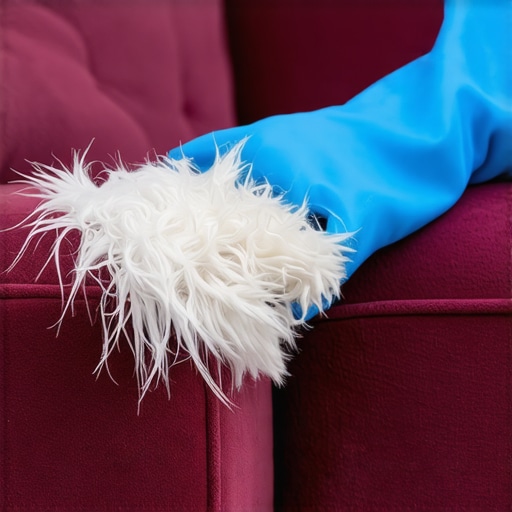 Many homeowners believe that heavy-duty chemical cleaners and brute-force scrubbing are the ultimate solutions for upholstery and move-out cleaning, but this often leads to overlooked nuances and misconceptions. For instance, a widespread myth suggests that vacuuming alone is sufficient for pet hair removal on velvet furniture; however, advanced techniques like using a damp rubber glove can drastically improve results, as emphasized in our Upholstery Cleaning Tips.
An often-ignored detail is static electricity’s role in pet hair adhesion. Many believe vacuuming neutralizes static, but integrating fabric softener sprays can prevent fur from clinging in the first place, a nuance backed by cleaning expert studies published in the Journal of Household & Cleaning Science.
Additionally, a common oversight is the assumption that sanitizing sprays are equally effective on all surfaces. In reality, porous materials like fabric upholstery require specific sanitizing methods to avoid leaving behind germs or damaging fibers. Knowing the difference can save you from costly mistakes. Check out Effective Sanitizing Methods for detailed insights.
For those preparing for move-outs, superficial cleaning may seem adequate, but residual grime and ingrained odors often linger unnoticed. Deep cleaning strategies that focus on hidden spots, such as behind appliances or inside ventilation openings, can make a significant difference, as outlined in our Move-Out Cleaning Guide.
Beyond cleaning tactics, understanding the interplay between cleaning materials and surfaces is crucial. For example, using vinegar-based solutions on certain fabrics can cause discoloration, contradicting popular DIY advice. Expert recommendations advise always testing on a small hidden area first. This nuance might seem minor but can prevent irreversible damage.
In conclusion, the reality is that many common practices are more nuanced than they appear. Recognizing these hidden details can elevate your cleaning routine from average to professional-grade. Don’t fall into the trap of oversimplification—skills like pre-treating stains with specific sprays, knowing the types of fibers that tolerate certain cleaners, and incorporating advanced tools can make all the difference. Have you ever fallen into this trap? Let me know in the comments and share your experiences.
Maintaining your upholstery, especially after deep cleans or move-out projects, requires more than just luck; it demands the right tools and consistent routines. Over time, investing in high-quality equipment can save you time and preserve your furniture’s appearance. One tool I personally swear by is the Bissell Stage 3 Pet Multi-Technology Pet Carpet Cleaner. Its powerful suction and specialized pet stain attachments make quick work of embedded fur and odors, ensuring longevity for your furniture and carpets. Unlike generic vacuum cleaners, this machine’s rotating brush bar and multi-layer filtration system actively lift stubborn pet hair and dirt, reducing the need for frequent replacements or repairs.
For delicate upholstery and areas requiring precision, I rely on professional-grade upholstery steam cleaners. They use high-temperature, low-moisture steam, which sanitizes fabric fibers without risking water damage or shrinkage. These machines are especially effective when combined with a gentle fabric protector spray that creates a barrier against future pet hair and stains. The latest research points toward steam cleaning as an eco-friendly, long-term solution for maintaining upholstery in high-traffic, pet-friendly households.
How do I keep my tools in prime condition over time?
Regularly cleaning and maintaining your equipment is vital. For vacuum heads and brushes, removing hair entanglements immediately after use prevents clogs and reduces strain on the motor. Using compressed air to clear dust from steam cleaner filters preserves airflow efficiency. Additionally, storing tools in a cool, dry place and checking hoses and nozzles before each session can prolong their lifespan. Creating a dedicated cleaning station equipped with brushes, microfiber cloths, and cleaning solutions ensures you’re always ready to tackle pet hair or stubborn stains—making regular upkeep effortless and effective.
Looking ahead, I predict that advancements in robotic cleaning technology will make upholstery maintenance even more seamless. IoT-enabled devices could automatically detect and target fur buildup or stains, alerting you to issues before they become visible. Until then, a combination of reliable equipment and a consistent routine remains your best bet for long-term results. For a comprehensive approach, I recommend integrating tools like a steam cleaner with strategic preventative measures, such as protective covers or regular brushing of pets. These steps, paired with the right equipment, will keep your furniture looking fresh and inviting for years to come.
Ready to elevate your cleaning game? Try adding a high-quality steam cleaner to your routine, focusing on the long-term maintenance tips. Combining that with routine tool upkeep will make upholstery care less of a chore and more of a delight!
Lessons Vaccuuming Won’t Teach You About Velvet Pet Hair
- I used to believe that vacuuming was the ultimate solution, but I realized that combining techniques like using a damp rubber glove with regular brushing was what truly transformed my cleaning routine. It’s about working smarter, not harder.
- Over time, I learned that static electricity plays a huge role in pet hair clinginess. Incorporating fabric softener sprays into my routine drastically reduced the stubborn hairs that seemed glued in place, saving me time and frustration.
- Another discovery was the importance of pre-treating fibers with a light spritz of conditioned water before vacuuming to loosen deeply embedded fur, making the process more efficient and less damaging to the velvet.
- Patience in gentle sweeping and hand-collecting fur into manageable piles has been more effective than aggressive scrubbing, which risks damaging delicate velvet fibers.
- Finally, I realized that consistency—making these steps a routine—prevented fur from accumulating to overwhelming levels, turning a once-daunting task into a manageable upkeep strategy.
Tools and Resources That Changed My Upholstery Game
For anyone serious about maintaining velvet furniture, I recommend trying the Ultimate Upholstery Care Guide. It offers detailed advice on fabric-specific cleaning techniques and tools that have helped me extend the life of my furniture. Additionally, a professional-grade upholstery steamer has been a game-changer for deep cleaning and sanitizing without risking damage from harsh chemicals. Lastly, don’t overlook the value of investing in a high-quality pet hair removal brush with rubber bristles, which I found works wonders in lifting fur without abrasion.
Embrace Your Cleaning Journey—You Can Do This
Take it from someone who’s been there: mastering pet hair removal on velvet furniture isn’t about finding a quick fix but about developing a routine that respects your fabric’s delicate nature. With patience, the right tools, and consistent effort, you can keep your home inviting, fur-free, and as plush as ever. Remember, every small step you take toward regular upkeep is a statement that your comfort and home are worth it. Ready to transform your cleaning habits? Your velvet furniture will thank you for it.
What’s been your biggest challenge in pet hair removal? Share your experience below and let’s support each other in creating cleaner, happier homes!
.