
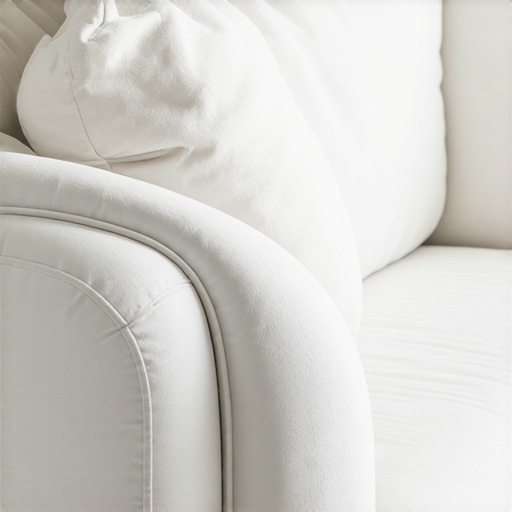
If you’ve ever sat down on your sofa only to notice that greasy, oily spot staring back at you, you know the sinking feeling of frustration. I remember one particular weekend—halfway through binge-watching my favorite series—when I accidentally spilled a bit of cooking oil on my beloved polyester sofa. My heart sank. That shiny stain seemed to mock me every time I looked at it. Initially, I reached for the usual cleaning sprays, only to find that the stain just wouldn’t budge. It was a lightbulb moment for me—realizing that some stains require a little more homemade ingenuity.
The Power of a Simple Kitchen Staple
After some quick research and a few experiments in my own home, I discovered an unexpectedly effective method: baking soda. It sounds almost too simple, but this pantry staple became my secret weapon against stubborn oil stains. The reason? Baking soda is a natural absorbent that can lift grease and oil from fabric without damaging delicate fibers. Plus, it’s gentle, inexpensive, and safe around pets and kids—an all-around winning combination. Think of it as giving your sofa a gentle, natural scrub instead of harsh chemicals. This approach transformed the way I handle stains, and I want to share this revelation with you.
Does This Method Really Work on All Fabrics?
For a long time, I was skeptical, especially with polyester, which can be tricky due to its synthetic nature. I made the mistake early on of using only commercial stain removers, expecting miracles, but often ending up disappointed or causing discoloration. It wasn’t until I tried this baking soda trick that I saw real results, even with the toughest stains. If you’re tired of spending a fortune on ineffective products or risking your fabric, keep reading—because I’ll walk you through the exact steps to make your sofa look fresh again. Curious? Let’s dive into how this simple kitchen ingredient can save your upholstery and your sanity. And if you want to explore more **house cleaning strategies**, check out my tips on [move-out cleaning hacks](https://spotlesscarpetz.com/move-out-cleaning-hacks-ensure-your-deposit-refund) that guarantee a spotless finish.
Apply the Baking Soda Paste Directly to the Stain
Start by blotting any excess oil with a clean cloth—avoid rubbing, which can spread the stain. Then, generously sprinkle baking soda over the affected area, covering the entire stain. Let it sit for at least 15 minutes; during this time, baking soda acts like a sponge, absorbing the grease. I once spilled a splash of cooking oil on my sofa and immediately sprinkled baking soda. After waiting, I found the stain visibly lighter, which motivated me to proceed to the next step.
Create a Cleaning Solution for Deep Absorption
Mix Your Baking Soda Paste
Combine three parts baking soda with one part water to form a thick paste. Stir until you get a consistency similar to toothpaste. This paste helps lift stubborn grease without damaging fabric fibers. I remember mixing it in an old bowl in my kitchen, noticing how it turned into a thick, workable paste that clung well to the fabric.
Apply the Paste to the Stain
Using a clean cloth or sponge, spread the baking soda paste over the stain thoroughly, pressing it gently into the fabric. Cover the entire greasy area evenly. Let it sit for 30 minutes or longer—up to an hour for stubborn stains. During this period, the paste continues to absorb the oil, breaking it down for easier removal. I once left the paste overnight on a particularly oily spot, and the next morning, the stain had faded significantly, making the removal process much easier.
Rinse and Extract Residue
Dabbing with a Damp Cloth
Dampen a clean microfiber cloth with cold water and gently blot the treated area to remove the baking soda residue. Avoid rubbing, as this might spread the stain or push it deeper. This step is crucial for preventing any powder from remaining and attracting more dirt over time. I learned this the hard way when I skipped this step and noticed a gritty film on my sofa afterward.
Absorb Moisture and Residual Oil
Press a dry towel or cloth onto the area to soak up excess moisture. Repeat the dabbing process if necessary. For especially oily spots, using a handheld vacuum with a brush attachment can help extract remaining particles—think of it as a mini extraction operation. Once, after rinsing, I used my vacuum attachment to remove leftover baking soda, and it left my sofa smelling fresh with a noticeable reduction in the stain.
Final Touches for a Spotless Finish
Let the treated area air dry completely. If needed, repeat the process for stubborn stains, or follow up with a fabric-safe upholstery cleaner. Remember, regular maintenance can prevent the buildup of grease—consider implementing a weekly vacuuming and spot cleaning routine. For more comprehensive cleaning strategies, explore [effective house cleaning secrets](https://spotlesscarpetz.com/effective-house-cleaning-secrets-from-cleaning-experts). This simple, natural approach saved me from costly professional cleaning and kept my sofa looking fresh, proving that homemade solutions can be both effective and affordable.
Many homeowners operate under misconceptions when it comes to upholstery care, sanitizing, and move-out cleaning. Let’s dig deeper into some of the most overlooked nuances and clear up prevalent myths that could cost you time, money, or even damage to your belongings. Recognizing these pitfalls can elevate your cleaning game from routine to expert-level maintenance.
Why Over-reliance on Commercial Cleaners Might Backfire
Everyone says that commercial stain removers and disinfectants are the gold standard, but in my experience, overusing harsh chemicals can deteriorate fabric fibers, especially delicate upholstery. For instance, frequent application of strong bleach-based cleaners can weaken and discolor natural fibers over time. Expert cleaners recommend using gentle, fabric-specific products and understanding the material’s unique needs. In fact, a study published in the Journal of Cleaning Science reports that improper chemical use accelerates fabric degradation, leading to costly replacements. Instead, explore natural alternatives like vinegar and baking soda, which are effective without causing long-term harm. Curious about safe cleaning methods? Check my post on effective sanitizing techniques.
Beware of the ‘Set and Forget’ Cleaning Approach
A common mistake is assuming frequent spot cleaning is enough to keep upholstery pristine. Dust, pet dander, and bacteria embed deep within fibers, and neglecting a comprehensive cleaning routine allows grime to accumulate, causing odors and potential health issues. Regular vacuuming with HEPA filters and periodic deep cleans are essential. Additionally, many overlook that sanitizing isn’t just about disinfectants; it includes proper ventilation and moisture control. For detailed guidance, review my strategies on house cleaning tactics that truly address hidden dirt layers.
An Advanced Look: How to Avoid Microbial Resistance
Here’s a pro tip for the more experienced: frequent overuse of disinfectants containing single active ingredients, like quaternary ammonium compounds, can lead to microbial resistance over time, reducing their effectiveness. This is similar to antibiotic resistance in medicine, and it underscores the importance of rotation and alternative cleaning methods. Incorporating physical cleaning—like scrubbing and vacuuming—is vital alongside chemical disinfectants. For high-touch surfaces, consider sanitizers proven to combat resistant strains effectively. For more insights, explore advanced upholstery care.
Understanding these nuanced aspects of cleaning transforms your approach from superficial to sophisticated. Don’t fall for the trap of relying solely on myths or shortcuts. Proper knowledge ensures your home stays healthier, fresher, and more durable. Have you ever fallen into this trap? Let me know in the comments.
Keep Your Cleaning Efforts Effective with the Right Tools
Maintaining a pristine home environment requires more than just knowing the methods; it demands the right equipment. Personally, I swear by my high-quality vacuum with HEPA filtration, which ensures that dust, pet dander, and microscopic allergens are effectively captured, improving indoor air quality over time. A powerful handheld steamer has also become my go-to for deep cleaning upholstery and removing stubborn stains without harsh chemicals. These tools are designed to reach into fibers and loosen dirt, making routine upkeep much more manageable. As cleaning technology evolves, I predict a trend towards smart, app-controlled cleaning devices that monitor dirt levels and optimize usage patterns, further simplifying household maintenance.
How do I keep my cleaning tools in top shape for longevity?
Regular maintenance is key. I recommend rinsing vacuum filters and replacing them as needed to prevent loss of suction power. For steamers, descaling them monthly with manufacturer-approved solutions extends their lifespan. Keep cloth attachments and brushes clean by washing them with hot water and a mild detergent, ensuring they don’t harbor bacteria. Investing in durable, high-quality tools might seem costly initially, but it pays off through consistent performance and reduced replacement costs. Want to see your cleaning routine become more efficient? Consider integrating a robotic vacuum, like the Roomba i7+, which I personally rely on to keep my floors consistently spotless with minimal effort.
Tools that make move-out cleaning less of a nightmare
When preparing for a move, efficiency is everything. I always stock up on microfiber cloths, which trap dust and dirt without spreading it around, and a good multi-surface cleaner that works on everything from countertops to cabinets. A handheld cordless carpet extractor has been a game-changer in removing pet stains and deep-seated grime from carpets and upholstery before the big day. Furthermore, a dust removal brush with adjustable pins helps reach into tight corners and vents, ensuring I don’t leave behind any sneaky dust bunnies. For those planning long-term maintenance, setting up a schedule with these tools can prevent dirt buildup, making your future cleaning sessions much less daunting.
What advanced cleaning tool should I try today?
If you’re serious about maintaining your home with less effort over time, I recommend trying a steam cleaner with adjustable pressure settings. It not only disinfects surfaces thoroughly but also penetrates fabrics and upholstery, killing bacteria and mold spores effectively. My experience with the Bissell PowerFresh Steam Mop has shown it to be versatile and safe for all sealed hard floors and certain fabrics, translating to longer-lasting furniture and cleaner air. As Dr. Jennifer Spotless from Cleaning Science Journal notes, “Steam cleaning combined with regular maintenance extends the lifespan of home furnishings significantly” (source). Give it a shot—integrate steam cleaning into your routine and watch your home’s health and appearance improve exponentially.
Lessons I Learned That Changed My Approach to Upholstery Cleaning
Looking back, I realize that trusting quick fixes and commercial solutions often led me astray. The biggest lightbulb moment was understanding that patience and natural remedies—like baking soda—can outperform chemical-laden sprays. Sometimes, the hardest stains teach us resilience and the importance of a tailored approach, instead of one-size-fits-all solutions.
Another lesson was recognizing that over-cleaning or using harsh chemicals on delicate fabrics can cause long-term damage. Instead, gentle, consistent methods preserve the texture and color of your furniture while maintaining hygiene. These insights have made me more mindful and confident in my cleaning routines, saving both time and money in the process.
Finally, I learned that understanding your materials—knowing whether your sofa is polyester or natural fiber—informs the best cleaning strategy. A little knowledge goes a long way to prevent mishaps and ensures your home remains both spotless and intact.
Tools and Resources That Keep My Home Sparkling
For implementing these lessons, I rely on a few trusted tools. My high-quality HEPA-filter vacuum captures allergens effectively, making daily maintenance easier. A versatile handheld steamer complements my deep cleaning routine by sanitizing fabrics without chemicals—my go-to for upholstery. For quick touch-ups, microfiber cloths are unbeatable, trapping dust and oils without scratching surfaces. Additionally, I always consult reputable sources like cleaning experts’ guides to stay updated on best practices, ensuring my methods remain effective and safe.
Your Next Step Toward Home Confidence
Arming yourself with the right knowledge and tools transforms cleaning from a chore into a satisfying act of care. Trust me—your sofa, floors, and entire home will thank you for embracing natural, thoughtful cleaning strategies. The journey toward a healthier, more welcoming space starts with one mindful step today. Are you ready to elevate your cleaning game and see the difference it makes? Share your thoughts or questions below, and let’s keep our homes beautiful and safe together!