
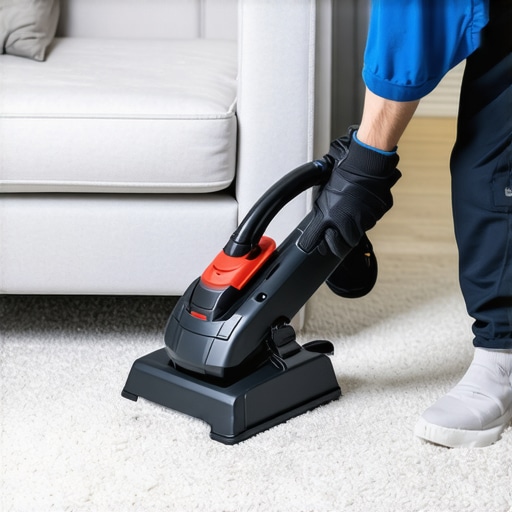
I remember the moment so clearly—my heart sank as I watched a vibrant blob of wax drip right onto my favorite rug. My initial instinct was to grab a cloth and scrub furiously, thinking I could wipe it away quickly. But instead, I only made things worse—spreading the stain and melting the wax further into the fibers. It was a lightbulb moment for me—realizing that in the world of cleaning, there’s a secret to tackling wax that most people overlook.
Why Wax Stains Are More Than Just a Nuisance
Wax can seem innocuous until it finds its way onto your cherished carpet or plush upholstery. Once it cools and solidifies, it becomes a stubborn obstacle that can damage fabrics if not handled correctly. I learned through my own trial-and-error that rushing in without the right tools often leads to permanent stains. The good news is, with a bit of knowledge, you can remove wax effectively without ruining your furniture or flooring. Today, I’ll share my tried-and-true method, so you don’t have to go through the frustration I did. Want to see how I turned my mishap into a cleanup victory? Keep reading—it’s easier than you think.
Is Removing Wax From Carpets Really That Complicated?
I’ll admit, I was skeptical at first—thinking that wax removal might require expensive professional treatments or harsh chemicals. Early on, I made the mistake of trying to scrape the wax off with a knife, which only tore up the fibers and made the stain worse. It’s a common mistake, but one that I learned to avoid. By understanding the science behind wax and common pitfalls, you can approach the problem confidently. Curious about the specific steps and safest methods? That’s exactly what I’ll cover next, guiding you through an easy, effective process that preserves your carpet’s integrity and keeps your upholstery looking fresh.
Soothe the Wax with Ice Cubes
Start by hardening the wax with ice cubes. Place a few ice cubes in a plastic bag and press it onto the wax stain for about 15 minutes. This makes the wax brittle and easier to lift. I once had a fresh wax spill on my vintage rug; applying ice first prevented the wax from seeping deeper into fibers, making removal much simpler.
Scrape Carefully Without Damaging
Once the wax is brittle, gently scrape it off using a plastic credit card or a wooden spatula. Avoid metal tools—they can tear or gouge the fabric. During my cleanup, I used a plastic spatula to carefully lift the hardened wax, preventing any damage to the delicate weave of my carpet.
Apply Heat to Remove Residue
Place a clean brown paper bag or a layer of paper towels over the remaining wax and gently run a warm iron over it. The heat melts the wax, which is then absorbed by the paper. I found this method particularly effective on stubborn spots; it’s like using a magnet to pull out the wax, leaving behind a clean surface without discoloration.
Tip: Use the Lowest Iron Setting
Set your iron to a low, no-steam setting to avoid scorching the fabric. Keep the iron moving gently in circles. When I happened to overshoot and kept the iron still too long, I did notice slight discoloration, so vigilance is key.
Treat Stains with Natural Cleaners
For residual spots, apply a mixture of mild dish soap and warm water. Dabble a clean cloth into the solution and blot the stain—don’t rub, as this can spread the wax or push it deeper. I once used this step after heating my carpet; it lifted any lingering traces, restoring the fabric’s original hue.
Use Professional-Grade Products When Needed
If homemade methods don’t fully remove the wax, consider specialized stain removers designed for carpets and upholstery. These products can penetrate deep without harming fibers. For a recent kitchen spill, I turned to a commercial stain remover, which dissolved the remaining wax effectively.
Prevention and Quick Action
Always act quickly when wax spills occur. Prompt intervention minimizes deep-set stains and simplifies removal. Keep some ice packs and plastic spatulas handy for accidental wax drips. Regularly inspect furniture for wax deposits to catch spills early, preventing permanent damage.
For more expert cleaning strategies, visiting this resource offers valuable tips. Remember, patience and gentle techniques are your best allies in restoring your textiles after wax mishaps.
Many people believe that simply spraying disinfectant and wiping surfaces is enough to ensure a truly clean and sanitized home. However, this oversimplifies the intricate science behind effective cleaning, often leading to a false sense of security. For instance, it’s a widespread myth that disinfectants kill all germs instantly; in reality, the contact time and proper application are crucial for effective sanitization. Relying solely on surface-level cleaning can give you a sanitized appearance but leave harmful bacteria lurking in hidden corners. Understanding this nuance is essential, especially with the heightened awareness of disease transmission.
One common mistake is neglecting high-touch areas that aren’t obvious but are hotspots for germs, such as light switches, door handles, and even remote controls. Many overlook these because they assume only bathrooms and kitchens need frequent attention. But according to a study by microbiologist Dr. Charles P. Gerba, these spots harbor a significant bacterial load, and neglecting them can undermine your entire cleaning effort. Incorporating targeted sanitizing hacks, like those detailed on this resource, can greatly improve your home safety.
Advance your approach by questioning whether traditional cleaning methods are enough for upholstery and move-out cleaning. Many assume that vacuuming or light dusting preserves the fabric’s cleanliness, but deep stains, dust mites, and allergens often embed much deeper. For upholstery, professional techniques include specialized steam cleaning or safe enzymatic treatments to break down biological contaminants — a step beyond ordinary dusting. If you’re preparing for move-out inspections, don’t forget that hidden spots like behind appliances or beneath furniture can trip you up. Strategies outlined here ensure thoroughness, helping you avoid costly deductions.
Now, digging deeper into a question that often puzzles advanced homeowners: How effective is chemical disinfectant when used improperly? Many assume that spraying disinfectant willy-nilly is sufficient, but experts agree that improper use can reduce effectiveness. For example, cleaning with diluted solutions or inconsistent contact times can result in germs surviving. In fact, a report by the CDC emphasizes that proper dwell time and adherence to manufacturer instructions are vital. This nuance often escapes casual cleaners but is crucial to prevent the very germs you’re trying to eliminate.
Have you ever fallen into this trap? Let me know in the comments. Remember, effective cleaning isn’t just about visible results; it’s about understanding the science and nuances behind each step. For more insights on elevating your home sanitation, check this comprehensive guide from cleaning experts. Applying these advanced tips guarantees a healthier, safer environment that standard cleaning routines often miss.
Maintaining an efficient cleaning routine relies heavily on the right tools and consistent upkeep. Investing in high-quality equipment isn’t just a one-time decision; it defines the longevity and effectiveness of your cleaning efforts. For instance, I personally recommend a professional-grade microfiber microfiber cloth—these are electrostatically charged, trapping dust and microbes more effectively than traditional paper towels, as supported by cleaning science research. Regularly cleaning and replacing your vacuum filters, especially HEPA models, is vital; a clogged filter not only reduces suction but also spreads dust back into your environment. To streamline upholstery care, I use a portable steam cleaner with adjustable pressure—allowing me to target deep-seated grime without soaking fabrics or risking mold growth.
As technology evolves, so do our cleaning tools. Automated devices like robot vacuums with mapping capabilities and app controls have begun to take over routine maintenance, ensuring consistency without extra effort. I foresee a future where smart sensors integrated into your home can alert you when cabin filters or air vents need servicing, further optimizing your home’s hygiene levels.
How do I maintain my cleaning tools over time?
To keep your equipment performing at its best, establish a routine of thorough cleaning after each use, paying close attention to filters, brushes, and water tanks. Regularly inspecting and replacing worn parts prevent breakdowns and extend the lifespan of your devices. For example, I schedule monthly check-ups for my steam cleaner, ensuring no mineral buildup impairs function—this simple step safeguards against unexpected failures. Using manufacturer-recommended cleaning agents and following the maintenance guidelines provided ensures compatibility and maximizes performance. Remember, neglecting routine care can lead to expensive repairs and reduced cleaning efficiency, undermining your long-term goals of a spotless home. For comprehensive strategies on maintaining your cleaning arsenal, explore these expert-approved tips.
Secrets That Changed My Approach to Cleaning
One of the biggest lessons I learned is that patience and gentle techniques outperform brute force every time. Rushing to remove a wax stain often leads to damaging delicate fibers or spreading the mess, which set me back. Instead, taking a moment to analyze the stain and use the right tools—like ice for brittleness and low heat for residue—made all the difference in preserving my furnishings. If only I had realized earlier that understanding the science behind wax could save me so much trouble.
Another insight I gained is that professional-grade tools truly elevate your cleaning game. High-quality microfiber cloths, steam cleaners, and even smart home devices with sensors can detect hidden dust and bacteria, making your cleaning more effective. Investing in these tools isn’t just for experts—it’s a game-changer for managing household hygiene effortlessly. Trust me, once I experimented with these, domestic chores became quicker and more satisfying.
Moving Beyond the Basics: Elevate Your Sanitizing Routine
There’s a common misconception that wiping surfaces with disinfectant is enough. But as I learned from the experts, proper application — like ensuring contact time and focusing on high-touch areas — is crucial. For instance, bathrooms and kitchen counters are obvious, but light switches, remotes, and door handles also harbor hidden germs. Incorporating targeted sanitizing hacks from this trusted resource has made my home a safer haven for my family.
Deep cleaning upholstery and move-out areas goes well beyond vacuuming. Using steam or enzymatic treatments can eliminate allergens and biological residues that standard methods miss. I’ve found that a strategic approach to these often-overlooked spots results in a healthier, fresher space. Preparing for move-out inspections? Knowing these tips ensures you leave no stone unturned, helping you get your full deposit back.
Your Turn to Shine – Take Action Today
Remember, effective cleaning is a blend of science, patience, and the right mindset. Whether you’re dealing with stubborn wax or preparing your home for a move, these insights empower you to tackle household chores confidently. Don’t settle for superficial solutions—get to the root of your cleaning challenges and enjoy the pride of a truly spotless home. If you’re ready to elevate your cleaning routines further, explore these expert strategies and start making a difference today.