
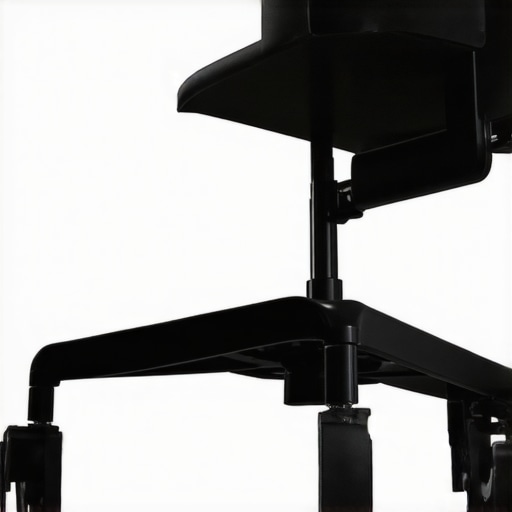
I remember the first time I dragged my chair across the floor and noticed that faint, almost invisible trail of dust and debris left behind—a tiny, stubborn remnant hiding in plain sight. It was only after I took a closer look that I realized the real culprit was lurking inside the wheels of my office chair. That moment was a lightbulb for me: I had been overlooking a microscopic dust trap that not only collected dirt but also contributed to broader cleaning woes.
The Hidden Culprit in Your Comfort Zone
Anyone who spends hours at a desk knows how a comfortable chair is essential. But have you ever noticed how those wheels can become a magnet for dust, pet hair, and crumbs? It’s easy to forget that beneath the surface, these tiny components harbor a surprising amount of debris, which can impact your indoor air quality and even the longevity of your furniture and flooring.
What surprised me most early on was realizing that clean-looking wheels could be hiding a dirty secret. Regular vacuuming or sweeping won’t reach this microscopic dust, and it’s these hidden particles that can trigger allergies or irritate respiratory issues—especially if you have pets or live in dusty environments.
So, what’s the big deal? Well, as research indicates, accumulated dust and allergens in small spots like caster wheels can become breeding grounds for bacteria and mold, complicating your cleaning routine and affecting health (source: the hidden bacteria breeding ground in your coffee maker). Ignoring this tiny dust trap can lead to bigger cleaning headaches down the line.
In this post, I’ll share my personal experience and practical tips on how to effectively clean those neglected wheels. Trust me, a quick fix can make a surprising difference—not just in cleanliness, but in how fresh your entire space feels. Now, are you ready to uncover the secret to a dust-free chair and why it matters more than you think? Let’s dive into the how-to part.
Is Overlooking the Wheels Really That Bad?
Early in my cleaning journey, I made the mistake of focusing only on visible surfaces, assuming that if the floor looked clean, the chair wheels could wait. It wasn’t until I noticed a persistent dust cloud when moving my chair that I realized my mistake. Maintaining a thorough cleaning routine means paying attention to those tiny, often-overlooked spots—especially the wheels.
Now that you know why this small detail counts, we’ll explore simple yet effective methods to clear the dust trap inside your chair’s wheels. Ready to turn your neglected furniture into a fresh, allergen-free zone? Let’s get started.
Tackle the Dust Trap Head-On
First, tilt your chair back to access the wheels easily. Use a sticky tape or a small brush to remove loose debris around the wheels. For stubborn dirt, dampen a cloth with warm water and a mild detergent, then wipe each wheel thoroughly. Remember, don’t soak the wheels; a damp cloth is enough to lift the grime without causing damage.
Disassemble for Deep Cleaning
Next, if your wheels are detachable, remove them following the manufacturer’s instructions. Place the wheels in a basin filled with warm soapy water and let them soak for 10-15 minutes. This loosens embedded dirt and grease, making removal easier.
Scrub and Rinse
After soaking, use a soft brush or an old toothbrush to scrub away residual dirt from all crevices. Pay close attention to the axles and bearings. Rinse the wheels with clean water, ensuring no soap residue remains, which could attract more dust later.
Dry and Reassemble
Dry each wheel thoroughly with a towel or air-dry to prevent rust. Once dry, reattach the wheels to your chair securely. Doing so restores smooth mobility and reduces the spread of dust and allergens within your workspace.
Extras for a Fresher Space
Consider applying a silicone spray to the wheels if they squeak or stick. This not only improves movement but also repels dust accumulation. Routine maintenance every couple of months keeps the wheels functioning optimally and your environment clean.
Always remember, neglecting small details like dirty caster wheels can lead to larger cleaning challenges, including allergen buildup and degraded air quality. Taking this simple step enhances your overall cleanliness routine, aligning with effective house cleaning secrets from cleaning experts. For comprehensive move-out cleaning strategies to secure your deposit, visit this guide.
Many assume that a quick once-over with a mop and vacuum suffices for a truly clean home, but in reality, there’s a wealth of nuanced mistakes that can sabotage your efforts. A common misconception is that standard cleaning products and routines are enough to eliminate bacteria and deep-seated grime—yet, savvy homeowners know that improper sanitation techniques can leave dangerous pathogens behind, especially in high-touch areas. For example, using general disinfectants without considering contact time—how long the solution needs to sit for effectiveness—can render your efforts ineffective; according to cleaning experts, ensuring appropriate dwell time is crucial to kill bacteria on surfaces source.
Another widespread myth is that appliances like the dishwasher or washing machine don’t need routine maintenance beyond basic cleaning. In truth, neglecting components like filters and seals can lead to mold, odors, and degraded performance. Regularly sanitizing these hidden parts is often overlooked but essential for a hygienic home environment—consider inspecting and cleaning your machine’s gasket and filters monthly.
Advanced house cleaning acknowledges the importance of micro-nuances, such as the choice of cleaning tools. For upholstery, using abrasive materials can damage delicate fabrics, while improper cleaning agents strip natural fibers or cause discoloration. Professionals recommend specific techniques—like using microfiber cloths for dust removal—to preserve fabric integrity while maximizing cleanliness. For instance, cleaning microfiber upholstery with the right approach restores its texture and prolongs lifespan source.
One critical area often misunderstood involves move-out cleaning. Deep cleaning isn’t solely about visible grime; it’s about the microscopic bacteria and allergens that lurk unnoticed. Overlooking these details can jeopardize the return of your full security deposit. The comprehensive checklist detailed in this guide emphasizes the importance of targeting these hidden spots.
When it comes to sanitizing, many default to bleach or vinegar, unaware that these substances can damage certain surfaces or fail to eradicate tougher microbes. Instead, adopting specialized sanitizing hacks that are tailored to specific household areas can make all the difference—consult this resource for safe and effective methods.
Have you ever fallen into this trap of overlooking these subtle yet impactful details? Share your experiences or ask questions in the comments—I love to hear how you tackle these cleaning nuances.
Keeping your home consistently spotless extends beyond quick fixes; it demands the right tools paired with smart maintenance routines. One of my essentials is a high-quality microfiber mop, like the microfiber cleaning cloths, which I personally favor because they trap dust and bacteria better than traditional cotton rags, and can be washed repeatedly without losing their efficacy. Regularly inspecting and replacing vacuum filters, especially HEPA filters, ensures that airborne allergens don’t recirculate into your living space, aligning with professional cleaning secrets about microfilter maintenance. To sanitize high-touch surfaces like light switches and door handles, I recommend a UV sterilizer device that uses ultraviolet light to eliminate microbes effectively—an investment that pays off when maintaining long-term health after move-out cleanings or during flu seasons.
Another invaluable tool in my arsenal is a steam cleaner, especially when tackling upholstery and sealed hard surfaces. The benefit isn’t just cleaning but sanitizing without chemicals, which is crucial for homes with children or pets. According to microbiological studies, steam at high temperatures effectively inactivates most household bacteria and viruses, making it a sustainable choice for long-term sanitation.
Looking forward, I believe the trend will lean heavily toward smart cleaning devices—think app-controlled vacuums and IoT-enabled sanitizers that can monitor and maintain cleanliness automatically, reducing the manual effort and timing errors that can lead to overlooked spots. For now, consistently using tools like microfiber cloths and steam cleaners can dramatically improve your cleaning quality and help maintain a healthier environment.
How do I maintain my cleaning tools over time?
It’s critical to routinely clean and replace your equipment to ensure efficacy. Washing microfiber cloths with a small amount of vinegar (but avoiding on stone surfaces to prevent etching) keeps fibers debris-free. For tools like steam cleaners, descale using appropriate descaling agents every few months—consult manufacturer instructions for best practices. Regular maintenance not only extends the lifespan of your equipment but also guarantees they’re working at peak performance, tripling the benefits of your cleaning routine. I highly recommend trying a professional-grade microfiber mop this weekend and observe how much quicker and more thoroughly your floors respond. Effective tools paired with consistent care set the foundation for a truly clean home that endures. For detailed cleaning regimes, explore this comprehensive checklist.
What Silly Mistakes Taught Me Lasting Lessons
One of the most eye-opening lessons was realizing that neglecting tiny spots like chair wheels can undermine my entire cleaning routine. Small oversights can lead to accumulated allergens, impacting health and comfort.
I also learned that routine maintenance tools, like microfiber cloths and steam cleaners, aren’t just convenience items but essential investments that safeguard long-term cleanliness. Skipping their care means compromised effectiveness, which defeats the purpose of your efforts.
Lastly, I discovered that every household harbors hidden bacteria in places you’d never think of—like dishwasher filters or behind appliances. Paying attention to these micro-areas through targeted cleaning makes a noticeable difference, often more than big cleaning sessions.