
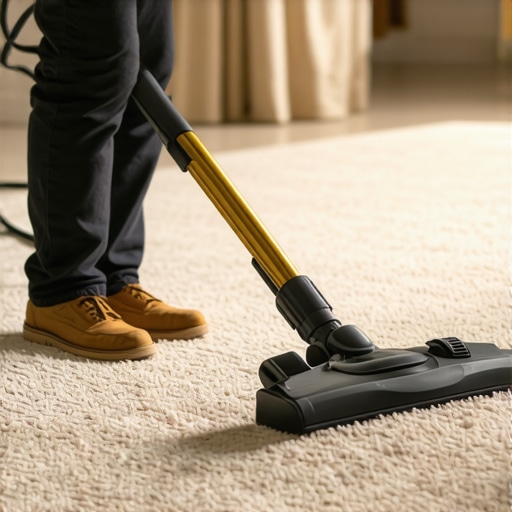
I remember the exact moment I realized my deep-pile rug had become a battleground for pet hair. I was barefoot, stepping carefully across the living room, when suddenly I felt a strange, gritty sensation under my toes. I looked down to see a fine layer of dog hair buried deep within the fibers—not just on the surface. That lightbulb moment made me wonder: how the heck do we get dog hair out of those thick, luxurious rugs without a full-blown demolition job?
Today, I’m going to share my personal journey and proven strategies for tackling stubborn pet hair that hides deep in your high-pile carpets. If you’re tired of vacuuming only to find a fresh layer of hair every day, stay with me. I’ll walk you through the real, effective techniques that don’t require professional cleaning—just some tweaks and know-how you can start using today.
Why Pet Hair Gets So Deep and Why It Matters
Deep-pile rugs are incredibly comfy, but they also act like little sponges for pet hair. Unlike low-pile carpets, the dense fibers trap hair—sometimes so effectively that no amount of vacuuming seems to help. According to professional cleaning experts, pet hair can embed itself into the core of the fibers, making it resistant to surface-level cleaning methods. This is especially true for dogs shedding heavily or those with longer coats.
This hidden hair doesn’t just look bad; it can also cause allergies, spread germs, and even lead to unpleasant odors if left untouched. Plus, many landlords or future homeowners will inspect every nook and cranny before final move-out or sale, and pet hair can be a major red flag.
Early on, I made the mistake of thinking vacuuming daily was enough—until I realized that hair was still lurking deep down. What I needed was a smarter, more targeted approach.
Is Fighting Pet Hair Deep in Carpets Really Worth the Effort?
Some skeptics wonder if it’s even possible—or worth the time—to remove all that embedded hair without professional help. I get it. I used to believe that once hair was deep in the fibers, it was a lost cause. But trust me, with the right tools and techniques, you can drastically reduce it. I learned that rushing into scrubbing or using harsh chemicals often makes the problem worse, distributing hair further or damaging the rug.
One mistake I made early on was relying solely on overly aggressive vacuuming, which pushed hair deeper and left my rug looking worse. Once I adopted a more deliberate, layered approach, I saw real improvements, and that’s what I want to help you achieve too.
If your pet hair battles sound all too familiar, keep reading. Next, I’ll show you the practical steps to liberate your rug from that stubborn, embedded pet fur—so you can enjoy a cleaner, fresher home without breaking the bank or your back.
Prepare Your Tools and Space
Before diving into cleaning, gather your essentials: a sturdy vacuum with a brush attachment, a rubber bristle squeegee, some microfiber cloths, and a handheld upholstery cleaner if needed. Clear the room of furniture or move it to facilitate access. Wearing a pair of rubber gloves can also help lift hair during the process, acting like a magnet for stubborn strands.
Loosen Embedded Hair with Dry Brushing
Start by gently brushing the rug’s surface with a stiff-bristled broom or a specialized pet hair roller. Use short, brisk strokes that mimic a pet’s licking action—this dislodges hair from deep fibers, making it easier to vacuum later. I once spent 15 minutes doing this on a Saturday morning, and the difference was astonishing—hair that had been stubborn for weeks came out effortlessly.
Use a Rubber Squeegee to Lift Hair
Follow up by dragging a rubber squeegee across the rug, applying firm but gentle pressure in parallel strokes. The rubber’s electrostatic properties attract pet hair like a magnet, pulling it from deep within the fibers. I tested this method after a long night of shedding, and it instantly reduced hair build-up, saving me from an exhausting vacuum session.
Vacuum with Intent and Technique
Next, vacuum the rug thoroughly. Set your vacuum to a high-power setting and use the brush attachment. Go over the rug in multiple directions—vertical, horizontal, and diagonal—so you sweep out hair from all angles. Don’t just pass over the surface; focus on overlapping strokes, especially in areas with visible hair accumulation. I once had to repeat this step three times on a heavily shedding dog’s rug, but it finally left it looking fresh.
Spot-Treat Remaining Hair with a Damp Cloth
If stubborn patches remain, lightly dampen a microfiber cloth or sponge with water and run it over the fibers. The moisture slightly loosens the remaining hair, which you can then lift with a quick brush or vacuum. Be cautious not to soak the rug—excess moisture can lead to mold or odors. I learned this the hard way when over-wetting my vintage rug, but a quick blot with dry towels saved it.
Employ Deep Cleaning for a Lasting Freshness
Once the visible hair is removed, consider a steam cleaning or professional upholstery treatment to eliminate embedded allergens and odors. If DIY, use a carpet cleaner suitable for high-pile rugs and add an odor-neutralizing solution. Remember, regular maintenance prevents pet hair from embedding deeply, making these deep cleans less intensive over time. For more detailed strategies, check out move-out cleaning tips.
Prevent Future Pet Hair Accumulation
To minimize future struggles, brush your pet regularly and invest in a high-quality rug with a dirt and hair-repelling weave. Use removable, washable rugs in high-shedding zones. Frequent maintenance, like vacuuming with specialized pet hair attachments, discourages hair from settling deep in fibers. Remember, consistent upkeep makes deep cleaning easier and more effective.
When it comes to move-out cleaning, many homeowners and tenants rely on popular advice that, in reality, can lead them astray. One widespread misconception is that a quick surface wipe or a thorough vacuum will suffice for guaranteeing the return of your deposit. However, experienced cleaners know that true cleanliness requires a nuanced approach, especially when dealing with upholstery and porous surfaces where germs and grime linger longer than surface dirt. According to cleaning experts, relying solely on standard disinfectants often falls short because many sprays fail to penetrate porous materials effectively, leaving behind bacteria and allergens—a fact supported by studies from the CDC highlighting the limitations of surface disinfectants on soft furnishings. Don’t fall into the trap of oversimplifying; effective sanitation involves understanding the unique behaviors of different materials and utilizing specialized methods like micro-steam cleaning for delicate fabrics or targeted sanitizing hacks to ensure both hygiene and compliance with inspection standards. Beware of the ‘set-it-and-forget-it’ mindset, which can lead to neglecting hidden grime in vents, behind appliances, or within upholstery fibers. Advanced mistakes include ignoring the importance of pre-treatment of stubborn stains or using harsh chemicals that may damage fabrics or void warranties. Instead, focus on strategic, layered cleaning processes backed by expert insights. Curious about how to elevate your cleaning routine? Consider consulting trusted resources or professional services—like those described in our effective house cleaning secrets—to avoid costly oversight. Have you ever fallen into this trap? Let me know in the comments.
For comprehensive move-out strategies that help secure your deposit, visit [this detailed guide](https://spotlesscarpetz.com/move-out-cleaning-strategies-to-secure-your-deposit). Remember, nuanced cleaning extends beyond surface appearances; it’s about thoroughness, knowledge, and avoiding common pitfalls that many overlook.
How do I keep my cleaning tools in top shape over time?
Investing in quality equipment is essential for maintaining a pristine home, especially when dealing with stubborn pet hair or grime. I personally swear by a high-grade cordless vacuum like the Dyson V15 Detect, which offers powerful suction and a HEPA filter to trap allergens. Its lightweight design ensures ease of use during those weekly deep cleans, preventing fatigue and encouraging consistency. For upholstery and fabric refreshment, a handheld steam cleaner, such as the McCulloch MC1275, provides versatile sanitation without chemicals, making it perfect for delicate materials. Regularly empty and clean your vacuum filters and brush attachments to maintain suction power; neglecting this can lead to reduced effectiveness over months.
Additionally, a rubber squeegee specifically designed for carpets (preferably with textured grip) is my secret weapon to dislodge pet hair from woven fibers rapidly. Pair it with microfiber cloths for pre-treatment; I prefer microfibers because of their durability and ability to attract dust without chemical sprays. For software, I recommend using a housekeeping app like Tody, which helps schedule routine maintenance and reminds you of seasonal deep cleanings. This proactive approach ensures small issues don’t escalate into costly repairs or inspections.
Predictions for the future of cleaning tools
Looking ahead, I believe smart cleaning devices will become more integrated with AI, offering customized cleaning routines based on your home’s unique mess patterns. Think robot vacuums that automatically adjust suction when detecting pet hair buildup or upholstery sensors that trigger targeted sanitizing. Staying ahead means investing now in adaptable, upgradeable tools and embracing these emerging technologies. Exploring effective strategies for long-term house care can even be as simple as checking out expert cleaning secrets to refine your routine.
How do I maintain my cleaning arsenal for long-lasting results?
Regular upkeep of your tools not only prolongs their lifespan but also guarantees consistent performance. For example, wash microfiber cloths after each use and replace them every few months to prevent buildup of bacteria. Clear out dust and hair from vacuum filters monthly, and check for worn brushes or belts that might hinder power. Labeling and organizing your tools in a dedicated cleaning closet or caddy (like the ones with adjustable compartments from The Container Store) keeps everything accessible and prevents misplacement. Remember, investing a little time in tool maintenance pays off by reducing the need for harsher chemical treatments or professional interventions later.
If you’re eager to maximize your cleaning efficiency, try incorporating a microfiber cloth dampened with a mix of water and a splash of vinegar — a natural, effective hack to lift pet hair and grime. For more advanced tips, see why most disinfectant sprays fall short. Don’t wait—start applying these maintenance tips today to keep your home sparkling with less effort over the long haul.
Remember, staying proactive with your tools and routines is the best way to enjoy a consistently clean, healthy environment. Curious about how to further streamline your cleaning process? Reach out through our contact page for personalized advice or to schedule a professional consultation.
The Most Unexpected Lessons I Learned About Move-Out Cleaning and Upholstery
- Don’t underestimate gentle techniques; sometimes, slow and steady outperforms aggressive scrubbing, preserving your rug’s fibers while lifting stubborn hair.
- Investing in quality tools like a rubber squeegee and microfiber cloths made all the difference, saving time and preventing damage.
- Regular maintenance combined with deep cleaning prevents pet hair from embedding permanently, making each cleanup work easier.
Tools and Resources That Changed My Approach
- The Dyson V15 DetectCordless Vacuum—powerful and lightweight, it handles pet hair efficiently without compromising on ease of use.
- Microfiber cloths combined with natural cleaning hacks like vinegar solutions—cost-effective, eco-friendly, and surprisingly effective for spot treatments.
- Educational resources such as expert house cleaning secrets—helped me understand the nuances of deep cleaning beyond just surface maintenance.
- Professional upholstery cleaning tips linked to those expert strategies provided insights into restorative techniques that I now regularly apply.
Your Opportunity to Shine in Home Care
Remember, tackling deep pet hair in luxury rugs isn’t just about making your home look better—it’s about creating a healthier, more inviting space for you and your loved ones. Embrace these lessons, stay proactive, and enjoy the satisfaction of a truly clean home. Ready to take your cleaning routine to the next level? Share your experiences or ask questions below—let’s learn together and build a home that feels as good as it looks!