
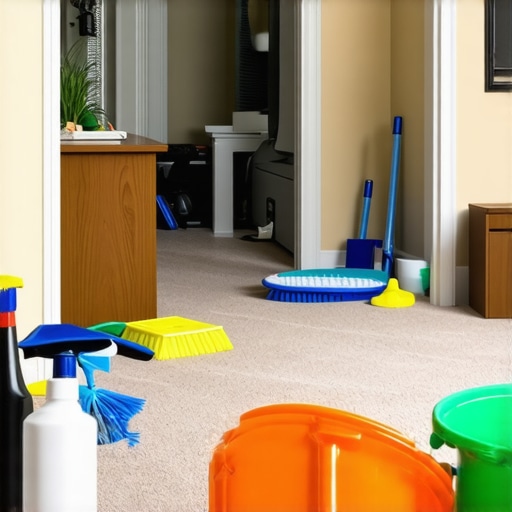
I remember the moment vividly—standing in my nearly empty apartment, staring at the stubborn grime around the bathroom sink, feeling overwhelmed and frustrated. Despite hours of scrubbing, I missed a crucial detail, and it ended up costing me dearly. That realization hit hard: there’s a move-out cleaning mistake too many tenants make, and it can sabotage your chances of getting your full deposit back.
The Hidden Trap That Can Ruin Your Move-Out Experience
Many tenants pour their heart into cleaning, only to overlook one vital step that landlords and inspectors always scrutinize. It’s a mistake I made early on, and I can tell you firsthand—missing it nearly cost me hundreds. What am I talking about? Failing to thoroughly sanitize areas that are often forgotten but critical for inspection.
Would you be surprised to learn that a simple oversight—like neglecting to disinfect behind appliances or overlooking grout lines—could be the reason your security deposit gets withheld? According to experts, this common lapse is one of the top reasons tenants lose their deposits, despite the overall good condition of their rental. For actionable tips on how to avoid such pitfalls, check out our comprehensive [move-out cleaning strategies](https://spotlesscarpetz.com/move-out-cleaning-strategies-to-secure-your-deposit).
Is It Really Worth the Extra Effort to Sanitize Every Nook and Cranny?
Initially, I thought a quick clean would suffice. I believed that if everything looked tidy, I was good to go. But I learned the hard way that landlords look for signs of comprehensive sanitation, especially in less obvious spots. Skipping these details not only risks losing your deposit but also prolongs the stress of your move.
From personal experience, I understand the temptation to cut corners. But trust me—it’s a false economy. Paying attention to every corner and crevice, especially high-touch and hidden areas, makes all the difference. For detailed guidance, explore our [move-out cleaning checklists](https://spotlesscarpetz.com/move-out-clean-checklist-to-simplify-your-transition). And if you want to make this process even easier, consider reaching out to professionals who know exactly what inspectors will be inspecting. You can contact us [here](https://spotlesscarpetz.com/contact-us-2).
Now, let’s dive into the specific mistake that most tenants overlook—and how you can avoid it to ensure your deposit stays right where it belongs: in your pocket.
Targeted Disinfection of Hidden Areas
Start by systematically inspecting behind appliances like refrigerators and stoves, where grime and residual spills often hide. Use a microfiber cloth dampened with a disinfectant solution to wipe all surfaces, paying special attention to corners and edges. For stubborn stains or buildup, apply a gentle scrub with a soft-bristled brush. In my experience, neglecting these spots can leave inspectors suspicious, leading to deposit deductions. Make sure to also clean grout lines in tiled areas thoroughly—using a grout brush dipped in a mix of baking soda and water can loosen dirt effectively. Implement a routine of detailed sanitization to prevent overlooked spots and secure your deposit.
Deep Clean Upholstery and Soft Surfaces
Upholstered furniture and drapes trap dust, pet dander, and stains, which can be a red flag during inspections. Use a vacuum with a HEPA filter to remove loose dirt, then follow up with an upholstery cleaning solution suitable for the fabric. For example, I once spent extra time shampooing my microfiber sofa with a safe cleaner, which made a significant difference. Proper upholstery care not only improves appearance but also shows attention to detail, reducing the risk of deposit withholding.
Sanitize High-Touch and Hard-to-Reach Areas
Light switches, door handles, and vent covers are hotspots for bacteria and grime. Disinfect these with a spray designed for high-touch surfaces, letting the solution sit for at least 60 seconds to ensure effectiveness. Use a small brush or cloth for tight spaces. Remember, inspectors look for hygiene standards, so skipping these small touches can cost you a deposit. I found that after thoroughly sanitizing these spots, I was able to confidently pass the inspection.
Clean Floors and Corners Methodically
Vacuum carpets meticulously, making multiple passes to lift deep-seated dirt. For hard floors, mop with a microfiber mop dipped in a mixture of warm water and a few drops of natural disinfectant. Pay special attention to baseboards and corners where dust and pet hair accumulate. I once used a nylon brush to dislodge dirt from tight corners—a technique that I highly recommend. Clear and clean floors demonstrate that you’ve maintained the property well, preventing any deductions.
Verify Your Work and Prepare for Inspection
Before calling it done, do a walkthrough and check everything from a fresh perspective. Use a mirror to see under appliances and in hard-to-reach spots. Take note of any missed stains or grime and attend to these areas. This step is crucial; I caught a missed spot under my sink just before the inspection, which saved my deposit. Remember, thoroughness is key—inspectors appreciate residents who leave no stone unturned.
Schedule a Professional Deep Clean
If your schedule is tight or the property was heavily used, consider hiring a professional cleaning service. Professionals have specialized equipment and experience, ensuring no detail is missed. Contact us here for expert assistance. A professional touch can be the difference between a deposited full sum or a partial refund, especially in tricky areas like upholstery and grout.
Even seasoned homeowners and tenants often believe they know the basics of effective cleaning, but let’s dig deeper into some nuanced pitfalls that can undermine your efforts. A common misconception is that using over-the-counter disinfectants alone guarantees sanitization. In reality, many disinfectants fail on porous or uneven surfaces—like grout lines or upholstery fibers—because they don’t penetrate deeply enough or are applied incorrectly. Experts in infection control emphasize that proper cleaning must be a multi-step process: cleaning followed by disinfecting, with special attention to surface type, contact time, and method of application. For instance, simply spraying a disinfectant on a stained fabric won’t eliminate embedded germs; instead, using a steam cleaner or appropriate upholstery cleaning methods yields better sanitation results—and the same applies to grout or soft surfaces. Also, many underestimate the importance of cleaning tools themselves. Microfiber cloths, when used properly, trap dust and microbes more effectively than traditional rags, but only if they’re washed at high temperatures and replaced regularly. Meanwhile, improper technique—like double-dipping in dirty water or reusing unwashed cloths—can reintroduce contaminants and render your efforts futile. Don’t make the mistake of assuming manual labor is enough; it’s equally critical to choose the right cleaning agents and understand surface-specific needs. For advanced touch, consider verifying your cleaning effectiveness through ATP testing, a quick method adopted by industry pros to detect residual organic matter, which standard visual inspection might miss (see [here](https://spotlesscarpetz.com/effective-house-cleaning-secrets-from-cleaning-experts)). Have you ever fallen into this trap? Let me know in the comments!”,
Investing in Durability: Tools That Truly Make a Difference
To keep your home consistently clean and well-maintained, investing in the right tools is paramount. I personally swear by a high-quality microfiber mop, which I use with natural disinfectants from industry experts that emphasize cleaning effectiveness without harsh chemicals. This mop’s densely woven fibers trap dust and dirt effectively, preventing spreading and reducing cleaning time. Additionally, a powered handheld steam cleaner has become indispensable for sanitizing tiles, grout, and upholstery naturally and thoroughly. I recently used mine to refresh my sofa, which you can read about in our guide to upholstery care. Its ability to reach deep into fibers ensures hygiene and longevity, especially important in homes with pets or allergies.
Tools That Help You Stay Ahead of the Mess
Beyond heavy-duty equipment, quality hand tools assist in maintaining your space daily. Microfiber cloths, for example, are crucial because they don’t just shift dust—they trap and hold it. I wash mine regularly at high temperatures, ensuring reusability and cleanliness, which you can verify through effective sanitizing methods. Similarly, a grout brush with stiff bristles allows for quick removal of grime between tiles, preventing buildup that can compromise appearance and hygiene. Consistent use of these tools extends the life of surfaces and minimizes the need for intensive deep cleans over time.
How do I maintain my cleaning arsenal for reliability
Regularly inspecting and replacing worn tools is vital. Microfiber cloths lose their effectiveness if frayed or heavily stained, and a clogged steam cleaner tube can diminish performance. Following manufacturer guidelines and periodically upgrading your equipment ensures optimal results and saves money in the long run. As technology advances, electric scrubbers with adjustable settings are becoming more popular, especially for larger surfaces or stubborn stains. Keeping your tools in top shape not only makes cleaning easier but also ensures your home stays healthier and visually appealing.
Upcoming Trends: Smarter Cleaning That Saves Time
Looking ahead, smart cleaning devices—like robot vacuums and app-controlled steamers—are set to revolutionize home maintenance. These tools can be scheduled in advance, and some even learn your routine, offering tailored cleaning cycles that keep dirt at bay without your constant input. Incorporating these innovations can free up your time for other household tasks or relaxation, making long-term cleanliness more manageable. To integrate these advanced tools seamlessly, I recommend experimenting with one device at a time, ensuring it complements your existing cleaning workflow.
How do I keep my cleaning tools effective over time?
Maintaining your equipment involves regular cleaning and proper storage. For example, cleaning microfiber cloths after each use prevents bacteria buildup, which you can learn more about in our deep cleaning tips. Similarly, inspecting steam cleaner hoses for clogs or wear can prolong their lifespan. Remember, the longevity of your tools directly correlates with performance quality, so investing time in routine upkeep pays dividends in cleanliness and health. Why not try a simple upgrade today—such as switching to a high-grade microfiber mop equipped with antimicrobial fibers—to experience immediate benefits in your cleaning routine.
Lessons Hidden in My Cleaning Journey That Changed Everything
- One of the biggest mistakes I learned was underestimating the power of targeted disinfection, especially behind appliances. It’s a game-changer that saved my deposit and my sanity.
- I used to think superficial tidiness was enough. Now I know that inspectors look for thorough sanitation; paying attention to grout lines and hidden corners can make or break your move-out success.
- The hardest lesson? Properly maintaining my cleaning tools. Regularly washing microfiber cloths and replacing worn brushes kept my cleaning effective and prevented reintroducing dirt.
- Investing in professional services sounded costly, but I found that a professional deep clean of upholstery and grout often pays for itself by avoiding deposit deductions.
Resources That Lift My Cleaning Confidence
- Effective House Cleaning Secrets from Cleaning Experts: This resource helped me understand the nuances of surface-specific cleaning and choosing the right disinfectants, making my efforts more efficient.
- Ultimate Upholstery Care Guide for Lasting Freshness: An essential read for maintaining soft furnishings and ensuring they pass inspection with flying colors.
- Move-Out Cleaning Strategies to Secure Your Deposit: This comprehensive checklist kept me on track during my move-out process, covering areas I’d otherwise overlook.
- Deep Cleaning Tips for a Squeaky-Clean Home: Incorporating these tips ensured no detail was missed, from hard-to-reach spots to hidden grime.
Seize the Moment and Elevate Your Cleaning Game
Embracing meticulous move-out cleaning is more than just getting your deposit back—it’s about taking pride in your space and ensuring a smooth transition. Trust me, the sense of accomplishment and peace of mind is worth every effort. Remember, every corner cleaned thoroughly now saves you stress and money later. So, why wait? Start today, and turn your cleaning routine into a winning strategy for your next move.
Have you ever struggled with sanitizing those tricky hidden spots? Share your experiences below—I’d love to hear your stories and tips!