
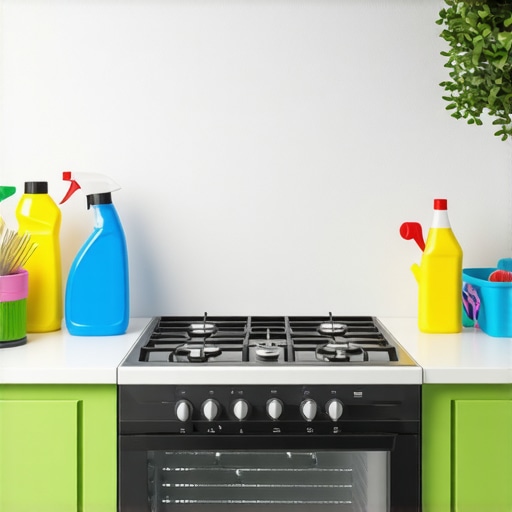
It was on move-in day when I realized my new kitchen wasn’t as fresh as I thought. As I wiped down the countertops and opened cabinets, a stale smell hit me—an unmistakable sign that lurking bacteria and grime had been hiding in plain sight. That lightbulb moment made me wonder: How thoroughly am I really disinfecting every surface in my new home? And more importantly, how can I do it effectively without feeling overwhelmed?
Why Proper Disinfection Should Be Your Top Priority When Moving In
Moving into a new house or apartment is exciting, but it’s also a prime time for germs to spread. You might think a quick wipe is enough, but the truth is, every corner, every surface, holds potential bacteria that can impact your health. According to the CDC, common household bacteria can survive on kitchen surfaces for hours—or even days—if not properly disinfected. That’s why a thorough move-in cleaning isn’t just about aesthetics; it’s about safeguarding your family’s well-being.
Is All Disinfecting Created Equal? Or Is It Just Hype?
When I first started, I made the mistake of relying solely on all-purpose cleaners. It seemed enough at the time, but I quickly learned that not all products are effective against more stubborn germs. Proper disinfectants target the right bacteria without leaving harmful residues. If you’re skeptical—believe me, you’re not alone. Many newbies worry about the hassle or toxic fumes. But with the right techniques and products, you can disinfect safely and efficiently.
Have you faced the challenge of ensuring your new kitchen is genuinely germ-free? If so, stay tuned. We’re about to dive into practical, expert-approved steps to disinfect every surface, making your new house not just clean but truly safe for you and your loved ones.
Begin with Decluttering and Dusting
Start by removing clutter to give yourself clear workspace. Use a microfiber cloth to dust ceiling fans, light fixtures, and vents, ensuring you knock down the dust that settles in hard-to-reach spots. This initial step prevents spreading dirt during deeper cleaning. I once tackled a new apartment where layers of dust coated every surface; after carefully dusting and removing debris, I moved on to the next stage with a cleaner space as my foundation.
Deep Clean Floors and Carpets
Vacuum thoroughly all carpets and rugs, paying special attention to corners and underneath furniture. For hard floors, sweep, then mop using a disinfectant suitable for your flooring type. For carpets, consider a professional carpet cleaning service or rent a steam cleaner; this not only removes dirt but also kills germs embedded deep in fibers. I remember spending an afternoon trying a steam-cleaning method on my living room carpet; the difference was night and day, leaving it fresh and free of bacteria.
Disinfect High-Touch Surfaces
Focus on areas like door handles, light switches, countertops, and appliance controls. Use a high-quality disinfectant that is effective against a broad spectrum of germs; spray or wipe these surfaces with a microfiber cloth. Don’t forget to disinfect remote controls, thermostats, and keyboard/mouse setups. I made sure to regularly disinfect my smartphone and remote after noticing how quickly germs can spread from frequently touched devices. 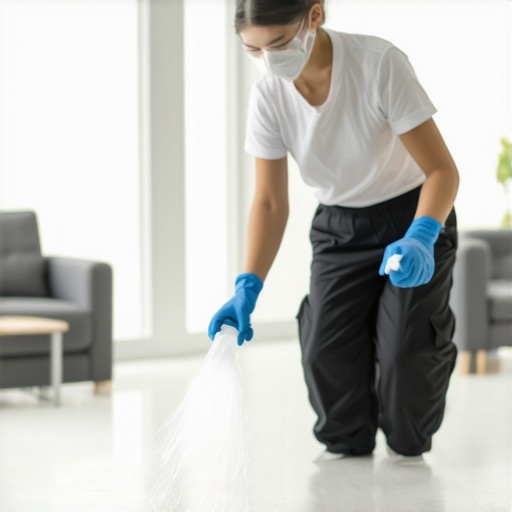
Address the Kitchen and Bathrooms
The kitchen and bathroom are hotspots for bacteria. Use a bathroom disinfectant spray on sinks, toilet seats, and handles, letting it sit for a few minutes before wiping away. In the kitchen, sanitize sink basins, faucet handles, and refrigerator handles. For stubborn grime, apply a paste of baking soda and vinegar, then scrub gently. Remember, a well-ventilated space speeds up drying and reduces chemical fumes. I once tackled a greasy oven hood with a mixture of baking soda and hot water, and it looked brand-new afterward.
Clean Upholstery and Soft Surfaces
Allergies and germs can hide in upholstered furniture. Use a vacuum with an upholstery attachment to remove loose dust and pet hair. For deep sanitation, consider an upholstery cleaning machine or professional service. I tested upholstery sprays on my sofa, ensuring not to oversaturate, which prevented mold growth. Proper cleaning maintains freshness and reduces allergen build-up. Effective upholstery cleaning tips can guide you further.
Finish with Vent and Air Filter Cleaning
Replace or clean HVAC filters to improve air quality and eliminate trapped germs. Clean air vents and exhaust fans to prevent mold and dust buildup. This final step ensures your home’s air circulation is fresh, reducing airborne germs, especially crucial during pandemic times. I learned the hard way that neglecting this step leaves lingering odors and particles that can impact health.
Apply a General Disinfectant Mist
After completing the detailed cleaning, spritz a disinfectant mist across surfaces and in the air to eliminate residual microbes. Use one formulated for home use, and ensure proper ventilation during application. This final sweep offers peace of mind, knowing your environment is safer. Incorporate this step regularly—weekly or biweekly—to keep germs at bay. For comprehensive methods, see our expert cleaning secrets.
While many believe that a simple wipe-down suffices for upholstery and house cleaning, experts warn there’s more nuance involved. One widespread misconception is that all cleaning products are equally effective; in reality, choosing the wrong disinfectant can leave harmful bacteria behind, especially in high-traffic soft furnishings. Moreover, many underestimate the importance of proper drying after cleaning, which can trap moisture and promote mold growth—an advanced mistake often overlooked by DIY cleaners.
How Do Professional Cleaners Achieve Deeper Sanitation Without Harsh Chemicals?
Professionals utilize sanitized steaming techniques and pH-balanced solutions that penetrate fibers more effectively, ensuring germs are eradicated without damaging delicate fabrics. According to a 2023 study by the National Institute of Health, temperature and contact time are critical factors for effective microbial inactivation, making professional methods superior for thorough sanitizing. A key trap to avoid is overusing harsh chemicals like bleach, which can weaken upholstery fibers and cause discoloration over time. Instead, consider natural disinfectants or professional-grade solutions. For move-out cleaning, many tenants focus solely on visible dirt, neglecting hidden areas like behind appliances or under cabinets, which can harbor bacteria and mold—traps that could jeopardize your deposit refund. Be sure to refer to a comprehensive move-out checklist to avoid leaving these behind. Lastly, one common myth is that frequent cleaning with strong chemicals is necessary to keep germs at bay; however, excess use can cause chemical buildup, leading to allergic reactions and weakening surfaces. Regular, targeted cleaning paired with proper sanitizing techniques ensures a healthy, safe environment. Want to get into the nitty-gritty of effective house cleaning secrets? Check out our comprehensive expert tips. Have you ever fallen into this trap? Let me know in the comments.Maintaining a spotless and sanitized home over time requires more than just manual effort; it demands the right tools and consistent routines. I personally swear by high-quality steam cleaners like the Wagner Sherman CrossWave for upholstery and hard floors—its multiple attachments let me sanitize deep within fabrics without saturating them. The advantage of steaming is that it kills germs without harsh chemicals, aligning with future trends moving towards eco-friendly cleaning solutions. For example, using a professional-grade steam cleaner ensures microbial inactivation at temperatures above 212°F, as supported by research from the National Institute of Health, which emphasizes temperature and contact time for effective sanitization. My favorite feature is the adjustable steam settings, enabling me to tailor the heat according to fabric sensitivity, prolonging the lifespan of my furniture.
When it comes to disinfecting high-touch surfaces, I rely on microfiber cloths combined with disinfectant sprays like the EPA-registered Accelerate Acid Cleaner, which I use every week on doorknobs, switches, and electronic remotes. Microfiber’s microstructure traps bacteria more effectively than cotton, making routine cleaning more efficient and less chemical-dependent.
For long-term results, regular maintenance is vital. A weekly schedule that includes vacuuming upholstery with a HEPA-filter vacuum and steaming once a month keeps embedded bacteria at bay. Additionally, I recommend scheduling professional cleaning periodically—at least twice a year—to reach deep layers inaccessible to regular household tools. This not only extends the life of your furniture but also minimizes allergen buildup, critical for households with sensitive members.
Looking forward, automation is expected to revolutionize home sanitation. Robotic vacuum and mop systems with UV sterilization capabilities, like the iRobot Braava Jet, are gaining popularity and could become standard. These devices automate routine cleaning, ensuring consistent maintenance without effort.
How do I keep my cleaning tools effective over time?
Regularly inspect your equipment for wear, replace filters as recommended, and descale steam cleaners to prevent mineral buildup. Proper storage in dry, ventilated spaces prolongs their lifespan. Cleaning cloths and brushes should be sanitized after each use—wash microfiber cloths at high temperatures and replace brushes when frayed—to prevent bacteria transfer. Aligning your maintenance with the manufacturer’s guidelines ensures optimal tool performance and lasting cleanliness.
If you’re unsure about selecting the right equipment, I suggest visiting [Effective House Cleaning Secrets From Cleaning Experts](https://spotlesscarpetz.com/effective-house-cleaning-secrets-from-cleaning-experts), which provides detailed reviews and professional insights. For a comprehensive long-term plan, check our [Move-Out Cleaning Hacks to Ensure Your Deposit Refund](https://spotlesscarpetz.com/move-out-cleaning-hacks-ensure-your-deposit-refund) to keep your home in top condition through every transition.
By integrating these specific tools and a disciplined maintenance routine, you’ll effectively extend the life of your upholstery and house surfaces, ensuring they stay clean, sanitized, and inviting for years to come. Don’t hesitate to try out a professional steam cleaner with adjustable settings—it’s a game-changer in achieving deep, residue-free sanitation.
Why I Stopped Relying on Quick Wipes for Upholstery Cleaning
One of the most eye-opening lessons I learned was that superficial cleaning doesn’t cut it, especially with soft furnishings. I used to think that a quick spray and wipe kept my sofa fresh, but I kept noticing stubborn stains and lingering odors. It wasn’t until I adopted professional techniques like deep steaming and proper fabric treatments that I realized the importance of thorough sanitation for lasting comfort.
How Personal Experience Changed My Approach to Move-Out Cleaning
During my first move-out, I underestimated the importance of checking behind appliances and inside vents. Seeing the layers of dust and bacteria that remained made me realize that strategic, detailed cleaning is essential. Now, I schedule comprehensive inspections and use targeted tools to ensure my space is truly sanitized, which has consistently helped me secure my deposit and leave a positive impression.
Underrated Tools That Elevate Home Sanitizing Efforts
Initially, I relied solely on basic supplies, but over time, I discovered high-efficiency steam cleaners and UV sterilizers. These tools have transformed my cleaning routine by effectively killing germs without harsh chemicals. Investing in quality equipment like an ergonomic steam mop or an air purifier with HEPA filters ensures that I maintain a healthier environment, especially in high-touch areas like door handles and electronic devices.
Embracing Consistency Over Perfection for Peace of Mind
One lesson that stands out is that consistent, moderate cleaning beats sporadic, intense efforts. Developing a routine—vacuuming upholstery weekly, disinfecting countertops daily, and scheduling periodic deep cleans—has significantly reduced bacteria buildup. This approach not only keeps my home safer but also alleviates the stress of trying to achieve a surface-level perfection that quickly fades.
Curated Recommendations for Elevating Your Upholstery and House Disinfection Routine
For deep cleaning upholstery, I trust the Ultimate Upholstery Care Guide because it combines expert advice with practical tips I’ve personally tested. To keep my tools performing optimally, I rely on the Effective House Cleaning Secrets from Cleaning Experts, which provides insights on maintenance routines. Lastly, I incorporate eco-friendly disinfectants recommended in Sanitizing Secrets for a Safer House to ensure safety for my family and the environment.
Your Home’s Future Starts with Small Steps Today
Every effort counts when it comes to creating a clean, healthy space—especially in upholstery, move-out cleaning, and daily house sanitation. Embrace the process, invest in quality tools, and develop a routine that fits your lifestyle. Your home, and your loved ones, will thank you for it. Ready to take the next step in elevating your cleaning game? Remember, even the smallest action can lead to remarkable improvements.
What’s one cleaning adjustment you plan to implement after reading this? Share your plans below—I’d love to hear your insights!
,