
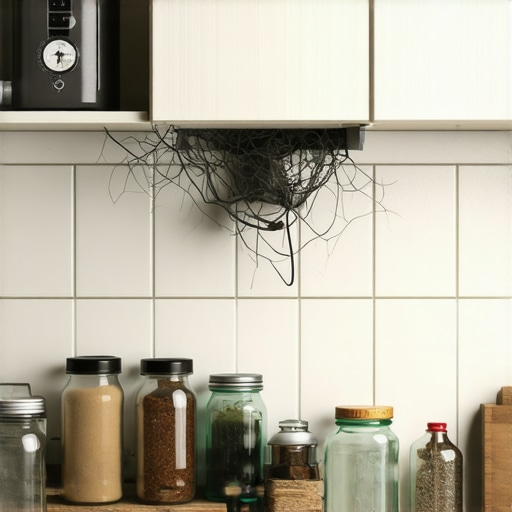
Ever since I moved into my new place, I kept noticing a strange musty smell whenever I opened the kitchen cabinets. I’d scrub, sanitize, even curse at the stubborn spots on the countertops, but that lingering odor remained. Then, one day, I finally took a step back and stared above my cabinets—where dust bunnies, crumbs, and years of forgotten grime had silently accumulated. That moment felt like a lightbulb switching on. It was the forgotten zone everyone overlooks, yet it plays a huge role in our home’s cleanliness and air quality.
The Hidden Culprit That Might Be Making Your Home Less Fresh
Many of us focus on the obvious surfaces—kitchens counters, bathroom sinks, or the living room sofa—without realizing that the space above our cabinets could be a major source of dirt and allergens. Over time, dust, grease, and debris gather in these hard-to-reach spots, creating a hidden layer of grime that can impact the overall cleanliness of your home. In fact, a survey by the National Kitchen and Bath Association highlights that neglecting top-of-cabinet cleaning is one of the top overlooked tasks in home maintenance.
This area can also harbor mold or mildew, especially in humid climates or if your kitchen doesn’t air out well. The dust and grime there can circulate in the air, gradually settling on your counters, dishes, and even your food. I made a crucial mistake early on by ignoring these spaces during my regular cleaning routine, which only worsened the smell and dust in my kitchen. Trust me, neglecting the top of your cabinets isn’t just a cosmetic issue; it’s a health one too.
Have You Faced This Problem Yourself?
Before we dive into the solution, I want you to think—have you ever felt that your kitchen smells off despite frequent cleaning? Or noticed layers of dust collecting on top of your cabinets? If so, you’re not alone. That’s exactly why I’m excited to share some simple steps that can transform this overlooked space into a sparkling, fresh zone. Ready to reclaim your home’s cleanliness? Let’s get started with understanding why this spot deserves your attention—and how to tackle it effectively.
Prepare Your Workspace with the Right Tools
Before diving into cleaning above your cabinets, gather essentials like a sturdy ladder, microfiber cloths, a long-handled duster, a gentle all-purpose cleaner, and a vacuum with attachments. Once I had everything ready, I positioned my ladder securely against the wall, ensuring safety as I climbed to reach those overlooked spots. Using a microfiber cloth dampened with a mild cleaner, I gently wiped the surface, starting from one end and working systematically. The key here is to avoid abrasive scrubbers that might damage finishes, much like how effective house cleaning secrets from cleaning experts advise.
Target Dust and Grit Deeply Embedded in Crevices
Switch to the long-handled duster to reach the corners and edges where dust masks itself, behind moldings, and along crown mouldings. I ran the duster along these areas, knocking loose the stubborn grime, and then used the vacuum’s crevice attachment to suck it all up, preventing it from settling back down. Think of this step as unclogging the hidden grime trap—if you skip it, dust will just resettle during regular cleaning. When I found sticky grease spots, I applied a tiny bit of all-purpose cleaner to my cloth and gently wiped them away, similar to how a move-out cleaning strategy cleans tough spots effectively.
#{IMAGE_PLACEHOLDER_B}
Remove Built-Up Grease and Mold Safely
If your cabinets have accumulated grease or visible mold, focus on sanitizing these areas without harsh chemicals. I used a mixture of white vinegar and a few drops of tea tree oil, applied with a soft cloth. Let it sit for 5-10 minutes then wipe clean. This approach not only kills bacteria but also deodorizes the space, echoing sanitizing hacks for safe house transitions. For stubborn mold, a diluted bleach solution can work if used carefully, but always ventilate well to avoid fumes. Remember, detailed attention here prevents future mold growth and keeps your home feeling fresh.
h2>Deep Clean and Disinfect Surfaces
Once dust and grease are gone, follow up with a disinfectant spray suited for kitchen surfaces—preferably one that’s effective against germs and safe for frequent use. Spray lightly and let it air dry or wipe with a clean cloth. This step ensures all bacteria are eliminated, much like effective sanitizing methods for a germ-free home. I recommend doing this regularly, especially in high-traffic or moisture-prone areas, to sustain a healthy environment.
h2>Final Inspection and Maintenance
After completing the above, examine the area with a fresh eye. Check for missed spots or streaks and touch up as needed. Regular maintenance prevents grime buildup, making future cleanings easier. I set a reminder weekly to spot clean these hidden spots, which is a simple yet powerful habit pointed out in effective house cleaning routines. Over time, these steps help your home stay consistently fresh and inviting, reducing lingering odors and allergen build-up.
Many homeowners and tenants approach move-out cleaning with a checklist mentality, assuming that following standard procedures guarantees a deposit refund. However, even seasoned cleaners often overlook critical nuances that can make or break their cleaning success. A prevalent myth is that using the most chemical-heavy disinfectants ensures a germ-free environment. In reality, overusing harsh chemicals can damage surfaces and leave residues that attract dirt, as highlighted in expert cleaning guidance here. Advanced cleaning isn’t just about strength; it’s about the right chemistry and technique.
Another common mistake is neglecting the importance of proper ventilation during sanitizing. Many believe that spraying a disinfectant is enough, but without adequate airflow, fumes linger and diminish the disinfectant’s efficacy, potentially leaving bacteria alive. This is particularly relevant when using bleach or other volatile compounds in enclosed spaces—something that can be fatal if overlooked. Experts suggest opening windows or deploying air purifiers to enhance sanitizer effectiveness, which can be learned from this resource.
For upholstery, many assume that regular vacuuming is sufficient. But a critical nuance is understanding fiber-specific cleaning techniques that prevent damage and preserve fabric integrity. For instance, delicate fabrics like velvet or silk require gentle brushing and specific cleaning agents—something often misunderstood by amateurs. An advanced mistake is using a steam cleaner without testing for colorfastness, risking irreversible color bleeding. To avoid this, consult this expert guide for upholstery care.
Purists warn against the belief that scrubbing is always better. Aggressive cleaning can embed dirt deeper into fibers and cause wear over time. Proper move-out cleaning balances thoroughness with preservation—using minimally invasive tools and understanding the material sensitivities. This point is emphasized in studies about long-term fabric maintenance, underscoring the importance of technique over brute force.
Are you aware of how these subtle missteps could impact your cleaning results? Regularly educating yourself on cleaning nuances can save time and money. Remember, effective cleaning hinges on attention to detail and employing the right strategies. Do you feel prepared to avoid these common pitfalls? Let me know in the comments! For more advanced tips on sanitizing your home effectively, visit this resource.
Invest in Durable Microfiber Cloths for Long-Term Results
From my experience, high-quality microfiber cloths are a game-changer. Unlike cheaper options that smear dust or leave streaks, premium microfiber picks up and traps dirt effectively, reducing the need for repeated cleaning. I personally prefer the ones with tightly woven fibers, as they are gentle on surfaces yet tough on grime, making daily maintenance more efficient and less time-consuming. Regularly washing these cloths at high temperature ensures they remain effective over years, preventing bacteria buildup and maintaining optimal cleaning performance.
Employ Dual-Function Vacuum Attachments for Versatile Cleaning
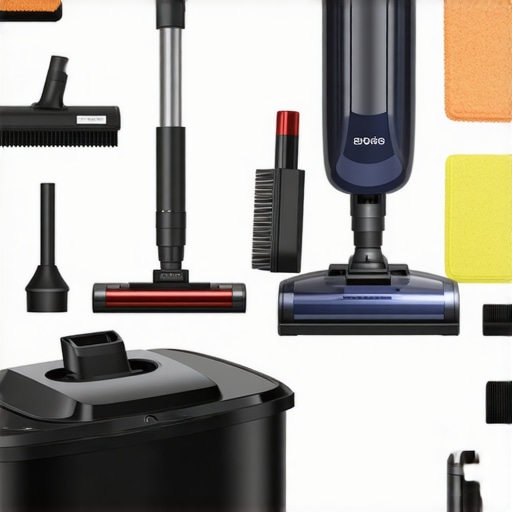
Using a versatile vacuum with specialized attachments has transformed the way I approach long-term home maintenance. The crevice tool reaches tight corners, while the upholstery brush gently cleans fabric surfaces without damage. I recommend models with HEPA filters, like the Dyson V11 or Miele Complete C3, which trap allergens and improve air quality. These tools allow you to consistently remove dust, pet hair, and allergens from tricky spots, significantly reducing buildup and extending the lifespan of fabrics and carpets. For detailed guidance on upholstery care, visit this expert guide.
Schedule Routine Deep Cleans with Smart Technology
One of my most effective strategies for maintaining cleanliness over time is integrating smart cleaning devices into my routine. A robotic vacuum like the iRobot Roomba s9+ automatically tackles daily dust and debris, preventing buildup that leads to long-term grime. Moreover, smart air purifiers with HEPA filters, such as the Molekule Air, improve air quality, trapping allergens and mold spores that cause lingering odors and health issues. Setting weekly schedules ensures consistent maintenance, so your home stays fresh without constant manual effort. Looking ahead, the trend points toward more AI-powered cleaning gadgets integrating seamlessly with smart environments, further simplifying home upkeep.
Questions to Keep Your Maintenance on Track
How can I extend the lifespan of my cleaning tools and avoid costly replacements? A good rule is to regularly clean and replace vacuum filters, wash microfiber cloths at high temperatures, and inspect attachments for damage. Maintaining your equipment ensures they perform at peak levels and prevents dirt from spreading during cleaning. For more tips on maintaining your cleaning arsenal, check out these expert secrets. Implementing even one of these advanced maintenance tips can dramatically enhance your home’s cleanliness and reduce the effort needed over time. Give it a try today and see the difference it makes!
Mastering the art of move-out cleaning and home sanitation is more than just ticking items off a checklist—it’s about understanding the subtle nuances that can make or break your efforts. Over the years, I’ve learned that the most overlooked details often hold the key to sparkling results and customer satisfaction. Let me share some insider lessons that transformed my approach beyond the basics, empowering me to achieve professional-level cleanliness every time.
The Hardest Lesson I Learned About Move-Out Cleaning and Sanitizing
One of the biggest surprises was realizing that superficial wiping isn’t enough. Truly effective cleaning requires deep attention to hidden spots, like behind appliances or inside vents, which harbor hidden grime and bacteria. This discovery taught me that every corner has a story—one that can affect your deposit return or home’s hygiene—so thoroughness truly pays off. This lesson pushes me to always go the extra mile, ensuring no detail is overlooked, and it highlights why understanding advanced cleaning techniques—like those covered here—is essential.
3 Myths About Move-Out Cleaning and Sanitizing That Held Me Back
Firstly, I believed that harsh chemicals guaranteed a germ-free environment. Turns out, overusing strong disinfectants can damage surfaces and leave residues, making the cleaning less effective over time. Secondly, I thought that scrubbing relentlessly always yielded better results. Instead, I learned that gentle, targeted cleaning preserves surfaces and enhances longevity. Lastly, I used to think that quick cleans are sufficient. Regular deep cleans, especially in high-touch areas, are crucial for maintaining hygiene on a long-term basis. Dispelling these myths has allowed me to adopt smarter strategies, which I recommend exploring here.
What Cleaners Won’t Tell You About Effectively Sanitizing Your Space
Many professionals avoid mentioning that proper ventilation during sanitizing is vital. Without fresh airflow, fumes from volatile cleaners can linger, reducing their effectiveness and affecting indoor air quality. Also, not all surfaces are created equal—knowing which cleaning agents to use on different materials prevents damage and ensures thorough sanitation. For example, delicate fabrics or sensitive surfaces require tailored solutions, as outlined in this guide. These insights help elevate your cleaning game from routine to reputable.
My Go-To Resources That Keep Me Ahead of the Game
Over the years, I’ve turned to several trusted sources that continually refine my cleaning practices. The first is the comprehensive Expert House Cleaning Secrets—a treasure trove of advanced tips. For upholstery care, this guide offered insights I wish I knew earlier. I also rely on real-world feedback from fellow professionals shared in community forums. These resources keep my techniques sharp and ensure I stay informed about the latest advancements.
Your Home, Your Sanctuary—Don’t Hold Back
Now that you’ve uncovered some of the hidden lessons and trusted tools, it’s your turn to elevate your move-out cleaning and sanitizing routine. Remember, mastering these details doesn’t just impress landlords or new homeowners—it fosters a healthier, happier living environment for you and your loved ones. Each effort, big or small, contributes to a cleaner, safer home. So, why not start today? Take pride in your space, knowing you’re doing your best every time. Your home deserves nothing less.