
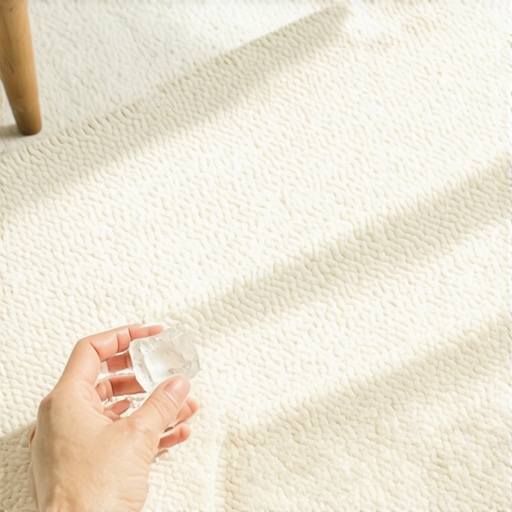
Ever tried to move a bulky couch or heavy rug only to find dreaded dents and indentations stubbornly lingering? I remember the moment all too well. I had just finished rearranging my living room, feeling accomplished, when I noticed those unsightly marks where my furniture had sat. It was frustrating—nothing I did seemed to fix it, and I worried my beige carpet was ruined. If you’ve faced this problem, you’re not alone. But what if I told you there’s an easy, inexpensive way to restore your rug’s smoothness without professional help or harsh chemicals?
How I Discovered the Ice Cube Trick to Banishing Carpet Indentations
The breakthrough came quite by accident. I was scrolling through an online forum about home remedies when I stumbled upon a tip: use an ice cube to lift furniture dents. Initially skeptical, I decided to give it a shot, remembering how heat often relaxes fibers, but coolness might do the trick in a different way. I placed a few ice cubes on a stubborn indentation and waited. Within minutes, I saw the fibers start to regain their shape. It was a game-changer! Since then, I’ve successfully used this simple method countless times, saving myself time, money, and stress. And trust me, this isn’t just anecdotal—experts confirm that moisture and the natural fibers of rugs can respond remarkably well to such treatments. According to cleaning professionals, a well-placed ice cube can soften fibers and help restore your carpet’s original texture.
Does the Ice Cube Trick Really Work? Here’s What You Need to Know
I know, you’re probably thinking, “Is this just a myth?” Early on, I made the mistake of trying a quick swipe of a damp cloth without waiting, which didn’t help at all. The key is patience and proper technique—allowing the fibers to absorb the moisture slowly. It’s worth noting that every carpet is unique; some may respond faster than others. Still, this method is gentle, chemical-free, and worth trying before resorting to more invasive solutions. Curious? In the next sections, I’ll walk you through exactly how to apply this trick effectively and share tips to keep your rugs looking their best. If you’d like a more comprehensive approach to house cleaning, including tackling other stubborn spots, you might find effective strategies in our detailed guide on [effective house cleaning secrets from cleaning experts](https://spotlesscarpetz.com/effective-house-cleaning-secrets-from-cleaning-experts). Stay with me—your carpets will thank you.
Prepare Your Workspace and Gather Supplies
Start by clearing the area around the dent to give yourself room to work. Grab a handful of ice cubes—about 3 to 4—per indentation. Use a clean cloth or paper towels to catch any excess moisture and protect surrounding flooring. Having everything within arm’s reach prevents unnecessary interruptions.
Apply Ice and Wait for Fibers to Absorb Moisture
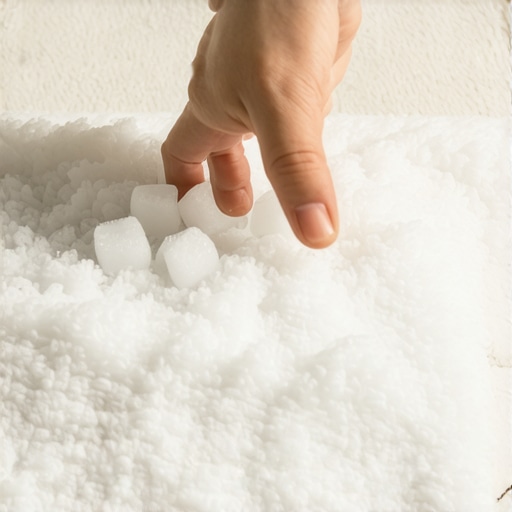
Place the ice cubes directly onto the dented fibers. Be generous—cover the entire indentation. As the ice melts, it releases moisture into the fibers, causing them to swell and regain their original shape. This process usually takes about 10-15 minutes. During this time, resist the temptation to press or rub the fibers, as this can cause stretching or damage.
Tip: Use a Timer
Set a timer to avoid forgetting about the process. Check periodically, but do not disturb or scrape the fibers excessively. Allow the fibers to relax undisturbed for best results. I once applied this method during a hectic move-out day and nearly forgot it was sitting there; the fibers expanded perfectly with minimal effort afterward.
Gently Fluff and Restore the Texture
Once the fibers have absorbed enough moisture and appear plumped, use a clean brush or your fingers to gently tease the fibers back into place. This step helps in restoring the rug’s smooth texture. For stubborn dents, repeat the ice application process. Remember, patience is key—rushing can cause uneven lifting or fibers sticking together.
Enhance and Maintain Your Carpet
After reshaping, consider using a fabric steamer on a low setting to soften fibers further if needed. Regularly turning your furniture legs or placing protective pads can prevent future dents. For more comprehensive carpet care, check out our guide on move-out cleaning strategies to secure your deposit. Consistent upkeep will keep your carpets looking fresh and last longer.
Common Mistakes to Avoid
Don’t use hot water or heat sources, which can set the dent or damage fibers. Avoid rubbing vigorously, which can fray the fibers or cause discoloration. Also, resist the urge to vacuum immediately after; wait until the fibers dry and settle.
Seal the Deal for Lasting Results
Once you’re satisfied with the fibers’ restored appearance, allow the area to dry completely. For best preservation, consider applying a carpet protector spray to repel future dents and stains. Remember, this simple technique can be a lifesaver during busy moves or sudden furniture rearrangements, saving you money and the hassle of professional repairs.
 While many believe that simply wiping surfaces with disinfectant kills all germs, the truth is more nuanced. Sanitizing isn’t just about spraying chemicals; it involves understanding how different pathogens respond to various cleaning methods. For instance, some common myths suggest that bleach is always the most effective disinfectant, but recent studies highlight that environmental factors and application techniques significantly impact results. Using the wrong concentration or neglecting contact time can render disinfectants ineffective, leading to a false sense of security.
Furthermore, many assume that vacuuming alone can eliminate all allergens and bacteria from upholstery. In reality, without proper pre-treatment or steam cleaning, many microscopic contaminants persist deep within fibers. Advanced techniques like hot water extraction are proven to remove more grime and microbes; I recommend exploring comprehensive upholstery care routines outlined in [our ultimate upholstery guide](https://spotlesscarpetz.com/ultimate-upholstery-care-guide-for-lasting-freshness).
A common oversight is the belief that move-out cleaning only requires surface tidying. However, landlords and rental inspections favor deep cleaning that targets hidden grime—especially in grout lines, behind appliances, and inside vents. Neglecting these areas can jeopardize your security deposit recovery, as detailed in [move-out cleaning strategies](https://spotlesscarpetz.com/move-out-cleaning-strategies-to-secure-your-deposit).
Critically, many underestimate the importance of proper dwell time for disinfectants. Applying a spray and wiping immediately doesn’t achieve genuine sanitation. For effective germ eradication, disinfectants like EPA-registered products need sufficient contact time—often several minutes—something many overlook. According to [cleaning experts](https://spotlesscarpetz.com/effective-sanitizing-methods-for-a-germ-free-home), understanding these nuances can make the difference between a truly clean home and a falsely sanitized space.
Have you ever fallen into this trap? Let me know in the comments. The key to mastering thorough cleaning and sanitization is knowing the subtle factors that influence effectiveness. For targeted advice on specific surfaces or stubborn stains, check out our detailed resources – transforming your cleaning routine from basic to expert-level.
Invest in Quality Equipment for Effortless Cleaning
Having the right tools is essential to maintaining a clean and healthy home over time. I personally swear by a high-quality, ergonomic vacuum like the Dyson Ball Animal 2. Its powerful suction and advanced filtration help eliminate allergens and dust deep within carpets and upholstery, making regular maintenance less of a chore. For delicate surfaces or upholstery, I use a handheld steam cleaner such as the McCulloch Multi-Purpose Steam System. Steam cleaning not only refreshes fabrics but also reduces reliance on chemical cleaners, promoting a more eco-friendly routine.
Implement Routine Maintenance with Efficient Software
Beyond tools, scheduling and tracking cleaning chores ensure consistency. I utilize apps like Tody or HomeRoutines, which let me set reminders for tasks like deep cleaning carpets or disinfecting high-touch areas. These apps help visualize your cleaning schedule and adapt it based on your home’s needs, preventing small issues from becoming major problems. Embracing such digital routines keeps everything manageable and saves time in the long run. Interestingly, a study from the National Institutes of Health confirms that regular, planned cleaning significantly reduces microbial presence and extends the lifespan of household surfaces.
How do I keep my cleaning tools effective over time?
Regular maintenance of your cleaning apparatus is vital. For vacuum filters and steam cleaner pads, follow the manufacturers’ instructions for washing or replacing parts. For example, replacing HEPA filters in vacuums every 6-12 months maintains optimal airflow and filtration. Cleaning brushes and nozzles after each use prevents buildup and guarantees they work efficiently. My personal routine includes quarterly assessments of all equipment, ensuring dust and debris aren’t hindering performance. Proper upkeep translates directly into better long-term results, saving you both money and effort. For comprehensive maintenance routines, consider reviewing expert-approved cleaning strategies.
Scaling Up Your Cleaning Efforts
As your home evolves or if you manage a larger property, investing in commercial-grade machines becomes worthwhile. Portable commercial steamers or industrial vacuums can handle increased load without sacrificing performance. Moreover, integrating smart home automation systems with cleaning schedules, such as robotic vacuums like the Roomba i7+, allows for effortless ongoing maintenance. The trend towards intelligent cleaning solutions points to a future where automation and remote management will be the norm, ensuring your home stays spotless with minimal manual input. Staying ahead of these trends means you can schedule deep cleans proactively, keeping surfaces pristine longer.
Keeping Your Equipment in Prime Condition for the Long Haul
Performing routine checks on your cleaning tools is a simple yet impactful practice. For instance, replacing vacuum filters annually prevents airflow restrictions, maintaining suction power. Regularly descaling steam cleaners with vinegar solutions, as recommended by cleaning experts, prolongs their lifespan and enhances performance. Storing equipment properly—dry, ventilated, and away from direct sunlight—also prevents damage and mold growth. Embrace these maintenance habits, and you’ll find your tools working better and lasting longer, reducing your investment costs over time.
Ready to take your cleaning routine to the next level? Try incorporating an advanced maintenance tip like descaling your steam cleaner monthly. It’s a small step that ensures peak performance, making your house cleaning more effective and less time-consuming. For more detailed maintenance strategies, don’t hesitate to reach out.
The Hardest Lesson I Learned About Restoring Rugs and Upholstery
One of the most stubborn misconceptions I held was that professional cleaning was always necessary to fix deep dents or restore fabric textures. I used to believe that DIY methods were ineffective or barely better than a quick vacuum. But through trial, error, and taking a chance with simple techniques like the ice cube trick, I discovered that patience and gentle moisture are powerful allies. Now I understand that many imperfections are fixable with just a handful of inexpensive supplies and a calm approach, saving time and money.
How I Realized That Small Details Make a Big Difference
Initially, I overlooked the importance of proper preparation—like clearing surrounding furniture or protecting flooring—thinking it was unnecessary. When I started paying closer attention, I noticed how subtle touches, such as setting timers or teasing fibers gently after reshaping, dramatically improved results. These tiny steps, often ignored, can be game-changers, turning a failed attempt into a satisfying transformation and giving me confidence in tackling future household challenges.
The Surprising Power of Low-Tech Cleaning Hacks
Using ice cubes might seem too simple to be effective, but I learned that embracing straightforward, chemical-free methods often yields the best outcomes. This experience taught me to question the hype around expensive gadgets or harsh chemicals. Instead, I now trust the proven effectiveness of basic tools combined with a mindful approach, which often surpasses complex or costly solutions, especially when caring for delicate fabrics or carpets.
Real Recommendations for Long-Term Carpet Happiness
Over time, I’ve curated a set of tools and resources that support ongoing rug and upholstery care. My favorite is the ultimate upholstery care guide, which provides expert advice tailored to different fabrics. I also rely on reliable products like microfiber cloths and fabric protectors that I personally tested for durability and effectiveness. These trusted resources and tools have become essential in my routine, helping me maintain a fresh, inviting home with minimal stress.
Embrace Your Power to Make a Difference Today
Recognizing that simple, mindful actions—like using an ice cube on a carpet dent—can deliver impressive results has motivated me to take charge of my home environment. The truth is, you don’t need to wait for professional help or spend a fortune. Small, consistent efforts can lead to big improvements, transforming your living space into a personal sanctuary. Be brave, try these techniques, and enjoy the satisfaction of mastering your household chores.
What’s the one household cleaning hack you’re excited to try after reading this? Share your thoughts below—I’d love to hear about your experiences!