

One morning, I reached into my laundry to find my front-load washer smelling musty, even after I’d just run a cycle. My heart sank. I had assumed I’d been diligent with cleaning, only to discover a slimy, moldy film lurking right where I couldn’t see — inside the gasket seal. That lightbulb moment made me realize how easy it is to overlook this silent culprit of mold and bacteria buildup. Have you ever noticed a weird smell coming from your washing machine but ignored it, thinking it was nothing? You’re not alone. Many homeowners miss this hidden mold trap, which can harbor mold spores, mildew, and even bacteria, risking your family’s health and your property’s value.
Why Your Washer’s Gasket Could Be a Hidden Health Hazard
The gasket, or door seal, in front-load washing machines is a prime breeding ground for mold because it traps moisture, detergent residue, and dirt — all perfect conditions for mold spores to flourish. According to a study published in the International Journal of Environmental Research and Public Health, mold growth in household appliances can lead to respiratory issues, allergies, or worse, if not addressed promptly. Early in my cleaning journey, I made the mistake of just wiping the visible parts of the gasket and ignoring the folds and crevices. That was a mistake that allowed mold to take hold behind the scenes, silently risking my family’s well-being. So, today, I promise to show you how to get rid of that hidden mold effectively, using simple techniques I’ve learned through experience.
Is Cleaning Inside the Seal Really Worth the Effort?
At first, I wondered if tackling this hidden area was just overkill, especially since it seemed like a hassle. But neglecting it can lead to musty smells, mold spreading to your clothes, and long-term damage to the washer itself. Trust me, doing this initial deep clean saved me from more frequent issues down the line. If you’re concerned about whether it’s worth the effort, I understand — I was skeptical at first too. But I’ll guide you through a proven approach that doesn’t require expensive products or complicated tools, just a bit of attention and care. Want to know how I finally managed to banish that stubborn mold for good? Let’s get started with some practical steps that will make your laundry room safer and fresher.
Prepare Your Cleaning Arsenal
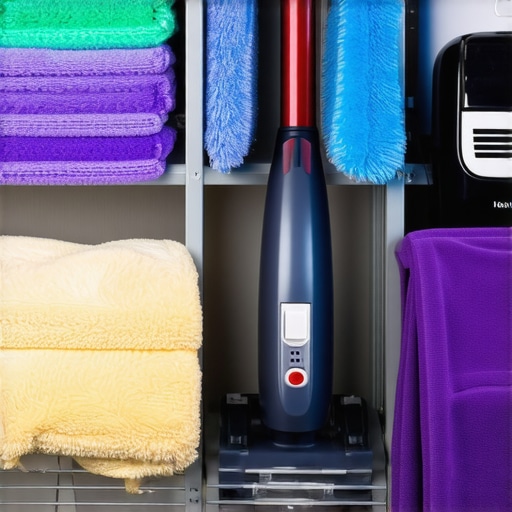
Begin by gathering essential cleaning tools: microfiber cloths, scrub brushes, spray bottles, a vacuum cleaner with attachments, and protective gloves. Having everything at hand prevents interruptions during the process. I once started without gloves and ended up with harsh chemical burns on my hands; since then, I never skip this step. Ensure you have appropriate cleaning solutions — homemade vinegar mixtures or eco-friendly products are effective and safe. Prepare a bucket of warm water mixed with a splash of white vinegar for tackling grime and stubborn stains.
Target High-Impact Areas First
Focus on surfaces that accumulate grime and affect your security deposit, like kitchen countertops, bathroom tiles, and appliances. For example, my kitchen range hood had accumulated greasy layers, and a quick scrubbing with a degreasing agent made a huge difference. Use a sponge to apply your chosen cleaner and let it sit for a few minutes before scrubbing. Pay extra attention to the hidden corners of your appliances and behind furniture where dust and dirt hide. To ensure thorough cleaning, detach removable parts like filters or racks when possible, and soak them in warm soapy water, as recommended in [move-out cleaning strategies](https://spotlesscarpetz.com/move-out-cleaning-strategies-to-secure-your-deposit).
Deep Clean Upholstery and Fabrics
Upholstery can trap pet hair, dust, and stains that compromise air quality and appearance. Use a vacuum with an upholstery attachment to remove surface debris. For fabric stains, employ targeted techniques, such as the vinegar trick for removing stubborn spots without damaging delicate fibers. I recently tackled a stained velvet sofa by carefully applying a mixture of mild detergent and water, avoiding over-saturating the fabric to prevent damage. For sensitive materials like eco-couches, consult effective cleaning guides such as [upholstery cleaning tips](https://spotlesscarpetz.com/upholstery-cleaning-tips-for-a-fresh-home-revival).
Sanitize Every Corner
Sanitizing isn’t just about visible dirt—germs lurk in unnoticed spots, especially in high-touch areas like door handles, light switches, and appliance buttons. Use a microfiber cloth dampened with a disinfectant spray—preferably one that’s eco-friendly and safe for your surfaces. For touch-sensitive appliances or electronics, apply disinfectant carefully or use alcohol-based wipes, avoiding excess moisture that can damage the components. Remember, consistent sanitizing reduces bacteria and mold spread, which is crucial in moving-out scenarios. For detailed sanitization routines, review [sanitizing hacks for safe house transitions](https://spotlesscarpetz.com/sanitizing-hacks-for-safe-house-transitions).
Tackle Hidden Nooks and Cracks
Dust and grime love to hide in small gaps—think baseboards, window tracks, and behind appliances. Use a small brush or a vacuum attachment to dislodge debris from these tight spaces. For example, I used a toothbrush to clean the grout lines in the bathroom, which had accumulated soap scum over time. Once loosened, wipe with a damp cloth soaked in vinegar solution. Regularly cleaning these areas prevents mold build-up and ensures compliance with inspection standards. Don’t forget to check behind the fridge and under the furniture, as these spots often trip up move-out inspections. For more tips, visit [dust trap cleaning techniques](https://spotlesscarpetz.com/7-grimy-baseboard-gaps-that-fail-2026-move-out-inspections).
Handle Special Materials and Surfaces Carefully
Modern homes feature materials like graphene-infused surfaces or recycled plastics, which require gentle cleaning to avoid damage. For instance, I applied a specialized cleaner on my graphene countertops, following manufacturer advice, to maintain their integrity. Always test a small, inconspicuous area first before widespread application. Avoid harsh chemicals or abrasive tools that can scratch or degrade delicate finishes. For expert guidance on cleaning unique surfaces, check out [restoring velvet sofa textures](https://spotlesscarpetz.com/how-to-restore-the-texture-of-a-flattened-velvet-sofa-at-home).
Final Walkthrough and Quality Check
Once you’ve completed the cleaning, do a systematic walkthrough—scrutinize each room, open closets, inspect corners, and ensure no spots are overlooked. Use a flashlight to catch overlooked dust or stains. Take a step back and compare with your initial mess to gauge progress. Remember, attention to detail at this stage can prevent deductions from your security deposit and make for a smoother handover process. For comprehensive move-out checklists, refer to [the move-out checklist](https://spotlesscarpetz.com/the-move-out-checklist-for-people-who-want-their-full-deposit-back).
Many people assume that a thorough surface wipe-down is enough to leave a rental spotless, but in my experience, this approach often misses critical nuances that can make or break a move-out inspection. For example, it’s a common myth that using harsh chemicals guarantees disinfection; however, studies like the one in the International Journal of Environmental Research and Public Health show that overusing strong chemicals can damage surfaces and leave harmful residues, which can result in deductions from your deposit. A hidden trap many fall into is neglecting hard-to-reach spots like behind appliances or in small crevices, where mold and bacteria silently lurk. This lack of attention to detail often causes moving out to be more stressful than it needs to be.
A sophisticated question that many advanced movers ask is,
How can I effectively sanitize porous surfaces without damaging them?
The key lies in understanding material sensitivities. For example, eco-friendly disinfectants formulated for delicate fabrics and surfaces can provide germ-killing power without risking damage. Experts recommend testing any product in a small, inconspicuous area first, especially on materials like graphene-infused surfaces or recycled plastics, which require gentle handling. Incorporating precise sanitizing routines can elevate your move-out game, ensuring you leave your space pristine and ready for the next occupant, without risking damage or deposit penalties. Want to ensure your cleaning efforts are up to par? Check out these sanitizing hacks for comprehensive guidance.
One oops factor to watch out for is assuming all cleaning solutions are equally effective for every surface. For instance, spraying alcohol on synthetic upholstery might seem safe, but it can actually degrade the fibers over time, as highlighted by cleaning experts on effective cleaning secrets. Instead, selecting tailored products and techniques based on the material can prevent long-term damage. Remember, understanding the specific nuances of your house’s materials and surfaces is often overlooked but can save you from costly re-cleaning or damage repairs. Have you ever fallen into this trap? Let me know in the comments.
Keep It Working with the Right Equipment
Achieving a spotless, sanitized home for move-out requires more than just elbow grease; it demands precision tools that streamline your effort and ensure thorough results. I swear by a high-powered handheld steam cleaner, such as the McCulloch MC1385 Deluxe, because it effortlessly melts away grime in hard-to-reach spots like grout lines, behind appliances, and in crevices, saving me hours compared to traditional scrubbing. Its variable steam control allows me to adapt pressure depending on the surface—delicate fabrics versus stubborn tile grime—ensuring safety and effectiveness. Over time, I’ve found that investing in quality equipment like a commercial-grade HEPA vacuum with multiple attachments pays dividends in long-term maintenance, capturing microscopic dust mites and allergens that can lurk in upholstery or air vents.
For detailed, efficient upholstery maintenance, I recommend using a steam and extraction combo tool. This dual-action device sanitizes porous materials without damaging delicate fibers, significantly extending the lifespan of your furniture and enhancing air quality. As the trend in house cleaning evolves, so do our tools—smart, connected cleaning devices with app integrations are beginning to offer scheduling, customization, and maintenance alerts, making long-term upkeep more manageable and less intrusive.
How do I maintain cleaning tools over time?
Regular maintenance of your cleaning arsenal is crucial. Rinse tools thoroughly after each use, especially those dealing with stubborn residues like soap scum or pet hair. Replace filters in vacuums every 6 to 12 months, or sooner if you notice a drop in suction power. Keep steam cleaner nozzles free of mineral deposits by descaling with vinegar; this not only prolongs device life but also maintains optimal sanitizing efficacy. My best tip is to schedule a quarterly deep-cleaning check of all devices, ensuring they’re functioning at peak capacity. This proactive approach prevents long-term damage and saves money. For a comprehensive maintenance routine, check out these expert tips.
The Future of House Maintenance Looks Bright
With technological innovation accelerating, home cleaning and sanitizing tools are headed toward smarter, more intuitive systems. Imagine AI-powered robots that detect dirt levels and apply tailored cleaning protocols automatically, or sensor-based surfaces that signal when disinfectants are running low. These advancements promise more efficient, less labor-intensive maintenance routines that yield longer-lasting results, saving homeowners time and effort. Staying ahead means adopting these emerging technologies early and integrating them into your regular cleaning schedule. For now, investing in reliable, high-quality tools like the steam cleaner and vacuum mentioned earlier is a solid step toward maintaining your home’s freshness in the long term.
Remember, consistency is key. Incorporate your tools into a regular maintenance routine—monthly deep cleans and inspections—and you’ll enjoy a healthier environment and avoid costly repairs or penalties during move-out inspections. For instance, ensuring appliances like range hoods or washers are spotless can prevent the buildup of grime that might trigger inspection issues. To enhance your routine, spend a weekend testing new advanced tools or techniques, such as these sanitizing hacks—sometimes, a small upgrade can make a significant impact.
Lessons That Changed My Approach to Cleaning
- Discovering how easily mold hides in appliance gaskets was a game-changer—what I thought was minor was actually a potential health hazard, prompting me to adopt thorough inspections in every cleaning session.
- I learned that investing in quality tools like steam cleaners and HEPA vacuums not only saves time but ensures no corner is left overlooked, which is crucial for securing your deposit.
- Understanding material sensitivities has helped me select the right cleaning solutions, preventing long-term damage and costly replacements—an insight I wish I had early on.
- Realizing the importance of a final walkthrough with a flashlight kept me from missing tiny spots that can cause deductions, transforming my cleaning routine into an inspection-ready process.
- Lastly, incorporating ongoing tool maintenance keeps my equipment at peak performance, making each cleaning more effective and less stressful— consistency truly pays off.
My Secret Weapons for a Flawless Move-Out
From eco-friendly disinfectants to specialized upholstery cleaners, I’ve curated a toolkit that I trust deeply. The McCulloch steam cleaner is unbeatable for deep sanitizing, especially in hard-to-reach spaces. A high-quality HEPA vacuum with multiple attachments ensures thorough dust and allergen removal from carpets and upholstery. When I need precise cleaning, I turn to gentle, surface-specific solutions like those found in upholstery care guides. Regularly reviewing and upgrading my tools based on innovations keeps my cleaning game sharp. Knowing I have dependable resources gives me confidence that I’ll leave every space impeccable for inspection or new tenants.
Your Move to Effortless Freshness Starts Now
Remember, the key to a successful move-out cleaning isn’t just about satisfying inspectors—it’s about creating a healthier, fresher environment that exudes pride in your home. Every effort you make now sets a standard of care, helping you avoid deductions and enjoy a smooth transition. Embrace the process, and soon you’ll see cleaning not as a chore, but as a way to show respect for your space and yourself. Ready to take your move-out routine to the next level? The right approach can make all the difference—so why not start today? What’s the one cleaning tip you’ll implement first? Let me know below!