
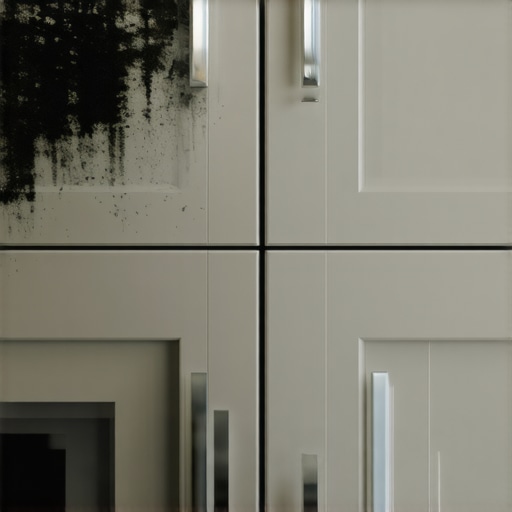
It was a moment of dread. I was running my final sweep before handing over the keys, hearts pounding, when I spotted it—a gleaming, stubborn patch of sticky residue right above the kitchen cabinets. That tiny speck transformed into a full-blown panic. Landlords hate surprises like that, and I knew my security deposit was on the line.
Why That Lingering Gunk Could Cost You Your Deposit
Trust me, I’ve been there. That grimy stretch of residue may seem harmless, but its presence can lead to dreaded deductions during move-out inspections. As a seasoned cleaner, I’ve learned that those small, overlooked spots often spell big trouble, thanks to their stubborn stubbornness and the tricky spots where grime tends to hide. When I first started, I made the mistake of scrubbing wildly with household cleaners, only to realize that some residues cling stubbornly to surfaces, especially above high cabinets where dust and grease accumulate unnoticed.
These residues aren’t just unsightly; they can be a red flag for inspectors, signaling neglect or poor cleaning. According to real estate experts, the difference between a full deposit refund and a deduction often hinges on our ability to address these hidden grime traps effectively.
What We Will Cover Today
In this post, I will share the exact strategies I’ve tested—and perfected—to banish sticky residue from those hard-to-reach spots. You’ll learn how to identify the stubborn areas, the safest and most effective cleaning agents, and simple tricks that make the process smoother. Whether you’re planning to move soon or just want to keep your home impeccable, mastering this skill is essential. Ready to tackle that grimy ordeal? Let’s dive into the proven methods that will save your security deposit and leave your kitchen shining.
Target Dirt and Residue with Precision
Start by identifying regions with built-up grime, especially above cabinets, behind appliances, and along baseboards. Use a microfiber cloth to gently wipe off loose dust and cobwebs—I recall a time I barely reached the corner behind my fridge, only to find layers of dust that had been overlooked for months. Once dust is removed, spray a degreasing cleaner, like a homemade mix of dish soap diluted in warm water, onto the sticky spots. Let it sit for 5-7 minutes to loosen stubborn residues.
Deep Clean Hard-to-Reach Areas
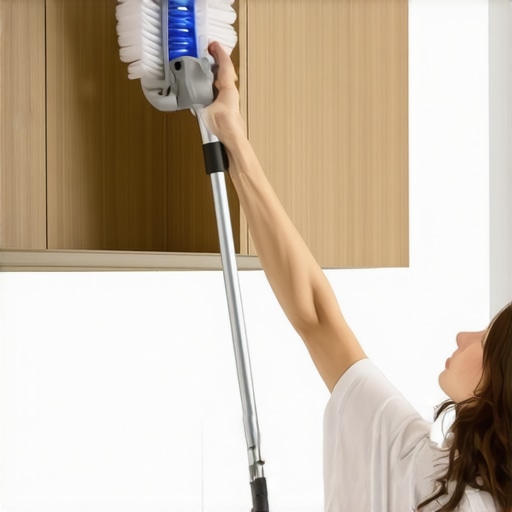
For areas above cabinets or tight spots, utilize a long-handled scrub brush or a microfiber mop pad attached to an extendable pole. This extra reach helps you scrub without risking a fall or damaging surfaces. In my experience, applying a bit of baking soda directly on the residue before scrubbing enhances the cleaning power and prevents scratching. After scrubbing, wipe with a damp cloth to remove any remaining residue, ensuring no sticky film is left behind.
Use Safe and Effective Cleaning Agents
Opt for gentle yet powerful cleaners. For grease, vinegar diluted with water (1:1 ratio) works wonders, but avoid using vinegar on marble or natural stone surfaces—test a small area first. For tough residues, a paste of baking soda and water applied with a soft sponge can break down stubborn grime. Remember, aggressive chemicals can damage surfaces and void warranties. For upholstered or fabric surfaces, check out professional upholstery cleaning tips to prevent damage.
Effective Tools Make the Difference
Equip yourself with the right tools: plastic scrapers for paint or wax spots, soft-bristled brushes for delicate finishes, and microfiber cloths for polishing. In my last project, I used a plastic spatula to gently lift a dried glue patch from the cabinet surface, preventing scratches. Always test a small area before applying any abrasive tool to larger surfaces.
Finish with Sanitation and Safety Checks
Once residues are gone, sanitize the cleaned areas with a disinfectant spray, especially kitchen surfaces where bacteria can thrive. Follow the instructions carefully, avoiding oversaturation that can seep into walls or cabinetry. For comprehensive sanitation, incorporate sanitizing hacks to ensure every nook is disinfected, reducing the risk of cross-contamination and ensuring your home passes inspection.
Inspect and Restore for Final Touches
Before declaring the job done, inspect the surfaces from different angles under good lighting. Look for missed spots or streaks. Use a clean, dry microfiber cloth to buff shiny surfaces—this removes streaks and restores gloss. Remember, neatness and attention to detail during this phase can make the difference between a partial and full deposit return.
Many tenants and homeowners believe they’ve mastered move-out cleaning, but misinformation and myths persist that can sabotage your efforts and threaten your security deposit. Let’s dig deeper into some misconceptions that trip people up, and how understanding these nuances can give you an edge.
**Cleaning Is All About Scrubbing Harder**
Contrary to popular belief, aggressive scrubbing doesn’t always lead to better results. Excessive force can damage surfaces, especially delicate finishes or eco-friendly materials. Instead, focusing on the right cleaning agents—such as gentle degreasers or natural solutions like vinegar—can be more effective and safer. For example, using a paste of baking soda and water can lift stubborn grime without scratching or eroding surfaces. Remember, patience and proper technique trump brute force.
**More Disinfectants Mean Safer Surfaces**
It’s a common misconception that slapping on multiple disinfectants will sterilize everything. However, overusing chemicals can lead to residue buildup, which may attract dirt or leave streaks that inspector eyes catch. External experts, like those who contribute cleaning tips on trusted sites, advise using disinfectants sparingly and following the manufacturer’s instructions. In fact, some surfaces, especially porous ones, require specific products or methods for effective sanitation. Over-application can also be harmful to your health.
**Upholstery Cleaning Is Just About Vacuuming**
Many assume quick vacuuming suffices for furniture, but this can be a costly mistake. For fabric upholstery, specialized cleaning techniques are often necessary—think steam cleaning or chemical treatments—especially for stubborn stains or odors. For delicate or eco-conscious materials, certain chemicals or practices can cause damage; for instance, improperly using alcohol on synthetic fabrics may strip coatings or alter textures. To get the most from your efforts, consult expert guides like those available at Upholstery Cleaning Tips.
**Advanced Mistake: Ignoring Hidden Sensor and Crack Areas**
Here’s a nuanced trap: many overlook cracks, sensors, or uncommon spots, assuming they don’t matter. But inspection reports reveal that these micro-areas often harbor unseen grime, dust, or residue, leading to deductions. For instance, dust accumulation behind smart home sensors or in tiny crevices can trigger inspection flags. An expert tip is to focus on such hidden spots with specialized tools—like thin brushes or compressed air—and ensure thorough cleaning. For potential blind spots, check out hidden sensor cleaning strategies.
**What about the Myth That Everything Needs Professional Help?**
Some believe DIY cleaning isn’t enough for move-out success. While professional help can streamline the process, it’s not always necessary—especially if you’re equipped with the right knowledge. Proper understanding of cleaning agents, tools, and the nuanced areas can save money and time. Plus, you can tailor your approach to specific surfaces, reducing risks of damage. For complex items like bio-silicon couches or delicate upholstery, consulting expert guides ensures you’re not making costly mistakes.
In conclusion, mastering move-out cleaning isn’t just about thoroughness; it requires strategic action, awareness of hidden nuances, and debunking prevalent myths. Recognize where common mistakes originate and approach your cleaning with expert-informed techniques. Want to see how some of these advanced methods work in practice? Check out Effective House Cleaning Secrets for more tips.
Have you ever fallen into this trap? Let me know in the comments! Proper knowledge can make the difference between a full deposit return and a costly deduction.
Maintaining a spotless home beyond the initial deep clean requires the right equipment, a bit of know-how, and strategic planning. Over the years, I’ve honed my toolkit to ensure that my home stays fresh and inspection-ready without constant stress. One of my secret weapons is a high-quality microfiber mop with an extendable handle, which makes reaching the dreaded dusty corners and above-cabinet spaces straightforward and safe. Unlike traditional mops, this tool minimizes water spillage and streaks—saving time and preventing damage to delicate cabinetry.
For tackling stubborn residues, I rely on a handheld oscillating tool fitted with a soft-bristled brush attachment. This might sound high-tech, but it’s surprisingly affordable and effective for quick touch-ups, especially in tight crevices or around hidden sensors. Regular use of this tool helps prevent grime buildup in hidden spots, making regular maintenance easier and less intensive.
My favorite cleaning solutions include a natural, plant-based degreaser that I personally dilute for routine use. Its neutral pH ensures surfaces aren’t stripped or damaged—important for preserving the integrity of modern materials like bio-silicon or graphene-infused upholstery. I avoid harsh chemicals, recognizing that they may compromise these advanced fabrics and void warranties. Interestingly, according to a recent review by a cleaning science expert, natural solutions not only reduce chemical exposure but also tend to incorporate ingredients that break down residues efficiently without causing surface degradation.
For upholstery upkeep, I prefer a steam cleaner with adjustable pressure settings. Unlike traditional steam cleaners, my model allows me to customize steam output, preventing over-saturation on delicate fabrics like organic cotton or recycled denim. This precision prevents issues like mold or stretching, which are common pitfalls in long-term upholstery maintenance. A tip I learned from industry professionals—specifically from effective house cleaning secrets from cleaning experts— is to always allow fabrics to dry thoroughly before using them again, reducing the chance of odor and microbial growth.
To keep these tools functioning optimally, I make a habit of cleaning and replacing parts quarterly. Microfiber cloths go into the washing machine with a cup of vinegar and baking soda, which restores their absorbency and eliminates odors. My steam cleaner’s filters are replaced annually, and I check the seals regularly for leaks. These simple routines extend the lifespan of my equipment and ensure top performance during every cleaning session.
In the near future, I predict smart cleaning systems that integrate sensors and AI will revolutionize home upkeep. Imagine a device that automatically detects grime buildup and dispatches the right cleaning protocol—saving time and preventing damage. However, until such technology becomes commonplace, mastering a well-stocked toolkit with reliable, purpose-built tools remains the best approach.
How do I maintain my cleaning tools and equipment over time?
Proper maintenance begins with regular cleaning of your tools immediately after use. For instance, always rinse microfiber cloths and mop heads thoroughly to remove dirt and residues, and air-dry them to prevent mold. Steam cleaner filters should be replaced according to the manufacturer’s recommendations—typically once a year—and seals checked for wear to avoid leaks that diminish performance. Additionally, keeping tools stored in a dry, organized space prevents damage and makes them readily accessible during routine maintenance. Incorporating these habits ensures your equipment remains efficient and reliable, making house maintenance a less daunting task. For advanced cleaning routines and detailed equipment care, I recommend checking out additional tips that will keep your toolkit in top shape and your home consistently inspection-worthy.
Lessons That Changed How I Tackle Move-Out Cleaning
One of the toughest lessons I learned is that preemptively addressing hidden spots prevents last-minute panic. I used to focus only on visible surfaces, but I realized that neglecting the tiny crevices or above-cabinet areas could cost me my deposit. Now, I inspect each corner meticulously, understanding that inspection reports are unforgiving of overlooked grime. My approach shifted from reactive to proactive, saving me both time and money.
Another insight is that investing in quality tools, like extendable microfiber mops and handheld brushes, transforms the cleaning process. Cheap equipment often makes the job harder, leading to missed spots and frustration. Through experience, I discovered that the right tools empower me to reach tricky spots safely and efficiently, significantly increasing the chances of a full deposit return.
I also learned that natural cleaning solutions can be just as effective as chemical cleaners when used correctly. Vinegar, baking soda, and castile soap handle stubborn residues without damaging surfaces or leaving harmful residues—crucial for modern, eco-friendly materials in apartments. This combination not only secures cleanliness but also peace of mind, knowing I’m using safe, effective products.
My Go-To Resources for Flawless Moving Day Cleanup
If you’re serious about securing your deposit, I recommend consulting expert upholstery cleaning tips which provide insights into gentle yet powerful methods for fabric care. For overall move-out strategies, move-out cleaning strategies are invaluable, walking you through the essentials of inspection-ready homes.
To keep your tools in top shape, regular maintenance is key. Replacing filters on your steam cleaners and washing microfiber cloths with vinegar and baking soda prolongs their lifespan and guarantees optimal performance. Additionally, I trust house cleaning secrets from professionals for tips on tackling stubborn residues without damage.
Take Charge of Your Clean and Feel Proud
Remember, move-out cleaning is an opportunity to showcase your respect for your space and ensure you recover every cent of your deposit. When you equip yourself with the right tools, knowledge, and mindset, cleaning becomes less of a chore and more of a satisfying achievement. Your future self will thank you for making the effort today.
What’s the trickiest spot you’ve struggled to clean before a move-out inspection? Share your experience below and let’s learn together!