
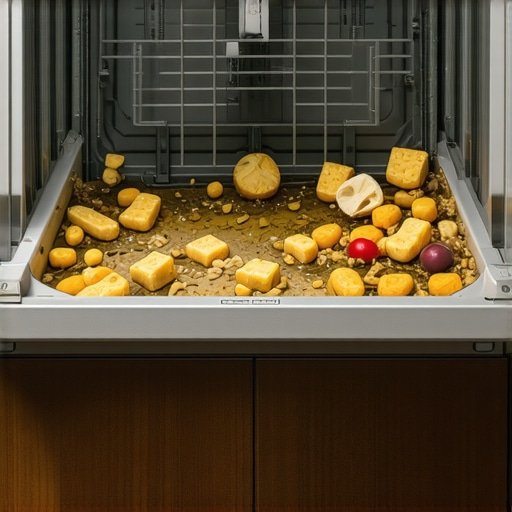
Ever slammed the dishwasher door in frustration, only to notice a faint but unmistakable musty smell lingering in the kitchen? That’s a feeling I know all too well. One day, during a frantic move-out clean, I discovered a grimy, soap-scum-laden secret lurking right beneath the dishwasher that I had completely overlooked. It was a classic case of neglect—something most renters forget to scrub—that nearly cost me my security deposit.
The Disgusting Truth About Hidden Dishwasher Dirt
It’s easy to focus on the obvious spots—kitchen counters, sinks, bathroom tiles—and ignore the less glamorous areas. But beneath the dishwasher? That’s a grime trap waiting to happen. Over time, food particles, soap residue, and moisture combine to create a sticky buildup under the appliance. Not only does this harbor bacteria, but it also emits odors that can seep into your entire kitchen. If unaddressed, this small oversight can turn into a big problem during move-out inspections.
Have you ever lifted your dishwasher to find a layer of grime you did not expect? I bet many have, and that’s exactly what I want to help you avoid. When I first started caring about these hidden spots, I made a mistake: I believed a quick wipe was enough. But as I learned from expert cleaning tips, such shortcuts simply don’t cut it—especially in those tricky corners. For more insights on thorough sanitizing, check out [this guide](https://spotlesscarpetz.com/sanitizing-hacks-for-safe-house-transitions).
Will Cleaning Under the Dishwasher Save Your Security Deposit?
Absolutely. Properly cleaning this neglected area can be the difference between a full refund or disappointing deductions. I’ll walk you through exactly what I did to restore the space—and how you can do the same. From removing stubborn grime to applying the right disinfectants, this isn’t about heavy scrubbing but strategic cleaning that makes a real difference.
So, if you’ve faced the dreaded move-out inspection, or simply want a house that feels genuinely fresh, stay tuned. It’s time to uncover the secrets behind a spotless underapppliance area that most renters forget—and why it’s worth your effort.
Remove the Dishwasher for a Deep Clean
Begin by switching off your dishwasher and carefully pulling it out from its spot. Think of this step like removing a stubborn drawer—you need to create space to access hidden grime. I remember one time when I managed to wedge mine out with a little patience, revealing a thick layer of soap scum and dust underneath. This initial move is crucial for any thorough cleaning.
Scrape Away Loose Debris
Use a plastic scraper or an old credit card to gently dislodge food particles and stuck grime. Picture it as chiseling away the buildup layer by layer. Never use metal tools, as they can scratch surfaces. During my last clean, scraping freed up the crusty buildup, making it easier to wipe away later.
Apply a Deeper Cleaning Solution
Mix equal parts white vinegar and water in a spray bottle. This solution acts like a magic potion—dissolving soap residue and neutralizing odors. Spray generously over the area, especially targeting corners and crevices where grime hides. Let it sit for 10-15 minutes; this gives the vinegar time to break down stubborn residues.
Scrub with Purpose
Use a soft-bristled brush or an old toothbrush to scrub the area thoroughly. Imagine polishing a car; you want a gentle touch but enough pressure to lift grime. Focus on the seams, edges, and underneath components. I remember tackling a particularly nasty spot, where scrubbing with a mix of baking soda and vinegar made the surface look brand new.
Rinse and Wipe Clean
Wipe everything down with a microfiber cloth dampened with plain water. Think of this as rinsing away dirt and cleaner residues—leaving the area fresh. For tricky spots, a sponge can help remove stubborn remnants. During my cleaning, a couple of passes with a dry cloth prevented streaks and left the surface shining.
Reassemble and Confirm Cleanliness
Carefully slide the dishwasher back into position, ensuring no tools or debris are left behind. Double-check the area, smelling for lingering odors or spotting any missed grime. This step is like a final coat of polish—ensuring the space is pristine, so it passes move-out inspections fully.
Maintain the Area Regularly
Set a reminder to check and clean beneath your dishwasher every few months. Regular maintenance prevents buildup from becoming a problem, saving time and stress later. Remember, a little effort now can be the difference between a full deposit refund and deductions. For more on maintaining immaculate homes, visit move-out cleaning strategies.
Many homeowners and renters think that a quick wipe or spray is enough to ensure their spaces are truly clean and sanitized, but in my experience, there’s more beneath the surface that often gets ignored. A common myth is that disinfectants alone can eliminate all germs and bacteria; however, studies show that physical removal of dirt and organic matter is crucial before applying disinfectants to ensure efficacy. For example, the CDC emphasizes cleaning surfaces with soap and water prior to disinfection because organic films can protect bacteria from sanitizing agents. Overlooking this nuance leads many to believe they are sterilizing surfaces when they are merely spreading bacteria further.
Are All Upholstery Treatments Equal in Effectiveness and Safety?
Contrary to popular belief, not all cleaning methods or products are safe for every fabric type. Many assume that steam cleaning or chemical sprays are universally suitable, but specific fabrics like delicate velvet or eco-friendly textiles require tailored approaches. For instance, harsh chemicals can damage certain fibers or coatings, negating the benefits of professional cleaning. According to experts, understanding the fabric’s composition and the manufacturer’s cleaning recommendations is essential to prevent irreversible damage. Visiting upholstery cleaning tips can provide valuable insights into fabric-specific care.
Another misconception is that move-out cleaning is purely about surface clutter removal. In reality, landlords often inspect hidden spots for grime or mold—gaps behind appliances, under sinks, or inside ventilation ducts—that can lead to deductions. The ‘oops’ factor here is neglecting these concealed areas, which could cost you your security deposit. Aligning your cleaning routine with professional strategies, like on move-out cleaning strategies, can make all the difference.
Advanced cleaning techniques also involve understanding how dirt and bacteria hide in micro-patterns or within porous surfaces. For example, a study published in the Journal of Hospital Infection highlights that bacteria often reside deep within cracks or textured surfaces, making superficial cleaning ineffective. This is why more sophisticated methods like micro-steam cleaning or enzymatic treatments are employed for thorough sanitation. Such insights challenge the common practice that basic wiping suffices—let’s dig deeper.
While many believe that sanitation is simply about killing germs, it’s actually about strategic removal and prevention of microbial buildup. Using inappropriate cleaning agents, neglecting hidden areas, or misapplying advanced techniques can compromise your efforts. Think beyond the surface; understanding the nuances ensures your home is genuinely clean and reduces the risk of infections or damage. Have you ever fallen into this trap? Let me know in the comments. For tailored advice on maintaining pristine homes, visit our contact page.Keeping your home sparkling clean and well-maintained requires more than just elbow grease; it calls for the right tools, strategic methods, and an eye for long-term results. As a seasoned cleaner and homeowner, I’ve tested countless gadgets and products and can confidently recommend equipment that makes sanitation more efficient and less time-consuming.
First, invest in a high-quality microfiber cloth. Unlike cheaper options, premium microfiber has dense fibers that trap dust and bacteria effectively without abrasion. To get the most from them, wash and reuse, but watch out for lint buildup—regularly refreshing your cloths ensures they stay effective. Next, a micro-steam cleaner is invaluable for deep sanitation of fabrics and hard surfaces. I personally use a portable micro-steam device because it penetrates into micro-patterns, killing germs without chemicals, which aligns with eco-friendly cleaning trends predicted to grow in popularity.
For tackling stubborn grime under appliances or deep corners, a long-reach, flexible bending spray nozzle attached to your regular spray bottle can reach those hidden spots, ensuring you don’t miss sneaky dirt traps. Personally, I prefer a nozzle with adjustable flow and a fine mist option to control the application precisely. Consider a handheld UV sterilizer for quick sanitation of high-touch areas like light switches, door handles, and smart lock sensors—these devices are compact, effective, and becoming more affordable.
When it comes to software, I recommend scheduling regular cleaning routines using reminders or maintenance apps, turning chores into habits. Over time, this discipline prevents buildup and prolongs the lifespan of your appliances and fabrics, saving money and stress.
Looking ahead, the future of home upkeep is geared towards automation and smart tools. IoT-connected vacuums and robotic cleaners not only keep floors spotless but also monitor air quality, alerting you to potential issues before they escalate.
### How do I maintain tools and equipment for long-term success?
Proper maintenance starts with cleaning your tools after each use—particularly microfiber cloths and steamers—to prevent bacteria transfer and fungal growth. Store electrical gadgets in dry places, and periodically inspect for damage or wear. Regular calibration of spray nozzles ensures optimal performance—and replacing worn-out parts avoids ineffective cleaning.
Don’t forget to read up on specific cleaning methods for delicate fabrics or surfaces. For example, certain upholstery like velvet benefits from micro-steam treatments to restore texture and prevent damage. Check out this guide for tailored care techniques.
In my experience, integrating advanced tools with proven methods transforms house cleaning from a chore into a manageable routine. I challenge you to try the micro-steam cleaner I mentioned—once you experience the deep sanitation it provides, you’ll wonder how you managed without it. For personalized advice or troubleshooting, reach out via our contact page. Regular tool upkeep and strategic cleaning not only maintain your home’s cleanliness but also extend the life of your belongings, making your space healthier and more inviting over the long term.
Reflecting on my cleaning journey, I realized that the most crucial lessons came from experience—not from how-to guides, but from understanding the nuances that truly make a difference. One of the biggest insights was that superficial cleaning often leaves behind hidden grime that can sabotage your best efforts. For instance, I used to believe that spraying disinfectant was enough, until I learned that organic matter acts as a shield for bacteria, making thorough physical removal essential. Testing different tools and techniques revealed that investing in quality microfiber cloths and micro-steam cleaners drastically improved my results, saving time and preventing damage. Moreover, I discovered that tailoring cleaning methods to specific fabrics and surfaces yields better longevity and safety—like choosing micro-steam for delicate velvet or enzyme cleaners for stubborn stains. These lessons taught me that meticulous attention to detail, combined with the right resources, transforms house cleaning from a chore into a source of pride and well-being.