
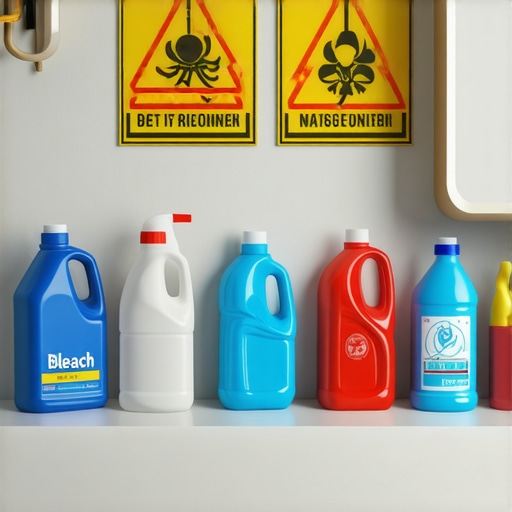
It was a typical Saturday when I decided to tackle the bathroom cleaning list that’s been piling up. I grabbed my favorite disinfectant, prepared to make the space sparkle, and then—without even thinking—I reached for the bleach next to it. Within seconds, the air in my tiny bathroom turned thick and acrid. My eyes stung, and I realized I had just made a dangerous mistake that could have seriously harmed my health.
Why Mixing Bleach and Ammonia in Your Small Bathroom Is a Risky Move
This experience was a wake-up call. Many people don’t realize that combining common cleaning products like bleach and ammonia produces toxic fumes that are hazardous to breathe. When mixed, these chemicals release chloramine vapors, which can cause respiratory issues, chest pain, and even trigger asthma attacks—especially in small, poorly ventilated spaces. According to the CDC, exposure to chloramine vapors can impair lung function and irritate your eyes, nose, and throat. If you’re trying to get a bathroom to pass inspection or just want a clean space without risking your health, understanding the danger of these chemical reactions is crucial.
Is It Really That Big of a Deal, or Just My Overreaction?
Honestly, I used to think these warnings were overblown. Early on, I made the mistake of thinking more cleaning power was better—so I mixed products, thinking I was killing germs faster. Only later did I realize that these shortcuts could have led to serious health issues. It’s a mistake I’d hate for anyone else to make, especially when safer, effective alternatives are so readily available. Want to learn how to clean efficiently without risking your health? Keep reading—I’ve got some solid tips that will transform your bathroom cleaning routine into a safer and more effective process.
For more in-depth strategies on effective house cleaning, you might want to check out these expert tips. And if you’re curious about other common cleaning pitfalls, I cover those, too, so you can avoid costly mistakes that may jeopardize your deposit or the safety of your home.
Clear the Clutter First
Start by removing all personal items, debris, and trash from each room. Use sturdy trash bags and gloves to avoid contact with dust and dirt. For instance, I once spent an afternoon hauling out old clothes and broken items from a cluttered attic, which made the subsequent cleaning significantly more manageable.
Deep Clean Each Surface Effectively
Scrub Bathroom Grout with a Grout Brush
Apply a grout cleaner and scrub with a dedicated brush to remove mold and stains. I vividly remember battling stubborn discoloration between tiles in a rental bathroom, only to see the grout restore its vibrant white after persistent scrubbing. Pay special attention to less obvious spots like behind toilets and under sinks.
Sanitize Kitchen Counters and Appliances
Use disinfectants suited for kitchen surfaces, ensuring compliance with safety guidelines. For delicate surfaces, lightly mist and wipe with microfiber cloths to prevent damage. I once cleaned a greasy stove top, using a vinegar-based solution that broke down stubborn residue without harming the finish, saving me time and effort.
Address Upholstery and Soft Furnishings
Vacuum thoroughly, then treat stains with appropriate methods. For natural fabrics, avoid harsh chemicals; instead, opt for steam cleaners or micro-steam fixes which are gentle yet effective. I experimented with a portable steamer on my fabric couch, successfully removing pet hair and odors without wetting the material excessively.
Restore Comfort with Proper Upholstery Care
Consider using specialized cleaning solutions for sensitive fabrics like graphene or bio-polymers, which require gentle handling—learn more about safe sanitizing practices here. I once restored a faded velvet sofa by carefully applying a micro-steam fix, which revitalized its texture without risking damage.
Focus on Hidden and Overlooked Gaps
Check and clean every crack and crevice, including window tracks, baseboards, and smart device sensors. These spots are notorious for trapping dust and grime, potentially leading to inspection failures. I recall diligently cleaning under the fridge and behind light fixtures, which made a noticeable difference in overall cleanliness.
Sanitize with Caution
Choose your disinfectants wisely, avoiding harmful chemical combinations like bleach and ammonia. Use properly diluted solutions, and ensure good ventilation during the process. I learned this after accidentally creating a toxic vapor cloud in my basement while attempting to disinfect without proper precautions — a mistake I’ve since corrected by following safe sanitizing hacks here.
Finish with Flooring and Final Checks
Vacuum carpets thoroughly, then mop hard floors with appropriate cleaners. Pay attention to corners and under furniture. Once, I missed cleaning under my bed, only to be told during the final inspection that dust bunnies there could cost me the deposit. Regularly reviewing a move-out checklist here helps ensure nothing gets overlooked.
Many tenants and homeowners alike believe that routine cleaning or sanitizing is straightforward, but in my experience, there are nuanced pitfalls that can jeopardize your deposit or compromise safety. One prevalent misconception is the idea that disinfecting every surface with harsh chemicals guarantees a spotless home. While this may seem logical, overusing or misapplying disinfectants, especially on delicate or porous materials, can cause long-term damage or ineffective sanitation. For example, applying bleach on engineered wood or certain synthetic fabrics can degrade the material, leading to premature wear—learn more about these pitfalls here. A common myth is that more cleaning always equals better results, but the reality is that aggressive scrubbing on soft furnishings like microfiber or graphene fabric can damage the fabric’s microscopic coating, reducing its lifespan and aesthetic appeal. Advanced cleaning techniques recommend micro-steam solutions that penetrate fibers gently—see here.
A significant trap many overlook involves hidden gaps—particularly smart device sensors or ventilation systems—that trap dirt or harbor mold spores. These overlooked spots can cause inspection failures despite apparent cleanliness. For example, cleaning high-touch areas without addressing interconnected sensor gaps can be a costly mistake. Experts suggest targeting these hidden areas with specialized tools—more details are available here.
One advanced question I often receive is: “Is steam cleaning safe for all natural fabrics, or are there exceptions?” The answer is nuanced. While steam cleaning is generally effective and eco-friendly, certain materials, like old silk or delicate bio-polymers, may be damaged by high temperatures. Utilizing tailored techniques or alternative methods like micro-steam or chemical-free cleaning can prevent damage—discover more at here.
Remember, the key to mastery in move-out cleaning is understanding that appearances can be deceiving. Overlooking soft spots, hidden gaps, or misapplying cleaning agents can cost you your deposit or compromise your health. So, before rushing through your checklist, pause and consider these nuances. Have you ever fallen into this trap? Let me know in the comments or reach out directly here to ensure you’re not making these common mistakes.
Keep It Working: Tools I Recommend for Effective Cleaning and Maintenance
Maintaining a spotless home longer requires more than just good intentions; it demands the right equipment backed by proven effectiveness. One of my go-to tools is a high-performance microfiber mop, which I personally prefer over traditional string mops because it traps dust and grime better and dries faster, reducing mold growth. For upholstery, I swear by a professional-grade steam cleaner equipped with adjustable temperature controls. It allows me to sanitize delicate fabrics like bio-polymers and graphene without risking damage—more details on this process can be found here. Otherwise, a handheld extractor makes quick work of stubborn stains on carpets and softer surfaces, extending the lifespan of your furnishings.
For sanitization, I rely on electrolyte-based disinfectants that retain potency longer and are eco-friendly. My secret is using a spray device with fine mist capabilities, which ensures even coverage and saves on chemical usage. Regularly testing this setup with a digital albedo meter helps me verify the proper disinfectant coverage—an approach I learned from cleaning technology experts. As the trend towards smart home integration advances, I see tools like app-controlled steamers and AI-powered surface analyzers becoming mainstream, predicting a future where maintenance is remotely optimized for efficiency and safety.
How do I maintain my tools over time?
Consistent maintenance extends the life and effectiveness of your equipment. For steam cleaners, I rinse out the reservoirs after every use and descale monthly, especially if I work with hard water. Microfiber cloths need gentle washing at low temperatures with no fabric softeners to preserve their absorbency. Regularly inspecting and replacing worn parts, like seals and brushes, prevents malfunction during crucial cleaning sessions. Incorporating these habits keeps my tools performing at their best and ensures I don’t waste time or compromise hygiene standards.
If you’re serious about keeping your home—and your tools—in top shape, consider investing in a versatile, professional-grade steam cleaner. Its combination of durability and precision makes it essential for thorough, long-term hygiene. Ready to upgrade? Check out the latest models designed for both convenience and deep cleaning capabilities. For personalized advice, feel free to reach out here.
Lessons That Changed My Cleaning Game Forever
The biggest revelation was realizing that rushing through cleaning tasks often leads to overlooked spots that can cost me my deposit—attention to detail is everything. I once thought that using harsh chemicals was a shortcut, but I learned that gentle, targeted solutions work better and keep my home healthier. The importance of understanding hidden areas like sensor gaps and vents became clear when I almost failed an inspection because I missed these low-profile spots. Embracing micro-steam cleaning transformed my approach, allowing me to sanitize effectively without damaging delicate fabrics. These lessons didn’t just save me money—they made me a more confident, efficient cleaner, turning a stressful chore into a satisfying routine.