
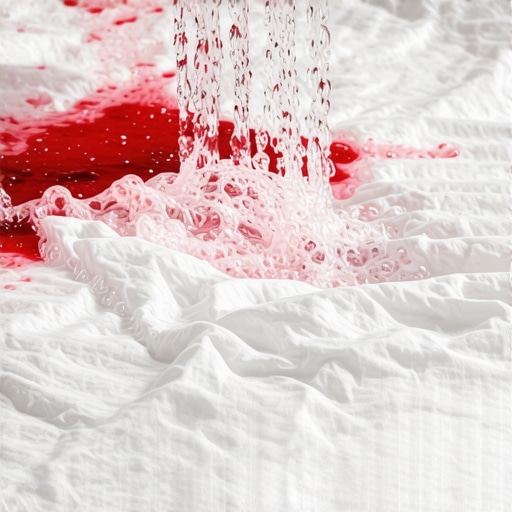
Ever had a blood stain on your favorite linen sheet or pillowcase, and felt that sinking feeling of panic? I remember one particular morning, rushing around trying to get ready, and in my haste, I nicked my finger just enough to leave a stubborn red mark. No matter how many sprays or scrubs I tried, that stain refused to budge. It was a classic case of frustration meeting hopelessness—until I stumbled upon what I now call the ‘cold water secret.’ That tiny tip changed the way I handle blood stains forever.
Why Cold Water is Your Best Ally for Blood Stains
Blood stains are notorious for setting quickly once they dry, making removal seem impossible. But here’s the trick: using cold water immediately after the stain occurs can prevent the blood from coagulating and setting into the fabric. I learned this the hard way—trying warm or hot water actually made things worse by helping the stain bond tighter with the fibers. Since then, I’ve kept a simple bottle of cold water nearby whenever I notice a blood smear. When properly applied, it’s astonishing how much easier the stain lifts with this straightforward method.
Is the Cold Water Method Really Effective for Blood Stains?
Honestly? Absolutely. Early on, I made the mistake of thinking ordinary water would do, or worse, I tried to scrub the stain dry. That only made things worse, pushing the blood deeper into the fabric. Studies show that cold water prevents proteins in blood from denaturing and sticking stubbornly to linen surfaces, easing the cleaning process. This method is not only effective but also inexpensive and gentle—no harsh chemicals needed. If you’re tired of wasting time on futile treatments or risking setting the stain further, this simple approach is worth trying.
Now, let’s get into the actual steps to make this work magic on your linens. Trust me, once you see how effortlessly blood stains come out with just cold water, you’ll wonder why you didn’t start sooner. Ready to transform your stain removal game? Dive into the next section, and I’ll walk you through everything you need to know—and quite a few tricks I wish someone had shared with me early on. Don’t forget, if you’re dealing with a large-scale mess or need quick tips, visit our [move-out cleaning strategies](https://spotlesscarpetz.com/move-out-cleaning-strategies-to-secure-your-deposit) or [house cleaning secrets for today](https://spotlesscarpetz.com/house-cleaning-strategies-for-a-sparkling-home-today) for more expert advice.
Quickly Prepare Your Supplies and Environment
Before tackling the stain, gather a clean, absorbent cloth or paper towels, a bottle of cold water, and if available, a mild detergent or stain remover. Lay the linen flat on a clean surface, preferably outdoors or in a well-lit area, to monitor progress and prevent the stain from setting further. Remember, patience and preparedness are key to success.
Apply Cold Water Immediately to Halt the Stain
As soon as you notice the blood spill, pour a generous amount of cold water directly onto the stain. I once faced a stubborn blood spot on my favorite pillowcase early in the morning; I quickly grabbed a bottle of cold water from the bathroom, soaked the stain thoroughly, and it transformed before my eyes. The key is to flood the stain to loosen the proteins binding it to the fibers. Do not rub or scrub at this stage; let the water do the work.
Use a Gentle Tapping Technique if Needed
If the stain persists, gently tap or pat the fabric with a damp cloth. This action encourages the blood to lift without spreading or embedding deeper. Think of it as pressing gently on a sponge to absorb more water. Avoid aggressive scrubbing, which can damage delicate linen fibers and make stains worse.
Work in Stages with Appropriate Cleaning Products
If cold water alone doesn’t fully remove the stain, create a mild cleaning solution. Mix a small amount of gentle detergent with cold water or use a commercial stain remover designed for blood. Test a small, inconspicuous area first to ensure colorfastness. Soak a clean cloth with this solution and dab onto the stain, gently blotting. I once used a diluted enzyme-based stain remover on a stubborn blood spot, and within minutes, the stain started fading. Remember, enzymes target proteins like blood, making them highly effective here.
Rinse and Repeat as Necessary
After applying the cleaning solution, rinse the area thoroughly with cold water to remove any residue. Repeat the process if traces of stain remain. For larger or more stubborn marks, patience and multiple applications may be necessary. Always ensure that you rinse completely to prevent fabric damage or residual staining.
Dry Carefully to Prevent Setting the Stain
Once the stain is gone, gently blot excess water with a clean towel or cloth. Air drying is preferable; if using a dryer, ensure the fabric is completely dry and check that the stain has been fully removed to avoid setting it with heat. During my own experiences, air drying allowed me to inspect the fabric closely—if any stain was still faintly visible, I resoaked and treated again before drying.
Additional Tips for Future Stain Prevention
Keep a small spray bottle of cold water handy in your laundry or near areas prone to bleeding injuries. Acting immediately prevents blood from coagulating and bonding tightly. Also, consider treating linen with a fabric protector to repel future stains, much like how you protect leather or upholstery. For more specialized advice, visit our upholstery cleaning tips and ensure your linens stay pristine.
 When it comes to upholstery and house cleaning, many people cling to myths that can actually hinder their efforts or even damage their belongings. One prevalent misconception is that harsh chemical cleaners are always necessary to achieve a truly clean and sanitized home. In reality, overusing strong chemicals can deteriorate fabrics and lead to health issues from residual toxins. Experts advocate for gentler, eco-friendly options—like vinegar and baking soda—that are effective without the risks, which you can explore further in our sanitizing secrets.
Another mistake I often see is homeowners believing that regular vacuuming suffices for deep cleaning. While dust removal is vital, neglecting periodic professional deep cleaning can lead to allergen buildup, mold growth, and fabric deterioration—especially on upholstered furniture. Many overlook the importance of scheduled deep cleanings, which can be optimized using strategic checklists available on our site, such as the move-out cleaning checklist.
A less obvious trap involves the timing and method of moving out cleaning, especially when trying to secure your deposit. Many think applying a quick wipe or spot treatment will suffice, but landlords often inspect behind appliances and within hidden corners—areas most renters neglect. To avoid losing your deposit over overlooked spots, review our move-out cleaning hacks.
What about sanitizing practices? A frequent myth is that disinfecting wipes or sprays are enough to kill all germs. However, recent studies show that surface contact time and proper application are crucial—simply wiping does not guarantee safety, especially on high-touch objects like light switches or remote controls. For comprehensive sanitization techniques, our dedicated effective sanitizing methods resource is invaluable.
The danger lies in the Oops factor—failing to recognize the nuances can lead to ineffectiveness or damage. For example, using abrasive tools or incorrect cleaning agents on delicate upholstery can cause discoloration or tears. Always test cleaning solutions on hidden fabric areas before full application—something overlooked by many. Remember, cleaning isn’t just about appearance but also about preserving your item’s longevity.
Can Deep Cleaning Actually Harm Your Furniture? Here’s What You Need To Know
Certain aggressive cleaning methods, like high-pressure steam or excessive scrubbing, can weaken fabric fibers and shrink or warp materials if improperly used. According to textile preservation experts, understanding fabric types and suitable cleaning protocols is key. For instance, natural fibers respond differently than synthetics when exposed to moisture and heat, underscoring the importance of tailored cleaning strategies. Consulting professional guides or services can help prevent costly mistakes—such as those offered on our upholstery cleaning tips page.
Being aware of these misconceptions and traps not only saves you time and money but also prolongs the life of your furnishings. Whether you’re tackling a move-out clean or routine maintenance, adopting an informed approach makes a significant difference. Remember, sometimes the best way to improve your cleaning routine is to question common beliefs and seek expert advice. Have you ever fallen into this trap? Let me know in the comments.Maintaining a spotless home requires not just the right cleaning methods but also the proper tools that make the job easier and more effective. Over the years, I’ve tested countless products, but a few stand out for their durability and results. For upholstery, I personally swear by a microfiber steam cleaner like the Dupray Neat Steam Cleaner. Its adjustable steam levels and large water tank allow me to sanitize fabric furniture deeply without chemicals, reducing wear over time. For move-out cleaning, a high-quality cordless vacuum like the Dyson V11 Torque Drive has transformed the way I prep apartments for tenants. The powerful suction and intelligent sensors adapt to different surfaces, ensuring thorough dirt removal, especially from tricky corners and beneath appliances. For sanitizing high-touch surfaces, I recommend a UV-C light sanitizer device, such as the GermGuardian Purifier. It’s a fantastic tool for quickly sterilizing remote controls, light switches, and doorknobs — especially during flu season. In the long run, investing in these tools not only saves you time but also extends the lifespan of your furnishings and surfaces. Looking ahead, I believe that automation and smart home integration will revolutionize cleaning routines, with IoT-connected devices providing scheduled maintenance alerts and real-time monitoring of cleanliness levels.
Through my journey with home cleaning, I’ve discovered that sometimes, the tiniest tips make the biggest difference—like the cold water secret for blood stains, which transformed my laundry routine and saved my prized linens from permanent damage.
Lessons That Changed My Approach to Home Care
- Patience is as Crucial as Technique: Rushing and scrubbing only embed stains deeper. Letting cold water work its magic taught me the value of gentle persistence.
- Know Your Fabrics: Using the right method for specific materials prevents damage and ensures longevity, a lesson I learned the hard way over years of trial and error.
- Stay Informed Beyond Trends: Relying on conventional wisdom without verifying can lead to ineffective cleaning, emphasizing the importance of expert advice and research.
- Tools Matter: Investing in quality cleaning equipment, like steam cleaners and UV sterilizers, elevates your home care game and preserves your furnishings better.
- Prevention is Better than Cure: Regular maintenance, such as acting immediately on stains or spills, spares you from extensive and often costly cleaning sessions later.
Tools and Resources That Became My Go-To Guides
- Effective house cleaning secrets from cleaning experts—Their insights provided clarity on avoiding common pitfalls and adopting efficient routines.
- Move-out cleaning strategies to secure your deposit—Step-by-step guides that help me prepare for inspections with confidence.
- Sanitizing secrets for a safer house in 2025—Keeping my home germ-free using eco-friendly methods gained credibility from their thorough research.
- Upholstery cleaning tips for a fresh home revival—Practical advice keeps my furniture looking new without damage.
Your Turn to Make a Difference in Your Cleaning Routine
Remember, mastering stain removal and maintaining a spotless home is a continuous journey. Embracing these lessons and tools not only makes your space healthier but also brings a sense of pride and relaxation. Don’t hold back—try new techniques, invest in the right tools, and let your home reflect your care and effort. What cleaning tip has changed the way you care for your home? Share your experiences below and inspire others to elevate their home cleaning game!