
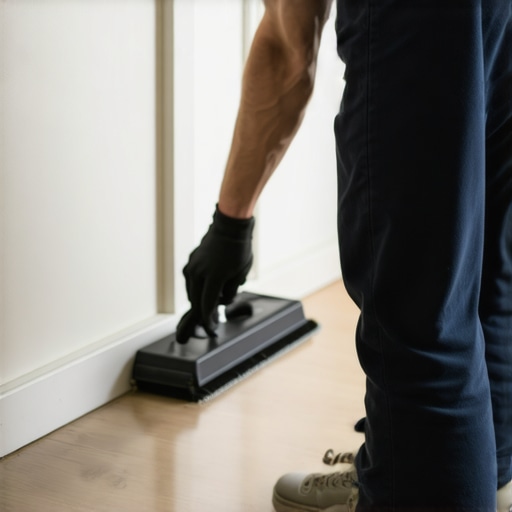
Have you ever stared at those stained, grimy baseboards during a move-out clean, feeling overwhelmed and unsure where to start? I remember one apartment shift where I spent hours scrubbing away, only to see little progress. Frustration set in—until I suddenly had a lightbulb moment: a quick, effective hack that transformed my cleaning routine and saved me so much time. If you’ve ever wished for a simple way to tackle stubborn baseboards without wasting hours, you’re in the right place.
Why Scrubbing Baseboards Feels Like a Losing Battle
Baseboards tend to be the overlooked heroes of house cleaning. They collect dust, pet hair, scuff marks, and grime from everyday life. And during move-out inspections, landlords or new tenants notice them immediately. My early attempts involved endless scrubbing with harsh brushes and heavy-duty cleaners. The results? Aching arms, sore knuckles, and still, stubborn stains that refused to budge. That’s when I realized the traditional methods are often inefficient.
Studies show that inefficient cleaning not only wastes our valuable time but can also damage surfaces if done improperly. According to cleaning experts, using the right tools and techniques can dramatically cut cleaning time while improving results. That’s exactly what my new approach brought me—short, targeted routines that tackle grime without the sweat.
Is the 5-Minute Hack Actually Worth the Hype?
Short answer: Yes, but only if you skip the common mistake I made early on—using old, worn-out cloths that just spread the dirt around instead of lifting it. Trust me, I tried every trick in the book, but nothing stuck until I embraced this simple, game-changing method. It’s efficient, cost-effective, and less tiring—what’s not to love? Keep reading, and I’ll share how you can apply this quick hack to your own move-out routine, making those baseboards look brand new in just minutes.
,
Prepare Your Tools and Environment
First, gather your supplies: a microfiber cloth, a bucket of warm water, a few drops of mild dish soap, and a flexible cleaning brush or sponge with soft bristles. I remember on one particular move-out day, I started with a worn-out rag and a generic spray cleaner, only to see my efforts go to waste. Switching to a microfiber cloth and gentle soap changed everything, making cleaning faster and more effective.
Start with Dry Dusting to Remove Loose Dirt
Before applying any liquids, lightly dust the baseboards with a microfiber cloth. Think of it as sweeping crumbs off a plate before washing—this step prevents mud from turning into stubborn stains. Once, I vacuumed first, but the dust still resettled onto the surface. So, I learned that a quick dry wipe is essential to lift loose particles, setting the stage for a cleaner surface.
Use a Damp Cloth for Stubborn Grime
Dip your microfiber in the soapy water, then wring it out thoroughly so it’s just damp. Wipe along the length of the baseboard in smooth strokes, applying gentle pressure to lift dirt. Avoid soaking the cloth, as excess water can damage painted surfaces. I once tried to scrub with a soaked sponge, which led to streaks. Properly dampening your cloth ensures grime is loosened without damage.
Tackle Stubborn Marks with a Fine Brush
For scuff marks or built-up grime, switch to a soft-bristled brush or an old toothbrush. Gently scrub along the affected areas—think of it as exfoliating your skin. I remember one time, a scuff refused to budge until I applied a tiny amount of baking soda paste on the brush, gently working it into the stain. This method is safe for most surfaces and prevents paint from being scraped off.
Rinse and Dry for a Fresh Finish
After cleaning, go over the baseboards with a clean, damp cloth to remove any soap residue. Then, dry them with a soft towel or microfiber cloth to prevent streaking or water spots. During my first attempt, I left a damp residue, which attracted more dust. Carefully drying the surface helps maintain a polished look and prolongs the cleanliness.
Additional Tips for Long-Lasting Cleanliness
To keep your baseboards looking fresh longer, consider applying a light coat of furniture polish or specialized cleaning spray designed for painted surfaces. Regular maintenance, like weekly dusting, prevents grime buildup. Many professional cleaning experts recommend scheduling bi-weekly touch-ups to save time during move-out inspections. Remember, consistent attention beats deep cleaning every time.
Addressing Upholstery and Carpet Concerns
While focusing on baseboards, don’t forget other overlooked areas like upholstery and carpets. Use appropriate cleaning techniques, such as spot treatments for furniture or steam cleaning for carpets, to ensure a comprehensive move-out clean. If stains or odors persist, professional services can make a significant difference—visit our contact page to get tailored advice.
By implementing these targeted, effective steps, you’ll turn a tedious chore into an efficient routine—saving you time, energy, and stress on moving day. Remember, the key is to combine simple tools with gentle, consistent techniques for the best results.
Many homeowners and professionals alike believe they fully understand how to effectively sanitize and clean their homes. However, lurking beneath these assumptions are nuanced pitfalls and misconceptions that can undermine even the most diligent efforts. As an expert in house cleaning and upholstery care, I’ve seen firsthand how superficial methods can lead to incomplete cleanliness or even damage surfaces. Let’s explore some of the most prevalent myths and advanced mistakes that often trip up even experienced cleaners.
Is Hot Water Always Better for Sanitizing?
A widespread belief is that using hotter water automatically achieves better sanitization. While heat can kill many bacteria, the reality is more complex. Excessively hot water can damage delicate surfaces like painted walls or certain upholstery fabrics, causing warping or discoloration. Moreover, studies, such as those highlighted in our sanitizing guide, show that chemical disinfectants often outperform simply using hot water alone, especially when used with appropriate contact time. Therefore, leveraging proper disinfectants and understanding surface compatibility are key to effective sanitation.
It’s a common trap to default to boiling water for cleaning tasks, but a more nuanced approach involves selecting temperature and cleaning agents based on the material and contaminant type. Over-reliance on heat without considering these factors can lead to ineffective cleaning or surface damage, making expert knowledge essential for optimal results.
Myth: Microfiber Cloths Are Always Superior
Microfiber cloths are celebrated for their ability to trap dust and microbes efficiently, but this reputation isn’t absolute. The myth that they are always the best choice can cause overlooked issues. For example, if microfiber cloths aren’t properly maintained—washed regularly without sufficient cleaning—they can harbor bacteria and grime, turning into at least as much of a contaminant as they remove. Worse, using worn-out microfiber may scratch surfaces or push dirt into crevices.
Professional cleaning experts recommend following best practices for microfiber upkeep—like washing at high temperatures and avoiding fabric softeners that impair their electrostatic properties. Additionally, knowing when to switch to alternative cleaning tools, such as gentle brushes for stubborn grime or specific upholstery cleaners, can prevent damage and ensure optimal hygiene.
Advanced Question: How Do I Know If My Upholstery Is Truly Clean?
Great question! Surface appearance often deceives us into thinking cleaning is complete. However, dust, allergens, and bacteria can linger within fibers, especially if cleaning doesn’t reach deep enough or uses improper techniques. Experts advise conducting microbial tests or utilizing UV light inspections to identify hidden residues—these are especially valuable in high-traffic or allergy-prone environments.
Moreover, understanding the types of germs and dirt that can persist despite surface cleaning is vital. For instance, professional upholstery cleaning involves not just surface wiping but deep extraction methods combined with sanitizing agents effective against viruses like norovirus or bacteria like MRSA, which traditional cleaning might miss. It’s an advanced step that ensures your furniture isn’t just looking clean but is genuinely hygienic.
Remember, superficial cleaning techniques overlook these nuances, leaving you with a false sense of safety. As always, staying informed about the science behind cleaning can elevate your routines from basic to expert level. Have you ever fallen into this trap? Let me know in the comments!
.
Keeping It Working: Tools I Recommend for Effective House Cleaning
Maintaining a pristine home requires reliable tools that deliver consistent results. Over the years, I’ve fine-tuned my cleaning arsenal to include equipment and methods that stand the test of time. One essential investment is a high-quality cordless steam cleaner. Not only does it sanitize surfaces without harsh chemicals, but its portability allows me to tackle everything from kitchen counters to upholstery with ease. For stubborn stains, I swear by a microfiber polishing cloth combined with a gentle yet effective multi-surface cleaner, which I personally use to prevent streaks and scratches.
Investing in a good vacuum is crucial. I prefer models with HEPA filters and adjustable suction, which effectively trap allergens and fine dust particles—especially important for households with pets. The expert advice from professional cleaners emphasizes cordless variants for their convenience during routine maintenance. To keep my tools in top shape, I make sure to replace microfiber cloths regularly and clean filters monthly, following manufacturer guidelines for longevity and performance.
How do I maintain my cleaning tools over time?
Proper maintenance extends the life of your equipment and ensures optimal cleanliness. For microfiber cloths, washing them at high temperatures without fabric softeners preserves their electrostatic properties. Vacuum filters should be replaced or cleaned as per the manufacturer’s instructions—usually every few months—and I recommend a thorough check for blockages weekly. Steam cleaner pads need periodic descaling, especially if you notice reduced steam output. Using distilled water can help prevent mineral buildup, which, according to industry experts, is key to prolonging your equipment’s lifespan.
Looking ahead, I believe the trend toward smart cleaning devices will grow, offering features like app control, automatic scheduling, and real-time maintenance alerts. Embracing these innovations can make house maintenance even more seamless and efficient.
Remember, adopting the right tools isn’t enough—you need consistent upkeep to keep them working effectively. Try scheduling a monthly deep-clean of your vacuum filters or descale your steam cleaner, and you’ll see a noticeable difference in results and tool longevity. Proper care now sets the foundation for long-term cleanliness and saves you money in the future.
Lessons That Changed My Perspective on Sanitizing
- I once believed that scrubbing harder meant cleaner surfaces, but I learned that gentle, targeted techniques often produce better results without damage.
- Over-relying on hot water as a disinfectant can backfire; combining proper cleaning agents with correct temperatures is far more effective.
- Microfiber cloths are powerful—but only when maintained properly—otherwise, they can become breeding grounds for germs, undermining their purpose.
- Deep cleaning upholstery isn’t just about visible stains; understanding fiber types and using the right sanitizing methods protect your investment and health.
- Consistent, small habits—like nightly dusting or weekly baseboard wipes—prevent buildup and reduce the time needed for major cleanups.
Tools That Elevate My Cleaning Routine
- Cordless Steam Cleaner: Trusted for its versatility and chemical-free sanitizing, it’s my go-to for countertops and upholstery alike.
- HEPA-filter Vacuum: Ensures fine dust and allergens are captured, vital for maintaining a healthy environment, especially with pets.
- High-Quality Microfiber Cloths: Their ability to trap dirt makes them indispensable, provided I wash and replace them regularly.
- Natural Cleaning Solutions: Combining vinegar with baking soda or essential oils often outperforms chemical cleaners without the harsh residues.
Embrace the Power of Small Wins
Cleaning doesn’t have to be daunting. By integrating these insights and tools, you empower yourself to handle house chores confidently. Every small effort compounds into a noticeably cleaner, healthier space—which feels truly rewarding. Think of house cleaning as nurturing your sanctuary; the more care you put in consistently, the less time you spend wrestling with stubborn stains or odors. Don’t wait for messes to pile up—take proactive steps today, and transform your cleaning routine into a stress-free ritual. What’s one house cleaning hack you’re eager to try first? Share your plans below and let’s embark on this journey together!
,