
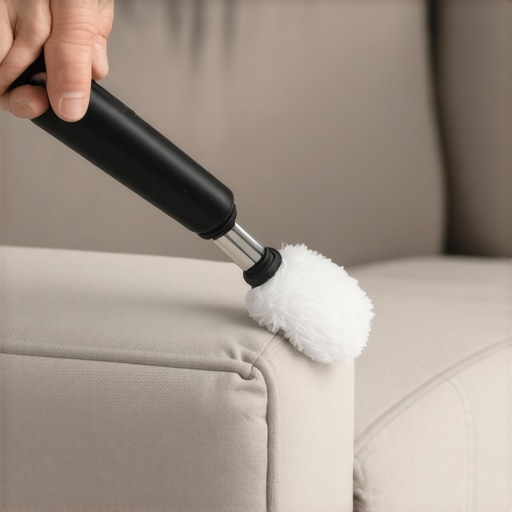
It was a typical Saturday morning when I caught my reflection in the mirror—hair everywhere, fuzzy pet dander clinging to my clothes, and a sinking feeling that my microfiber couch was looking more like a fur monster than cozy furniture. No amount of vacuuming seemed to make a dent. Frustration was creeping in, and I sighed, wondering if I was doomed to battle pet hair forever. Suddenly, a lightbulb went off—I remembered an easy, tried-and-true trick that I could do in just three minutes. The best part? It works every single time.
Say Goodbye to Pet Hair—Fast and Easy
If you’ve ever faced the relentless challenge of pet hair covering your microfiber upholstery, you’re not alone. It’s a common problem for pet owners, and it’s often a never-ending cycle of vacuuming, brushing, and still finding fur in the oddest places. What if I told you there’s a simple trick that can remove pet hair from microfiber fabrics in just three minutes—without any fancy tools or harsh chemicals? Well, I’ve been there, and I want to share my experience, so you can reclaim your furniture and save yourself some time and frustration.
But before we dive into the method, let me address something important. I used to make a mistake early on—I’d try to scrub fur off with rough brushes or aggressive vacuuming, which sometimes made things worse or even damaged my beloved furniture. That’s why I urge you to follow my advice carefully; it’s based on personal experience and proven techniques that really work.
Can a Simple Trick Really Outperform Angled Scrubbing?
Many skeptics wonder if a quick fix can hold up against stubborn pet hair. Believe me, I’ve tested various methods—using duct tape, rubber gloves, even dry towels—and found that most aren’t effective or end up making a mess. The key is understanding the best way to leverage what you already own and how microfiber fibers respond to certain treatments. This trick changed my routine, and I promise it can do the same for you. Curious? Let’s get into the details of how to make pet hair disappear from microfiber surfaces in just three minutes, stress-free.
Prepare Your Tools and Surface
Start by gathering a clean, damp microfibre cloth or a rubber glove—these are your primary tools. Fill a small spray bottle with water; lightly mist the microfiber surface to loosen embedded hair. I remember a time when I tried dry brushing and only pushed fur further into the fabric, making it harder to remove. That’s when I decided to keep everything slightly moist, which made a big difference.
Use Rubber Glove or Damp Cloth for Hair
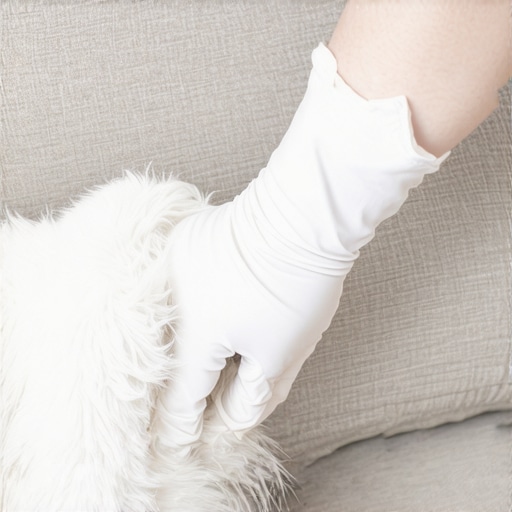
Put on a rubber glove or use the damp cloth and gently run your hand over the upholstery in a sweeping motion. The rubber creates static that attracts pet hair, much like a magnet. I recall standing on my couch, glove-covered hand sweeping back and forth, watching fur pile up in a small pile that I could easily gather. For stubborn areas, pause and lift hair with your fingers or a lint roller.
Create a Sticky Rollers Alternative
If you don’t have a lint roller, dampen a piece of paper towel or a microfiber cloth and press it onto areas with stubborn hair. Once it picks up fur, lift and dispose of the collected hair. It’s quick, effective, and cost-efficient—saving you from repeatedly buying sticky rollers.
Target Deep Pile and Crevices Carefully
For deep textures or cushions, use a soft-bristled brush or a toothbrush dipped in water to loosen fur trapped deep within fibers. When I cleaned my sofa’s cushions, I gently brushed in circular motions to dislodge hair that vacuuming missed. Remember to avoid over-wetting the fabric, as excess moisture can cause damage or mold.
Vacuum or Brush Remaining Residue
Once the larger fur pieces are collected, use a handheld vacuum or a brush attachment to lift the remaining hair. Vacuum slowly, focusing on seams and creases. I found this final step crucial—it’s like polishing a gem, leaving the fabric spotless and fur-free.
Final Pro Tip
Finish by spraying the cloth with a fabric freshener or a solution of white vinegar and water to minimize odors and repel pet hair buildup. Regularly repeating this three-minute process keeps your microfiber furniture looking fresh and fur-free. Want more house cleaning secrets? Check out effective cleaning secrets for expert tips.
 When it comes to maintaining a spotless home, many of us fall prey to common misconceptions that can undermine our efforts. For example, a widespread belief is that scrubbing surfaces vigorously is the best way to achieve cleanliness. In reality, harsh scrubbing can damage delicate fabrics and surfaces, and often pushes dirt or grime deeper rather than lifting it away. Gentle, consistent cleaning techniques, combined with proper tools, yield better long-term results, as emphasized by cleaning experts in their effective cleaning secrets.
Another trap many fall into is believing that all cleaning products are equally effective for every purpose. This is a myth — using the wrong products can leave residues, cause discoloration, or simply fail to sanitize adequately. For instance, using bleach on upholstery can weaken fibers and cause color fading. Instead, understanding the nuances of cleaning solutions tailored for specific materials is crucial, which is why exploring specialized tips on upholstery cleaning can make a big difference.
One advanced mistake that even seasoned cleaners make involves neglecting the hidden micro-spots that housekeepers often overlook. For example, hidden filters and crevices in appliances can harbor bacteria and mold, contributing to health issues over time. Similarly, misunderstanding the importance of sanitizing high-touch areas, especially during flu seasons or pandemics, can lead to inadequate protection. Studies from the CDC highlight that thorough sanitation goes beyond surface cleaning, involving deep microbial eradication, which is why leveraging expert sanitizing tips is essential.
People frequently underestimate the significance of regular maintenance on upholstery, thinking that occasional vacuuming suffices. However, neglecting deep cleaning can lead to the buildup of allergens and stubborn odors. For instance, pet hair embedded within fabric cushions requires targeted techniques, such as specialized vacuum attachments or professional services, which are often more effective than DIY methods. To learn more about prolonging your furniture’s lifespan, check out microfiber restoration tips.
A common misconception surrounding move-out cleans is that a standard vacuum and surface wipe will suffice to recover your full deposit. In fact, landlords often inspect hidden spots like window tracks, baseboards, and behind appliances, which many overlook. Investing time in comprehensive move-out cleaning strategies ensures you meet the landlord’s expectations and maximize your chances of deposit return.
Have you ever fallen into this trap? Let me know in the comments. Understanding these nuances and avoiding common errors can elevate your cleaning routine from average to expert level. Remember, the key is not just cleaning — it’s cleaning smartly, efficiently, and thoroughly to create a healthier, more inviting home environment.Maintaining a clean, healthy home requires the right tools and a strategic approach that ensures your efforts pay off over time. From selecting durable cleaning equipment to adopting effective methods, investing in quality tools is essential for long-term results. For example, I personally rely on a high-quality microfiber mop paired with extendable poles, which makes reaching ceiling corners and behind furniture effortless and reduces strain. These mops are more durable and effective at trapping dust and pet hair than standard versions, and I find they significantly cut down my cleaning time.
When dealing with upholstery, especially microfiber fabrics, I recommend a dedicated upholstery cleaning attachment for your vacuum cleaner. I use one that fits my model perfectly because it provides sturdy suction and a gentle brush, ensuring deep cleaning without damaging delicate fabrics. Regularly using this attachment preserves the texture and smell of my furniture, saving me from costly professional interventions. Want to boost your cleaning game? Consider adding an upholstery steamer with adjustable pressure settings; it’s an investment that pays for itself by extending the life of your furniture and maintaining a sanitized environment.
For sanitizing surfaces effectively, I turn to a portable UV-C light sterilizer. I use it to quickly disinfect high-touch areas like doorknobs, light switches, and remotes—especially during seasonal illnesses. This device complements regular cleaning and offers peace of mind that common bacteria and viruses are eradicated. As science shows, UV-C sterilizers can significantly reduce microbial presence on various surfaces, making them suitable for routine maintenance.
Future trends in house cleaning suggest we’ll see more smart home integration. Automated robotic vacuums equipped with AI will not only map your space but also customize cleaning routines for different areas, improving efficiency. Companies like iRobot are continuously refining their models to include features like dirt detection sensors and self-emptying dustbins, creating a set-and-forget system that keeps your home consistently spotless.
How do I maintain my cleaning tools over time? The key is regular upkeep—clean your microfiber cloths and mops after each use by washing them in hot water and avoiding fabric softeners, which can diminish their effectiveness. Replace vacuum filters and brushes periodically to ensure optimal suction and airflow. Additionally, store your cleaning tools in a dry, designated space to prevent mold and deterioration.
For a simple yet impactful tip, try using a microfiber cloth dampened with white vinegar for dusting surfaces; it’s eco-friendly and reduces streaks. Remember, the effectiveness of your tools hinges on how well you care for them. For in-depth strategies on cleaning practices, I recommend exploring effective cleaning secrets from cleaning experts. Incorporate these tools and maintenance habits into your routine, and you’ll see the difference in your home’s cleanliness and longevity.
Lessons That Changed How I Tackle Pet Hair
One of the biggest revelations was realizing that patience and gentle techniques outweigh brute force. I used to scrub fur with harsh brushes, thinking it would make my microfiber look brand new, but I only damaged the fabric and pushed hair deeper. Now, I understand that light moisture and static basics are the real game-changers. My second lesson was that investing in quality tools—like a rubber glove and microfiber cloth—can be more effective than expensive sprays or gimmicks, saving me time and money in the long run. Lastly, I learned that maintaining regular cleaning routines prevents pet hair buildup, making each cleaning session easier and less stressful. Consistency truly is key to keeping your microfiber furniture looking fresh and inviting, especially when you share your space with furry friends.