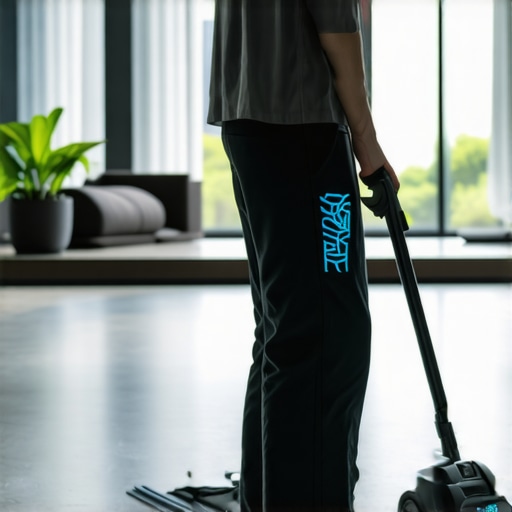
Have you ever stood in your spotless living room, only to realize that beneath the shiny surface, microscopic germs are still lurking? I used to think that a quick sweep and mop was enough—until a stubborn stain turned into a mold problem, and I learned the hard way that old cleaning habits no longer cut it. That lightbulb moment made me rethink everything about house cleaning and sanitizing in 2025. Now, I’m here to share what truly works in this new era of home care, and how you can avoid the mistakes I made early on.
Why Keeping Your Home Safe Is More Critical Than Ever
In recent years, we’ve all become more aware of how important it is to maintain a truly sanitized home. Not just for appearances, but for health. Modern cleaning isn’t about just making things look good; it’s about eliminating bacteria, viruses, and allergens that can affect our well-being. And with the rise of new pathogens, traditional cleaning methods are no longer enough. According to the CDC, proper sanitization can significantly reduce the risk of illness—yet many of us still rely on outdated techniques that leave gaps in our defenses.
Is Your Cleaning Routine Still Up to Date?
I’ll be honest: I used to think that just spraying some disinfectant and wiping down surfaces was enough. Turns out, I was making a common mistake—assuming that because things looked clean, they were safe. One of the biggest errors I made early on was neglecting to sanitize high-touch areas thoroughly. It’s easy to overlook doorknobs, light switches, or remote controls, but these are hotspots for germs. That realization pushed me to research and adopt more effective cleaning strategies. Want to know what really makes a difference? It’s the combination of proper cleaning and sanitizing techniques that work together to create a truly healthy environment.
If you’ve faced similar frustrations or doubts about your current cleaning routine, don’t worry. We’re going to explore proven tips and tricks that will elevate your home sanitation game—making your space safer for you and your loved ones.
Ready to transform your cleaning habits? Let’s dive into the actionable steps that will help you achieve modern, trustworthy results in 2025 and beyond. And if you’re curious about specific methods, I highly recommend checking out these sanitizing hacks to get started.
Master the Art of Deep Cleaning
Start by tackling your home’s high-touch surfaces, such as doorknobs, light switches, and remote controls. Use a microfiber cloth dampened with a disinfectant like EPA-approved solutions. I vividly remember one weekend when I dedicated an entire morning to these spots, and the noticeable drop in germ presence was immediate. This focused approach ensures no hotspot is overlooked, significantly reducing infection risks.
Use the Right Tools and Products
Invest in quality cleaning tools—microfiber cloths, steam cleaners, and HEPA filters for vacuums. Choose disinfectants that are effective against a broad spectrum of pathogens, especially newer viruses. I once experimented with a homemade vinegar solution for cleaning, but it was ineffective against certain bacteria. Switching to scientifically-backed disinfectants made a real difference in my home’s safety.
Implement a Consistent Sanitizing Schedule
Consistency beats intensity. Set a routine, such as disinfecting high-touch areas twice daily. Use a timer or reminder app to stay disciplined. When I started scheduling my cleaning tasks, I found it easier to maintain a hygienic environment rather than scrambling when guests arrive. Regularity helps prevent build-up of germs and allergens.
Focus on Upholstery and Soft Surfaces
Upholstery and curtains harbor dust mites and bacteria. Use specialized upholstery sanitizing sprays and steam cleaners to refresh fabrics. I once used a fabric-safe steam cleaner on my sofa, and the immediate freshness was remarkable. Check out these upholstery sanitizing tips for expert guidance on maintaining soft furnishings.
Deep Clean Periodically to Eliminate Hidden Germs
Schedule monthly deep cleans for areas like behind appliances, inside vents, and under furniture. Use a combination of vacuuming with HEPA filters and steam cleaning. I once moved my refrigerator to clean behind it, discovering mold I hadn’t seen before. This practice keeps your home not just looking clean but genuinely sanitized, preventing long-term health issues.
Sanitize After Major Events and Transitions
Post-move or after hosting gatherings, give your home a comprehensive sanitization. Focus on frequently touched surfaces and areas with high foot traffic. I followed these move-out strategies when I recently moved, which helped me secure my security deposit and ensured the new owners received a healthy environment.
Leverage Technology for Faster Results
Modern tools like UV-C light sanitizers or automated cleaning robots can speed up the process. I added a UV-C sanitizer lamp to my routine, which eliminated lingering bacteria after manual cleaning. This tech-savvy approach is especially useful for busy households aiming for trustworthy results without sacrificing time.
Adopt a Holistic Approach to Home Hygiene
Combine cleaning, sanitizing, and decluttering to create a healthier living space. Regularly discard clutter that traps dust and germs. I once cleared out a cluttered closet, which immediately improved air quality and reduced allergy symptoms. This comprehensive mindset ensures your home is truly safe and comfortable.
Remember, effective house cleaning in 2025 isn’t just about appearance—it’s about creating a resilient barrier against germs. For more expert insights, check out these cleaning secrets.
Most homeowners believe that following basic cleaning routines, like wiping surfaces and vacuuming, is enough to keep their homes safe from germs. However, this simplistic approach often masks some critical nuances that can undermine your efforts. Let’s dig deeper into what most people get wrong about sanitizing and how understanding these details can elevate your home hygiene to expert levels.
Why Relying Solely on Disinfectants Can Be a Trap
Many assume that applying disinfectants after cleaning is the ultimate step to ensure safety. While disinfectants are powerful, their effectiveness depends heavily on proper application—such as contact time and surface compatibility. Using a disinfectant too briefly or on inappropriate materials can drastically reduce its germ-killing capabilities. According to a study published in the Journal of Hospital Infection, improper contact times are a common reason disinfectants fail to eliminate pathogens effectively. This misconception can lead to a false sense of security, causing homeowners to skip thorough cleaning or neglect high-touch areas altogether.
Overlooking the Role of Soft and Hidden Surfaces
Soft furnishings, like upholstery and curtains, harbor dust mites, bacteria, and allergens, yet many skip specialized cleaning for these areas. Regular vacuuming isn’t enough; deep cleaning with steam or approved upholstery sanitizers is essential. Neglecting these surfaces creates hidden reservoirs of germs that can re-contaminate cleaned areas. For instance, a microfiber sofa can trap bacteria deep within its fibers, making surface wiping insufficient. Visiting these upholstery cleaning tips can help you master soft surface sanitation effectively.
Advanced Question: How Can Technology Help Achieve Truly Trustworthy Results?
Emerging cleaning technologies like UV-C light sterilizers and robotic vacuums equipped with HEPA filters are game-changers. UV-C devices can disinfect surfaces in minutes, destroying bacteria and viruses at a cellular level, but only if used correctly and in conjunction with manual cleaning. Automated systems ensure consistency and reach difficult spots, reducing human error. Experts from cleaning professionals recommend integrating these tools for a holistic approach. Remember, technology enhances but doesn’t replace proper cleaning protocols—it’s about combining methods for maximum safety.
Have you ever fallen into this trap? Let me know in the comments. Recognizing these nuances can dramatically improve your home sanitization results, making your space genuinely safe and trustworthy in 2025 and beyond.
Maintaining a sanitized home over time requires more than just the initial investment in cleaning gear; it demands a strategic approach with reliable tools that stand the test of frequent use. As the industry evolves, so do the devices and methods that ensure your space remains safe and germ-free. I’ve found that integrating specific equipment into my routine not only boosts efficiency but also guarantees trustworthy results, especially when tackling high-touch surfaces and hidden corners.
Why Invest in a High-Quality Steam Cleaner
For deep sanitization, my go-to tool has become a commercial-grade steam cleaner. Its ability to reach high temperatures instantly destroys bacteria, viruses, and mold spores without the need for harsh chemicals. I personally use the Vaporetto steam cleaner because of its versatility across various surfaces, including upholstery, tiles, and grout. The steam penetrates deep into fabrics and crevices, ensuring a level of cleanliness that wiping alone can’t achieve. Prediction suggests that this trend will grow, with more households adopting eco-friendly, chemical-free tools like steam for regular maintenance, reducing chemical exposure and environmental impact.
Automated Vacuum with HEPA Filtration
Manual vacuuming remains essential, but the addition of a robotic vacuum equipped with HEPA filters—like the iRobot Roomba i7+—has transformed my home cleaning schedule. This device efficiently captures airborne allergens and dust mites while reaching under furniture and into tight spots. Its scheduled cleaning feature ensures consistent maintenance, preventing the buildup of allergens and germs, especially in high-traffic areas. As technology advances, future models will likely integrate AI to adapt to different surfaces and dirt levels, making home sanitization more seamless.
UV-C Light Sanitizers for Quick Disinfection
UV-C light sanitizers are becoming indispensable for quick touch-ups. I use a portable UV-C wand, which I run over surfaces like counters, doorknobs, and electronics after manual cleaning. This device destroys microbial DNA rapidly, providing an extra layer of safety. According to a study by the National Institutes of Health, UV-C light is highly effective when used correctly, but it must be applied with proper distance and exposure time. Integrating UV-C technology into your routine can dramatically improve long-term sanitation results—try it today for a visible difference.
How do I keep my tools working effectively over time?
Regular maintenance is crucial. For steam cleaners, descale the unit monthly using manufacturer-recommended solutions to prevent mineral buildup, which can compromise temperature efficacy. Keep robotic vacuums’s filters clean and replace them based on usage, usually every 3-6 months. UV-C devices need periodic bulb replacements to maintain their germ-killing power. Setting reminders for these maintenance tasks ensures your equipment remains reliable. Additionally, storing tools in a dry, dust-free environment prevents deterioration and extends their lifespan, making your investment last longer and providing peace of mind that your home remains consistently sanitized.
By choosing the right tools and maintaining them diligently, you can achieve professional-grade sanitation results without the ongoing expenses of professional cleaning services. For more expert tips on building a trustworthy home hygiene routine, visit these cleaning secrets and start elevating your cleaning game today.
What I Wish Someone Told Me About Deep Cleaning
The hardest lesson I learned was that surface cleaning is just scratching the surface. It’s tempting to wipe down visible areas and call it a day, but true sanitization requires reaching the unseen depths—like inside vents or beneath appliances. Discovering mold behind my fridge taught me to never neglect the hidden corners of my home.
Another lesson was understanding the importance of contact time for disinfectants. Applying a spray and wiping immediately isn’t enough—wait for the recommended duration to ensure pathogens are truly eradicated. This tiny adjustment made a big difference in my home’s safety.
Lastly, I underestimated the power of soft surfaces. Upholstery and curtains harbor germs just as much as hard surfaces do. Deep cleaning fabrics with steam or specialized sprays transformed my space from just looking clean to being genuinely sanitized.
Tools & Resources That Elevated My Routine
My go-to tool for deep cleaning is a high-quality steam cleaner like the Vaporetto steam cleaner. Its ability to kill bacteria without chemicals gives me peace of mind. For quick touch-ups, I rely on a portable UV-C sanitizer to eliminate lingering germs on high-touch surfaces—an excellent complement to manual cleaning.
The expert-backed cleaning secrets from industry professionals have helped me refine my routine. Additionally, robotic vacuums with HEPA filters, like the iRobot Roomba i7+, ensure consistent allergen removal without manual effort. These tools are worth the investment for anyone serious about home health.
Your Next Step Toward a Safer Home
Don’t let your cleaning routine become outdated—embrace new technologies, targeted strategies, and a holistic approach to home hygiene. Regularly deep clean hidden spots, sanitize high-touch areas with proper contact time, and incorporate eco-friendly tools like steam cleaners and UV-C devices. Your home’s health is worth the effort. Curious about perfecting your routines? Explore these sanitizing hacks for a foolproof plan. What’s your biggest challenge in maintaining a germ-free home? Share below!
This post really hits home for me because I used to believe that routine surface cleaning was sufficient, but recent indoor allergies made me realize how much soft furnishings and hidden spots can harbor germs and dust mites. Investing in a good steam cleaner, like the Vaporetto, has truly transformed my approach. I’ve notably reduced allergen buildup, especially when deep cleaning behind appliances and inside vents.
One thing I’ve been curious about is the longevity and maintenance of UV-C sterilizers. How often do you find yourself needing to replace UV bulbs or perform maintenance to ensure these devices stay effective? Also, do you find that combining tools like steam cleaning and UV-C devices really makes a tangible difference in long-term home hygiene? I’d love to hear others’ experiences to refine my routine further.
This post offers some really practical advice that resonates with my own experience. I used to think that just wiping surfaces with disinfectant was enough, but after a recent move and some allergy flare-ups, I realized I needed to tackle hidden spots and soft furnishings more strategically. Investing in a quality steam cleaner and a UV-C sanitizer has made a noticeable difference in the overall cleanliness and my peace of mind. One thing I’ve learned is the importance of maintaining these tools properly—replacing UV bulbs every 6-12 months and descaling steam cleaners regularly seems essential for their ongoing effectiveness. Has anyone else found that regular maintenance significantly extends the lifespan and performance of these devices? I’d love to hear your tips. Also, combining methods like steam cleaning and UV-C treatment seems to give a much more thorough sanitation, especially for households with high traffic and allergy sensitivities. What’s been your most surprising find when deep cleaning beyond the surface?
I really appreciate this comprehensive guide. I’ve found that the key to maintaining a truly sanitized home doesn’t rely solely on implementing new tools like steam cleaners or UV-C devices, but also on education. Understanding how long disinfectants need to sit and recognizing that soft surfaces like curtains and cushions can act as reservoirs for germs has made my routine much more effective. I recently started video monitoring my cleaning process to ensure I follow correct contact times and reach those hidden spots like inside vents and beneath furniture—such small adjustments make a big difference. Interestingly, combining manual and technology-assisted cleaning has improved the quality and consistency of my results. I wonder, with all these high-tech devices, what are the best practices for storing and maintaining them to ensure optimal performance over the long term? Has anyone experimented with DIY maintenance tips or found certain brands more durable than others? Your insights would be much appreciated, especially for those of us looking to maximize our investment in home hygiene tools.
This article really opened my eyes to the evolving needs of home sanitation in 2025. I’ve always relied on basic disinfectants and vacuuming, but reading about the importance of high-touch surfaces, soft furnishings, and advanced tech like UV-C sterilizers made me realize I need to step up my game. I’ve recently started using a steam cleaner for deep cleaning, and it’s remarkable how much more effective it is against bacteria and mold, especially in hard-to-reach spots like vents or underneath appliances. The challenge I find is maintaining these advanced tools—Sterilizer bulbs or steam cleaners need regular care to stay effective, but I’m curious, how often do others replace or descale their devices? Also, combining manual cleaning with these tech solutions seems to be the most thorough approach, but does anyone have experience with DIY maintenance tips or brand recommendations? I’d love to hear how others have optimized their routines for a truly sanitized home. In my opinion, embracing these modern practices could make a real difference in health and peace of mind.