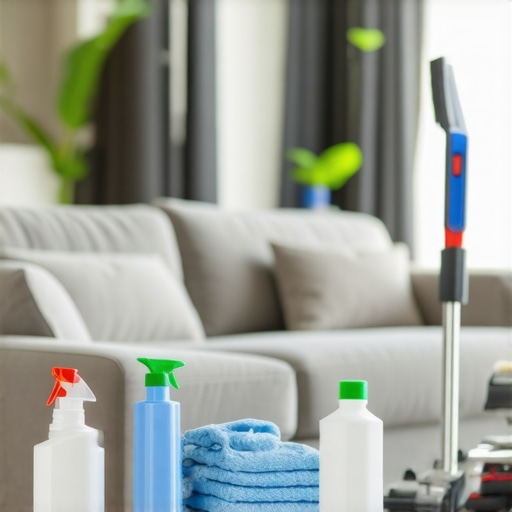
I remember the first time I pulled back my couch cushions and was hit with a wave of dust, pet hair, and an undeniable feeling that my home wasn’t as clean as I thought. It was a wake-up call that made me realize how easily dirt, allergens, and bacteria hide in our upholstery, silently affecting our health. That lightbulb moment pushed me to learn the best ways to sanitize and refresh my furniture—something I wish I had prioritized sooner.
Why Modern Homes Need Special Attention to Upholstery and Sanitizing
In today’s busy world, our homes are more than just a place to rest—they’re sanctuaries, workspaces, and social hubs. But with this increased activity comes increased exposure to germs, dust mites, and stains that can compromise our well-being. Modern upholstery isn’t just about aesthetics anymore; it’s about creating a safe environment. Regular cleaning helps prevent allergy flare-ups and keeps your space feeling fresh and inviting. Plus, with newer materials and fabrics, traditional cleaning methods may not cut it. That’s why understanding effective sanitizing techniques tailored for modern homes is crucial.
Have You Faced This Problem Before?
If you’ve ever wondered whether your cleaning routine is enough or if your furniture could be harboring unseen germs, you’re not alone. I’ve been there, and I know how frustrating it can be to find a reliable method that actually works. Early on, I made the mistake of relying solely on vacuuming without sanitizing, thinking it was enough. But I soon learned that without proper disinfecting, bacteria and allergens persist, lurking beneath the surface. That realization led me to discover proven strategies that truly make a difference—techniques I now swear by and want to share with you.
Research shows that fabrics can trap dirt, bacteria, and allergens, making regular sanitizing essential for a healthier home (source). In the next sections, I’ll guide you through practical, easy-to-implement tips so you can revitalize your upholstery and enjoy a cleaner, more hygienic living space.
Start with the Basics of Deep Cleaning
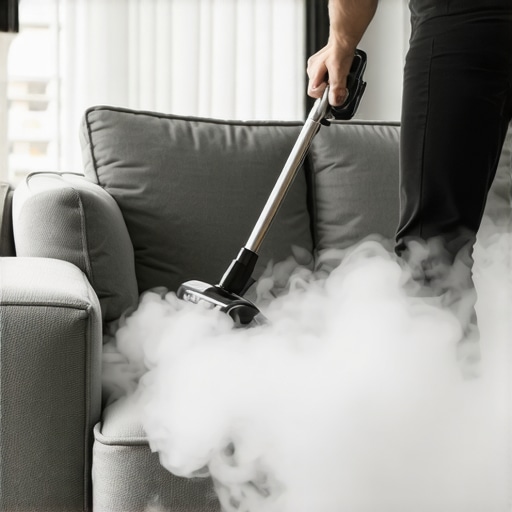
My first real success came when I decided to take on my sofa with a handheld steam cleaner. I moved slowly, pressing the steamer into every fabric fold, much like ironing out wrinkles on a shirt. The steam loosened dirt and killed bacteria, leaving my sofa smelling fresh and looking vibrant. Remember, always test a small hidden area first to avoid damage. For more detailed techniques, check out upholstery cleaning tips.
Choose the Right Sanitizing Products
Next, I learned that not all disinfectants are equal, especially for delicate fabrics. I opted for a fabric-safe sanitizer, combining it with a spray bottle and a microfiber cloth. Think of it as giving your furniture a protective shield—like armor for your upholstery. Spray evenly, then wipe in gentle strokes. For trusted product recommendations, visit effective upholstery sanitizing strategies.
Pay Attention to Fabrics and Materials
One time, I ignored the fabric type and used a harsh chemical cleaner on my velvet couch. The result was a faded patch that looked worse than before. Now, I always identify fabric labels—like reading a map—before choosing cleaning methods. For example, natural fibers respond well to gentle cleansers, while synthetic fabrics may need specific solutions. For comprehensive guidance, see modern house cleaning tips.
Use Proper Tools for Every Step
During my last cleaning session, I used a soft-bristled brush to loosen embedded dirt from my upholstered headboard. Think of it as a painter’s brush gently sweeping away dust without damaging delicate paint. Combining tools like vacuum attachments, microfiber cloths, and soft brushes ensures thorough cleaning without harming fabrics. To streamline your process, explore ultimate upholstery move-out cleaning strategies.
Follow Up With Regular Maintenance
After my initial deep clean, I set a routine: vacuum weekly, spot clean spills immediately, and schedule professional sanitizing every six months. It’s like maintaining a garden—consistent care keeps everything lush and healthy. Incorporate these habits into your schedule to prevent dirt buildup and extend the life of your furniture. For more tips, see modern upholstery sanitizing tips.
< >
>
Many homeowners fall into the trap of believing they know the best way to keep their upholstery clean and sanitized. However, some of the most widespread beliefs are actually misconceptions that can hinder your efforts or even cause damage. As someone who has spent years researching and testing cleaning methods, I want to shed light on these myths and share the nuanced truths that often go unnoticed.
Why Do People Still Rely on Traditional Cleaning Methods
It’s common to think that vacuuming regularly is enough to maintain a hygienic home, but this is a classic example of a well-intentioned myth. While vacuuming removes surface dust and loose debris, it doesn’t eliminate bacteria, allergens, or stains embedded deep within fabrics. In fact, relying solely on vacuuming can give a false sense of security, leaving harmful particles lurking beneath the surface. Modern sanitizing techniques, such as steam cleaning or specialized disinfectants, are necessary for a truly hygienic environment. For more detailed insights, explore upholstery cleaning tips.
The Hidden Danger of Using Harsh Chemicals
Another common misconception is that strong chemical cleaners are always the safest bet for disinfecting upholstery. In reality, many harsh chemicals can damage delicate fabrics like silk or velvet and may cause allergic reactions or skin irritations. Not all disinfectants are suitable for every fabric type; some require specific formulations or application methods. The key is to understand your fabric’s material and choose products that are gentle yet effective. For example, natural fiber fabrics respond better to milder solutions, and overuse of chemicals can degrade fabric fibers over time. To avoid pitfalls, check product labels carefully and consider professional advice or consult cleaning experts.
Advanced Reader Question: How Can I Ensure My Sanitizing Approach Is Truly Effective?
For those who want to go beyond basic cleaning and truly ensure their upholstery is sanitized, it’s essential to understand the science behind effective disinfection. Using a combination of methods—like steam cleaning at the right temperature, applying fabric-safe disinfectants, and allowing proper contact time—maximizes germ eradication. Additionally, regular maintenance, such as professional deep cleaning every 6-12 months, prevents buildup of allergens and bacteria. A recent study published in the Journal of Environmental Health emphasizes that multi-modal approaches are the most effective for comprehensive sanitization (source). Remember, consistency and proper technique are your allies in maintaining healthy upholstery.
Have you ever fallen into this trap? Let me know in the comments. For more expert-backed strategies, visit our cleaning secrets.
Invest in the Right Equipment for Long-Term Results
To ensure your upholstery stays fresh and hygienic, I rely heavily on specific tools that I trust for their effectiveness and durability. My go-to is the **Vaporetto Smart 100 B Steam Cleaner**, which provides consistent steam at controlled temperatures, effectively killing bacteria and loosening dirt without damaging delicate fabrics. I prefer steam cleaning over chemical disinfectants because it’s eco-friendly, safe for pets and children, and offers deep sanitization. Regular use of a steam cleaner like this prevents buildup and prolongs the lifespan of your furniture.
Why I Recommend a HEPA-Filtered Vacuum
A powerful vacuum with HEPA filtration, such as the **Dyson V15 Detect**, is indispensable for maintaining upholstery. The HEPA filter traps allergens, dust mites, and microscopic particles that can cause allergies or respiratory issues. I use it weekly to remove surface debris and embedded dirt, which preps the fabric for more intensive cleaning sessions. The combination of vacuuming and steam ensures a comprehensive approach to sanitation, tackling both surface-level and deep-seated contaminants.
Smart Application of Disinfectants and Protectants
When applying disinfectants, I prefer spray formulations that are fabric-safe and contain antimicrobial agents approved by the EPA. My favorite is the **Concrobium Mold Control** spray, which I use after steam cleaning to add an extra layer of protection against mold and bacteria. It dries quickly and leaves no residue, making it ideal for regular maintenance. Additionally, I use a fabric protectant spray—like Scotchgard—to create a barrier that repels stains and dirt, saving me time on future cleanings.
Use Digital Scheduling Tools for Consistency
Staying consistent is key to long-term upholstery hygiene. I utilize a digital calendar app, such as Google Calendar, to set reminders for routine cleaning sessions—monthly steam cleans and biannual professional treatments. This proactive approach prevents dirt accumulation and maintains a healthier environment. Automation tools like these help me stay disciplined without the hassle of remembering every task.
Predicting the Future of Upholstery Sanitization
As technology advances, I foresee the integration of AI-powered cleaning devices that can automatically detect dirt and bacteria levels, adjusting cleaning intensity accordingly. Innovations like robotic steam cleaners with real-time monitoring could revolutionize how we maintain upholstery, making it more effective and less labor-intensive. Staying updated on these trends allows me to adapt and keep my home in top shape.
How do I maintain my upholstery cleaning routine over time?
Consistency is my secret. I stick to scheduled weekly vacuuming, monthly steam cleaning, and professional deep cleans every six months. Incorporating these habits ensures ongoing hygiene and helps catch issues early before they escalate. For comprehensive guidance on building your own routine, check out our upholstery cleaning tips.
The Hardest Lesson I Learned About Upholstery Care
One of my biggest realizations came after years of neglecting proper sanitizing techniques. I used to think vacuuming was enough, but I discovered that bacteria, allergens, and stains hide deep within fabrics, posing health risks. This lightbulb moment pushed me to adopt multi-step cleaning routines that truly make a difference. Now, I know that deep cleaning with steam and specialized disinfectants is essential for a safe, clean environment.
My Essential Toolkit for Upholstery Refreshing
Over time, I found that investing in a few key tools transformed my cleaning routine. A high-quality steam cleaner, like the Vaporetto Smart 100 B, provides deep sanitization without harsh chemicals. Pair it with a HEPA-filtered vacuum such as the Dyson V15 Detect for surface debris removal. These tools have helped me maintain freshness and extend furniture lifespan.
Keep Your Upholstery Sparkling: Your Turn to Shine
Maintaining a hygienic home is an ongoing journey, and your efforts can make a big impact. Regular vacuuming, periodic steam cleaning, and mindful fabric care create a healthier living space for you and your loved ones. Remember, consistency is key—set reminders and stick to your routine. Your home deserves the best, so start today and enjoy the results of a truly clean and safe environment.
Reading this post really resonated with me, especially the part about misconceptions surrounding upholstery cleaning. I used to rely heavily on vacuuming, assuming that was enough to keep my furniture hygienic, but I soon realized how much dirt and allergens can hide beneath the surface. Since switching to steam cleaning regularly, not only has my home felt fresher, but my allergy symptoms have noticeably improved. I think many homeowners underestimate the importance of proper disinfection, especially with delicate fabrics. Have others here found that switching methods has also improved their indoor air quality? I’d love to hear about your experiences or any tips for balancing thorough cleaning with fabric safety.
This post really hits home for me. A few months ago, I pulled back my sofa cushions and was shocked by how much dust and pet hair had accumulated, especially in the crevices. It made me realize the importance of not just regular vacuuming but also incorporating steam cleaning into my routine. I’ve noticed a significant improvement in my allergies since I started using a handheld steamer on my furniture every month. My question is, for those with sensitive fabrics like silk or velvet, what are the best gentle disinfectants or cleaning methods you recommend? I’d love to hear tips on maintaining deep cleanliness without risking damage to delicate materials. Additionally, how do you balance regular maintenance with the need for professional cleaning? It’s easy to overlook these details, but I believe consistent upkeep is key to a healthier home environment.
This post really highlights the importance of going beyond just vacuuming to keep upholstery truly clean and hygienic. I remember the first time I found pet hair and dust trapped deep in my sofa after what I thought was a thorough vacuum. It was definitely an eye-opener. Since then, I’ve started incorporating steam cleaning, especially using a fabric-safe disinfectant, and I’ve noticed a huge difference—not just in cleanliness, but also in how fresh my home feels, which seems to help with allergy relief. I especially appreciate the emphasis on understanding fabric types before choosing cleaning methods. For anyone dealing with delicate fabrics like silk or velvet, what gentle disinfectants have you had success with that won’t damage your furniture? I’d love to hear other tips on balancing effective sanitation with fabric safety, especially for those of us who want a healthier home environment without risking damage to our favorite pieces.