
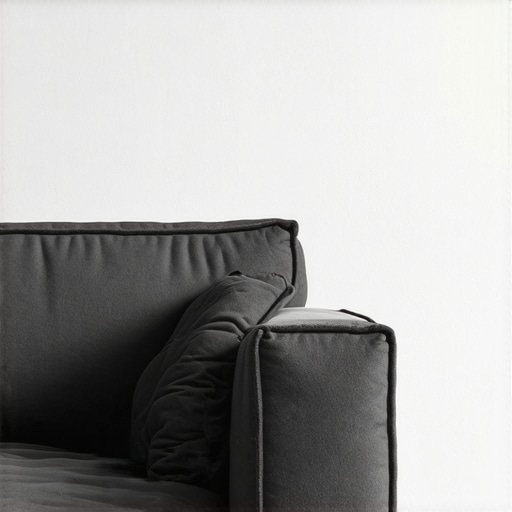
I remember moving out of my first apartment and tackling the big clean-up with all the enthusiasm I could muster. But as I reached for that old, beloved sofa—my favorite spot to unwind—I noticed a strange, uneven patch when I tried to remove a stubborn stain. Turns out, I had no idea if that fabric was colorfast or not. That moment was a lightbulb—what seemed like a simple cleaning task could actually cause more harm than good.
Why You Need to Check If Your Sofa Is Colorfast First
We’ve all been there—ready to scrub and refresh furniture, especially before a move-out or a big house cleaning. But the truth is, not all fabrics are created equal. Some dyes are sensitive and can bleed or fade when exposed to cleaning agents or water. Playing it safe means knowing your fabric’s colorfastness so you can avoid accidental discoloration that might end up costing you your security deposit or leaving your sofa looking worse than before.
Is This Test Really Necessary or Just a Waste of Time?
Initially, I thought, “Why bother? It’s just water or maybe a mild cleaner.” But I learned the hard way that testing is crucial. I once used a strong cleaning solution on a vintage upholstery, believing it would boost the freshness. Within minutes, I saw a streak of color fade — a mistake I’ll never make again. According to experts in upholstery care, failing to check for colorfastness can ruin your fabric or even void warranties. So, trust me when I say that doing a simple, quick test can save you from disaster.
Let’s Make This Easy: How to Test Your Sofa’s Colorfastness
Before you start scrubbing, grab a small, inconspicuous area—like underneath a cushion or behind the sofa—and dab a tiny amount of water mixed with your cleaning solution. Wait a couple of minutes and then gently blot with a clean cloth. If the color transfers or the fabric shows any change, it’s a sign to proceed with caution, or better yet, consult professional cleaning tips [here](https://spotlesscarpetz.com/ultimate-upholstery-care-guide-for-lasting-freshness). This quick step ensures your cleaning efforts won’t backfire, saving time, money, and unnecessary frustration.
Now that you understand why testing is essential, let’s move on to how exactly you can perform this test confidently and whether your sofa needs a gentle touch or a professional hand. Ready to become a cleaning pro? Keep reading, because what follows will make your upholstery cleaning safer, smarter, and—dare I say—more effective.
Start with a Spot Test to Avoid Disasters
Think of this step as a first date — you want to test compatibility before diving in fully. I once carefully dabbed a mixture of water and mild detergent on the underside of a sofa cushion, waiting two minutes to observe any color transfer or fabric change. When no discoloration appeared, I confidently proceeded, saving myself from a nasty dye bleed. For best results, follow the detailed instructions on this guide.
Gather the Right Cleaning Supplies
Use gentle cleansers designed specifically for upholstery — avoid harsh chemicals that can strip fabric or cause discoloration. A mixture of warm water with a few drops of gentle detergent is often enough for routine cleaning. For delicate fabrics, consider using a specialized upholstery cleaner, available at most home improvement stores. Keep your supplies organized; a portable cleaning kit speeds up the process and minimizes chances of mishaps.
Remove Loose Debris and Dust
Before any liquid touches your sofa, clear away dirt and dust with a vacuum cleaner fitted with a soft brush attachment. Think of this as brushing your hair — removing the surface debris ensures your cleaning solution penetrates evenly without trapping dirt inside. Pay special attention to seams, corners, and beneath cushions. For a thorough approach, vacuum in multiple directions, mimicking the way professional cleaners prepare furniture for deep cleaning. This foundational step is crucial for finishing a move-out clean efficiently. Discover more expert tips at this post.
Apply Cleaning Solution Properly
Dip a clean, soft cloth into your cleaning mixture, wring out excess liquid, and gently blot the fabric — avoid scrubbing, which can damage fibers. Imagine you’re patting a sleeping baby — gentle, deliberate touches produce better results and prevent fabric distortion. For larger surfaces, use a spray bottle to lightly mist the cleaner, then wipe with a microfiber cloth. This controlled application reduces the risk of oversaturation, which can lead to mold or water stains. During my last move-out project, I learned that patience here ensures even cleaning without wreaking havoc on the fabric.
Focus on Stains Using Targeted Methods
If you encounter stubborn spots, treat them with specific stain removers suitable for upholstery. Test these on a hidden area first; some products can cause discoloration. Carefully apply the stain remover with a soft brush, working it into the fabric with light circular motions — think of giving your sofa a gentle massage. After a few minutes, blot with a clean, damp cloth to lift the stain. Remember, the goal is to clean without pushing the problem deeper into the fibers. For tricky stains like red wine or ink, check specialized articles such as this guide.
Allow Proper Drying and Ventilation
After cleaning, don’t rush the dry process. Open windows, turn on fans, and, if possible, set up a dehumidifier. Visualize this as airing out a freshly baked loaf — thorough drying prevents musty smells and mold growth. Invest time here; rapid drying reduces downtime and ensures your upholstery is spotless before your move-out inspection. During my last cleaning session, a little patience with drying prevented a damp odor from lingering, helping me secure my deposit effortlessly.
Many homeowners and tenants believe they know the basics of move-out cleaning, but beneath this surface lies a series of nuanced misconceptions that can compromise your efforts. Let’s dig deeper into what most people get wrong, challenge common myths, and reveal advanced mistakes that even seasoned cleaners might overlook.
Why Surface Cleaning Isn’t Enough: The Myth ofHow Do I Keep My Cleaning Tools in Top Shape Over Time?
Investing in quality cleaning equipment pays dividends in the longevity of your home’s sparkle. I personally rely on a few key items to maintain efficiency and effectiveness during every cleaning session. For instance, I swear by a microfiber deep-cleaning mop because it traps dust and grime better than traditional cotton mops, and I personally wash or replace the pads regularly to prevent bacterial buildup, extending their lifespan.
Another tool I recommend is a handheld steam cleaner. It’s perfect for sanitizing upholstery, curtains, and even hard-to-reach areas without using chemicals. I use mine weekly, not just for cleaning but also for sterilizing surfaces, which is especially crucial when preparing a house for move-out. Regular maintenance involves descaling the device and replacing seals to ensure consistent steam output and prevent mold growth inside the bins as advised by cleaning pros.
Tools I Shelve for the Future of Cleaning
Looking ahead, I predict a surge in AI-powered cleaning gadgets. These will be capable of monitoring cleanliness levels and scheduling maintenance automatically. For now, I recommend investing in a cordless vacuum with HEPA filters—I personally find models with adjustable suction and multi-surface capabilities versatile enough to handle everything from carpets to hard floors, ensuring a comprehensive clean with minimal fuss. Regularly checking and replacing filters, following manufacturer instructions, is key to maintaining their effectiveness over time.
Make Your Move-Out Cleaning Effortless
Before the big day, ensure your tools are functioning optimally by inspecting power cords, replacing worn brushes, and sanitizing spray nozzles. These small but crucial steps save time and guarantee your equipment performs reliably. Remember, a well-maintained toolkit not only simplifies the cleaning process but also preserves the quality of your furnishings and surfaces, ultimately helping you secure your full security deposit. For comprehensive guidelines, visit move-out cleaning strategies.
Why Regular Maintenance Trumps Quick Fixes
Skipping routine upkeep of your cleaning tools may lead to reduced effectiveness or even damage. For example, neglecting to clean lint filters hampers a vacuum’s suction power, and ignoring descaling your steam cleaner decreases its sterilization capacity.
Carrying out simple maintenance tasks like deep-cleaning tools after each major cleaning session extends their lifespan and keeps them ready for the next challenge. Employing quality tools correctly, according to expert recommendations from this guide, ensures your house remains spotless for years to come.
Start by inspecting your vacuum filters and replacing them every three to six months, or more frequently if you have pets. Use specialized cleaning solutions recommended by the manufacturer for your upholstery and carpets, as outlined in house cleaning tips. Incorporate these maintenance tactics into your routine, and you’ll notice that your cleaning efforts become quicker and more effective over time. Ready to up your game? Try applying a microfiber cloth to your high-touch electronics to reduce germs without chemical cleaners, a simple practice that can make a big difference in long-term hygiene.
Lessons Only Experienced Cleaners Learn the Hard Way
One of the biggest realizations I had was how easily a simple cleaning mistake can turn into a costly mishap. Early on, I believed that all fabrics could handle the same cleaning approach—until I watched vibrant upholstery fade before my eyes because I didn’t check for colorfastness. It’s a lesson that remains etched in my mind: patience and proper testing save time and money.
Another insight was understanding the importance of consistency. Skipping maintenance on cleaning tools, like neglecting vacuum filters or steam cleaner descaling, diminishes their effectiveness. Over time, I discovered that a well-maintained toolkit not only simplifies the move-out process but also ensures each surface is treated with care, resulting in a spotless home that impresses landlords and leaves tenants stress-free.
Finally, I learned to trust expert guidance. Relying on reputable resources, such as the Ultimate Upholstery Care Guide, transformed my cleaning routines. These trusted sources helped me tackle stubborn stains and sanitize effectively without guesswork, turning a dreaded chore into a rewarding ritual.
Tools and Resources I Keep Coming Back To
My number-one go-to is a microfiber deep-cleaning mop, which I find superior for trapping dust without damaging surfaces. I also swear by a cordless HEPA-filter vacuum; it’s versatile enough to handle everything from carpets to delicate upholstery. For tough stains, I use specialized upholstery cleaners recommended by professionals, ensuring safe and effective results.
The House Cleaning Strategies page has been a game-changer, offering routines that streamline my move-out prep. Finally, incorporating a handheld steam cleaner into my arsenal has allowed me to sanitize high-touch electronics and fabric surfaces swiftly, elevating my cleaning confidence and leaving the home truly fresh.
Let Your Dedication Inspire Change
Tackling move-out cleaning with confidence demands belief in continuous improvement. Remember, each challenge faced and mistake corrected paves the way toward a cleaner, safer home environment. Embrace the nuances—testing fabrics, maintaining tools, and seeking expert advice—and you’ll turn an overwhelming task into a mastery of care. Your best move-out clean awaits, and the satisfaction of a deposit fully secured makes every effort worthwhile.
What’s the one cleaning tip or tool that has transformed your move-out cleaning experience? Share your story below—I’d love to hear how you’ve made the process smoother and more effective!
}#}#}#}#}#}#}#}#}#}#}#}#}#}#}#}#}#}#}#}#}#}#}#}#}#}#}#}#}#}#}#}#}#}#}#}#}#}#}#}#}#}#}#}#}#}#}#}#}#}#}#}#}#}#}#}#}#}#}#}#}#}#}#}#}#}#}#}#}#}#}#}#}#}#}#}#}#}#}#}#}#}#}#}#}#}#}#}#}#}#}#}#}#}#}#}#}#}#}#}#}#}#}#}#}#}#}#}#}#}#}#}#}#}#}#}#}#}#}#}#}#}#}#}#}#}#}#}#}#}#}#}#}#}#}#}#}#}#}#}#}#}#}#}#}#}#}#}#}#}#}#}#}#}#}#}#}#}#}#}#}#}#}#}#}#}#}#}#}#}#}#}#}#}#}#}#}#}#}#}#}#}#}#}#}#}#}#}#}#}#}#}#}#}#}#}#}#}#}#}#}#}#}#}#}#}#}#}#}#}#}#}#}#}#}#}#}#}#}#}#}#}#}#}#}#}#}#}#}#}#}#}#}#}#}#}#}#}#}#}#}#}#}#}#}#}#}#}#}#}#}#}#}#}#}#}#}#}#}#}#}#}#}#}#}#}#}#}#}#}#}#}#}#}#}#}#}#}#}#}#}#}#}#}#}#}#}#}#}#}#}#}#}#}#}#}#}#}#}#}#}#}#}#}#}#}#}#}#}#}#}#}#}#}#}#}#}#}#}#}#}#}#}#}#}#}#}#}#}#}#}#}#}#}#}#}#}#}#}#}#}#}#}#}#}#}#}#}#}#}#}#}#}#}#}#}#}#}#}#}#}#}#}#}#}#}#}#}#}#}#}#}#}#}#}#}#}#}#}#}#}#}#}#}#}#}#}#}#}#}#}#}#}#}#}#}#}#}#}#}#}#}#}#}#}#}#}#}#}#}#}#}#}#}#}#}#}#}#}#}#}#}#}#}#}#}#}#}#}#}#}#}#}#}#}#}#}#}#}#}#}#}#}#}#}#}#}#}#}#}#}#}#}#}#}#}#}#}#}#}#}#}#}#}#}#}#}#}#}#}#}#}#}#}#}#}#}#}#}#}#}#}#}#}#}#}#}#}#}#}#}#}#}#}#}#}#}#}#}#}#}#}#}#}#}#}#}#}#}#}#}#}#}#}#}#}#}#}#}#}#}#}#}#}#}#}#}#}#}#}#}#}#}#}#}#}#}#}#}#}#}#}#}#}#}#}#}#}#}#}#}#}#}#}#}#}#}#}#}#}#}#}#}#}#}#}#}#}#}#}#}#}#}#}#}#}#}#}#}#}#}#}#}#}#}#}#}#}#}#}#}#}#}#}#}#}#}#}#}#}#}#}#}#}#}#}#}#}#}#}#}#}#}#}#}#}#}#}#}#}#}#}#}#}#}#}#}#}#}#}#}#}#}#}#}#}#}#}#}#}#}#}#}#}#}#}#}#}#}#}#}#}#}#}#}#}#}#}#}#}#}#}#}#}#}#}#}#}#}#}#}#}#}#}#}#}#}#}#}#}#}#}#}#}#}#}#}#}#}#}#}#}#}#}#}#}#}#}#}#}#}#}#}#}#}#}#}#}#}#}#}#}#}#}#}#}#}#}#}#}#}#}#}#}#}#}#}#}#}#}#}#}#}#}#}#}#}#}#}#}#}#}#}#}#}#}#}#}#}#}#}#}#}#}#}#}#}#}#}#}#}#}#}#}#}#}#}#}#}#}#}#}#}#}#}#}#}#}#}#}#}#}#}#}#}#}#}#}#}#}#}#}#}#}#}#}#}#}#}#}#}#}#}#}#}#}#}#}#}#}#}#}#}#}#}#}#}#}#}#}#}#}#}#}#}#}#}#}#}#}#}#}#}#}#}#}#}#}#}#}#}#}#}#}#}#}#}#}#}#}#}#}#}#}#}#}#}#}#}#}#}#}#}#}#}#}#}#}#}#}#}#}#}#}#}#}#}#}#}#}#}#}#}#}#}#}#}#}#}#}#}#}#}#}#}#}#}#}#}#}#}#}#}#}#}#}#}#}#}#}#}#}#}#}#}#}#}#}#}#}#}#}#}#}#}#}#}#}#}#}#}#}#}#}#}#}#}#}#}#}#}#}#}#}#}#}#}#}#}#}#}#}#}#}#}#}#}#}#}#}#}#}#}#}#}#}#}#}#}#}#}#}#}#}#}#}#}#}#}#}#}#}#}#}#}#}#}#}#}#}#}#}#}#}#}#}#}#}#}#}#}#}#}#}#}#}#}#}#}#}#}#}#}#}#}#}#}#}#}#}#}#}#}#}#}#}#}#}#}#}#}#}#}#}#}#}#}#}#}#}#}#}#}#}#}#}#}#}#}#}#}#}#}#}#}#}#}#}#}#}#}#}#}#}#}#}#}#}#}#}#}#}#}#}#}#}#}#}#}#}#}#}#}#}#}#}#}#}#}#}#}#}#}#}#}#}#}#}#}#}#}#}#}#}#}#}#}#}#}#}#}#}#}#}#}#}#}#}#}#}#}#}#}#}#}#}#}#}#}#}#}#}#}#}#}#}#}#}#}#}#}#}#}#}#}#}#}#}#}#}#}#}#}#}#}#}#}#}#}#}#}#}#}#}#}#}#}#}#}#}#}#}#}#}#}#}#}#}#}#}#}#}#}#}#}#}#}#}#}#}#}#}#}#}#}#}#}#}#}#}#}#}#}#}#}#}#}#}#}#}#}#}#}#}#}#}#}#}#}#}#}#}#}#}#}#}#}#}#}#}#}#}#}#}#}#}#}#}#}#}#}#}#}#}#}#}#}#}#}#}#}#}#}#}#}#}#}#}#}#}#}#}#}#}#}#}#}#}#}#}#}#}#}#}#}#}#}#}#}#}#}#}#}#}#}#}#}#}#}#}#}#}#}#}#}#}#}#}#}#}#}#}#}#}#}#}#}#}#}#}#}#}#}#}#}#}#}#}#}#}#}#}#}#}#}#}#}#}#}#}#}#}#}#}#}#}#}#}#}#}#}#}#}#}#}#}#}#}#}#}#}#}#}#}#}#}#}#}#}#}#}#}#}#}#}#}#}#}#}#}#}#}#}#}#}#}#}#}#}#}#}#}#}#}#}#}#}#}#}#}#}#}#}#}#}#}#}#}#}#}#}#}#}#}#}#}#}#}#}#}#}#}#}#}#}#}#}#}#}#}#}#}#}#}#}#}#}#}#}#}#}#}#}#}#}#}#}#}#}#}#}#}#}#}#}#}#}#}#}#}#}#}#}#}#}#}#}#}#}#}#}#}#}#}#}#}#}#}#}#}#}#}#}#}#}#}#}#}#}#}#}#}#}#}#}#}#}#}#}#}#}#}#}#}#}#}#}#}#}#}#}#}#}#}#}#}#}#}#}#}#}#}#}#}#}#}#}#}#}#}#}#}#}#}#}#}#}#}#}#}#}#}#}#}#}#}#}#}#}#}#}#}#}#}#}#}#}#}#}#}#}#}#}#}#}#}#}#}#}#}#}#}#}#}#}#}#}#}#}#}#}#}#}#}#}#}#}#}#}#}#}#}#}#}#}#}#}#}#}#}#}#}#}#}#}#}#}#}#}#}#}#}#}#}#}#}#}#}#}#}#}#}#}#}#}#}#}#}#}#}#}#}#}#}#}#}#}#}#}#}#}#}#}#}#}#}#}#}#}#}#}#}#}#}#}#}#}#}#}#}#}#}#}#}#}#}#}#}#}#}#}#}#}#}#}#}#}#}#}#}#}#}#}#}#}#}#}#}#}#}#}#}#}#}#}#}#}#}#}#}#}#}#}#}#}#}#}#}#}#}#}#}#}#}#}#}#}#}#}#}#}#}#}#}#}#}#}#}#}#}#}#}#}#}#}#}#}#}#}#}#}#}#}#}#}#}#}#}#}#}#}#}#}#}#}#}#}#}#}#}#}#}#}#}#}#}#}#}#}#}#}#}#}#}#}#}#}#}#}#}#}#}#}#}#}#}#}#}#}#}#}#}#}#}#}#}#}#}#}#}#}#}#}#}#}#}#}#}#}#}#}#}#}#}#}#}#}#}#}#}#}#}#}#}#}#}#}#}#}#}#}#}#}#}#}#}#}#}#}#}#}#}#}#}#}#}#}#}#}#}#}#}#}#}#}#}#}#}#}#}#}#}#}#}#}#}#}#}#}#}#}#}#}#}#}#}#}#}#}#}#}#}#}#}#}#}#}#}#}#}#}#}#}#}#}#}#}#}#}#}#}#}#}#}#}#}#}#}#}#}#}#}#}#}#}#}#}#}#}#}#}#}#}#}#}#}#}#}#}#}#}#}#}#}#}#}#}#}#}#}#}#}#}#}#}#}#}#}#}#}#}#}#}#}#}#}#}#}#}#}#}#}#}#}#}#}#}#}#}#}#}#}#}#}#}#}#}#}#}#}#}#}#}#}#}#}#}#}#}#}#}#}#}#}#}#}#}#}#}#}#}#}#}#}#}#}#}#}#}#}#}#}#}#}#}#}#}#}#}#}#}#}#}#}#}#}#}#}#}#}#}#}#}#}#}#}#}#}#}#}#}#}#}#}#}#}#}#}#}#}#}#}#}#}#}#}#}#}#}#}#}#}#}#}#}#}#}#}#}#}#}#}#}#}#}#}#}#}#}#}#}#}#}#}#}#}#}#}#}#}#}#}#}#}#}#}#}#}#}#}#}#}#}#}#}#}#}#}#}#}#}#}#}#}#}#}#}#}#}#}#}#}#}#}#}#}#}#}#}#}#}#}#}#}#}#}#}#}#}#}#}#}#}#}#}#}#}#}#}#}#}#}#}#}#}#}#}#}#}#}#}#}#}#}#}#}#}#}#}#}#}#}#}#}#}#}#}#}#}#}#}#}#}#}#}#}#}#}#}#}#}#}#}#}#}#}#}#}#}#}#}#}#}#}#}#}#}#}#}#}#}#}#}#}#}#}#}#}#}#}#}#}#}#}#}#}#}#}#}#}#}#}#}#}#}#}#}#}#}#}#}#}#}#}#}#}#}#}#}#}#}#}#}#}#}#}#}#}#}#}#}#}#}#}#}#}#}#}#}#}#}#}#}#}#}#}#}#}#}#}#}#}#}#}#}#}#}#}#}#}#}#}#}#}#}#}#}#}#}#}#}#}#}#}#}#}#}#}#}#}#}#}#}#}#}#}#}#}#}#}#}#}#}#}#}#}#}#}#}#}#}#}#}#}#}#}#}#}#}#}#}#}#}#}#}#}#}#}#}#}#}#}#}#}#}#}#}#}#}#}#}#}#}#}#}#}#}#}#}#}#}#}#}#}#}#}#}#}#}#}#}#}#}#}#}#}#}#}#}#}#}#}#}#}#}#}#}#}#}#}#}#}#}#}#}#}#}#}#}#}#}#}#}#}#}#}#}#}#}#}#}#}#}#}#}#}#}#}#}#}#}#}#}#}#}#}#}#}#}#}#}#}#}#}#}#}#}#}#}#}#}#}#}#}#}#}#}#}#}#}#}#}#}#}#}#}#}#}#}#}#}#}#}#}#}#}#}#}#}#}#}#}#}#}#}#}#}#}#}#}#}#}#}#}#}#}#}#}#}#}#}#}#}#}#}#}#}#}#}#}#}#}#}#}#}#}#}#}#}#}#}#}#}#}#}#}#}#}#}#}#}#}#}#}#}#}#}#}#}#}#}#}#}#}#}#}#}#}#}#}#}#}#}#}#}#}#}#}#}#}#}#}#}#}#}#}#}#}#}#}#}#}#}#}#}#}#}#}#}#}#}#}#}#}#}#}#}#}#}#}#}#}#}#}#}#}#}#}#}#}#}#}#}#}#}#}#}#}#}#}#}#}#}#}#}#}#}#}#}#}#}#}#}#}#}#}#}#}#}#}#}#}#}#}#}#}#}#}#}#}#}#}#}#}#}#}#}#}#}#}#}#}#}#}#}#}#}#}#}#}#}#}#}#}#}#}#}#}#}#}#}#}#}#}#}#}#}#}#}#}#}#}#}#}#}#}#}#}#}#}#}#}#}#}#}#}#}#}#}#}#}#}#}#}#}#}#}#}#}#}#}#}#}#}#}#}#}#}#}#}#}#}#}#}#}#}#}#}#}#}#}#}#}#}#}#}#}#}#}#}#}#}#}#}#}#}#}#}#}#}#}#}#}#}#}#}#}#}#}#}#}#}#}#}#}#}#}#}#}#}#}#}#}#}#}#}#}#}#}#}#}#}#}#}#}#}#}#}#}#}#}#}#}#}#}#}#}#}#}#}#}#}#}#}#}#}#}#}#}#}#}#}#}#}#}#}#}#}#}#}#}#}#}#}#}#}#}#}#}#}#}#}#}#}#}#}#}#}#}#}#}#}#}#}#}#}#}#}#}#}#}#}#}#}#}#}#}#}#}#}#}#}#}#}#}#}#}#}#}#}#}#}#}#}#}#}#}#}#}#}#}#}#}#}#}#}#}#}#}#}#}#}#}#}#}#}#}#}#}#}#}#}#}#}#}#}#}#}#}#}#}#}#}#}#}#}#}#}#}#}#}#}#}#}#}#}#}#}#}#}#}#}#}#}#}#}#}#}#}#}#}#}#}#}#}#}#}#}#}#}#}#}#}#}#}#}#}#}#}#}#}#}#}#}#}#}#}#}#}#}#}#}#}#}#}#}#}#}#}#}#}#}#}#}#}#}#}#}#}#}#}#}#}#}#}#}#}#}#}#}#}#}#}#}#}#}#}#}#}#}#}#}#}#}#}#}#}#}#}#}#}#}#}#}#}#}#}#}#}#}#}#}#}#}#}#}#}#}#}#}#}#}#}#}#}#}#}#}#}#}#}#}#}#}#}#}#}#}#}#}#}#}#}#}#}#}#}#}#}#}#}#}#}#}#}#}#}#}#}#}#}#}#}#}#}#}#}#}#}#}#}#}#}#}#}#}#}#}#}#}#}#}#}#}#}#}#}#}#}#}#}#}#}#}#}#}#}#}#}#}#}#}#}#}#}#}#}#}#}#}#}#}#}#}#}#}#}#}#}#}#}#}#}#}#}#}#}#}#}#}#}#}#}#}#}#}#}#}#}#}#}#}#}#}#}#}#}#}#}#}#}#}#}#}#}#}#}#}#}#}#}#}#}#}#}#}#}#}#}#}#}#}#}#}#}#}#}#}#}#}#}#}#}#}#}#}#}#}#}#}#}#}#}#}#}#}#}#}#}#}#}#}#}#}#}#}#}#}#}#}#}#}#}#}#}#}#}#}#}#}#}#}#}#}#}#}#}#}#}#}#}#}#}#}#}#}#}#}#}#}#}#}#}#}#}#}#}#}#}#}#}#}#}#}#}#}#}#}#}#}#}#}#}#}#}#}#}#}#}#}#}#}#}#}#}#}#}#}#}#}#}#}#}#}#}#}#}#}#}#}#}#}#}#}#}#}#}#}#}#}#}#}#}#}#}#}#}#}#}#}#}#}#}#}#}#}#}#}#}#}#}#}#}#}#}#}#}#}#}#}#}#}#}#}#}#}#}#}#}#}#}#}#}#}#}#}#}#}#}#}#}#}#}#}#}#}#}#}#}#}#}#}#}#}#}#}#}#}#}#}#}#}#}#}#}#}#}#}#}#}#}#}#}#}#}#}#}#}#}#}#}#}#}#}#}#}#}#}#}#}#}#}#}#}#}#}#}#}#}#}#}#}#}#}#}#}#}#}#}#}#}#}#}#}#}#}#}#}#}#}#}#}#}#}#}#}#}#}#}#}#}#}#}#}#}#}#}#}#}#}#}#}#}#}#}#}#}#}#}#}#}#}#}#}#}#}#}#}#}#}#}#}#}#}#}#}#}#}#}#}#}#}#}#}#}#}#}#}#}#}#}#}#}#}#}#}#}#}#}#}#}#}#}#}#}#}#}#}#}#}#}#}#}#}#}#}#}#}#}#}#}#}#}#}#}#}#}#}#}#}#}#}#}#}#}#}#}#}#}#}#}#}#}#}#}#}#}#}#}#}#}#}#}#}#}#}#}#}#}#}#}#}#}#}#}#}#}#}#}#}#}#}#}#}#}#}#}#}#}