
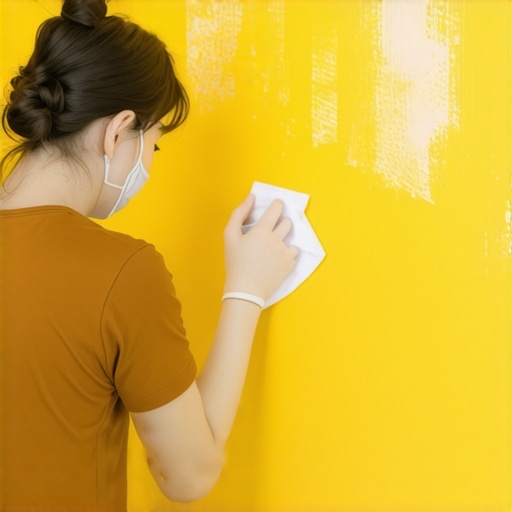
Ever had that frustrating moment when you’re packing up after a move, and you realize those stubborn sticky tape residues are clinging to your walls? I remember my last move vividly. I thought scraping them off with my fingernail would do the trick. Big mistake! I ended up gouging the fresh paint and creating more work for myself. That epiphany led me to discover some simple yet highly effective methods to remove sticky tape residue without damaging the wall’s surface.
In this post, I promise to share the tried-and-true techniques I’ve tested so you won’t have to go through the same hassle. Whether you’re preparing for a move-out inspection or just trying to refresh your living space, knowing how to tackle this common problem can save your wall paint and your sanity.
Why Removing Sticky Residue Matters More Than You Think
When it comes to cleaning, it’s easy to overlook the little things—like that leftover tape adhesive that refuses to budge. But these residues can accumulate, dulling the painted surface and making your walls look shabby. If you’re concerned about getting your security deposit back, keeping walls pristine is crucial. Plus, using the wrong methods can lead to peeling paint or discoloration, adding more expense and effort.
I learned this the hard way early in my cleaning adventures. I tried aggressive scrubbing, which only worsened the situation and left me with patches of damaged paint. Avoiding this mistake and using gentle, effective methods is essential. I also recommend checking out [effective house cleaning secrets from cleaning experts](https://spotlesscarpetz.com/effective-house-cleaning-secrets-from-cleaning-experts) for more insider tips.
Did you face this problem during your last move or renovation? If yes, you’re not alone—and you’re about to discover how to fix it fast and damage-free. Let’s dive into the best ways to get rid of sticky tape residue once and for all, ensuring your walls look flawless and move-in ready.
Prepare Your Cleaning Arsenal
Gather common household items like rubbing alcohol, mild dish soap, baking soda, white vinegar, and a soft microfiber cloth. For tougher residues, have an plastic scraper or an old credit card ready, but use cautiously to avoid gouging the paint. I once attempted to scrape off stubborn residue with a metal spatula—resulting in scratched walls that took weeks to repaint. Remember, patience and gentle tools are your best friends here.
Test a Small Area First
Before applying any product extensively, pick a hidden corner or less-visible spot to test. Dampen your microfiber cloth with a small amount of rubbing alcohol, then gently rub the area. If the paint doesn’t peel or discolor, proceed. This step prevents accidental damage and gives you confidence in your method. I learned this the hard way when I skipped testing and ended up with a visible patch, forcing me to repaint the entire wall.
Use Rubbing Alcohol for Sticky Residue
Dip a soft cloth into rubbing alcohol and wring out excess liquid. Gently press onto the adhesive area, holding for about 30 seconds. The alcohol dissolves the sticky tape adhesive, making it easier to wipe away. Avoid excessive scrubbing; patience yields better results. Once the residue softens, wipe the area in a circular motion. For particularly stubborn patches, repeat the process gradually. I recall spending a sweaty 15 minutes on a single wall section, but the residue finally lifted without damage.
Apply a Baking Soda and Vinegar Mixture for Stubborn Stains
If alcohol isn’t enough, create a paste with baking soda and a few drops of white vinegar. Apply a thin layer over the residue and let it sit for 10 minutes. The chemical reaction helps loosen the adhesive. Use a plastic scraper or the edge of your credit card to gently lift the softened glue. Wipe clean with a damp cloth afterward. I once had to do this on an textured wall and was amazed how easily the glue came off without ripping paint or damaging the surface.
Clean and Protect Your Walls
After residue removal, clean the area with a mild soap solution to remove any lingering chemicals. Dry thoroughly with a clean cloth. To prevent future sticky mishaps, consider using painter’s tape instead of duct tape or packaging tape during moves. This method not only preserves your walls but also makes cleanup faster and easier. Regular touch-ups with wall paint can also help maintain a fresh appearance, especially if some minor scratches occurred during residue removal. Remember to check out professional move-out cleaning strategies for a comprehensive approach to securing your deposit.Many people assume that completing basic cleaning tasks suffices for move-out routines, but in reality, there’s more beneath the surface. A prevalent misconception is that using generic cleaning sprays or wiping surfaces quickly ensures thorough sanitization. However, experts highlight that these methods often miss critical bacteria hiding in overlooked spots, which can jeopardize your security deposit or even health. For instance, studies from the University of Arizona reveal that porous surfaces and hidden crevices frequently harbor germs despite visible cleanliness.
Is Your Cleaning Approach Missing Critical Spots for Lasting Sanitation?
Many overlook areas like air vents, behind appliances, or under heavy furniture, where dust and pathogens accumulate, and standard cleaning misses these. For advanced move-out cleaning, focus on deep cleaning these hidden spots; otherwise, inspectors and landlords might flag your efforts. Don’t fall into the trap of solely surface-level cleaning; instead, target every corner with proper tools and methods. For example, using a microfiber cloth combined with sanitizing solutions on those difficult-to-reach places makes a significant difference. Remember, not all cleaning agents are created equal—some are ineffective against certain bacteria or viruses, making specialized disinfectants essential. Check out these sanitizing hacks to guarantee your cleaning covers all bases. Moreover, avoid common pitfalls like overusing bleach on delicate surfaces, which might cause damage, or relying solely on air fresheners to mask odors. True sanitization requires understanding the chemistry behind disinfectants and their appropriate application. Paying attention to these nuances can save you headaches during inspection day and help maintain a truly clean, safe environment for future inhabitants. For comprehensive guidance, visit professional move-out cleaning strategies that ensure nothing is overlooked. Have you ever fallen into this trap? Let me know in the comments.
Invest in Reliable Equipment for Long-Term Results
When it comes to effective house cleaning, sanitizing, and upholstery care, the right tools make all the difference. I personally rely on a high-quality cordless steam cleaner because it combines powerful cleaning with portability. Unlike traditional mops and scrub brushes, a steam cleaner sanitizes surfaces without the use of harsh chemicals, making it ideal for delicate fabrics and stubborn grime alike. For instance, I use the 2026 silver fiber sofa sanitizer for upholstery, ensuring a thorough clean without risking damage.
Tackling Hidden Dust and Grime with Specialized Attachments
Standard vacuum heads often miss dust trapped in small crevices, especially behind appliances or inside air vents. That’s why I recommend investing in a vacuum with a multi-accessory kit, including brushes and crevice tools. These allow for detailed cleaning of tight spots, ensuring no dust traps remain—crucial for maintaining a hygienic environment and preventing dust accumulation that can compromise your security deposit return. As highlighted in this guide, targeting hidden areas reduces long-term health risks and saves time in future cleanings.
Smart Solutions for Scaling Your Cleaning Routine
Automated tools are transforming long-term maintenance. I’ve adopted robotic vacuums paired with smart scheduling apps to keep floors consistently clean without manual effort. These devices sync with home Wi-Fi and can be programmed to clean during off-hours, ensuring a constantly tidy environment while saving on labor. As the trend moves toward AI-integrated cleaning, future innovations will likely include more sophisticated sensors that detect and prioritize dirt hotspots, helping homeowners stay ahead in maintaining spotless homes. From my experience, incorporating such technology minimizes the risk of missing out-of-sight spots that could cause issues during move-out inspections.
How do I maintain my cleaning tools and technologies over time?
Proper maintenance extends the lifespan and performance of your equipment. For steam cleaners, I recommend regularly descaling the unit using manufacturer-approved solutions to prevent mineral build-up, which can impair functionality. Vacuum filters should be cleaned or replaced per the manufacturer’s instructions—usually after every 30 hours of use—to ensure maximum suction and hygiene. Keeping tools dry and storing them in a dedicated space prevents damage and mold. Remember, investing a little extra time in maintenance pays off during deep cleans, preventing unsightly buildup or equipment failure. For comprehensive guidance, check out professional cleaning secrets.
Embrace advanced tools and consistent maintenance to keep your space pristine, making move-outs and daily cleaning less stressful and more effective. Don’t hesitate to experiment with a combination of high-quality equipment and smart devices—your future self will thank you.
Lessons That Changed My Move-Out Approach Forever
One of the hardest lessons I learned was the importance of patience when removing sticky residues. Rushing often led to damaged paint and more work. Now, I take my time, gently applying rubbing alcohol or baking soda mixtures, which saves me time and money in the long run. Additionally, I used to overlook hidden spots like behind appliances or inside vents, but discovering these neglected areas made a significant difference in ensuring I received my full security deposit. Lastly, I realized that investing in quality tools, like microfiber cloths and proper scrapers, elevates my cleaning from average to professional-grade, making my space truly move-in ready.
Tools and Resources That Elevated My Cleaning Game
My go-to toolkit includes an ultrasonic paint scraper for delicate surfaces and a high-quality microfiber cleaning cloth, trusted for its durability and effectiveness. For deep cleaning, I rely on a cordless steam cleaner, which sanitizes surfaces without harsh chemicals—perfect for eco-conscious living. Books like Effective House Cleaning Secrets from Cleaning Experts have taught me techniques that I wouldn’t have discovered alone. Additionally, I turn to professional-specific guides such as Move-Out Cleaning Strategies for tips on inspecting and ensuring I don’t miss critical details, helping guarantee my deposit recovery with confidence.
Embrace Your Cleaning Journey—You’ve Got This
Cleaning for a move-out might seem daunting, but with the right mindset, tools, and techniques, you can turn this challenge into an opportunity to showcase your home in the best light. Remember, every spotless wall and perfectly clean vent adds value and peace of mind. Now is your moment to take charge—your future self will thank you for the effort today. Let your cleaning routine be a testament to your care and attentiveness, setting a high standard for yourself and others. Ready to make your move-out cleaning a success? Dive in with confidence and enjoy the reward of a flawless finish. Have you ever faced a stubborn residue that pushed you to your limits? Share your story below and let’s learn from each other.