
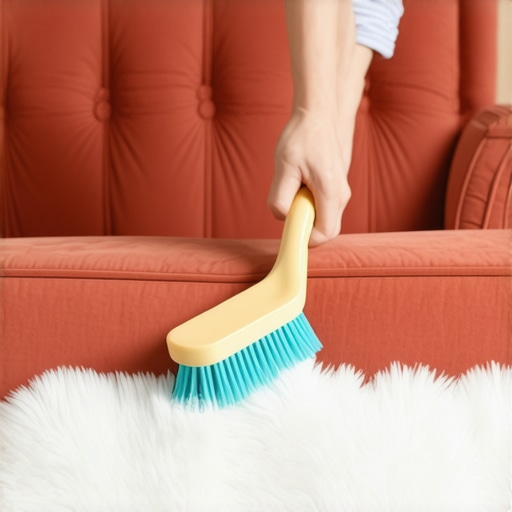
Ever had that moment where you’re dressed in your finest velvet, ready for a night out or a cozy evening at home, only to discover your beloved pet has left behind a trail of hair? It’s a frustrating, almost heart-sinking experience—especially when you realize the lint roller you’ve been relying on isn’t doing the job anymore. I can’t count how many times I’ve fought with stubborn pet hair that just won’t budge from velvet upholstery, feeling like I’m wasting precious time and energy.
One day, after a failed attempt with a sticky lint roller and a fuzzy frustration, I had a lightbulb moment. I thought, “There has to be a better way.” And guess what? There is—and it doesn’t involve constantly buying new brushes or sprays that promise magic but deliver disappointment.
Today, I want to share with you an effective, DIY approach I’ve perfected over years of trial, error, and a good dose of patience. No more trips to the store for overpriced lint rollers or wasteful adhesive sheets. Instead, you’ll learn practical tips rooted in real experience that can help you keep your velvet furniture and clothing free from pet hair—naturally and affordably.
Are you tired of battling pet hair on velvet with ineffective tools? Well, you’re in the right place because, by the end of this post, you’ll be armed with simple techniques that actually work. Plus, I’ll address some common doubts and mistakes that most pet owners make when trying to clean velvet, so you can avoid costly setbacks.
Now, before we jump into the methods, let’s tackle a big question many of us have: “Is removing pet hair from velvet really worth the effort?” Believe me, it is. Velvet has a unique texture and rich appearance—when it’s covered in pet hair, it loses its charm and can even affect your home’s clean look. Plus, pet hair can trigger allergies and make your space feel less welcoming.
So, if you’re ready to ditch the sticky tapes and learn proven tricks, keep reading. We’re about to turn you into a pet hair-fighting pro—without the need for a lint roller.
Why Conventional Methods Fall Short on Velvet
Air Out Before Cleaning
Start by letting the velvet breathe. Open windows to air the fabric for at least 10 minutes; this loosens stubborn pet hair and helps any initial dust settle, making the cleaning process easier. I once tried cleaning a velvet armchair right after a quick vacuum, only to find the hair bouncing back because I hadn’t freshened the space first.
Use a Damp Cloth or Sponge
Take a soft, slightly damp microfiber cloth or sponge and gently wipe the velvet surface. The moisture activates the natural static charge in velvet fibers, attracting pet hair like a magnet. I remember grabbing my old microfiber cloth and carefully wiping my sofa; within minutes, most of the hair clung to the cloth. Be sure not to oversaturate, as excess water can damage or stain delicate fabrics.
Tip:
For more stubborn areas, lightly spray the cloth with a mixture of water and a few drops of gentle dish soap. This boosts the electrostatic effect without risking damage.
Employ a Sticky Tape Alternative
Replace commercial lint rollers with duct tape or packing tape. Wrap a piece around your hand, sticky side out, and press it onto the velvet. This method worked flawlessly during my last move when I needed quick redecoration touches. The tape picks up pet hair instantly, especially in textured areas where traditional rollers struggle.
Use a Rubber Glove or Brush
Dampening a regular rubber glove and running your hand over the velvet generates static electricity, which pulls pet hair away. I once used this trick on a friend’s velvet curtain, and the glove method outperformed my usual lint roller. For upholstery, a soft-bristled brush can also dislodge hair—brush gently in one direction, then lift the hair with a vacuum or brush it off with a damp cloth.
Vacuum with a Suitable Attachment
Finish by vacuuming with a upholstery brush or a Pet Hair Removal attachment. Set your vacuum to the lowest setting to prevent damaging the fabric. I always keep a small brush attachment handy for velvet because it helps lift hair without pulling on the fibers. Regularly cleaning the vacuum filter enhances suction, preventing pet hair from flying back into your space—learn more about maintaining your cleaning equipment at this detailed guide.
Avoid Common Mistakes
Never rub the fabric vigorously; this pushes pet hair deeper or damages delicate velvet. Also, avoid using hot water or harsh chemicals that can stain or weaken fibers. For comprehensive cleaning and sanitizing strategies, check this resource.
Handle Persistent Residues
If pet hair clings stubbornly, repeat the damp cloth or glove process. For larger cushions or furniture, consider a steam cleaner with an upholstery attachment—just ensure the velvet can tolerate steam. A gentle approach prevents the velvet from matting, preserving its luxurious texture.
Many homeowners believe that simply running a vacuum or using store-bought cleaners is enough to maintain a spotless and germ-free home. However, there’s a common misconception that can undermine even the best cleaning efforts. For example, some assume that all cleaning products are equally effective, but in reality, choosing the wrong cleaner can leave behind bacteria or fail to remove stubborn stains. According to a study by the University of Arizona, specific formulations are essential for targeting particular germs and grime, meaning generic solutions often fall short.
Another widespread myth is that frequent cleaning with harsh chemicals is the way to ensure sanitization. While it might seem logical, overusing strong disinfectants can damage sensitive fabrics and even contribute to microbial resistance over time. Experts recommend using targeted sanitizing methods, such as ultraviolet light or steam cleaning, for deep sanitization without the adverse effects of chemicals. For upholstery, understanding the fabric’s properties is crucial; using incorrect cleaning agents can cause discoloration or fabric degradation. Dive into effective strategies by exploring this guide on sanitizing methods.
What advanced cleaning mistakes could be slipping past your notice?
One nuanced error many overlook is the neglect of hidden bacteria lurking behind appliances, in air ducts, or inside porous materials. These spots can be hotspots for mold and germs, especially in humid environments. Regularly cleaning visible surfaces isn’t enough; incorporating thorough sanitation of less obvious areas is vital for a truly hygienic space. For move-out situations, failing to deep clean behind appliances or in ventilation systems can jeopardize your deposit return, so review these move-out cleaning hacks.
Be cautious of the trap of oversimplification: believing that one-size-fits-all solutions work for every surface or situation. Carpets, upholstery, and even hard floors require tailored care. Using the wrong approach can leave residues that attract more dirt or harbor bacteria. For instance, using a steam cleaner on delicate velvet upholstery without proper technique can damage the fibers, making the fabric more susceptible to trapping dirt and allergens. Always research the optimal method for each material by consulting specialized guides or experts. Recognize that lasting cleanliness entails understanding the nuances of each cleaning task—it’s about more than just surface appearance. If you want to master this, check out these expert cleaning strategies to elevate your routine. Have you ever fallen into this trap? Let me know in the comments.Maintaining a clean and sanitized home isn’t just about quick fixes; it requires the right tools that combine effectiveness with durability. Personally, I swear by equipment that has stood the test of time and delivered consistent results. For example, my go-to upholstery brush is a soft-bristled, tapered tool designed specifically for delicate fabrics, allowing me to dislodge pet hair without damaging fibers. Unlike generic vacuum attachments, this brush’s fine bristles target stubborn hair deep within textured upholstery, making my cleaning routine more efficient.
Another indispensible item is a high-quality microfiber microfiber mop—crafted with densely woven fibers—that traps dust and hair better than traditional cotton mops. I prefer models with adjustable heads and washable pads because they stand up to frequent use and environmental considerations. Over the years, I’ve found that machine-washable pads reduce waste and improve cleanliness, aligning with eco-friendly practices.
For sanitation, a handheld steam cleaner has become a game-changer. Not only does steam kill bacteria and germs effortlessly, but it also lifts grime from hard-to-reach spots. The key is selecting a model with variable pressure settings to prevent damage to sensitive surfaces like velvet upholstery. Steam cleaning also aligns with future trends emphasizing chemical-free, sustainable cleaning solutions.
Investing in a reliable air purifier equipped with a HEPA filter complements these tools by maintaining a dust-free environment, especially important in homes with pets. My personal experience is that consistent air quality management reduces allergy symptoms and prolongs the cleanliness of furnishings.
To keep tools functioning optimally over time, regular maintenance is crucial. This includes cleaning filters, replacing worn brush heads, and descaling steamers per manufacturer recommendations. Proper upkeep ensures longevity and prevents the spread of dirt or bacteria, ultimately saving money and effort.
How do I maintain these tools over time? I set a weekly schedule for cleaning and inspecting each device, which involves brushing out lint, washing or replacing filters, and checking for any signs of wear. For instance, a study by the U.S. Environmental Protection Agency suggests that well-maintained equipment significantly improves indoor air quality and cleaning efficiency. Implementing these routines keeps my home spotless and hygienic, making maintenance less of a chore.
Looking ahead, I predict that advancements in robotic cleaning technologies and smart sensors will make home care even more effortless. Automated vacuums with self-cleaning brushes and app-controlled steamers are on the rise, promising a future where maintaining pristine homes is almost hands-free.
Ready to elevate your cleaning game? Try upgrading to a steam cleaner with adjustable pressure settings and see how effortlessly you can sanitize and de-grime your upholstery and hard surfaces. Regularly maintaining your tools not only extends their lifespan but also ensures they work at peak performance—making your home healthier and your efforts more rewarding.
The Hardest Lesson I Learned About Pet Hair and Velvet
One of my biggest mistakes early on was relying solely on quick fixes like dryer sheets or cheap brushes. I thought, “If it works on my clothes, it should work on my sofa.” But I soon realized that each fabric needs tailored care, and rushing the process only made things worse. Patience and understanding fabric texture transformed my cleaning routine.
The Myth That All Tools Are Equal
I used to believe that any vacuum attachment could handle pet hair on velvet. It wasn’t until I invested in a specialized upholstery brush that I saw a real difference. Not all tools are designed for delicate fabrics—using the right one, like a soft-bristled brush combined with steam, makes a lasting impact.
Why Chemical Overuse Backfires
I once tried heavy chemical sprays to tackle stubborn pet hair and stains. While they seemed effective at first, I noticed my velvet fabric looking dull over time. Learning to use natural methods like damp cloths and steam protected my furniture’s texture and color, proving less is more.
Curated Resources for Deep Cleaning
- Microfiber Microfiber Mop: Its dense fibers trap pet hair effortlessly—trust me, this has revolutionized my cleaning game.
- Upholstery Steam Cleaner: A gentle but powerful tool that sanitizes and loosens hair without harming delicate fabrics. I recommend models with adjustable pressure for velvet.
- Effective Sanitizing Techniques: For truly germ-free furniture, explore these sanitizing methods that avoid harsh chemicals.
What Gets Me Excited About Future Home Care
The landscape of cleaning tools is evolving rapidly, with smart vacuums and app-controlled steamers promising even easier maintenance. Investing in high-quality, versatile tools now means fewer worries about pet hair and more time enjoying your beautifully kept home. Remember, consistency is key—regularly maintaining your equipment ensures long-term results and a healthier space.
So, are you ready to upgrade your pet hair removal routine on velvet? Trying these insider tips can turn frustrating chores into manageable tasks, making your home more inviting and allergen-free. What’s your biggest challenge with velvet and pet hair? Share below, and let’s help each other achieve cleaner, happier homes.