One gloomy Saturday afternoon, I noticed it—the unmistakable, irksome ink blot on my beloved polyester couch. It was a small disaster in the grand scheme, but to me, it felt like a personal affront. I tried rubbing it, wiping it, even praying a little—nothing worked. That moment was my lightbulb moment. I realized I was facing a common, yet stubborn problem that many underestimate: removing ballpoint pen ink from upholstery, especially polyester fabrics. And let me tell you, it’s not as hopeless as it seems.
Why Ink Stains Can Feel Like a Losing Battle
Ever been in that frustrating spot where a pen leaks right onto your sofa just minutes before a guest arrives? We’ve all experienced those accidents that seem to mark your furniture permanently. The problem with ink stains is their stubborn nature. Unlike water or mud, ink binds tightly with synthetic fibers, making it a challenge to remove. Early on, I made the mistake of grabbing a generic cleaner and scrubbing furiously—the stain only set deeper. Trust me, I’ve been there, and it’s a lesson many learn the hard way. But fear not, because with a little knowledge and patience, your beloved upholstery can bounce back.
Is Thinking You Can’t Remove Ink Really Just a Myth?
One common skepticism I’ve encountered is that ink stains are a permanent fixture. I get it—early attempts often seem to worsen the situation. What I didn’t realize then was that using abrasive tools or harsh chemicals could do more harm than good. Once I learned about specific safe techniques—like the right type of solvent and gentle blotting—I started seeing real progress. According to cleaning experts, understanding the chemistry behind ink and choosing the right removal method is essential for success. Curious to see how I turned my stain nightmare into a cleanup victory? Keep reading, because I’ll walk you through every step to reclaim your furniture. Whether it’s a recent mishap or an old stain that’s been bothering you, the solution is closer than you think.
Start with Blotting to Extract Excess Ink
When I faced a stubborn ink blot on my sofa, I immediately blotted with a clean, dry cloth, applying gentle pressure to absorb as much ink as possible. This prevented the stain from spreading further. Remember, avoid rubbing—rubbing can grind ink deeper into fibers, making removal much more difficult. Use a blotting motion akin to pressing a sponge against a spill, which turns out to be effective and less damaging.
Prepare a Safe Cleaning Solution Using Isopropyl Alcohol
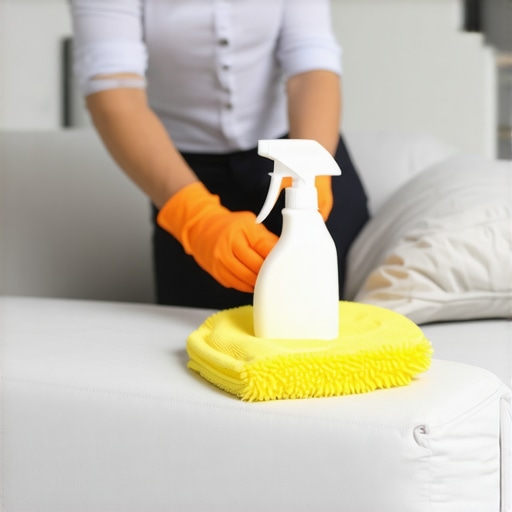
Next, I used 70% isopropyl rubbing alcohol—readily available in pharmacies—as my primary solvent. Dampen a cotton ball or soft cloth with alcohol, then gently dab the ink stain. Think of it as a chemical showdown where the alcohol breaks down the ink’s chemical bonds, loosening it from polyester fibers. This method is safe for upholstery when done carefully, unlike harsh solvents that can damage fabric.
Test in an Invisible Area First
Before applying any solution broadly, it’s crucial to test in a hidden area to ensure the fabric’s color won’t fade or be affected. I tested behind a couch cushion, which gave me confidence to proceed. This step is similar to testing a new paint color—better safe than sorry.
Blot and Lift the Ink
Once testing confirms safety, gently blot the stained area with the alcohol-dampened cloth, working from outside of the stain inward to prevent spreading. As I blotted, I noticed the ink transferring onto the cloth, which was encouraging. Don’t rub; let the alcohol do the work. For stubborn spots, reapply alcohol and repeat until the stain diminishes.
Follow with a Mild Dish Soap Solution
To remove any residual alcohol and prevent fabric damage, I rinsed the area with a mixture of mild dish soap and cold water. Use a clean cloth lightly dampened with this solution, gently blotting the area. Think of it as rinsing off any leftover chemicals—kind of like washing your hands after working with paint.
Dry and Assess
After blotting, I pressed a dry towel onto the area to absorb moisture and speed up drying. I avoided excessive rubbing, which could disturb the fibers. Once dry, I checked the stain—most of it was gone, and the fabric looked revitalized. Patience here is key; rushing can cause more damage than good.
Repeat if Necessary and Prevent Future Stains
Some stains may require multiple applications for complete removal. Regularly standing by with a small spray bottle of alcohol can turn into your quick response toolkit. Also, consider applying a fabric protector after cleaning to help repel future ink mishaps. For more tips on upholstery, check out this detailed upholstery care guide.
Remember, patience combined with the right solution makes tackling ink on polyester feasible—and your furniture salvageable. With consistent effort and careful technique, even the most stubborn stains can be lifted, restoring your upholstery to its former glory.
While many believe they master house cleaning or sanitizing with basic routines, there’s often a crucial nuance that gets overlooked: the chemistry behind effective cleaning agents and their interaction with various materials. Common myths suggest that using bleach or generic disinfectants guarantees a germ-free home, but in reality, improper application can leave behind residues that promote bacteria and mold growth, especially if surfaces are not properly rinsed afterward. For instance, overusing disinfectants on upholstery without understanding fabric compatibility risks bleaching or deterioration over time.
Are Standard Disinfectants Truly Effective Against All Microorganisms? A Deep Dive
Recent studies indicate that certain disinfectants may not effectively eliminate viruses or bacteria on porous surfaces like upholstery or carpet fibers if not applied correctly or left to sit for an adequate contact time. According to experts from the CDC, understanding the contact time and product composition is essential for truly sanitizing a space, especially during move-out cleaning when confirming allergen or germ removal is vital for occupant health. Avoid the trap of assuming that a quick spray equals thorough sanitation; investing in proper cleaning protocols and understanding material sensitivities can make all the difference. This knowledge not only enhances cleanliness but also extends the lifespan of your belongings, saving money in the long run. Don’t fall for the misconception that all cleaning products are universally compatible; always check labels and test in inconspicuous areas first. For advanced tips on sanitization, explore [Effective Sanitizing Methods for a Germ-Free Home](https://spotlesscarpetz.com/effective-sanitizing-methods-for-a-germ-free-home) and stay ahead of the cleaning curve. Remember, mastering these nuances can transform your routine from superficial to expert-level, ensuring health and longevity for your cherished spaces. Have you ever fallen into this trap? Let me know in the comments.
Keep It Working: The Tools That Make a Difference
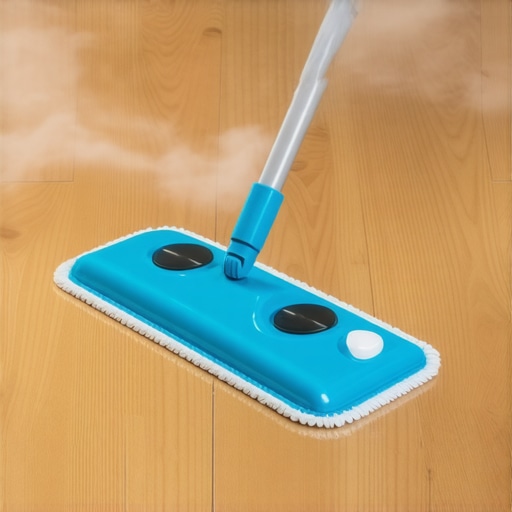
When it comes to maintaining a pristine home, having the right tools can make all the difference. I rely on a combination of professional-grade equipment and smart cleaning methods that save time and ensure thorough results. For example, a microfiber steam mop not only disinfects surfaces effectively but also prevents the damage casual mops might cause to laminate flooring. Personalized tools like the Gtech Pro Cordless Vacuum have revolutionized how I approach daily cleaning, especially in hard-to-reach areas. These tools are designed for efficiency, saving you physical effort and delivering superior cleanliness.
Another game-changer is a high-quality upholstery steamer, which allows deep cleaning and sanitizing of fabrics like sofas and curtains without harsh chemicals. I personally prefer models with adjustable steam pressure to adapt to different materials, ensuring longevity while maintaining a fresh appearance. Pairing this with eco-friendly cleaning solutions and routine maintenance—like regular filter replacements—helps extend the lifespan of your appliances and keeps your home healthier naturally.
Technology is evolving rapidly in the cleaning space, predicting a future where smart devices monitor cleanliness levels and suggest targeted treatments. For instance, the integration of IoT-enabled sensors in vacuums or air purifiers can proactively address dust or allergens before they become problems. Staying ahead means investing in versatile, durable tools today that can be upgraded or integrated into a smarter home ecosystem tomorrow.
How do I stay on top of upkeep over time?
Consistent maintenance is key. Regularly scheduling deep cleaning sessions using reliable tools prevents dirt buildup and prolongs the effectiveness of your equipment. Refer to comprehensive guides like these expert secrets for tailored routines. Remember, the goal is not just a spotless surface but a sustainable, long-term approach. As cleaning techniques advance, adopting multifunctional tools—such as combined vacuums with HEPA filters—can streamline routines. Integrating smart technology, like scheduled cleanings and remote controls via smartphone apps, will become standard, making household maintenance more manageable than ever.
If you’re ready to elevate your cleaning game, I recommend trying a professional-quality microfiber steam mop, like the Luxury SteamPro 3000. Its adjustable steam settings and eco-friendly design have made a noticeable difference in my home. Incorporate these tools into your routine, and you’ll see immediate improvements—not just in cleanliness, but in the overall health of your living space.