
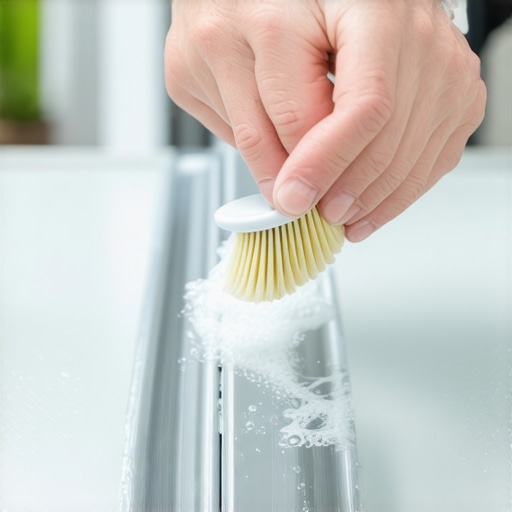
I remember the exact moment I realized my sliding glass door was basically a giant science experiment. I was hosting a summer BBQ, tray of marinated chicken in hand, when I tried to kick the door open with my foot. Nothing. Not a budge. It felt like the door was glued to the earth. When I finally yanked it open with both hands, the sound it made—a screeching, grinding “nails-on-a-chalkboard” noise—was enough to make my guests wince. I looked down and saw it: a thick, black sludge of pet hair, dead bugs, and outdoor grit. It wasn’t just dirty; it was embarrassing. This was a major wake-up call for my daily house cleaning routine to maintain perfection. I realized that ignoring those narrow metal channels was a recipe for disaster. Today, I’m going to show you how to take those tracks from a gritty biohazard to a smooth glide without spending your entire Saturday on your hands and knees.
Stop Fighting Your Door and Start Cleaning the Right Way
Most people ignore their door tracks until the door literally stops moving. I was one of those people. But here is the thing: those tracks act like a gutter for your home’s interior, catching everything from dust mites to pollen. According to the American Lung Association, indoor air quality is often 2 to 5 times worse than the air outside, and trapped debris at thresholds is a primary contributor to household dust. If you’re tackling a move-out clean checklist to simplify your transition, you know that a sticky door is a huge red flag for inspectors. Early on, I made a classic amateur mistake. I thought I could just spray a heavy dose of WD-40 in the tracks to “grease” the path. Big mistake. The oil mixed with the existing dirt and created a waterproof sludge that was almost impossible to scrub out later. I learned that you have to how to deep clean your window tracks properly before ever reaching for a lubricant. The problem isn’t just that it looks gross. Every time you force that door, you’re actually wearing down the plastic rollers on the bottom. I didn’t realize this until I had to pay a repairman $200 just to replace a part that cost $5, simply because the grit had sanded the wheels flat. That’s why I’m so passionate about these house cleaning strategies for a sparkling home today. Have you ever stood there tugging on a door that just wouldn’t budge while your neighbors watched? It’s a special kind of stress, isn’t it? [image_placeholder]
Does this actually require special tools?
You might think you need a high-end steamer or a specialized “track brush” to get this done. You don’t. In fact, some of the most effective house cleaning secrets from cleaning experts rely on simple items you already have in the pantry. I’ve found that a basic toothbrush and a modified the vinegar and baking soda trick—which usually clears out drains—works wonders on breaking up that hardened outdoor crust. Using these methods makes the process incredibly satisfying. Once you see the dirt literally bubble out of those tight corners, you’ll never look at your sliding door the same way again. We are going to get those doors sliding with just one finger, the way they were meant to be.
Clear the Loose Stuff Before Adding Liquid
If you skip this first step, you are essentially creating a swamp. I once tried to bypass the vacuum and went straight for the spray bottle; within thirty seconds, I had a gray, gooey paste that felt like cement and took an hour to scrape out. This is where you need a strong suction tool. If you find your machine struggling, check out why your vacuum isnt picking up dirt like it used to to ensure you are actually pulling the grit out of the grooves. Use the crevice tool to get deep into the track. Think of this like prepping a wall for paint—any dust left behind ruins the final result and makes the cleaning solution twice as hard to work with. Focus on the corners where the dog hair tends to mat into a thick felt.
The Pantry Staple That Dissolves Gunk
Once you have removed the loose sand and debris, grab the baking soda and white vinegar. Sprinkle a thin layer of soda into the track, paying close attention to the darker, greasier spots. Follow this with a generous spray of vinegar. It will fizz like a middle-school science volcano project. This chemical reaction is one of the most effective sanitizing methods for a germ-free home because it physically lifts the dirt away from the metal surface and kills hidden mold spores. Let it sit for at least five to ten minutes. If the grime is particularly stubborn, you can even mix in a drop of dish soap to help break down the oils from the door’s original lubricant. 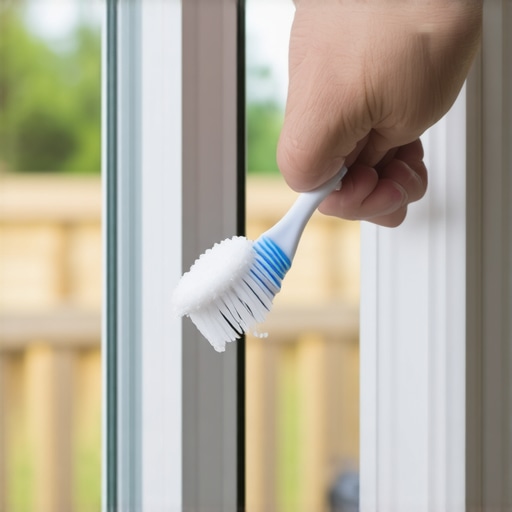
Get Into Those Impossible Corners with a Custom Tool
While the solution is bubbling, you can prepare your ‘surgical’ tools. I used to use a bulky rag, but it never actually reached the bottom of the track. One of the best effective house cleaning secrets from cleaning experts is to take a standard kitchen sponge and use a utility knife to cut horizontal slits that match the ridges of your door track. This allows the sponge to ‘hug’ the metal rails and wipe all sides of the track simultaneously. If you want a visual guide on this, how to clean your window tracks using only a sponge and a vacuum offers a great perspective on this technique. Use an old toothbrush for the tightest corners. This is where I always find the most ‘biohazard’ material—mostly dead ladybugs and crusty pollen that have been compressed by the door wheels.
Why Most People Fail at the Rinse Phase
The final step is where most folks get lazy, and it is the reason their tracks stay sticky. If you leave a film of baking soda behind, it will dry into a white, crunchy residue that acts like sandpaper against your door rollers. You must wipe the tracks down with a clean, damp cloth until the water comes away clear. This level of detail is crucial for a daily house cleaning routine to maintain perfection. I once forgot the rinse at my sister’s house, and the ‘crunch’ the next morning when she opened the door was deafening. Use a microfiber cloth to dry the tracks completely to prevent water spots or future rust.Most people assume that once the track is clean, the job is done. However, I have found that the most expensive mistakes actually happen after the scrubbing is finished. Everyone tells you to grease up the tracks to keep them moving, but in my experience, traditional grease is the enemy of a long-lasting glide. If you are following effective house cleaning secrets from cleaning experts, you will learn that heavy oils are essentially dirt magnets that ruin mechanical parts over time.
Stop Using Petroleum Sprays on Your Door Rollers
The biggest oops factor in door maintenance is reaching for a standard petroleum-based lubricant. Petroleum actually degrades the plastic or nylon rollers found on most modern sliding doors. Over time, that quick fix softens the wheels until they develop flat spots, making the door jump and skip. Instead, you should only ever use a dry silicone or PTFE-based lubricant. It provides a slick surface without the sticky residue. This distinction is vital for those focusing on move-out cleaning hacks ensure your deposit refund, as a damaged roller can lead to a costly repair deduction from your security deposit. Let us dig deeper into the sanitization aspect. When you are dealing with the threshold of your home, you are managing a transition zone for bacteria. According to research from the University of Arizona, the soles of our shoes carry an average of 421,000 units of bacteria, including E. coli. If you are not applying sanitizing secrets for a safer house in 2025 to these tracks, you are essentially letting a bacterial highway run right through your living room. 
How Do You Prevent Invisible Grime from Returning?
The secret is not more cleaning; it is better prevention. One of the most common move out cleaning mistakes that cost renters money is neglecting the weather stripping while focusing only on the tracks. If the brush-like seals on the side of your door are full of dust, they will shed that debris back into your clean tracks within forty-eight hours. Treat your weather stripping with the same care you would give to an ultimate upholstery care guide for lasting freshness by vacuuming it gently with a soft brush attachment. Finally, avoid the wet-mop trap on your tracks. While it is tempting to leave them slightly damp, moisture trapped under the rollers can lead to oxidation and rust. Have you ever fallen into this trap where you thought you were helping but ended up making the door harder to move? Let me know in the comments. By shifting your focus from greasing to protecting, you will keep that door sliding effortlessly for years.I have spent way too much money on specialized cleaning kits that ultimately ended up in my junk drawer. If you really want a professional finish that lasts more than a week, you need to be picky about your gear. I personally swear by a high-quality dry PTFE (Polytetrafluoroethylene) spray. Unlike standard oils, this creates a microscopic, non-stick barrier. I first learned about this level of precision by reading the technical maintenance manuals from Andersen Windows, which explicitly warn that oily lubricants are the primary cause of premature roller failure because they act as a magnet for outdoor particulate. This focus on the right materials is what separates a basic chore from the house cleaning strategies for a sparkling home today that actually save you time in the long run.
Skip the Fancy Kits and Stick to the Essentials
For the actual scrubbing, I have found that a simple stiff-bristled detail brush—the kind used for automotive interiors—is far superior to any household sponge. It allows you to flick debris out of the grooves rather than just pushing it around. If you are currently deep in a move-out clean checklist to simplify your transition, efficiency is everything. I also keep a canister of compressed air nearby. It sounds overkill, but blasting out the tiny crevices where the track meets the frame ensures you are hitting those effective sanitizing methods for a germ-free home without having to disassemble the entire unit. 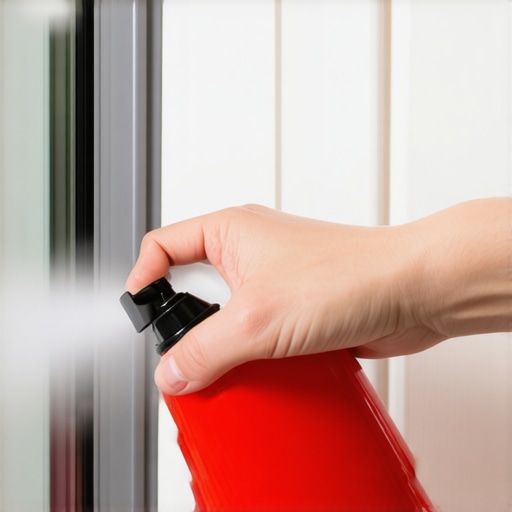
How do I maintain my sliding door tracks over time?
The secret is the ‘Quarterly Quick-Wipe’ method. You do not need to do the full baking soda volcano every time. Once every three months, I take a dry microfiber cloth and just run it through the tracks. If I see any gray residue, I apply a tiny bit of my ultimate upholstery care guide for lasting freshness logic: treat the surrounding area with respect. I vacuum the carpet or rug near the door first so I am not pulling new dust into the clean track. This simple five-minute check prevents the ‘sludge’ from ever forming in the first place. This is the cornerstone of a sustainable daily house cleaning routine to maintain perfection.
Expect a Future Where Dirt Does Not Stick
I predict that within the next five years, we are going to see a massive shift toward factory-applied hydrophobic and oleophobic coatings on threshold hardware. We are already seeing these ‘self-cleaning’ technologies in high-end skyscrapers, and it is only a matter of time before they become standard for residential sliding doors. Until then, we have to rely on smart sanitizing secrets for a safer house in 2025 to keep our homes running smoothly. My challenge to you today is this: go grab a kitchen sponge, cut those custom slits I mentioned earlier, and try one pass on your door track. You will be shocked at how much you can lift in just sixty seconds.
Hard Lessons from My Sticky Door Disasters
I learned the hard way that a quick spray of oil is often just a magnet for more dust. If you are refining your daily house cleaning routine to maintain perfection, remember that dry tracks stay clean significantly longer than greased ones. One of the most common move out cleaning mistakes that cost renters money is assuming that more lubrication will solve a physical obstruction; in reality, it just buries the grit in a waterproof paste that ruins the rollers. Finally, you must treat the sanitization of these thresholds seriously. Since they bridge the gap between the outdoors and your interior, applying sanitizing secrets for a safer house in 2025 to these high-traffic surfaces prevents unwanted bacteria from hitching a ride into your living space.
Gear That Actually Keeps Things Sliding
You do not need a professional’s budget to get professional results, but you do need to be selective about your tools. My personal toolkit always includes a stiff automotive detailing brush for flicking out pebbles and a high-quality PTFE dry spray rather than standard household oil. If you find your equipment isn’t performing well, it might be worth checking why your vacuum isnt picking up dirt like it used to before you start the job. I also recommend keeping a dedicated microfiber cloth just for the final wipe-down to ensure the metal is bone-dry. These simple house cleaning strategies for a sparkling home today ensure that your hardware lasts decades rather than wearing out prematurely.
[image_placeholder]
Stop Fighting Your Door and Take Control
There is a profound sense of relief that comes from a door that moves at the touch of a single finger. It removes a tiny, daily friction from your life that you probably didn’t even realize was causing you stress. Whether you are preparing for a inspection or just want to improve your move-out cleaning hacks ensure your deposit refund, these small wins in home maintenance build a living environment you can be proud of. Don’t let a little grit stand in the way of a smooth-running home. Have you ever had a door get so stuck you thought you’d have to replace the whole glass unit? Let me know your worst door stories in the comments below!