
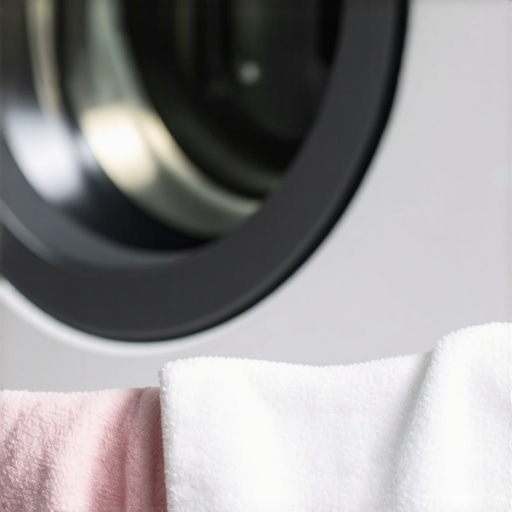
I still remember the morning I opened my washing machine and was greeted by a musty smell that took me by surprise. At first, I thought it was just laundry day laziness, but as I peered inside, I spotted a slimy, often-neglected rubber seal hiding all kinds of grime. That lightbulb moment made me realize how easy it is to overlook this crucial part of our laundry routine—and how it can silently harbor mold and bacteria if neglected. If you’ve ever experienced a funky odor lingering even after washing, you’re not alone.
Why Your Washing Machine’s Gasket Deserves More Attention
Many of us focus on cleaning the visible parts of our homes—floors, countertops, sinks—but forget that our laundry machines need love too. The rubber seal, or gasket, around your front-load washer door, is especially prone to trapping dirt, soap scum, and moisture. Over time, this creates a perfect environment for mold, bacteria, and unpleasant odors. Ignoring this can compromise your family’s health and make your laundry smell worse than when you started.
According to experts at the Environmental Protection Agency, mold growth in damp environments can trigger allergies and respiratory issues (EPA, 2023). That means a dirty gasket isn’t just an eyesore—it’s a health hazard. Early on, I made the mistake of thinking a quick wipe was enough. Big mistake. I didn’t realize that neglecting the hidden crevices was allowing mold spores to settle and multiply. Once I discovered this, I knew I had to adopt a regular, effective cleaning routine.
Are you tired of that stubborn musty smell on your clothes? Have you found mold lurking in your washer’s seal but didn’t know how to tackle it? If so, you’re in the right place. In the following sections, I’ll share practical tips that transformed my laundry routine and helped me keep my washer fresh, hygienic, and odor-free.
By the time you finish reading, you’ll have a clear plan to maintain a clean rubber gasket—saving you money, time, and potential health issues. Let’s get started with understanding what makes this part of your machine so prone to grime, and how simple habits can keep it spotless for good.
Remove and Inspect the Gasket Carefully
The first step is to open your washing machine door and gently pull back the rubber seal. Use a flashlight to examine all sides, looking for mold, soap scum, or grime buildup. I remember a time I discovered a hidden patch of mold in the fold that I missed during quick wipes—this highlights the importance of thorough inspection.
Prepare Your Cleaning Supplies
Gather a microfiber cloth, a soft-bristled toothbrush, a mild detergent or specialized mildew cleaner, and white vinegar or baking soda. I keep all these within reach to streamline the process. Avoid harsh chemicals that can damage the rubber over time.
Deep Clean with a Vinegar Solution
Mix equal parts of white vinegar and water in a spray bottle. Spray generously into all folds of the gasket, especially into hidden crevices. Wait 5-10 minutes for the solution to break down grime and kill mold spores. During my last cleaning, this step loosened decades of grime embedded in the folds, making removal much easier.
Use a toothbrush for Persistent Dirt
Dip the toothbrush into the vinegar solution or a diluted mild detergent and scrub gently around the gasket edges and in stubborn spots. Be thorough, ensuring you clean behind the folds where grime often hides. I recall spending extra time on the very back of my gasket, realizing that neglected spots cause persistent odors.
Wipe and Dry Thoroughly
Use a clean microfiber cloth to wipe away loosened dirt and excess moisture. Dry the gasket completely to prevent future mold growth. I learned this the hard way after leaving it damp overnight, which led to a musty smell returning faster than expected.
Apply Protectant and Regular Maintenance
Once cleaned and dried, consider applying a rubber protectant to prevent cracking. Schedule a monthly deep clean: remove, inspect, and wipe the gasket as part of your routine. This habit is a real time-saver and keeps your washer smelling fresh. Remember, neglecting this step can turn a small problem into a costly repair.
Many homeowners operate under commonly accepted cleaning myths that can hinder effective sanitation. For example, the widespread belief that using bleach is the best solution for mold removal is actually misleading. Bleach may lighten surface mold temporarily, but it often fails to eliminate mold entirely beneath the surface and can damage porous materials, according to environmental health research (EPA, 2023). Instead, using properly formulated antifungal cleaners or vinegar solutions can be more effective and safer, especially in delicate fabrics and porous surfaces.
A sneaky trap many fall into during move-out cleaning is relying solely on surface-level wiping. While it might make your apartment look tidy, microscopic dirt and bacteria can still hide in hidden corners, behind appliances, or within upholstery fibers. This oversight can cost you a security deposit refund because landlords expect a comprehensive clean that addresses all nooks and crannies. For nuanced guidance, check out my detailed strategies on [move-out cleaning strategies](https://spotlesscarpetz.com/move-out-cleaning-strategies-to-secure-your-deposit) to ensure nothing slips through.
When it comes to upholstery, a common mistake is over-wetting fabrics or using harsh chemicals that can weaken fibers or cause discolorations. The myth that any deep cleaning must be aggressive neglects the importance of understanding fabric-specific care. A better approach involves using tailored cleaning techniques, such as those outlined in [this upholstery care guide](https://spotlesscarpetz.com/ultimate-upholstery-care-guide-for-lasting-freshness), which recommends mild cleaning agents and proper drying to prolong the life of your furniture.
An Advanced Question: How does understanding fiber chemistry improve upholstery cleaning results?
Knowing the specific fiber type—whether synthetic like polyester or natural like cotton—can dramatically influence cleaning efficacy and fabric longevity. For instance, synthetic fibers often withstand stronger detergents, but natural fibers can be sensitive to certain chemicals, risking damage or fading. Incorporating fiber-specific knowledge allows you to select the correct cleaning agents and methods, resulting in cleaner, longer-lasting upholstery. Experts emphasize tailored cleaning based on fiber chemistry to avoid common pitfalls—like shrinkage or discoloration—that detract from profitability and home aesthetics. To deepen your understanding, explore [professional upholstery cleaning secrets](https://spotlesscarpetz.com/effective-house-cleaning-secrets-from-cleaning-experts).
Let’s not forget, the subtle nuances in hygiene routines—like the timing and method of sanitizing high-touch areas—are often overlooked but critically impact overall cleanliness. For example, disinfecting screens or remote controls requires not just wiping but using specific sanitizers that eliminate viruses and bacteria without damaging electronic components (CDC, 2024). DIY methods that neglect this nuance may give false security, which is why understanding material compatibility and proper disinfectant application is vital.
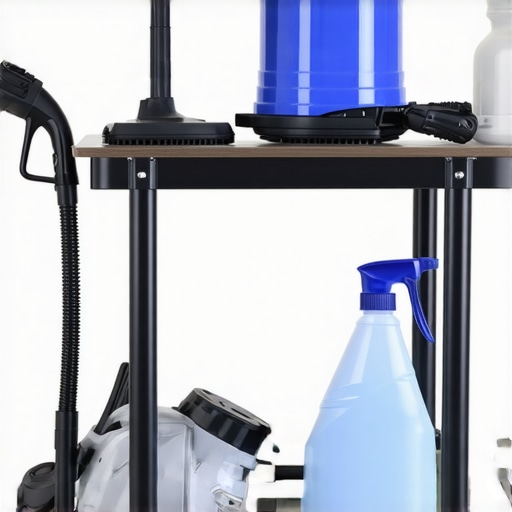
In summary, debunking myths and embracing detailed, fabric- and surface-specific techniques enhances your home cleaning efficiency. It prevents costly mistakes, extends furniture lifespan, and ensures your space is genuinely sanitized. Have you ever fallen into this trap? Let me know in the comments below, and share your experiences with home cleaning challenges.Maintaining a pristine and hygienic home isn’t just about elbow grease; it requires the right tools that deliver professional-grade results and simplify your routines. Personally, I rely on equipment that combines durability, efficiency, and ease of use, ensuring my cleaning efforts are effective and sustainable over time. One essential investment is a high-quality steam cleaner. Unlike traditional mops or chemical sprays, a steam cleaner penetrates deep into surfaces like tile grout, upholstery, and even mattresses, killing bacteria and removing grime without harsh residues. I prefer models like the Dupray Neat Steam Cleaner because of its versatility and reliability, which has allowed me to handle everything from bathroom tiles to upholstery refreshes with confidence.
Another game-changer is a cordless handheld vacuum, such as the Dyson V7 Motorhead. It offers unmatched convenience for quick spot-cleaning of upholstery, stairs, or tight corners. Its lightweight design and powerful suction make regular maintenance quick and less daunting, helping me keep dust, pet hair, and allergens at bay. As cleaning professionals emphasize, investing in well-chosen equipment reduces the effort needed for routine maintenance and helps prevent long-term wear and tear on surfaces.
For sanitizing, I recommend a commercial-grade disinfectant sprayer like the Victory HygienePro. Equipped with adjustable spray patterns and large capacity tanks, these sprayers ensure even coverage — vital for high-touch areas like doorknobs, switches, and kitchen counters. Proper sanitation tools like this enable consistent application, which is crucial given evolving health standards and the projected increase in home hygiene awareness in the future.
What sets apart effective long-term home maintenance is not just owning the right tools, but understanding their proper use and scheduling their routine application. Setting a monthly deep-clean schedule—for instance, a thorough upholstery refresh with [expert tips from the upholstery care guide](https://spotlesscarpetz.com/ultimate-upholstery-care-guide-for-lasting-freshness)—can extend the lifespan of furnishings and surfaces, too.
<  >
>
For those wondering how to keep equipment performing at its best, regular maintenance, such as descaling steam cleaners and replacing filters in vacuums, is essential. A tip I personally follow is to run a vinegar rinse through my steam cleaner every few months. According to technical documentation from cleaning equipment manufacturers, this helps prevent mineral buildup and maintains optimal steam output.
Looking ahead, the trend points toward smarter cleaning tools integrated with app controls and IoT features. These innovations promise automated routines and data-driven maintenance alerts, making home sanitation even more seamless. But until then, choosing top-tier, purpose-built tools and maintaining them diligently remains the smartest investment.
To get started today, try using your steam cleaner on upholstery or tile as a quick, chemical-free refresh. It’s a simple step that can make a significant difference in your space’s hygiene and appearance. Regularly upgrading and maintaining your tools will ensure they serve you effectively for years to come, making deep cleaning less of a chore and more of a sustainable habit.
Throughout this journey, I’ve learned that the true secret to a pristine, healthy home lies beyond surface-level cleaning. The smallest details—like regularly inspecting your washer’s gasket or understanding the science behind upholstery fibers—can make a significant difference in maintaining hygiene and extending the lifespan of your furnishings. These insights have not only improved my home but also deepened my appreciation for the art and science of effective cleaning.
What I Wish I Knew About Deep Cleaning Before
- I underestimated the importance of inspecting hidden corners until a tiny mold patch turned into a full-blown odor crisis. Now, I always conduct thorough inspections—especially behind appliances and in bathroom corners—to catch issues early.
- Using the right cleaning tools, like microfiber cloths and gentle brushes, has transformed my routine from tedious to enjoyable. Investing in quality equipment has saved me time and frustration, proving that good tools are worth every penny.
- Understanding fabric chemistry changed how I approach upholstery cleaning. Tailoring my methods to specific materials prevents damage and prolongs the vibrancy of my furniture—something I now consider essential for preserving my home’s warmth and character.
Discover Tools That Make a Difference
- Professional-grade steam cleaners have redefined my approach to deep cleaning—disinfecting surfaces without harsh chemicals and reaching into tight spaces with ease. They’re invaluable for maintaining a germ-free environment.
- The ultimate upholstery care guide taught me how to refresh fabrics safely, preserving their texture and color while removing embedded dirt. It’s a resource I revisit regularly for tips and tricks.
- For quick sanitization, I trust a professional disinfectant sprayer. It ensures high-touch areas stay germ-free with minimal effort, giving me peace of mind.
Start Small, Think Big, Keep Going
You don’t need to overhaul your entire cleaning routine overnight. Small, intentional steps—like inspecting the gasket monthly or using the right cleaners—build up into lasting habits that keep your home healthier and happier. Embrace these lessons, equip yourself with the right tools, and enjoy the benefits of a space that feels as good as it looks.
Remember, every improvement starts with taking action today. Your home deserves that careful attention and love. So, what cleaning habit are you most excited to start implementing? Let me know below!