
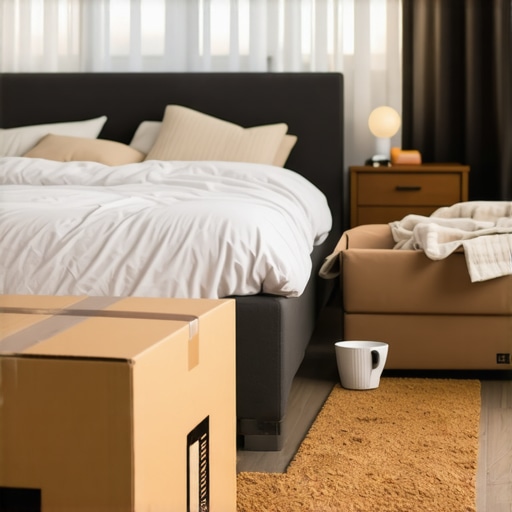
I remember the moment vividly—stepping into my new apartment after a long day of moving, only to be greeted by the overwhelming smell of stale air and a floor that hadn’t seen a broom in ages. That initial night, I felt instantly overwhelmed, realizing I was unprepared for the mess I had inherited. It hit me then—there’s more to settling in than just unpacking boxes. You need a game plan for that first night, something that ensures you aren’t greeted by dirt, germs, or chaos.
Why the First Night Can Make or Break Your New Beginning
Moving into a new home is exciting, but first impressions of cleanliness and safety set the tone for your entire experience. If your space isn’t properly prepared, it can lead to sleepless nights, allergens, or even health hazards. I found out the hard way that overlooking even small details—like forgotten corners or uncleaned surfaces—can turn your first night into a stressful ordeal. That’s why I’ve compiled a personal, proven checklist that ensures your first night is comfortable, safe, and welcoming.
Is Skipping the Sanitizing Step Really That Bad?
Early in my moving journey, I made the mistake of assuming I could skip thorough sanitization on move-in day. I thought a quick wipe would suffice. Spoiler alert—it’s not enough. Bacteria and dust can hide in every corner, especially behind appliances or in air vents. Studies show that high-touch surfaces can harbor germs for days if not properly disinfected (source: [Sanitizing Secrets for a Safer House in 2025](https://spotlesscarpetz.com/sanitizing-secrets-for-a-safer-house-in-2025)). That realization pushed me to develop a detailed walkthrough for sanitizing and cleaning before I even unpack. Trust me, starting with a clean slate not only gives peace of mind but also makes your unpacking much more enjoyable.
Let’s dive into the specific steps I take to prepare my space. Whether you’re moving into a new apartment or a house, these tips will help you set a strong foundation. Ready? Here’s what you need to do to turn your first night from stressful to seamless.
Start with a Full Deep Clean to Remove Hidden Dirt
Before unpacking a single box, dedicate time to thoroughly cleaning your entire space. Think of this as preparing a canvas — you want a fresh, spotless surface. Use a high-quality vacuum for carpets and upholstery, paying special attention to neglected corners and behind furniture. Mopping hardwood or tile floors with a disinfectant will eliminate dust and bacteria embedded in the surface. Remember, a cluttered or dirty environment can harbor allergens and germs, making your first night uncomfortable. Taking control now ensures a healthier, more welcoming space.
Sanitize and Disinfect High-Touch Areas Immediately
High-touch surfaces like door handles, light switches, countertops, and faucet handles are hotspots for germs. Use an effective disinfectant to wipe these areas down. For a more efficient approach, consider using a dual-purpose cleaning solution that also deodorizes. As an example, I once used a disinfectant spray on all door knobs and then noticed the space smelled noticeably fresher afterward. For detailed insights on sanitizing methods, visit these sanitizing hacks. This proactive step reduces the risk of illness and ensures a hygienic environment from the first night onward.
Clean Air Vents and Replace Filters
Air quality can be a hidden source of dust, mold spores, and allergens. Remove and clean your air vents with a damp cloth, and replace HVAC filters to prevent recirculating pollutants. It’s like opening a window to fresh air—literally. During my move-in, I once overlooked this, leading to an initial week of allergy symptoms. After cleaning the vents, my breathing improved, and the air suddenly felt ‘lighter.’ For a detailed vent cleaning process, see expert house cleaning secrets.
Wipe Down Kitchen Cabinets and Appliances
Kitchens are often prime collecting spots for dust, grease, and bacteria. Use a gentle, effective cleaner to wipe down cabinets, countertops, and appliances—especially the handles which are touched constantly. For stubborn spots or greasy build-up, baking soda paste works wonders without damaging finishes. I once spent extra time cleaning my oven hood—lesaving it sparkling—and the difference in odor and cleanliness was remarkable. This step ensures your kitchen is safe and welcoming for the first meal or cup of coffee in your new home.
Address Upholstery and Soft Furnishings
Whether it’s a sofa or curtains, upholstery can trap dust, pet dander, and allergens. Use a vacuum with an upholstery attachment to remove debris. For fabric furniture, consider a fabric-safe upholstery cleaner to refresh and sanitize. You might think a quick spot clean is enough, but deep cleaning significantly improves air quality and fabric longevity. For specialized tips, check these upholstery cleaning tips. This reduces potential irritants and helps your new space smell fresh from the start.
Dispose of Residual Packaging and Trash Properly
Once cleaning is complete, dispose of all packaging materials, debris, and trash. Not only does this prevent accidental contamination, but it also makes your space feel organized and ready. I remember a move where I left packing materials behind, which attracted pests. Proper disposal keeps your new home pest-free and tidy, setting the stage for a smooth first night.
Set Up Essential Items in a Clean Zone
Designate a small, clean area in your new home to store essentials like toiletries, bedding, and chargers. Keep this zone sanitized and organized to facilitate easy access. This way, your first night isn’t spent rummaging through boxes or dealing with chaos. Having everything within reach in a pristine space creates a sense of calm and readiness.
By following these concrete, actionable steps, you lay a foundation of cleanliness and safety. It’s not just about aesthetic appeal—it’s about creating a healthy environment for your first night and beyond. Remember, a clean start makes a significant difference.
**Note:** For specialized cleaning techniques, consider consulting these move-out cleaning hacks or reaching out via contact us for professional assistance.While many believe that routine cleaning is straightforward, there’s a lot more beneath the surface that even seasoned homeowners often miss. For instance, a widespread myth is that using vinegar and baking soda is sufficient for all cleaning tasks. In reality, certain surfaces can be damaged by acidic cleaners, and over-reliance on DIY solutions might leave behind bacteria or residues. Professional-grade sanitizing and specialized techniques are essential for a truly deep clean, especially in high-touch areas.
It’s also a common trap to assume that cleaning upholstery is just about spot removal. However, without understanding fabric types and appropriate cleaning methods, you risk permanent damage or ineffective results. For example, microfiber sofas are prone to streaks if cleaned with inappropriate solutions. Advanced upholstery cleaning often involves specific enzymes or steam temperatures, which many underestimate.
When it comes to move-out cleaning, many think a quick sweep and mop will secure their deposit. But landlords look for comprehensive cleanliness, including behind appliances and inside vents. Neglecting these areas is a costly mistake. External studies emphasize that dirt in hidden areas can harbor mold and allergens, undermining your efforts.
Sanitizing isn’t just about surface wipe-downs; it’s about understanding pathogens and exposure risks. Many assume that wiping with a damp cloth suffices, but effective sanitization requires appropriate disinfectants and contact time. Experts from these sanitizing secrets highlight that improper techniques can render sanitization ineffective.
A nuanced mistake often made is overlooking air vents and filters, which can accumulate dust and mold spores, affecting indoor air quality. Cleaning these components with the right tools and techniques is crucial but often ignored. A good example is replacing HVAC filters regularly, as emphasized by industry professionals.
In the realm of advanced house cleaning, understanding materials and biological hazards is key to avoiding costly mistakes. For example, using abrasive scrubbers on delicate surfaces can cause scratches, while using the wrong cleaning agents might weaken fabric fibers.
Have you ever fallen into this trap? Let me know in the comments.
Click here to explore house cleaning strategies that really work and ensure that every nook and cranny is truly spotless.Achieving a consistently clean and healthy living space isn’t just about epic cleaning sessions; it’s about arming yourself with the right tools and establishing effective maintenance routines. Over the years, I’ve found that investing in specialized equipment makes all the difference in keeping upholstery fresh, sanitizing high-touch areas, and scaling cleaning efforts efficiently. One gadget I swear by is a high-quality steam cleaner—my goto is the Bissell Symphony Pet Steam mop, which combines chemical-free steam with versatility, allowing me to sanitize carpets, tiles, and even upholstery without harsh chemicals. This not only cuts down the need for multiple cleaning devices but also ensures a germ-free environment, aligning with future sanitization trends discussed in these sanitizing secrets. Regularly maintaining your tools is crucial; for instance, cleaning vacuum filters and replacing HVAC filters at recommended intervals drastically reduces dust circulation and improves air quality, which is vital for allergen control. Additionally, employing a microfiber cloth with organic cleaning solutions can sustain shine and inhibit bacterial growth on surfaces, prolonging the life of your furniture and fixtures. Looking ahead, I predict that smart cleaning gadgets equipped with IoT capabilities will become standard—imagine your vacuum alerting you when filters need replacement or scheduling automatic upholstery sanitation. To streamline these efforts, I suggest setting a weekly check-in for your tools, ensuring they function at peak performance and that you’re not overlooking hidden dust traps behind appliances or in vents. Want to maintain your home’s cleanliness effortlessly? Incorporate a routine using proven equipment, like my preferred steam cleaner, combined with periodic maintenance of your tools and environment. Remember, a well-maintained toolkit doesn’t just save time; it extends the results of your cleaning efforts, keeping your space healthy and inviting for years to come.
Why I Wish I Knew How Deep the Dirt Could Go
One of the most eye-opening lessons I learned was that surface cleanings only scratch the surface. Hidden dust bunnies behind appliances or within vents can harbor allergens and bacteria, waiting to cause health issues. Taking the extra time to thoroughify my cleaning process became a game-changer, making my home not just visually clean but genuinely healthier.
The Hidden Power of Disinfecting High-Touch Areas
I used to underestimate the importance of disinfecting door handles, switches, and faucet handles until I experienced a bout of seasonal illness. Now, I see those small touches as the frontline in germ defense. Regularly disinfecting these areas using proven solutions, like those shared in these sanitizing secrets, ensures my space remains safe and fresh.
Behind the Curtains: What We Often Leave Dirty
Upholstery and soft furnishings are like sponges, trapping dust, pet dander, and bacteria. I learned that vacuuming alone isn’t enough; deep cleaning fabric furniture with specialized tools is key. Deep cleaning not only prolongs furniture life but also significantly improves indoor air quality, which I discovered is essential for allergy sufferers like myself.
My Rules for Keeping a Sanitary First Night
Aligning logistics with hygiene, I now set up a sanitized zone for essentials like toiletries and bedding. This habit ensures I avoid rummaging through boxes, which could spread dust or germs. It’s a small step that creates a calming environment instantly, turning a stressful move-in into a peaceful start.
Curated Arsenal for a Happy, Healthy Home
Over time, I’ve assembled a toolkit that includes a steam cleaner, microfiber cloths, and eco-friendly disinfectants, partly inspired by expert house cleaning secrets. These tools make routine cleaning easier and more effective, helping me maintain my home’s cleanliness effortlessly. Investing in quality equipment has paid dividends in health, time saved, and peace of mind.
Embracing the Clean Routine—The Hopeful Outlook
Now, I see cleaning not as a chore but as a caring act for my space and loved ones. Regular maintenance using the right tools and techniques, like those in these sanitizing hacks, ensures my home remains a sanctuary. It’s empowering to know that each small effort adds up to a healthier, happier home environment.
Insider Wisdom About House Cleaning Challenges
- Overestimating DIY effectiveness: Vinegar and baking soda are helpful, but some surfaces need professional-grade solutions. I learned this the hard way when I damaged my marble countertops using improper cleaners. Carefully choosing the right products, as recommended in expert advice, saves you from costly mistakes.
- Ignoring air quality components: Air vents and filters are often overlooked but crucial for indoor health. Regular cleaning prevents mold and dust buildup, which I now prioritize, following guidance from these secrets.
- Underestimating the power of proper disinfectants: Not all cleaners kill germs effectively. I switched to more effective solutions after learning about proper contact times from sanitizing insights.
Your Next Step Toward a Truly Clean Home
Remember, mastering your house cleaning and sanitizing routine is a journey. Equip yourself with knowledge, invest thoughtfully in tools, and stay consistent. For ongoing guidance, you can explore these powerful strategies. Your consistent efforts will turn your home into a sanctuary that protects your health and nurtures your well-being.