
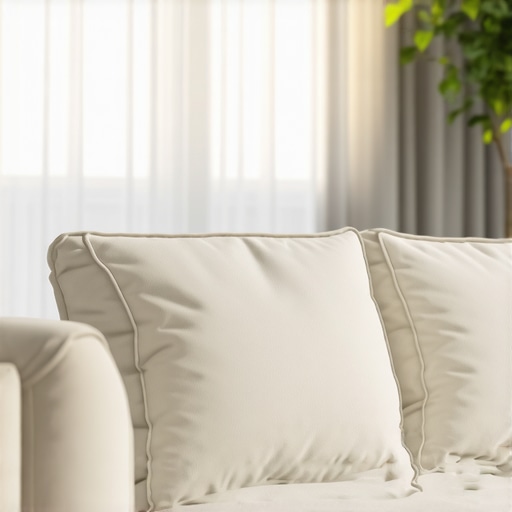
I still remember the sinking feeling in my chest when I spilled half a mug of dark roast coffee directly onto my brand-new, cream-colored linen sofa. It was a lazy Saturday morning, and in a split second of clumsiness, my pristine living room centerpiece looked utterly ruined. My immediate, panicked reaction was to grab a wet washcloth and scrub as hard as I could. That was the absolute worst thing I could have done. Instead of lifting the stain, I ground the pigment deep into the fibers, leaving a faint, permanent shadow that mocked me every time I sat down. It was a classic rookie mistake, and it taught me a brutal lesson about how delicate our furniture really is.
The Real Reason Your Living Room Feels Tired
Our couches endure a lot of love, but they also collect an invisible buildup of dust, body oils, pet dander, and sweat. Over time, this buildup acts like fine sandpaper, wearing down fabric fibers every single time we sit down. If you want to keep your home feeling truly fresh, you have to realize that why your sofa might be the dirtiest object in your living room goes far beyond simple cosmetic spills. Regular maintenance isn’t just about aesthetic pride; it actually extends the lifespan of your furniture by years.
Today, I want to share the exact, stress-free routine that saved my current sofa from the same fate as my old one. Whether you are prepping for a stressful transition and need a solid move-out clean checklist to simplify your transition, or you simply want to restore that crisp, showroom look to your favorite reading chair, these practical steps will change how you approach home care. We are going to demystify fabric codes, stop stains in their tracks, and establish a simple maintenance habit that feels like second nature.
Is professional upholstery care actually worth the hype?
You might be wondering if you really need a dedicated routine, or if you should just write a massive check to a professional service every few months. While professional deep cleaning has its place, the truth is that daily and weekly habits do 90% of the heavy lifting. In fact, many people accidentally ruin their expensive furniture by using harsh, wet cleaning methods on fabrics that should never touch water. For example, knowing how to tell if your sofa fabric is colorfast before scrubbing is a vital step that saves thousands of dollars in fabric damage. Before you spray anything, you must check the care tag for cleaning codes like ‘W’, ‘S’, or ‘X’.
Stop Scrubbing and Start Blotting
When a spill happens, our survival instinct tells us to rub the spot vigorously. But friction is the ultimate enemy of delicate upholstery. To keep your fibers intact, you must learn the art of gentle blotting. According to textile care experts, aggressive scrubbing can permanently distort the weave of natural fabrics, making the damaged area catch the light differently even if the stain is completely gone. If you are dealing with a tough mess, you can learn upholstery cleaning tips for a fresh home revival to safely lift spots without destroying the pile.
Have you ever ruined a piece of furniture because you panicked and used the wrong cleaning product? Tell me about your sofa struggles in the comments below! Next, let’s dive into the step-by-step process of deep cleaning your cushions without leaving ugly water rings behind.
When it comes to executing a deep clean, treating your couch fabric with the wrong product is like using industrial steel wool to wash your fine china. You need a systematic, step-by-step approach that removes the hidden grime without compromising the physical integrity of the fibers. Whether you are aiming for a pristine living space to enjoy this weekend, or looking for move-out cleaning hacks ensure your deposit refund, success lies entirely in the details of your execution.
The Multi-Step Dry and Wet Method for Couch Restoration
I learned the hard way that jumping straight to liquid cleaners is a recipe for permanent discoloration. Years ago, I tried to clean a dusty armchair by spraying soapy water directly onto the backrest. The water immediately turned the loose surface dust into a dark, muddy paste that sank deep into the fabric weave. I ended up with a massive, dark ring that looked ten times worse than the original dust layer. Now, I always follow a strict order of operations.
Why You Must Dry Vacuum First
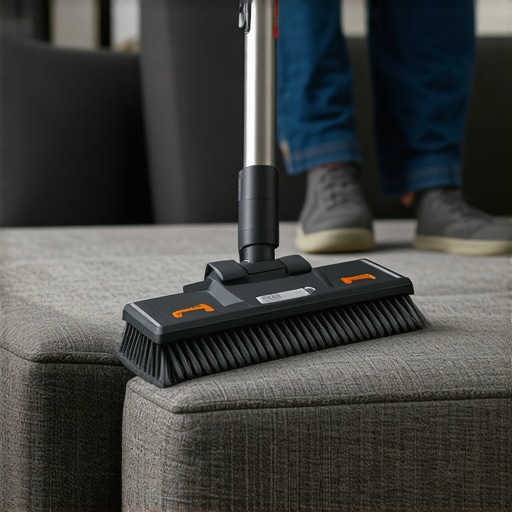
Before you introduce even a drop of liquid, you must extract every loose particle of dirt, hair, and dust. Vacuuming isn’t just a preliminary step; it is the foundation of the entire process. This is why professional cleaners always vacuum the sofa before wiping it. Use the upholstery attachment with stiff bristles to gently loosen the debris from the fabric. Work in a grid pattern, overlapping your strokes by about an inch to make sure you catch everything hiding in the weave.
Deodorize with Sodium Bicarbonate
Once the loose debris is gone, sprinkle a generous layer of baking soda over the entire surface of your cushions. Let it sit for at least thirty minutes. Baking soda acts like a tiny magnet for acidic odor molecules, drawing them out of the fibers without damaging the delicate pile. I once tried this on a second-hand sofa that smelled heavily of damp basement air, and within an hour, the stale odor was completely gone. Vacuum up the powder using clean brush attachments to avoid transferring old dirt back onto the fabric.
The Targeted Liquid Extraction Trick
If your care tag has a ‘W’ or ‘WS’ code, you can safely use a water-based solution to treat remaining stains. Mix a few drops of mild dish soap with warm water in a small spray bottle, but do not soak the fabric. Instead, mist a clean microfiber cloth and gently press it into the spot. For oily stains or general grime, understanding effective house cleaning secrets from cleaning experts will help you lift the soil without oversaturating the underlying cushion foam. Over-wetting leads to mold growth inside the cushion core, which will ruin the furniture piece from the inside out.
Speed Up the Drying Phase
Never sit on a damp couch, and do not let it dry naturally in a dark, closed room. Use a high-velocity fan pointed directly at the treated cushions to keep air moving. If you are in the middle of a tight transition, integrating this process into your daily house-cleaning routine to maintain perfection ensures you never have to sit on damp cushions while waiting for your living room to dry.
When you start digging deeper into home maintenance, you quickly realize that standard cleaning guides barely scratch the surface. In my years of trial, error, and ruined upholstery, I have discovered that the most popular cleaning advice online is actually a direct route to destroying high-end furniture. There is a delicate science to fibers, surface tension, and chemical interactions that most homeowners ignore until they are staring at a ruined velvet cushion or a cloudy leather armchair.
The Great Myth of All-Natural DIY Cleaners
Everyone tells you to spray vinegar and water on practically every surface in your home. It is hailed as the ultimate safe, eco-friendly solution. However, in my experience, using raw household vinegar on delicate upholstery fibers is a recipe for disaster. Vinegar is highly acidic. While it can work wonders on hard surfaces, it can permanently strip the natural protective oils from fibers like wool, silk, or high-end cotton blends, leaving them dry, brittle, and highly susceptible to premature wear. Instead of blindly trusting DIY concoctions, you should look for balanced pH neutralizers or refer to an ultimate upholstery care guide for lasting freshness to understand how different chemical balances interact with specific textiles.
Why does my couch smell worse after I sanitized it?
This is a highly sophisticated problem that stumps many meticulous homeowners. When you use common commercial sanitizers or heavy steam on a fabric surface to kill germs, you might actually be creating a thriving environment for deeper issues. Research published by textile microbiology studies indicates that if moisture penetrates the sub-surface polyurethane foam of your cushions without drying completely within twenty-four hours, you trigger a rapid spike in anaerobic bacterial growth deep within the padding. The surface might look sanitized, but you have effectively built an underground incubator for mold. If you are preparing for a major transition, mastering proper sanitizing hacks for safe house transitions is crucial to avoid trapping moisture inside the very items you are trying to clean.
The Steam Trap that Ruins Modern Performance Fabrics
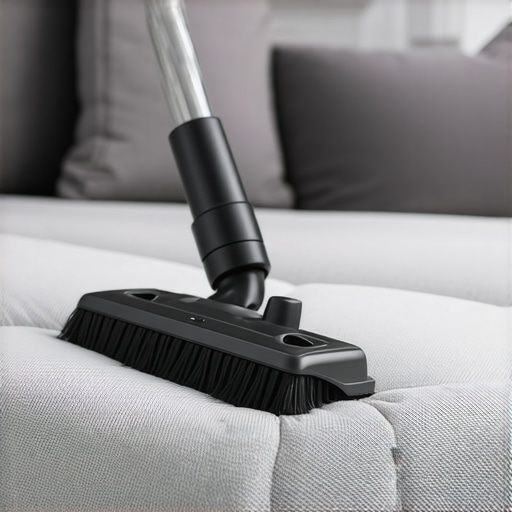
Another massive trap is the modern obsession with steam. Steam mops and handheld fabric steamers are incredible tools, but using them on synthetic performance fabrics like micro-suede, polyester blends, or nylon can melt the ultra-fine plastic microfibers. Once those microfibers melt, they fuse together, changing the texture of your couch from buttery-soft to rough, scratchy, and permanently shiny. If you are dealing with sensitive synthetics, learning how to clean a microfiber couch without leaving water rings without using excessive heat is essential to preserve the original look and feel of the piece.
This is especially critical during high-stakes events like a tenancy handback. If you are trying to secure your security deposit, a melted patch on an expensive landlord-owned sofa will cost you far more than a professional cleaning fee would have. Always cross-reference your lease requirements with smart move-out cleaning strategies to secure your deposit before applying any heat or moisture to the property’s furniture.
Have you ever fallen into this trap and accidentally ruined a delicate fabric with steam or vinegar? Let me know in the comments below, and let’s troubleshoot your toughest fabric disasters together!
When you transition from merely fixing mistakes to maintaining a pristine home week after week, you realize that your gear choices dictate your long-term success. Relying on whatever cheap brush or generic vacuum attachment came in the box is a fast track to worn-out fabric fibers. Over years of trial and error, I have dialed in a specific toolkit that keeps my furniture looking brand new, whether I am executing a routine weekend tidy or performing a deep move-out clean checklist to simplify your transition.
How do I maintain delicate upholstery over time?
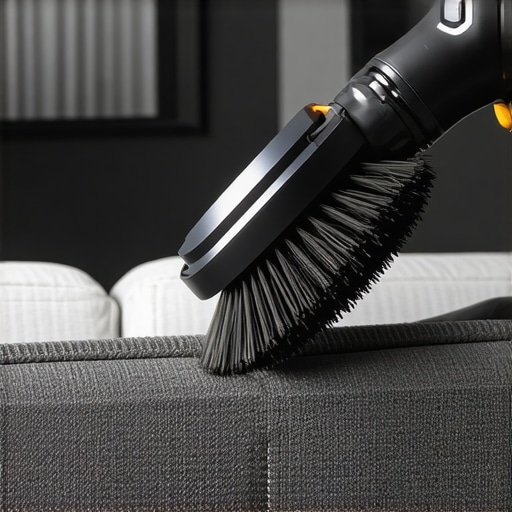
The secret to keeping delicate fabrics in showroom condition is consistent, low-moisture maintenance using highly specific tools. You do not need industrial-grade steam extractors that risk soaking the internal foam. Instead, I personally use and recommend a dual-speed orbital upholstery brush attachment paired with a variable-suction vacuum. The variable suction is crucial because standard household vacuums pull too hard on fragile threads, stretching out woven linen or delicate cotton chenille. I use a horsehair brush attachment because synthetic nylon bristles are too abrasive and cause invisible micro-tears in soft fabrics. This gentle mechanical agitation lifts deep-seated pet dander without wearing down the fabric pile.
For spot treatments, I always keep a bottle of pH-neutral, encapsulation-style cleaner on hand. According to the technical guidelines from the Institute of Inspection Cleaning and Restoration Certification (IICRC), encapsulation chemistry wraps around dirt particles as they dry, turning them into microscopic crystals that you simply vacuum away. This completely eliminates the need for heavy rinsing, which is the primary cause of unsightly water rings. If you want to dive deeper into protecting your investments, checking out the ultimate upholstery care guide for lasting freshness will save you from the most common maintenance pitfalls.
The Future of Smart Fabrics and Self-Cleaning Homes
Looking ahead, the home care industry is moving rapidly toward nanotechnology and bio-based barriers. I predict that within the next five years, we will see the widespread adoption of plant-derived, self-healing fabric protectors that chemically bond with fibers at a molecular level, making synthetic chemical sprays completely obsolete. Until those advanced smart textiles become standard in every living room, keeping a disciplined, low-moisture routine is your absolute best defense. Integrating these fast habits into your daily house-cleaning routine to maintain perfection prevents everyday oils from ever settling deep into the weave.
My challenge to you this week is to put down the harsh sprays and try the dry baking soda vacuuming method on your favorite reading chair. You will be amazed at how much brighter the fabric looks just by removing the dry, hidden dust. If you are currently preparing for a major move and want to ensure every piece of furniture and carpet is spotless for your landlord’s final walkthrough, take a look at these proven move-out cleaning strategies to secure your deposit.
I have spent years cleaning, restoring, and occasionally ruining home textiles. If there is one core truth I have learned about maintaining a pristine living space, it is that consistency beats panic every single time. You do not need expensive, chemical-heavy interventions to keep your home smelling sweet and looking beautiful; you just need to understand how your furniture is built and how to treat it with respect.
The Realizations That Saved My Living Room Furniture From the Dumpster
- Liquid is rarely the first answer: Dry soil acts like sandpaper under the weight of your body. Vacuuming thoroughly removes these abrasive particles before they can cut into the fibers or turn into muddy stains.
- Friction is a permanent structural hazard: When you rub a stain vigorously, you are actually melting or distorting the microscopic alignment of the fibers, creating a permanent dull spot that catches the light differently.
- The care tag is an absolute law: Disregarding a simple code like ‘S’ (solvent-only) or ‘X’ (vacuum only) can destroy a thousand-dollar sofa in less than five minutes.
The Upholstery Care Tools I Personally Keep in My Utility Closet
Rather than relying on whatever happens to be on sale at the grocery store, I have curated a specific arsenal of tools that preserve the delicate weave of my furniture over time. First, I highly recommend investing in a genuine horsehair brush attachment for your vacuum. Unlike synthetic nylon bristles, which are incredibly abrasive, horsehair is soft enough to glide over delicate silk or linen without causing micro-tears. Second, I rely heavily on pH-neutral encapsulation cleaning solutions because they crystallize dirt particles rather than soaking the inner cushion foam. Finally, I always keep a high-quality, lint-free microfiber cloth nearby to execute a perfect, gentle blot. If you want to dive deeper into protecting your investments, checking out the ultimate upholstery care guide for lasting freshness will save you from the most common maintenance pitfalls.
Take the First Step to Reclaim Your Favorite Spot on the Couch
You do not have to live with a dingy, tired-looking living room, and you certainly do not have to spend a fortune to fix it. This weekend, I want you to step away from the harsh chemical sprays and simply give your main sofa a thorough dry vacuuming followed by a light baking soda treatment. By making these small adjustments part of your regular habits, you will protect your health, save your security deposit, and keep your home feeling genuinely clean. Knowing why your sofa might be the dirtiest object in your living room is the first step toward building a healthier home environment.
Have you ever accidentally ruined a cushion by scrubbing too hard or using the wrong product? Let me know in the comments below, and let’s troubleshoot your toughest fabric disasters together!