
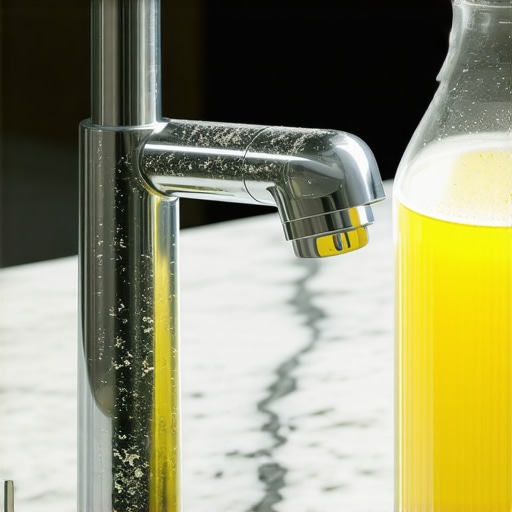
I’ll never forget the first time I tried to tackle the showerhead in my first apartment. I spent two hours—two actual, miserable hours—scrubbing with a generic blue spray and a stiff brush until my knuckles were raw. When it finally dried, the crusty white buildup was still there, mocking me. I felt like a failure at basic adulthood. It wasn’t until my neighbor saw me venting in the hallway and handed me a jug of plain white vinegar that the lightbulb finally went off. I’d been overcomplicating everything and potentially damaging my fixtures in the process.
Stop Fighting the Mineral Build-up the Hard Way
If you’ve ever looked at your glass shower doors or that dull, spotted kitchen faucet and felt a sense of impending doom, you aren’t alone. We’ve all been there, especially during a stressful move-out clean where every single water spot feels like a direct threat to your security deposit. Today, I’m going to show you why that $2 bottle of vinegar in your pantry is more powerful than any expensive chemical cocktail you can buy at the big-box store. We are going to reclaim your chrome and glass without the soul-crushing elbow grease.
Does cheap vinegar actually work better than professional cleaners?
I used to be the biggest skeptic. I assumed that if a product didn’t smell like a laboratory and cost fifteen dollars, it couldn’t possibly handle the rock-hard calcium deposits in my bathroom. My biggest mistake early on was actually using a wire brush; I ended up scratching the finish on a beautiful faucet, a mistake that cost me way more than a bottle of cleaning spray ever would. The truth is, vinegar is acetic acid, and it’s scientifically designed by nature to dissolve the calcium and magnesium that make up hard water. According to the U.S. Geological Survey, hard water is found in about 85% of homes in the United States, meaning almost all of us are fighting this crusty battle every single day.
Save Your Sanity and Your Surfaces
The beauty of this method is that it’s not just for your bathroom. Whether you are looking for house cleaning strategies for a sparkling home or trying to figure out how to get that stainless steel sink to shine like new, vinegar is the common denominator. It’s gentle enough that it won’t eat through your fixtures but aggressive enough to melt away the grime. Have you ever spent a whole Saturday scrubbing a shower only to have it look exactly the same the next morning? I’d love to hear about your most frustrating cleaning fail! Once you understand how to use this liquid gold correctly, you’ll stop dreading the chore list. We’re going to dive into the exact ratios and soak times that make the difference between a streaky mess and a mirror finish. Using these house cleaning secrets from the pros will change your weekend routine forever.
Mix the Magic Solution Like a Pro
To get started, you don’t need a degree in chemistry, just a spray bottle and a gallon of white vinegar. For daily maintenance, a 50/50 mix with water works fine, but if you are facing years of crust, go full strength. I once moved into a rental where the kitchen sink looked like it had been through a sandstorm. I tried the standard house cleaning routine, but nothing budged until I heated the vinegar in the microwave for 30 seconds. That extra heat acts like a catalyst, speeding up the reaction that breaks down calcium. It’s a game-changer for sanitizing hacks for safe house transitions.
Heat the Vinegar to Speed Things Up
When you apply warm vinegar to a cold, crusty surface, the acid penetrates the mineral layers much faster. Think of it like trying to melt sugar in cold water versus hot tea; the heat does the heavy lifting for you. This is one of those house cleaning secrets that pros use to shave hours off a job. When the vinegar is warm, it’s also much more effective at effective sanitizing methods for a germ-free home, as it more readily breaks down oily residues that trap bacteria.
Don’t Just Spray—Saturate the Surface
My biggest mistake early on was spraying a surface and immediately wiping it away. Vinegar needs time—the ‘dwell time’—to actually dissolve the rock. If you are prepping for a move-out clean, you can’t rush this. For vertical surfaces like shower doors or faucets, the liquid just runs off before it can work. This is where the paper towel trick saved me. I once spent an entire morning trying to scrub a showerhead in my first apartment until I realized I could just soak a rag, wrap it around the fixture, and secure it with a hair tie. 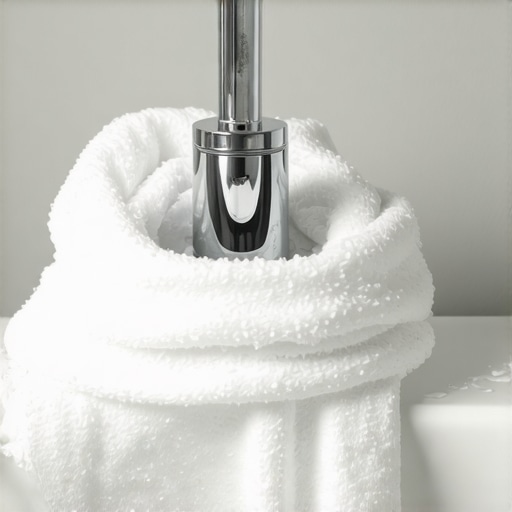
The Rubber Band Trick for Stubborn Build-up
Take a small plastic bag, fill it with warm vinegar, and submerge your showerhead or faucet tip inside it. Use a rubber band to seal it tight around the neck. Leave it for at least an hour. When you take it off, those ‘rocks’ will have turned into a soft paste you can wipe away with a sponge. This is a vital part of a move-out clean checklist to simplify your transition. I remember one move-out where the kitchen sink was a disaster. I followed the move-out cleaning strategies to secure your deposit and realized that the secret to making your stainless steel sink shine like new wasn’t scrubbing harder; it was just letting the vinegar sit for 20 minutes while I cleaned the cabinets.
Rescue Your Fabric and Upholstery Too
Surprisingly, this pantry staple isn’t just for the hard stuff. If you’ve discovered a mysterious crusty spot on your furniture while following upholstery cleaning tips for a fresh home revival, a very diluted vinegar mist can help. I once had a suede chair that looked ruined after a spill, but I learned how to clean a suede couch with only a soft brush and vinegar, and it lifted the residue without leaving a ring. Just remember to always test a hidden spot first to ensure colorfastness. Keeping these techniques in your back pocket makes daily house cleaning routine to maintain perfection feel less like a chore and more like a simple science experiment.While we all love a good DIY hack, there is a dangerous trend I see every day that actually hinders your progress. Let’s talk about the ‘volcano’ mistake. We’ve all seen the viral videos where mixing vinegar and baking soda creates a satisfying, bubbly fizz. Most people think this is a miracle solution for a move-out clean. But here’s the cold, hard truth: they neutralize each other. According to the American Chemical Society, when you mix an acid like vinegar and a base like baking soda, you mostly end up with water and a tiny bit of sodium acetate. It looks like it’s working because of the carbon dioxide gas, but the cleaning power is actually lower than using them separately. This is one of the most common move-out cleaning mistakes that cost renters money because you are wasting time on a chemical reaction that effectively does nothing for the actual grime.
Avoid the Acid Trap on Natural Surfaces
Another massive ‘oops’ factor I’ve witnessed involves using these acidic cleaners on the wrong surfaces. If you have granite, marble, or limestone counters, keep that vinegar bottle far away. The acetic acid will etch the stone, leaving permanent dull spots that no amount of house cleaning strategies for a sparkling home today can fix. For those high-end finishes, stick to pH-neutral cleaners. It’s a similar story with furniture; knowing the professional way to clean leather upholstery without cracking it is vital because using harsh acids can strip the natural oils and lead to permanent damage.
Why does your shower still look cloudy after a deep clean?
Often, the culprit isn’t the cleaner, but the cloth you are using. Have you noticed your mirrors or glass doors leaving streaks even after a thorough scrub? This usually happens because your microfiber cloths stop working correctly when they are washed with fabric softener. Softeners coat the tiny fibers, preventing them from grabbing the microscopic particles and oils that create clouds. 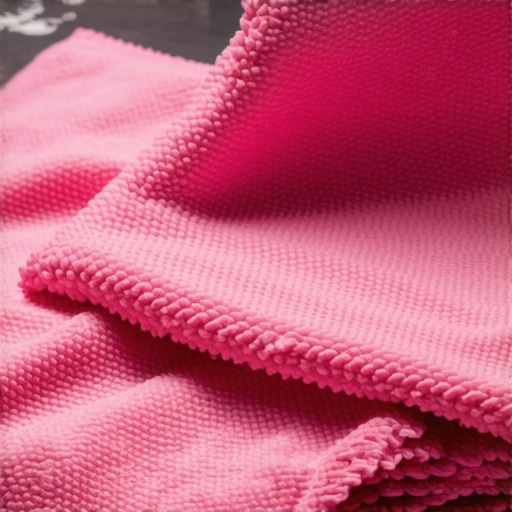
Dwell Time is Your Best Friend
When you are following effective sanitizing methods for a germ-free home, remember that dwell time is non-negotiable. If you spray and wipe a disinfectant in three seconds, you haven’t actually killed anything; you’ve just moved the bacteria around. A study published in the Journal of Hospital Infection highlights that many common household pathogens require at least 60 seconds—and sometimes up to 10 minutes—of contact with a disinfectant to be fully neutralized. This is a critical nuance in sanitizing secrets for a safer house in 2025. If you are rushing through a move-out clean checklist to simplify your transition, you might be tempted to move fast, but letting the product sit is what actually does the work. When it comes to your living room, don’t forget that upholstery cleaning tips for a fresh home revival often emphasize gentle agitation over soaking. Over-wetting fabric can lead to mold or ‘browning’ stains that are nearly impossible to remove. Mastering these small details is what separates a frustrating weekend of chores from a daily house cleaning routine to maintain perfection. Have you ever fallen into the trap of thinking a fizzing reaction meant it was working? Let me know in the comments!
I’ll be honest, the hardest part of keeping a home isn’t the intense deep clean; it’s the ‘keep clean.’ Once you’ve conquered the mineral buildup and followed your move-out cleaning strategies to secure your deposit, you want that effort to last longer than forty-eight hours. I used to think a clean house was a one-and-done event, but it’s actually about small, strategic wins. You don’t need to spend your entire Saturday scrubbing if you stop the mess from bonding to your home in the first place.
Stop the Scum Before It Starts
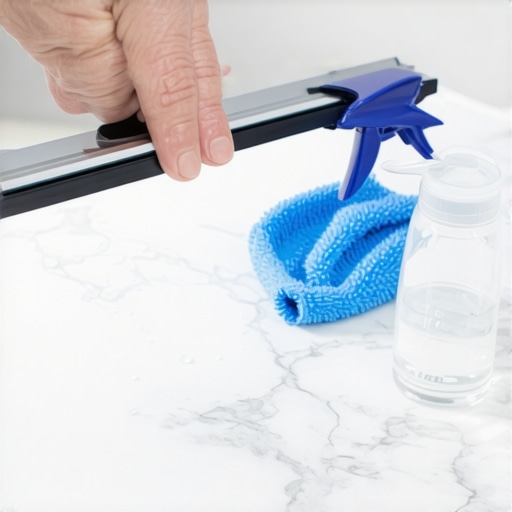
The single biggest game-changer in my personal routine was the humble squeegee. It takes exactly 30 seconds after a shower to wipe down the glass, but it saves me three hours of miserable scrubbing every single month. By removing the water before it evaporates, you prevent the calcium from ever bonding to the surface. This is the backbone of a daily house cleaning routine to maintain perfection. If you aren’t doing this, you are essentially letting ‘liquid rock’ dry on your fixtures every single day. I’ve found that even the most expensive professional coatings can’t compete with a simple $10 silicone blade used consistently.
My Personal Toolkit for a Lasting Shine
I’m obsessed with high-quality microfiber, but you have to treat it right or it becomes useless. If you’ve noticed why your microfiber cloths are leaving lint everywhere, it’s likely a laundry issue. I never wash my cleaning cloths with cotton towels because the cotton fibers get trapped in the microfiber hooks, turning them into a streaky mess. I also highly recommend investing in a handheld steamer. Steam is incredible for reaching those effective house cleaning secrets because it sanitizes at 200 degrees without a single chemical. I use mine on everything from window tracks to the difficult-to-clean areas around bathroom faucets where mineral crust loves to hide.
How can I keep my hard-earned results for more than a week?
Maintenance is mostly about managing airflow and moisture levels. For example, if you don’t know why you should clean your bathroom exhaust fan every month, you’re essentially inviting mold and mildew to settle on your freshly cleaned walls. A dusty fan doesn’t pull moisture out effectively, leaving your bathroom humid for hours. Similarly, for your living room, following an ultimate upholstery care guide for lasting freshness involves regular vacuuming with a HEPA-filter machine to prevent skin oils and microscopic dust from becoming permanent stains. According to the Cleaning Industry Research Institute (CIRI), the effective removal of bio-pollutants requires a combination of high-grade filtration and consistent surface management rather than periodic ‘shocks’ of heavy cleaning. This scientific approach ensures your home remains a healthy sanctuary rather than just a visually tidy one.
High-Tech Help is Coming for Your Chores
Looking ahead, I suspect we’ll see a massive rise in advanced hydrophobic coatings for home surfaces. Much like ceramic coatings for cars, we are moving toward a future where ‘self-cleaning’ glass and stone will be the standard in new builds, making our vinegar-soaking days a thing of the past. We are also seeing the emergence of AI-integrated cleaning schedules that track usage patterns to tell you exactly when a surface needs attention before it becomes a problem. For now, however, stick to the tried-and-true basics. If you really want to level up your game today and feel a surge of productivity, try the secret to cleaning greasy range hood filters with boiling water—it’s the most satisfying five-minute task you’ll do all week and will make your kitchen smell infinitely better.
I’ll be honest, the hardest part of keeping a home isn’t the intense deep clean; it’s the ‘keep clean.’ Once you’ve conquered the mineral buildup and followed your move-out cleaning strategies to secure your deposit, you want that effort to last longer than forty-eight hours. I used to think a clean house was a one-and-done event, but it’s actually about small, strategic wins. You don’t need to spend your entire Saturday scrubbing if you stop the mess from bonding to your home in the first place.
Stop the Scum Before It Starts
The single biggest game-changer in my personal routine was the humble squeegee. It takes exactly 30 seconds after a shower to wipe down the glass, but it saves me three hours of miserable scrubbing every single month. By removing the water before it evaporates, you prevent the calcium from ever bonding to the surface. This is the backbone of a daily house cleaning routine to maintain perfection. If you aren’t doing this, you are essentially letting ‘liquid rock’ dry on your fixtures every single day. I’ve found that even the most expensive professional coatings can’t compete with a simple $10 silicone blade used consistently.
My Personal Toolkit for a Lasting Shine
I’m obsessed with high-quality microfiber, but you have to treat it right or it becomes useless. If you’ve noticed why your microfiber cloths are leaving lint everywhere, it’s likely a laundry issue. I never wash my cleaning cloths with cotton towels because the cotton fibers get trapped in the microfiber hooks, turning them into a streaky mess. I also highly recommend investing in a handheld steamer. Steam is incredible for reaching those effective house cleaning secrets because it sanitizes at 200 degrees without a single chemical. I use mine on everything from window tracks to the difficult-to-clean areas around bathroom faucets where mineral crust loves to hide.
#IMAGE_PLACEHOLDER_E#
Lessons Learned from a Decade of Fighting Limescale
After years of trial and error, I’ve realized that the ‘viral’ way isn’t always the right way. First, don’t fall for the fizz—as we discussed, mixing vinegar and soda is just science class theater. Second, never underestimate the power of a soft touch. I’ve seen more damage from coarse scouring pads than from the actual hard water itself. Finally, remember that consistency is the only way to avoid the most common move-out cleaning mistakes that cost renters money when you finally decide to move. A little vinegar today saves a lot of money tomorrow.
The Only Tools You Actually Need for a Mirror Finish
I’ve pared down my cleaning closet significantly over the years. My must-haves include a high-quality silicone squeegee for daily glass maintenance and a stack of dedicated glass-cleaning cloths. If you’ve struggled with lint, you should check out why your microfiber cloths stop working to ensure they stay effective. I also swear by a 16oz glass spray bottle for my vinegar mixes; it’s durable and keeps the solution fresh. For the final touch on any move-out clean checklist to simplify your transition, I always rely on the secret to streak-free mirrors using just a microfiber cloth—no blue spray required.
Reclaim Your Weekends One Surface at a Time
Cleaning shouldn’t feel like a punishment or a battle against physics. Once you let the chemistry do the work, you’ll find that maintaining a healthy, beautiful home is surprisingly simple. Whether you’re refreshing your living room with an ultimate upholstery care guide for lasting freshness or just keeping the kitchen sink shining, these small habits add up to a stress-free environment. Don’t wait until moving day to master the move-out clean; start today and enjoy the results every morning. Which of these hacks are you going to try first on your bathroom fixtures? Drop a comment below!