
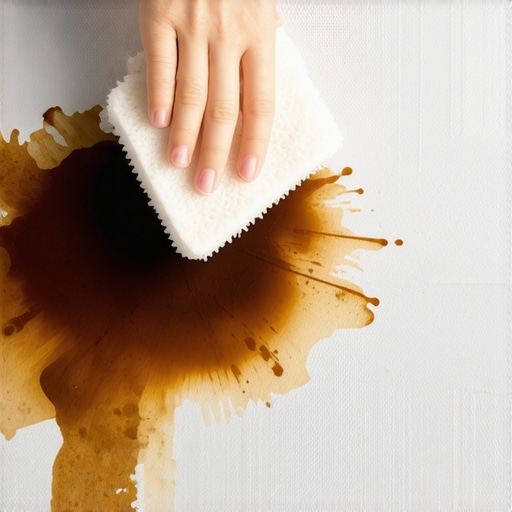
I’ll never forget the sound of my favorite Merlot hitting the cream-colored upholstery of my living room chair. My heart stopped. I did what most people do: I grabbed a kitchen towel and started scrubbing like my life depended on it. Big mistake. Within ten seconds, that small splash turned into a massive, fuzzy pink blur. I wasn’t just cleaning; I was physically driving the pigment into the core of the fabric. It was a classic rookie move that cost me a professional cleaning bill. Today, I want to save you from that same heartbreak by sharing the counterintuitive secret that every expert knows but most homeowners ignore.
Your Instinct to Scrub is Actually Killing Your Carpet
We’ve all been there. You spill something, and the adrenaline kicks in. You feel like you need to move fast, or that liquid will become a permanent part of your home’s decor. But here’s the cold, hard truth: scrubbing is the fastest way to ruin your fibers forever. When you apply horizontal pressure, you’re not lifting the liquid; you’re grinding it deep into the backing. According to the Institute of Inspection, Cleaning and Restoration Certification (IICRC), aggressive scrubbing can cause permanent fiber distortion, meaning even if you get the color out, the texture will look damaged forever. I learned this the hard way during a stressful move-out cleaning session where I nearly lost my entire security deposit over a single coffee spot.
Is simply blotting enough to handle a tough spill?
I know what you’re thinking. “If I don’t scrub, how on earth is the stain going to come out?” It feels passive, almost lazy. But trust me, blotting is the real hero here. It’s about physics, not muscle. By pressing straight down with a clean, white cloth, you create a capillary action that pulls the liquid up and away from the subfloor. This approach is essential for any upholstery care routine, especially when dealing with delicate materials. I’ve found that using the right house cleaning secrets—like patience and the right towels—is always better than brute force. Have you ever tried to scrub a stain and ended up making it twice as big? Tell me about your most frustrating spill in the comments!
Instead of panic, we need a plan. Whether you are dealing with a velvet couch or a high-pile rug, the goal is to contain, not spread. We are going to look at why that friction creates heat that actually sets the stain, making it nearly impossible to remove later. By the time we’re done, you’ll have the confidence to handle any spill with the calm of a pro.
Mastering the Art of the Vertical Lift
The secret to saving your flooring or furniture isn’t in how hard you work, but in how well you manage the physics of the spill. Think of your carpet fibers like a bundle of tiny, vertical straws. When you scrub, you are essentially bending those straws and snapping them, which creates that fuzzy, worn-out look that never goes away. Instead, you need to master the vertical lift. This technique is the cornerstone of effective upholstery cleaning tips for a fresh home revival because it respects the integrity of the material.
Grab Your White Towels and Apply Pressure
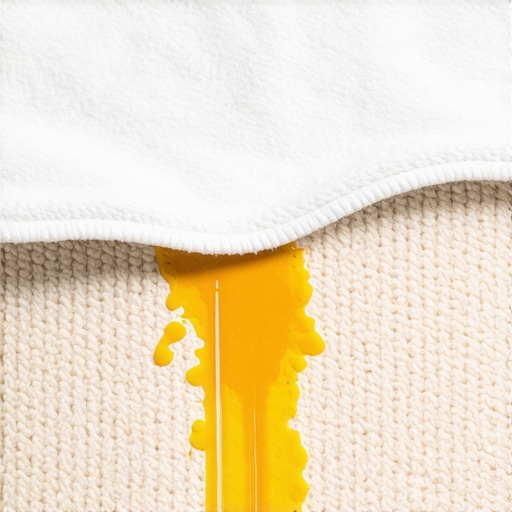
Forget the colorful sponges or the abrasive brushes. Your best friend is a stack of plain, white cotton towels. Colors from dyed cloths can actually bleed into your carpet when they get wet, creating a whole new nightmare. Place the towel directly over the spill and apply firm, downward pressure with the heel of your hand. I once spent ten minutes standing on a stack of towels after spilling an entire cup of dark roast on a cream-colored rug. By using my body weight to create a vacuum effect, I pulled the liquid straight up. It’s a trick I often recommend for anyone following a move-out clean checklist to simplify your transition, as it prevents those deep-set stains that landlords love to charge for.
Work Your Way from the Outside In
If you start blotting from the center of a puddle, the pressure will naturally push the liquid outward, expanding the stain like a growing lake. Always start at the very edges and work your way toward the middle. This creates a ‘dam’ of dry fibers that stops the pigment from traveling. This is especially critical when you are learning the best way to lift coffee stains from a white sofa, where the contrast is so high that any spread is immediately visible. I learned this the hard way with a cranberry juice spill; I started in the middle and ended up with a pink ring three times the size of the original splash.
The Simple Mixture That Beats Harsh Chemicals
You don’t need expensive, foam-heavy store products that leave behind a sticky residue. In fact, that residue is a magnet for dirt, which is why your carpet is still dirty after you shampooed it. A simple mix of one part white vinegar to two parts water is often all you need to break the chemical bond of the stain. If the spill is oily, a single drop of clear dish soap—not the blue stuff—can help emulsify the grease. This approach aligns with the most effective house cleaning secrets from cleaning experts who prioritize gentle, effective solutions over brute force chemicals. When you apply your solution, mist it lightly onto the cloth, not the carpet. You want to control the moisture, not drown the fibers.
Sanitizing Without Saturating the Fabric
Once the pigment is gone, you might worry about bacteria, especially if the spill involved food or pets. Instead of soaking the area, which can lead to mold, use a light mist of isopropyl alcohol or a dedicated fabric-safe sanitizer. This is a key step in effective sanitizing methods for a germ-free home. I remember helping a friend clean up after a puppy mishap; we were so focused on the smell that we almost flooded the floor. A light touch and proper ventilation are far more effective than a gallon of disinfectant. Always keep the air moving with a fan to ensure the backing dries completely within a few hours.
Stop Over-Cleaning Before You Rot the Floor
I used to think that if a little soap was good, a lot of soap was better. I was wrong. In my years of refining house cleaning strategies for a sparkling home today, I’ve discovered that the biggest mistake isn’t leaving dirt behind—it’s leaving the cleaner behind. Most people treat a stain like a battle that needs to be won with chemical warfare. But when you douse a fabric in heavy cleaners, you are often creating a permanent dirt magnet. The industry calls this ‘resoiling,’ and it’s the primary reason why professional results often look so different from DIY attempts.
The Dangerous Myth of More Soap Means More Clean
Here is a contrarian view: the best cleaning often happens with the least amount of product. According to the Carpet and Rug Institute (CRI), excessive detergent residue is one of the leading causes of rapid resoiling in residential carpets. This sticky film acts like a magnet for airborne dust and oily soil from foot traffic. If you don’t rinse the area with absolute precision, you are essentially ‘gluing’ future dirt to your fibers. This is a common trap during move-out cleaning, where tenants try to scrub away months of wear in one afternoon, only to leave the carpet feeling crunchy and looking duller than before. I always tell people that if you can feel a residue, you aren’t done cleaning; you’ve just started a new problem.
Why do those old stains keep coming back from the dead?
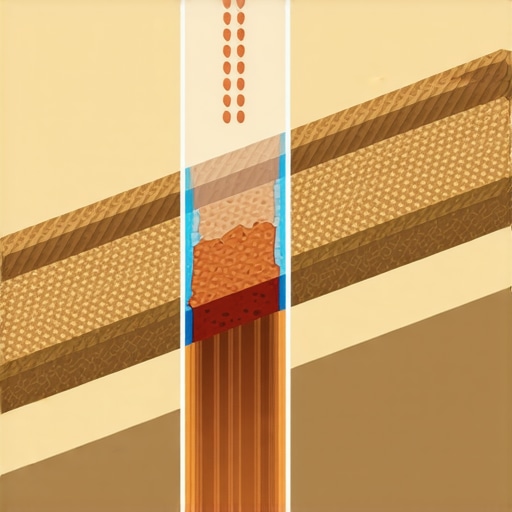
It’s a phenomenon called ‘wicking,’ and it’s the ultimate ‘oops’ factor for advanced cleaners. Imagine the original spill didn’t just stay on the surface; it traveled deep into the backing or even the subfloor padding. When you apply a liquid cleaner to the surface, you create a moisture bridge. As the carpet dries, the liquid at the bottom evaporates and travels back up the fiber—like a candle wick—bringing the buried pigment along with it. This is exactly why your carpet is still dirty after you shampooed it. To prevent this, you must keep the area as dry as possible. This is also why you should never spray cleaning products directly on surfaces; instead, dampen your white towel and work the surface only.
Understanding these nuances is what separates a basic chore from an ultimate upholstery care guide for lasting freshness. When I’m handling a delicate job, I focus on the ‘dry’ part of the process just as much as the ‘wet’ part. High-velocity fans and moisture-absorbing towels are your best friends. If you saturate the fabric too deeply, you risk delamination—where the secondary backing of the carpet detaches—or even worse, mold growth within the pad. This is a critical step in effective sanitizing methods for a germ-free home, because moisture is the fuel that bacteria need to thrive. Have you ever spent hours cleaning a spot only to have it reappear the next morning? Have you ever fallen into this trap? Let me know in the comments!
I’ve spent years testing gadgets that promise the world, from vibrating brushes to steam-blasting wands. Most of them end up in the back of my closet, gathering the very dust they were meant to remove. But through all the trial and error, I’ve found that the real difference between a home that looks ‘clean’ and a home that stays pristine lies in the toolkit. If you want to move beyond basic survival and into true fabric mastery, you need to stop thinking about cleaning as a reaction and start seeing it as a system. This shift was vital for my own daily house cleaning routine to maintain perfection, where the right tools replaced my panic.
The Secret Weapon in My Extraction Arsenal
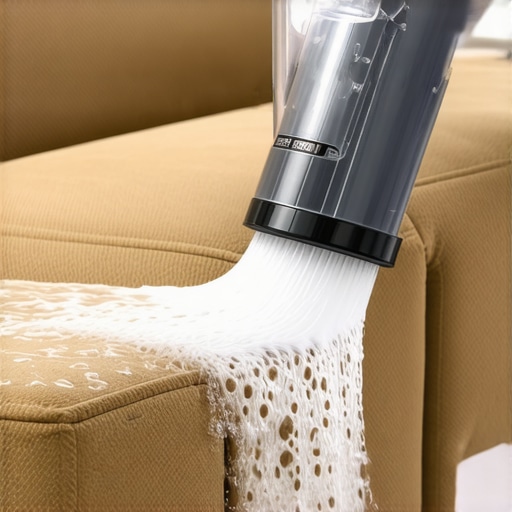
The biggest game-changer for me wasn’t a chemical, but a high-quality wet/dry vacuum with a dedicated upholstery attachment. Most people use these for garage spills, but a portable extractor is the gold standard for upholstery cleaning tips for a fresh home revival. I specifically use a model with a clear hand tool so I can actually see the dirty water being pulled out of the fibers. There is something incredibly satisfying—and a bit gross—about seeing that brown sludge move through the tube. It’s the only way to ensure you aren’t leaving moisture behind to breed mold. According to the IICRC S100 Standard for Professional Cleaning of Textile Floor Coverings, the physical extraction of soil is significantly more effective than attempting to dissolve it with surfactants alone. This is why I always emphasize extraction when discussing move-out cleaning strategies to secure your deposit.
How do I maintain my home’s fabrics over the long haul?
Maintenance isn’t about deep cleaning every week; it’s about ‘micro-interventions.’ I’ve adopted a rule: if I see a shadow, I treat it immediately. This prevents the ‘graying’ effect that happens when soil gets walked into the high-traffic lanes of your carpet. I keep a dedicated kit containing high-quality microfiber cloths and a pH-neutral cleaner. I’ve noticed that why your vacuum isn’t picking up dirt like it used to is often due to a clogged HEPA filter, so I swap mine every three months religiously. For those with specialized furniture, knowing how to clean a fabric headboard without getting it too wet is the difference between a bedroom that smells like a spa and one that smells like a damp basement. Consistently removing dry soil before it becomes wet mud is the single best thing you can do for your home’s longevity.
The Future of Home Care is Smart and Light-Based
I predict that within the next five years, the ‘chemical era’ of cleaning will be largely replaced by technology. We are already seeing a massive surge in sanitizing secrets for a safer house in 2025 that utilize UV-C light and ozone-infused water. Imagine a vacuum that doesn’t just pull hair but uses built-in sensors to identify the specific type of bacteria on your sofa and adjusts its suction and light intensity accordingly. We are moving toward a world where your appliances will tell you exactly when your indoor air quality is dipping because of deep-seated carpet dust. It’s an exciting time for those of us obsessed with the science of a healthy home. For now, I want you to try one thing: the next time you use a cleaner on your sofa, do a ‘dry pass’ with your vacuum for twice as long as you think you need to. You’ll be shocked at how much more residue you can lift when you focus on the extraction rather than the application. Give it a shot and see if your colors don’t look a shade brighter by tomorrow morning!
The Three Truths My Carpet Pro Taught Me the Hard Way
After years of trial and error, I realized that house cleaning is less about effort and more about timing. First, the most important tool isn’t a brush; it’s patience. If you rush the drying phase, you’re just inviting mold to the party. Second, I learned that why you should never spray cleaning products directly on surfaces is the single best piece of advice for preventing fiber rot. Finally, the one-towel rule is a lie—you need a stack of ten. If the towel is damp, it’s no longer lifting pigment; it’s just moving it around.
Gear That Actually Saved My Security Deposit
I don’t believe in magic erasers or expensive foams. I believe in a system. I always keep a portable extraction vacuum ready; it’s the only way to get deep into the pile without soaking the floor. I also swear by 100% white cotton towels because they show exactly how much soil you’re lifting. For those moving out, these tools are essential for move-out cleaning hacks to ensure your deposit refund. If you have furry friends, knowing how to get your security deposit back when you have pets starts with having an enzyme cleaner that actually breaks down proteins instead of just masking them.
Protect Your Investment and Your Peace of Mind
Cleaning shouldn’t feel like a constant battle against your own living room. By shifting from a scrub-and-pray mindset to a lift-and-extract strategy, you preserve the life of your furniture and your sanity. Maintaining a daily house cleaning routine to maintain perfection isn’t about being perfect; it’s about being prepared. You now have the professional secrets to handle the next wine spill or coffee splash with total confidence. Go ahead and live in your home—you know exactly how to fix the mess. What is the one stubborn stain in your house that seems to come back no matter what you do? Let me know in the comments below!