
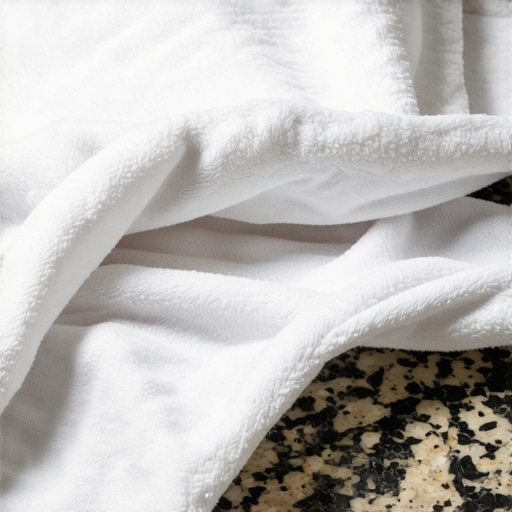
I stood in my kitchen, guests arriving in twenty minutes, and reached for a ‘clean’ hand towel to dry the serving platter. The moment my damp hands hit the fabric, a wave of sour, damp-basement odor filled the air. It was mortifying. I had just pulled these from the dryer! I thought I was following a solid daily house cleaning routine to maintain perfection, yet here I was, smelling like a locker room. If you have ever felt that sting of frustration—washing something over and over only for it to stay ‘dirty’—you are in the right place. Most people assume the towel is just old or the water wasn’t hot enough. I used to think the same thing. Today, I am sharing the exact steps I used to reclaim my kitchen linens from the brink of the trash can. We are moving past the surface stuff and getting into the real sanitizing secrets for a safer house in 2025. I promise you, that smell isn’t a permanent feature of your home, and you don’t need a degree in chemistry to banish it.
Get Rid of the Funk Without Buying New Towels
When I first started dealing with this, I made a classic amateur mistake: I doubled the detergent. I figured more soap equals more clean, right? Not even close. In fact, that excess soap was actually feeding the problem, creating a sticky residue that trapped bacteria and prevented the water from truly penetrating the fibers. You see, the real culprit is often a bacterium called Moraxella osloensis. According to research published in the journal Scientific Reports, this specific microbe is incredibly hardy and is the primary reason for the malodor in laundry because it produces fatty acid metabolites as it grows. It loves the damp environment of a folded towel. If you aren’t careful, you aren’t just washing your towels; you’re giving a spa day to germs. This is why effective house cleaning secrets from cleaning experts always emphasize stripping away buildup rather than adding more fragrance. We need to focus on effective sanitizing methods for a germ-free home to break the cycle of re-contamination.
Can a simple wash really fix deep-seated odors?
I know what you are thinking. You’ve tried the hot cycle, you’ve tried the extra rinse, and nothing works. You might be scared that your expensive linens are permanently ruined. I almost gave up and tossed a whole set of Turkish cotton towels into the rag bin. But before you do that, we need to look at the ‘where’ and the ‘how.’ Sometimes the issue isn’t even the towel itself—it is the machine. Have you checked why you must clean the filter in your washing machine lately? If the source is dirty, the result will be too. I want to know—have you ever pulled a towel out of the dryer that smelled fine, only for it to turn ‘sour’ the second it got a little damp? That is the classic sign of bacterial colonies waking back up. Tell me, have you faced this specific problem in your own kitchen? We are going to fix this together by learning exactly how to get the mildew smell out of old towels once and for all, using items you likely already have in your pantry.
Strip the Biofilm with a Vinegar Soak
To stop the cycle of sour smells, you have to realize that your towels are likely coated in a microscopic layer of ‘scrub’—a mix of body oils and detergent residue. Think of it like a wax coating on a car; water just beads off instead of soaking in. To break this down, place your smelly towels in the washing machine on the hottest setting possible. Do not add detergent. Instead, pour in one cup of plain white distilled vinegar. The acetic acid acts as a natural solvent that dissolves the alkaline buildup from years of over-soaping. I remember a specific Tuesday when I was prepping for a move and realized my guest towels were atrocious. I ran this vinegar cycle twice because the ‘funk’ was so deep-seated. It’s a core part of effective sanitizing methods for a germ-free home because it strips the environment where bacteria thrive. 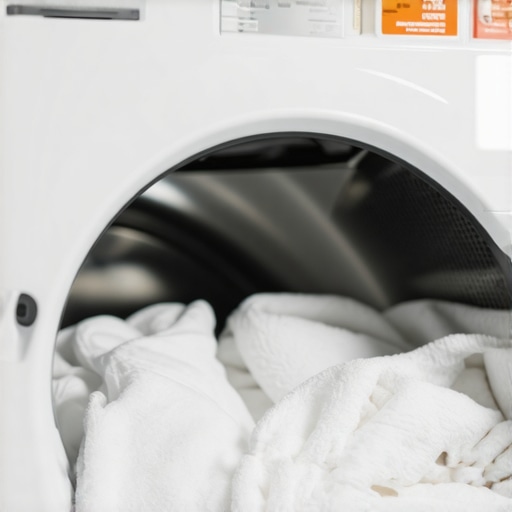
Blast the Remaining Odors with Baking Soda
Once the vinegar cycle finishes, leave the towels in the machine. Do not switch them to the dryer yet. Run the load a second time, again on the hottest water setting, but this time add a half-cup of baking soda. While vinegar dissolves the gunk, baking soda neutralizes the remaining odors and further sanitizes the fabric. This two-step process is a staple among upholstery cleaning tips for a fresh home revival because it addresses both chemical buildup and biological odors. I once made the mistake of mixing the vinegar and baking soda in the same cycle—all I got was a giant fizzy mess and towels that still smelled like a swamp. You must keep them separate to allow the pH levels to do their work sequentially. This is the best way to get rid of that damp smell in your towels without using harsh bleaches that can weaken the cotton fibers over time.
Dry Them Until They Are Bone Dry
The drying phase is where most people fail. If even a tiny bit of moisture remains when you fold them, the bacteria will return within hours. I now set my dryer to the highest heat setting and add a few wool dryer balls to keep the towels separated, allowing air to circulate. I learned this the hard way after a move-out clean where I packed away ‘mostly dry’ towels, only to find them covered in gray spots a month later. High heat is essential for sanitizing secrets for a safer house in 2025. If you can, hang them outside in direct sunlight after the dryer cycle; UV rays are a powerful natural disinfectant.
Clean Your Machine to Prevent Re-Contamination
You can’t get clean laundry out of a dirty machine. If you’ve noticed a persistent musty scent even after stripping your towels, you need to look at why you must clean the filter in your washing machine. Lint, hair, and undissolved soap often get trapped in the gasket or the pump filter, creating a moldy sludge that re-infects every load of laundry. I make it a habit to wipe down the rubber door seal with a vinegar-soaked cloth every time I finish my daily house cleaning routine to maintain perfection. This simple maintenance step ensures your hard work stripping the towels isn’t immediately undone by a grimy machine.
Stop Drowning Your Fabrics in Liquid Plastic
Most people believe that a generous splash of fabric softener is the finishing touch to a ‘clean’ load of laundry. In my experience, this is the single biggest mistake you can make when trying to eliminate odors. Fabric softeners work by coating fibers in a thin layer of lubricating chemicals—essentially a liquid plastic or tallow-based wax. This might make a towel feel soft initially, but it creates a hydrophobic barrier that traps bacteria and body oils deep inside the fabric. This is exactly why your carpet is still dirty after you shampooed it if you use the wrong soapy solutions; the residue becomes a magnet for new grime. If you want a truly fresh home, you have to stop masking odors with artificial scents and start stripping away the chemical buildup. This applies to your linens and your furniture alike. When I’m consulting on an ultimate upholstery care guide for lasting freshness, the first thing I tell clients is to ditch the scented sprays that only add to the biofilm. Have you ever fallen into this trap? Let me know in the comments.
Why does hard water make your sanitizing efforts useless?
If you have followed every tip but that ‘sour’ smell persists, the culprit might be your tap water. High concentrations of calcium and magnesium—common in hard water—interact with your cleaning agents to form ‘curd’ or soap scum. Research from the Water Quality Association indicates that hard water can reduce the effectiveness of cleaning agents by up to 50%, as minerals bind with surfactants before they can lift the bacteria. This is a common reason why your floors feel sticky even after you finished mopping. To combat this, you need to use a water softener or increase the acidity of your wash with the vinegar method I mentioned earlier. Without addressing the water chemistry, you are just moving dirt around rather than actually achieving effective sanitizing methods for a germ-free home. 
Avoid the Bleach Trap During a Move Out Clean
When the pressure is on to get a security deposit back, many people reach for the bleach. They assume if it smells like a swimming pool, the landlord will be happy. However, over-bleaching is a major ‘oops’ factor that can actually damage the integrity of your fabrics and grout. Bleach is an oxidizer, not a cleaner; it can whiten a stain while leaving the organic material (the food for bacteria) behind. If you are looking for move-out cleaning hacks to ensure your deposit refund, focus on enzymatic cleaners or pH-neutral solutions first. Using harsh chemicals can lead to permanent discoloration, especially on delicate surfaces. For those moving into a new space, I always recommend looking at sanitizing secrets for a safer house in 2025 to ensure you aren’t just bleaching the previous tenant’s mess, but actually removing it. Whether you are refreshing an old sofa using upholstery cleaning tips for a fresh home revival or scrubbing a kitchen, the goal is always a residue-free finish. True cleanliness doesn’t have a smell; it has a feel. If the surface feels tacky or the towel feels ‘slimy’ when wet, you still have work to do.If you want to stop the cycle of constant scrubbing, you have to look at the gear you are using. I finally stopped buying the cheap ‘all-purpose’ sponges and switched to high-GSM microfiber cloths. The reason is technical: the split-fiber technology in quality microfiber actually lifts and traps pathogens rather than just pushing them around. This is a game-changer when you’re following your daily house cleaning routine to maintain perfection. However, even the best cloths fail if you don’t wash them correctly. I see so many people ruin their expensive towels by using heat in the wash, which melts the tiny plastic hooks. This is why your microfiber cloths are leaving lint everywhere. Always wash them on cold and air dry to keep those fibers sharp and effective.
How Can I Keep My Home Sanitized Without Spending Hours Every Weekend?
The secret isn’t more time; it’s better timing. I maintain my results by using the ‘clean-as-you-go’ philosophy integrated with specific sanitizing secrets for a safer house in 2025. For instance, I keep a spray bottle of 70% isopropyl alcohol near the high-touch zones. According to the IICRC S300 Standard for Professional Upholstery Cleaning, maintaining a dry environment and removing soil promptly prevents the microbial growth that leads to those nasty odors we’ve been fighting. If you stay on top of the moisture, the bacteria never get the chance to colonize. This is the same principle I use in my ultimate upholstery care guide for lasting freshness.
Why I Swear by High-Heat Steam
If I could only keep one piece of cleaning equipment, it would be my canister steam cleaner. It doesn’t just clean; it obliterates. When you’re dealing with the ‘funk’ in fabrics or trying to implement upholstery cleaning tips for a fresh home revival, steam is your best friend because it reaches temperatures that kill 99.9% of bacteria without a single drop of chemical residue. 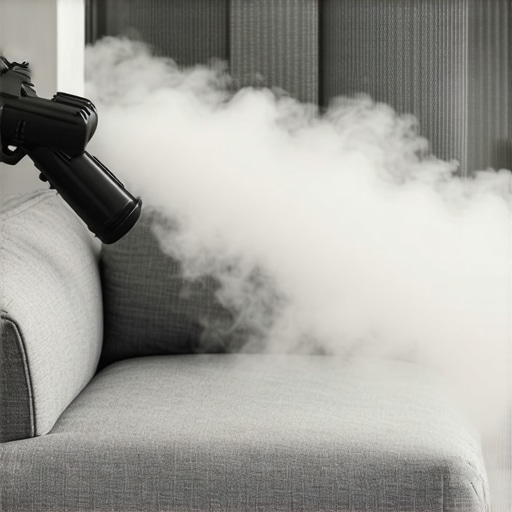 I used this extensively during a recent move-out clean to refresh mattresses and curtains that hadn’t been touched in years. Looking forward, I predict we will see smart washers equipped with real-time bio-sensors that detect when the ‘strip’ cycle is actually done, rather than just running on a timer. Until then, we have to be the sensors ourselves.
Focus on the Hidden Traps for Real Longevity
To truly scale your cleaning efforts, you have to think like a professional inspector. You might have the cleanest floors in the city, but if your dryer is full of lint, your house won’t feel fresh. You must understand why you should clean your dryer vent every single season. It’s not just about fire safety; it’s about airflow. Poor airflow means longer drying times, which leads right back to that damp towel smell we started with. I want you to try one thing today: Go to your laundry room and check the rubber gasket of your washer. If it’s slimy, use my vinegar trick immediately. Achieving effective sanitizing methods for a germ-free home is a marathon, not a sprint, and your tools are your best teammates. If you’re overwhelmed by a specific stain or a deep-seated odor, you can always contact us for professional advice.
The Hardest Lesson I Learned About Keeping a Clean House
I used to believe that a heavy floral scent was the ultimate sign of a successful scrub. I was wrong. I eventually realized that scent is often just a mask for a growing biofilm that protects bacteria from your efforts. My biggest lightbulb moment came when I understood why your mop bucket is spreading more dirt than it removes; if you are not changing your water frequently, you are simply relocating pathogens from one room to another. I also learned that heat alone isn’t a silver bullet for deep-seated bacteria in linens. It requires a specific chemical shift—like the vinegar and baking soda method—to truly break the biological cycle of odor. Finally, I found that consistency always beats intensity; a simple daily house cleaning routine to maintain perfection prevents the need for those exhausting weekend-long deep cleans that leave you burnt out.
#IMAGE_PLACEHOLDER_E#
The Small Gear That Makes a Massive Difference
To maintain a truly sanitized home without feeling like you are constantly working, I rely on a few specific tools. First, high-GSM microfiber cloths are non-negotiable because they physically lift and trap bacteria rather than just smearing it. Second, I recommend keeping a digital hygrometer in your laundry area; keeping humidity below 50% is a foundational part of sanitizing secrets for a safer house in 2025 because it stops mildew before it can colonize your towels. Finally, for anyone looking for the technical science behind fiber care, I always trust the IICRC standards for professional guidelines that protect your investments from harsh, unnecessary chemicals.
Take Control of Your Home Environment Today
A fresh, healthy home is not about achieving an impossible standard of perfection; it is about using the right techniques to protect your space and your family. By implementing effective sanitizing methods for a germ-free home, you can finally breathe easier knowing the hidden sources of the ‘funk’ are gone for good. If you ever run into a cleaning challenge that feels too big to handle alone, please feel free to contact us for expert guidance. Have you ever discovered a hidden source of a bad smell in your home that completely surprised you? Let me know in the comments!