
I was standing in three inches of lukewarm, soapy water, staring at a drain that simply refused to cooperate. It was a Tuesday night, I was tired, and the last thing I wanted to deal with was a plumbing disaster. My first instinct? Reach for the harshest, most expensive chemical jug I could find at the hardware store. I thought more power meant a faster fix. I was wrong. Not only did it fail to move the clog, but it left me with a sink full of toxic sludge that I was terrified to touch. That was my never again moment. Since then, I have leaned into simpler, smarter ways of keeping things flowing, and today, I am going to show you exactly how to tackle that gunk without the chemical burn. We are talking about the humble vinegar and baking soda trick, a method that has saved my sanity more than once while maintaining a daily house cleaning routine to maintain perfection.
Stop Fighting That Slow Drain Once and For All
Slow drains are a sneaky kind of stress. They start as a tiny delay and turn into a full-blown puddle before you know it. Usually, it is a buildup of hair, soap scum, and whatever else managed to slip past the grate. While it is tempting to call in the pros, most of these minor blockages are perfect candidates for a DIY approach. If you are already focused on properly sanitizing your bathroom sink drain, you know that keeping that pipe clear is half the battle. One thing I have learned from years of trial and error is that maintenance is everything. I used to wait until the sink was a lake before I did anything. Now, I use this fizzing duo as a preventative measure. It is about being proactive rather than reactive. Have you ever stood over a sink, plunger in hand, wondering where it all went wrong? You are not alone, and you do not have to keep doing it the hard way.
Does a Little Fizz Really Beat Professional Grade Chemicals?
It is a fair question. We have been conditioned to think that if it does not have a danger label, it probably does not work. But here is the reality: those heavy-duty chemicals are often overkill and can actually do more harm than good. A surprising fact from plumbing experts is that the chemical reaction in many commercial cleaners is exothermic, meaning it creates heat. According to industry specialists, this heat can sometimes reach levels high enough to warp or soften PVC pipes, potentially turning a simple clog into an expensive repair. The vinegar and baking soda method works differently. It is about the mechanical action of the carbon dioxide bubbles breaking apart the physical bonds of the hair and grease. It is not a magic wand, but it is a heck of a lot gentler on your home. Plus, if you are looking for effective sanitizing methods for a germ-free home, you will love that these ingredients are likely already in your pantry.
Why I Swear by This Kitchen Cabinet Secret
I made a huge mistake early on by thinking I could just dump the powder and the liquid down and walk away. The secret is not just the ingredients; it is the timing and the volcano effect. When I first tried this, I did not use enough baking soda, and I did not follow it up with a hot water flush. The result was a bigger mess. But when you get the ratio right, it is like watching a science fair project solve your problems in real-time. It is satisfying, it is cheap, and it actually works for those annoying, everyday clogs that drive us all crazy.Before you dump a single grain of soda, you need to get rid of any standing water. Using this method in a pool of water is like trying to put out a campfire with a damp sponge—it just dilutes the power. I once tried to skip this step because I was lazy. I poured the baking soda into a bowl full of water; it just sat there like a sad, soggy clump. Use a cup or a small bucket to bail out the excess until you can see the drain grate. Once the area is dry, grab your measuring cups and prepare for the reaction.
Prep the Drain for the Ultimate Deep Clean
Start by pouring about half a cup of baking soda directly down the pipe. You might need a funnel or a rolled-up piece of paper if your drain opening is small. The goal is to get the powder as deep into the P-trap as possible. Think of the P-trap like a security guard; it is designed to hold water to block sewer gases, but it also collects every bit of hair and soap scum. If you are following effective house cleaning secrets from cleaning experts, you know that getting to the source is the only way to win. 
Ignite the Volcano and Step Back
Now comes the satisfying part. Slowly pour one cup of white vinegar down the drain. You will immediately hear that satisfying hiss and pop. This is where people usually mess up: they leave the drain open. You want to trap those bubbles. Grab a drain stopper or a damp rag and shove it over the opening. This forces the pressure downward into the clog instead of letting it escape up into the room. It is like a microscopic jackhammer chipping away at the grease. If you are doing this as part of move-out cleaning hacks ensure your deposit refund, you will appreciate how this makes the sink look and smell brand new without any scrub marks.
Let it Sit While You Move to the Next Task
Patience is your best friend here. Let the mixture sit for at least 15 to 30 minutes. While you wait, it is a great time to focus on other areas, like using upholstery cleaning tips for a fresh home revival to spruce up the living room furniture. The chemical reaction needs time to eat through the protein bonds of the hair and the fatty acids of the soap.
The Heat Treatment That Clears the Pipes
The final step is the most critical. While the fizz is working its magic, boil a kettle of water. I am talking a full, whistling kettle. Once the 30 minutes are up, pull the stopper and pour the boiling water directly down the drain in one steady stream. The heat melts away any remaining grease that the bubbles loosened up. This is a staple in my house cleaning strategies for a sparkling home today because it is so much more effective than just turning on the tap. I remember the first time I did this correctly; the sound of the water suddenly whooshing down the pipe was the most rewarding sound I had heard all week. It proved that simple ingredients, used with the right technique, can outperform the most expensive bottle on the shelf. If you are worried about germs remaining, you can always supplement with effective sanitizing methods for a germ-free home to ensure the basin is as clean as the pipes.Let’s move from the pipes to the surfaces, because this is where the most expensive mistakes happen. There is a massive misconception that natural cleaners like vinegar are a universal solution for every corner of the home. While it worked wonders for the drain in our previous step, I’ve seen homeowners permanently etch their high-end stone because they didn’t realize why vinegar is not always the best choice for granite countertops. The acidity literally eats away at the sealant, leaving the stone porous and dull. It’s an easy trap to fall into when you’re trying to avoid harsh chemicals, but ‘green’ doesn’t always mean ‘safe for every material.’
Why More Moisture is Actually Your Worst Enemy
I used to think that soaking a stain was the only way to lift it, but this is a classic ‘oops’ factor in sophisticated home maintenance. Whether you are dealing with a spill or a scheduled deep clean, excessive water is often the enemy of your home’s longevity. On hardwood, it causes warping; on upholstery, it leads to mold deep within the padding. If you are diving into the ultimate upholstery care guide for lasting freshness, you have to be mindful of the specific cleaning codes on your tags. For instance, why you should never use a steam cleaner on these specific upholstery fabrics comes down to the risk of shrinking the fabric or causing ‘water rings’ that are nearly impossible to remove. I once saw a beautiful velvet armchair ruined because someone thought a steam mop would ‘refresh’ the pile. It didn’t; it matted the fibers and destroyed the natural sheen permanently.
Can You Truly Sanitize a Surface in Just Ten Seconds?
Most people spray a disinfectant and immediately wipe it away, assuming the germs are gone instantly. However, according to guidelines from the Environmental Protection Agency (EPA), every registered disinfectant has a specific ‘dwell time’—the amount of time the surface must remain visibly wet to actually kill the pathogens listed on the label. This is one of those sanitizing secrets for a safer house in 2025 that most people ignore in their rush. If you wipe it off after only a few seconds, you’ve basically just moved the dirt around without killing the bacteria. 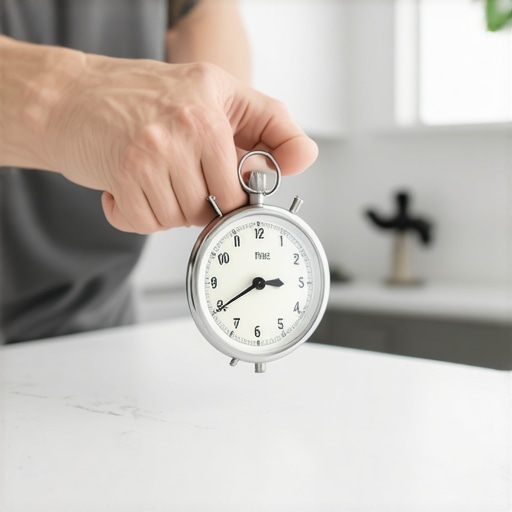
The Hidden Spots That Kill Your Security Deposit Refund
When you are prepping for a move, it is not just the visible floors and walls that matter. Most people focus on the big areas but fail to address the 3 spots in the laundry room rental inspectors always check. It is the hidden lint traps, the grime-heavy seals around the washing machine, and the accumulated dust behind the dryer that often catch a professional inspector’s eye. If you want to master move-out cleaning strategies to secure your deposit, you need to think like a landlord looking for a reason to justify a cleaning fee. I once lost a significant chunk of my deposit just because I forgot to wipe the top of the door frames and the inside of the dishwasher filter. It sounds picky, but in the world of professional property management, these details are the benchmark for a well-maintained home. Have you ever fallen into this trap or had a ‘cleaning fail’ that cost you? Let me know in the comments below.If you want to avoid those deposit-draining mistakes, you have to transition from ‘panic cleaning’ to ‘systematic maintenance.’ The secret to keeping a home in top shape isn’t working harder; it is working with the right tools that handle the heavy lifting for you. I used to rely on a cheap upright vacuum that essentially just blew dust around the room until I invested in a high-filtration HEPA unit. This was a game changer for my allergies and the longevity of my carpets. However, you have to be careful; for example, understanding why your vacuum brush roll is ruining your hardwood floors is essential if you have mixed flooring. I learned the hard way that aggressive bristles are great for rugs but disastrous for oak planks.
The One Tool That Actually Extends Your Home’s Life
Beyond the floors, I’ve found that a quality handheld extraction tool is the best investment for furniture. Most people wait for a major spill to call the pros, but having a small extractor allows you to manage spots the moment they happen. If you are following the ultimate upholstery care guide for lasting freshness, you know that speed is your best friend. I personally use my extractor every three months just to pull out the body oils that accumulate on the armrests. It’s disgusting to see what comes out, but it prevents the fabric from becoming ‘shiny’ or matted over time. This proactive approach is a cornerstone of any daily house cleaning routine to maintain perfection. 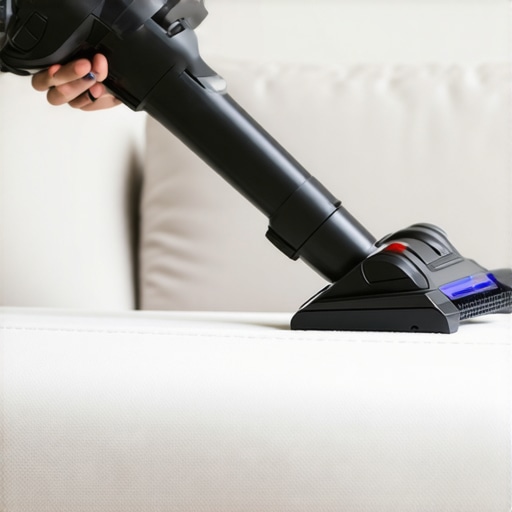
Ditch the Guesswork with a Maintenance Schedule
Maintenance is more about the stuff you don’t see. I now keep a digital log of when I last tackled the ‘invisible’ tasks. For instance, do you know how to clean the filter inside your dryer you didn’t know existed? Most people only clear the lint trap, but there is an internal housing that collects fine debris, creating a fire hazard and slowing down your laundry time. According to the Institute of Inspection, Cleaning and Restoration Certification (IICRC), dry soil makes up about 79% of the dirt in your home. This means that mechanical removal—like consistent vacuuming and filter cleaning—is far more effective for long-term health than any chemical spray. I’ve started applying this logic to everything, even making sure I always vacuum my mattress before sanitizing it to ensure I’m not just dampening layers of dust.
How do I maintain my home’s freshness over time?
The key is a rotating deep-clean calendar. Don’t try to do everything in one weekend. I break my home into zones. Week one is upholstery and soft goods, where I might use a simple technique to revive flat couch cushions. Week two is kitchen appliances and drains. This prevents burnout and ensures nothing gets missed before a lease-end inspection. Looking ahead, I suspect we will see more AI-integrated sensors in our homes that alert us when a drain is starting to slow or when a HEPA filter is truly saturated, moving us even further toward predictive maintenance. If you want to level up right now, my best tip is this: buy a high-quality pH-neutral stone cleaner today and hide the vinegar under the sink so you never accidentally etch your counters again. It is these small, professional-grade shifts in your house cleaning strategies for a sparkling home that make the biggest difference over the years.
The Hard Lessons That Taught Me How Homes Actually Stay Clean
After years of trial and error, I realized that the most important part of maintenance isn’t the muscle you put into it, but the science you apply. First, dwell time is non-negotiable. If you aren’t letting your sanitizer sit, you’re just moving germs around. I wish I had known these sanitizing secrets for a safer house in 2025 before I spent hours scrubbing for no reason. Second, mechanical removal of dry soil is your best defense. Vacuuming is not just about the floor looking good; it is about removing the 79% of dirt that is abrasive and destroys your carpet fibers over time. Finally, always respect the pH of your surfaces. Acidic cleaners like vinegar are amazing for drains, but they are the silent killers of sealed stone and delicate fabrics.
Invest in These Few Items to Save Your Sanity
You don’t need a warehouse full of products to keep a home pristine. My personal toolkit is actually quite small. I swear by a high-filtration HEPA vacuum because it actually traps the particles instead of cycling them back into the air. I also keep a digital copy of a move-out clean checklist to simplify your transition on my phone, even when I’m not moving. It serves as the ultimate reference for those forgotten spots like baseboards and light fixtures. For spills, I trust a simple pH-neutral stone cleaner and a set of microfiber cloths. Using the right tools is how you avoid the panic when trying to figure out how to get your security deposit back when you have pets. Trust the experts at the IICRC and the EPA for your standards, not just a viral video.
#IMAGE_PLACEHOLDER_E#
Start Small and Watch Your Home Transform
Maintaining a home can feel overwhelming, but it is truly a collection of small, intentional habits. You don’t have to tackle the whole house today. Just start with one drain or one upholstery piece and see the difference it makes. When you implement these house cleaning strategies for a sparkling home today, you aren’t just cleaning; you’re protecting your investment and your peace of mind. You’ve got this, and your future self will thank you for the effort you put in now.
Which of these maintenance steps feels like the biggest hurdle for you right now? Let me know in the comments below!