
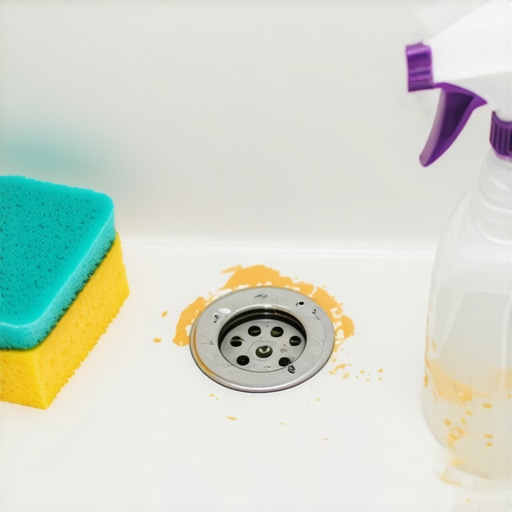
I remember standing in the doorway of my first studio apartment, keys in hand, feeling like a real adult—until I saw the sink. It was a classic porcelain beauty, or it would have been if it weren’t for the terrifying orange streaks weeping down from the faucet. It looked less like a place to brush my teeth and more like a crime scene from a rusty pipe factory. I panicked. I scrubbed. I failed. In fact, I made things worse by reaching for a scouring pad that left permanent scratches on the finish. That was my first big lesson in what not to do when you are trying to ensure your deposit refund at the end of a lease. Today, I am going to show you exactly how to melt those stains away without destroying your fixtures or your sanity.
The Day I Almost Ruined My Porcelain Sink
In my early days as a homeowner, I thought brute force was the answer to everything. I grabbed the harshest bleach I could find and a wire brush, thinking I would just scrape the rust away. Big mistake. All I did was create tiny grooves where dirt could hide even deeper. It turns out that rust is not just surface dirt; it is a chemical reaction. According to the Water Quality Association, nearly 85% of American homes have hard water, which is the primary culprit behind these stubborn mineral and iron deposits. If you have noticed that your bathroom grout stays orange even after a deep scrub, you are dealing with the same iron-heavy enemy I was.
Will these stains actually come off without a professional?
I know what you are thinking because I thought it too: is this sink just a lost cause? You might be worried that you will have to replace the whole basin or spend a fortune on specialized chemicals. The truth is, once you understand the chemistry of rust, you can usually lift it with items already in your pantry. We are going to use a gentle, acidic approach that breaks the bond between the iron and the porcelain. While I love making my stainless steel sink shine like new, porcelain requires a bit more finesse because of its porous nature. Have you ever faced a stain that felt like it was permanently part of the house? Tell me about your toughest cleaning battle in the comments! Before we dive into the step-by-step process, let’s look at why your sink is ‘bleeding’ in the first place and how to stop it from happening again.
Ditch the Bleach for These Kitchen Pantry Acids
To get that porcelain white again, think of your sink like a delicate piece of jewelry rather than a sidewalk. You wouldn’t use a chisel on a diamond, right? Rust is essentially oxidized iron, and to kill it, you need to neutralize it. One of the most effective house cleaning secrets from cleaning experts is using mild acids to dissolve the bond between the rust and the enamel. I remember a frantic Sunday afternoon before my landlord’s inspection where I realized I’d missed the guest bathroom sink. It was covered in those tell-tale orange drips. I didn’t have time to run to the store, so I grabbed a lemon and some kosher salt. I sliced the lemon in half, dipped the cut side in a thick layer of salt, and began to massage the stains in a circular motion. The salt acts as a buffer—it’s abrasive enough to lift the grime but soft enough that it won’t leave those jagged scratches I mentioned earlier. If you’ve ever used the salt and lemon trick for cleaning stained cutting boards, you already know the power of this duo. After letting the juice sit for ten minutes, the rust literally rinsed away, leaving the porcelain bright enough to see my reflection.
Make a Paste That Erases Iron Rings
For those deeper, darker stains that look like they’ve been there since the Nixon administration, you need something with more ‘cling.’ Liquid drips off vertical surfaces, but a paste stays put and works for hours. Mix cream of tartar—an acidic powder found in the baking aisle—with a few drops of hydrogen peroxide or even just water until it’s the consistency of toothpaste. Slather this onto the orange streaks. This is a vital part of move-out cleaning strategies to secure your deposit because it handles the stains that look like permanent damage to a landlord. I once applied this to a bathtub in a 1920s rental that had been neglected for years. We left it on overnight, and by morning, the rust had been absorbed into the white paste. When we wiped it off, the enamel looked brand new. 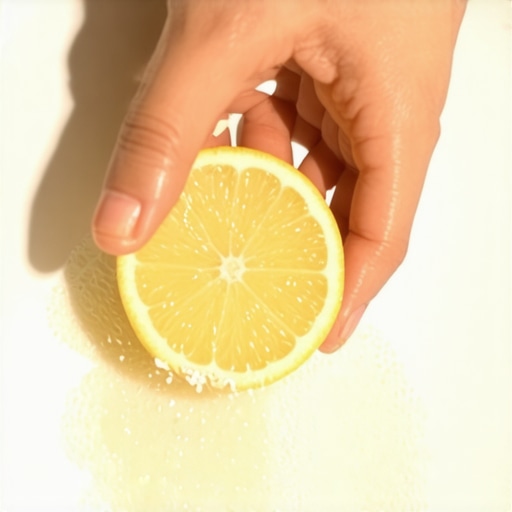
The Wet Pumice Method for Total Restoration
If the chemical approach fails, it is time for the ‘nuclear’ option: the pumice stone. However, there is a catch. You must keep the stone and the porcelain soaking wet at all times. If you use a dry pumice stone, you will scratch the finish, and you’ll be searching for the one spot behind the toilet that landlords check for your deposit just to distract them from the sink you ruined. Think of the water as a lubricant that allows the stone to shave off the mineral buildup without hitting the enamel. This is the same principle professionals use for the proper way to sanitize your bathroom sink drain when mineral crusting gets out of hand. Gently rub the wet stone over the stain until the orange vanishes. This level of detail ensures you aren’t just surface cleaning, but actually restoring the fixture to its original state.While natural solutions like lemon are great for surface stains, I often see people fall into the ‘vinegar trap.’ Everyone says vinegar is the ultimate green cleaner, but in my experience, it’s often too weak for deep sanitization and too harsh for certain stone finishes. If you are preparing for a move, you might think a quick spray-and-wipe with a vinegar solution counts as disinfecting. It doesn’t. According to the Environmental Protection Agency (EPA), most disinfectants require a ‘dwell time’ of 3 to 10 minutes to actually kill pathogens. Simply wiping it off immediately means you’ve only moved the germs around. This is one of the most important sanitizing secrets for a safer house in 2025 that the pros know and amateurs ignore.
Stop treating vinegar like a magic potion
Beyond the dwell time issue, using the wrong pH on the wrong surface is a recipe for disaster. I once consulted for a client who used a heavy vinegar soak on their granite countertops every day; within months, the stone looked dull and pitted. You must realize that why vinegar is not always the best choice for granite countertops is rooted in simple chemistry—acids dissolve calcium-based stones. The same applies to porcelain that has already lost its top glaze. If you use high-acidity cleaners too frequently, you’re essentially accelerating the wear and tear on your fixtures.
Why does that orange ring return even after I scrub it?
If you have successfully lifted the stain but it reappears within a week, you aren’t failing at cleaning—you’re failing at sealing. Porcelain, especially older fixtures, can become porous. Once the original glaze wears down, the iron in your water finds tiny ‘pockets’ to settle into. You need to address the root cause, which is often your water chemistry or the lack of a protective barrier. If you don’t, you’ll find that your floors feel sticky even after you finished mopping because the minerals are bonding with your cleaning agents. Have you ever spent hours scrubbing only to have the mess return a few days later? Let me know in the comments!
The dangerous mistake of mixing cleaners
The most critical ‘oops’ factor involves chemical safety. I’ve seen homeowners try to ‘supercharge’ their cleaning by mixing different products to get results faster. Never mix bleach with any of the acidic methods I mentioned earlier, like lemon or vinegar. This creates toxic chlorine gas. If you’re trying to follow a move-out clean checklist to simplify your transition, the last thing you want is a chemical hazard in your bathroom. Stick to one method at a time, and always rinse thoroughly between steps. For those moving into a new place, I always recommend a daily house cleaning routine to maintain perfection from day one to prevent this mineral buildup from ever taking hold again.  Once you have done the hard work of lifting those iron streaks, the last thing you want is for them to reappear next month. I have found that the best way to scale your cleaning efforts is to stop the stain before it starts. I personally use a thin layer of high-quality carnauba wax or a specialized porcelain sealer on my fixtures after a deep scrub. Why? Because it creates a hydrophobic barrier that forces water—and its mineral cargo—to bead up and roll away instead of sitting and reacting with the surface. This is one of those house cleaning strategies for a sparkling home today that actually pays off six months down the line. If you are handling a move-out clean checklist to simplify your transition, this extra five-minute step can be the difference between a quick walkthrough and a grumpy landlord.
How can I maintain my fixtures long-term?
The secret is in the frequency and the tools. I recommend keeping a small microfiber cloth under the sink specifically for ‘drying’ the basin after the final use of the night. It sounds obsessive, but removing the standing water means the iron never has a chance to oxidize. According to the International Association of Certified Home Inspectors (InterNACHI), the typical lifespan of a porcelain-enameled cast iron sink is about 25 to 30 years, but that lifespan can be cut in half if you consistently use abrasive cleaners that strip the protective glaze. This is why a daily house cleaning routine to maintain perfection is actually less work in the long run than a massive weekend-long scrub.
The High-Tech Future of Self-Cleaning Homes
I predict that within the next decade, we will see a massive shift toward nanotechnology-infused surfaces in our homes. We are already seeing ‘Easy-Clean’ glass in high-end showers, and soon, our sinks and even our furniture—if you follow an ultimate upholstery care guide for lasting freshness—will come pre-treated with permanent, microscopic coatings that prevent dirt from ever sticking. Until then, we have to rely on smart effective sanitizing methods for a germ-free home to keep things safe. If you are moving, check out these sanitizing hacks for safe house transitions to ensure your new space is truly clean. I challenge you to try the carnauba wax trick on just one faucet this week; you will be amazed at how the water just slides off!
What I Finally Realized About Those Persistent Orange Streaks
Over the years, I’ve learned that the secret to a spotless sink isn’t just finding the right chemical; it’s about mastering the timing. If you wait until the stain is thick enough to feel with your fingernail, you’re already fighting an uphill battle. I’ve found that treating porcelain like a living surface—one that needs to be shielded with protective barriers—changes everything. One of my biggest lightbulb moments was realizing that most homeowners scrub far too hard. If you are breaking a sweat, you are likely damaging the delicate finish. Let the chemistry do the heavy lifting, especially when you are applying move-out cleaning strategies to secure your deposit. I also learned that natural acids like lemon are incredibly effective, but they require patience to dissolve iron bonds completely.
The Gear That Keeps My Bathroom Inspection-Ready
You don’t need a professional janitorial closet to get professional results. My essential toolkit for sink restoration includes a genuine pumice stone (used only as a last resort and kept soaking wet), a high-quality microfiber cloth for nightly buffing, and a small tin of carnauba wax to seal the surface. I trust these tools because they prioritize the longevity of the fixture over a quick, destructive fix. If you are looking to refresh other parts of your home beyond the bathroom, check out these upholstery cleaning tips for a fresh home revival. These tools represent the effective house cleaning secrets from cleaning experts who know that preservation is just as important as sanitation. By drying the sink after the last use of the day, you prevent the mineral evaporation that leaves those pesky orange rings behind. #IMAGE_PLACEHOLDER_E#
Reclaiming Your Home One Basin at a Time
Walking into a bathroom with a sparkling white sink provides a sense of mental clarity that is hard to describe. It is a clear signal to yourself—and your landlord—that you take pride in your environment. Whether you are prepping for a move or just trying to perfect your daily house cleaning routine to maintain perfection, remember that every small effort builds toward a healthier, more beautiful living space. If you are a pet owner, don’t forget to look at how to get your security deposit back when you have pets, as these often-overlooked details can save your refund. Consistent house cleaning doesn’t have to be a massive chore when you have the right mindset and the right protective tricks up your sleeve. Have you ever tried the carnauba wax trick to stop water spots, or do you have another secret for keeping iron at bay? Let me know your best sink-saving hacks in the comments below!