
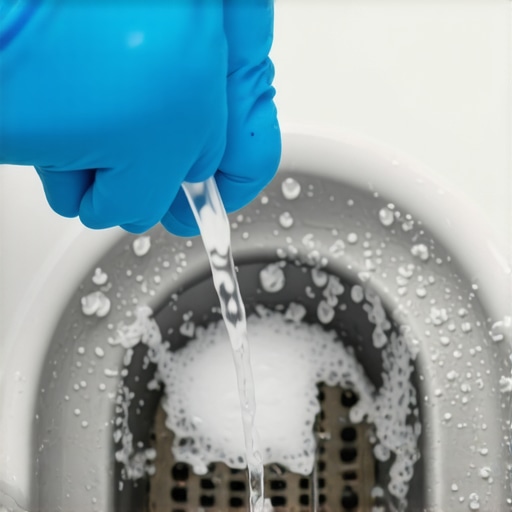
I leaned over to brush my teeth last Tuesday, and it hit me—that damp, swampy smell wafting up from the drain like a ghost from a Victorian basement. It was gross. Truly. I had just finished my daily house cleaning routine, the mirror was sparkling, and the towels were fresh, but my nose was telling a different story. The culprit wasn’t the sink basin; it was the dark, slimy world living just inches below the stopper. We’ve all been there, haven’t we? You scrub the porcelain until your arms ache, yet that persistent, musty odor lingers like an unwanted houseguest. Today, I’m going to share the actual, honest-to-goodness way to sanitize your bathroom sink drain so you can breathe easy again without resorting to harsh chemicals that eat your pipes.
Why Your Bathroom Smells Like a Damp Cave
Most of us assume that because soap and water go down the drain constantly, the drain is somehow ‘cleaning itself.’ I used to believe that too. In fact, my biggest early mistake was thinking a quick splash of mouthwash or a capful of bleach would fix everything. I was wrong. Bleach is often too harsh for older plumbing and doesn’t actually break down the physical gunk. What’s actually down there is a biological film—a ‘biofilm’ if you want to be fancy. According to the National Institutes of Health (NIH), these biofilms are complex communities of bacteria that anchor themselves to surfaces and are notoriously difficult to kill with just a surface rinse. They thrive on hair, toothpaste residue, and skin cells. [image placeholder]
Is this deep cleaning actually worth the hype?
You might be wondering if you really need to go through the trouble of sanitizing the drain when you could just light a candle and call it a day. But if you are planning a move-out clean or just want a truly healthy home, ignoring the drain is a recipe for disaster. This is the specific spot under the bathroom sink that can harbor more bacteria than your toilet seat if left unchecked. Have you ever found yourself scrubbing your bathroom mirror for the tenth time, only to realize the ‘dirty’ smell was coming from right under your nose in the drain? It’s a frustrating cycle, but breaking it is easier than you think.
Stop Pouring Bleach and Start Cleaning Smarter
Before we dive into the steps, we need to talk about safety. It is so easy to accidentally mix chemicals when you’re desperate to kill a smell, so you must learn how to stop cross-contamination while cleaning the bathroom. I once mixed vinegar and a generic cleaner that contained a bit of bleach, and the fumes nearly knocked me over. Don’t be like younger me. We want a germ-free home, not a chemistry experiment gone wrong. By using effective sanitizing methods, we can tackle the root cause of the odor—that stubborn biofilm—without damaging your fixtures or your health. Let’s look at the simple tools you already have in your pantry that are about to become your drain’s best friend.
Melt the Sludge with a Boiling Water Flush
Boiling water is the simplest, most underrated tool in your cleaning arsenal. Before you reach for the heavy-duty stuff, you need to loosen the grip of that sticky biofilm. Think of it like washing a greasy frying pan; cold water just makes the grease congeal, but heat makes it flow. Carefully pour about a half-gallon of near-boiling water directly down the drain. This high temperature helps melt away the soap scum and toothpaste binders that hold the hair and bacteria in place. It’s one of the most effective house cleaning secrets from cleaning experts because it prepares the surface for the sanitizing agents to follow. If you skip this, your sanitizers are just sitting on top of the gunk instead of penetrating it.
Get Close and Personal with the Pop-Up Stopper
This is the part everyone avoids because it’s a bit visceral. I remember the first time I actually pulled the pop-up stopper out of my guest bathroom sink. I expected a little bit of hair; what I got was a grey, gelatinous mass that looked like it belonged in a science fiction movie. The smell was instant and overwhelming. I realized then that no amount of liquid cleaner would have dissolved that physical barrier. Most stoppers can be removed by unscrewing the nut on the pivot rod behind the drain pipe under the sink. Once it’s out, use a stiff brush—the same way you might use the toothbrush trick for removing pet dander from baseboard crevices—to scrub the stopper and the inside of the pipe as far as you can reach. If you are performing a deep clean for a move, remember that this is the one spot behind the toilet that landlords check for your deposit along with the drains to ensure the home is truly refreshed. 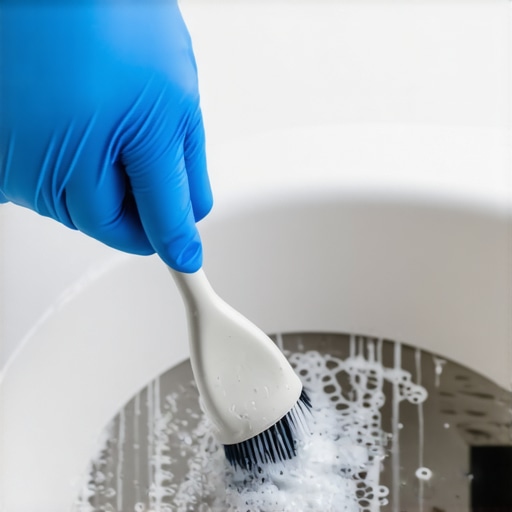
Create a Biofilm-Busting Reaction with Pantry Staples
Now that the physical blockages are gone, it’s time to sanitize the porous surfaces of the pipes. Pour a half-cup of baking soda down the drain, followed by a half-cup of white vinegar. The resulting fizz isn’t just for show; that chemical reaction creates pressure and agitation that scours the walls of the pipe where your brush couldn’t reach. It’s similar to why your washing machine smells like a swamp and how to fix it; you have to break down the organic matter that hosts the odor-causing bacteria. Cover the drain with a plug or a heavy cloth for ten minutes to force the bubbles to expand downward rather than up into the sink. These move-out cleaning hacks ensure your deposit refund by removing the ‘lived-in’ smell that lingers in bathrooms. Finally, flush the system one last time with more boiling water to sweep away the loosened debris. This process ensures you are using effective sanitizing methods for a germ-free home without the risk of inhaling toxic fumes or damaging your plumbing with corrosive liquids.I used to think that the satisfying “fizz” of baking soda and vinegar meant every germ in my drain was meeting its maker. It’s a common belief, but it’s actually a bit of a myth. While that reaction is fantastic for physically dislodging hair and soap scum, it isn’t a registered disinfectant. According to the Environmental Protection Agency (EPA), a true sanitizer must significantly reduce the bacterial population on a surface, and vinegar often falls short of the “kill rate” required for tougher pathogens. If you really want a sterile environment, you need to look into effective sanitizing methods for a germ-free home that use EPA-approved ingredients or specific enzyme digesters designed to eat the biofilm alive. The Journal of Applied Microbiology notes that these biofilms act like microscopic cities, protected by a matrix that requires more than a fleeting chemical reaction to penetrate.
The Dwell Time Secret That Professional Cleaners Swear By
Next, let’s talk about the mistake that nearly cost me a plumbing bill: “dwell time.” Most people pour a cleaner down and immediately flush it with water. That’s like putting soap on your hands and rinsing it off without scrubbing. For any sanitizer to work, it must sit—or “dwell”—on the surface for a specific number of minutes to actually rupture the cell walls of the bacteria. Without this pause, you’re just wasting product and leaving the hardiest germs behind. You can find more about this in my guide on sanitizing secrets for a safer house in 2025. #IMAGE_PLACE_HOLDER_C#
Why Does That Swampy Smell Return So Fast?
Have you ever scrubbed the drain, used the vinegar trick, and still smelled that “wet dog” odor two days later? You’re likely ignoring the sink’s overflow hole. That little aperture at the top of the basin connects to the same drain pipe, but it never gets a “flush” from regular water use. It’s a dark, moist playground for mold and sulfur-producing bacteria. If you don’t treat the overflow, the bacteria there will simply migrate back down to your freshly cleaned drain. Much like why your vacuum cleaner is making the house smell worse by recirculating old dust, a dirty overflow hole recirculates odors every time you run the tap.
Don’t Melt Your Plumbing by Accident
A major “oops” factor I see with DIY enthusiasts is the over-reliance on boiling water. While I recommended it earlier to help melt sludge, you have to be careful with PVC pipes. If your home was built or renovated in the last thirty years, your pipes are likely plastic. Pouring boiling water (212°F) repeatedly can soften the adhesive in the joints or even warp the pipes over time. Use “near-boiling” water—around 150°F—to stay safe. This is the kind of nuance you need for move-out cleaning strategies to secure your deposit without leaving the landlord with a leak. Just like you wouldn’t use a harsh solvent on a delicate sofa—which I cover in my upholstery cleaning tips for a fresh home revival—you shouldn’t treat your plumbing like it’s indestructible. Have you ever fallen into this trap of over-cleaning or using the wrong temperature? Let me know in the comments!
The Three-Dollar Tool That Saves My Pipes
I spent years pouring expensive liquids down the drain before a friend who is a master plumber pointed me toward a simple plastic zip tool. It is basically a long, flexible strip of plastic with tiny barbs on the sides. You slide it down, wiggle it, and pull. It is incredibly satisfying and equally disgusting to see exactly what was causing that slow drain. This is one of those effective house cleaning secrets from cleaning experts that costs almost nothing but works better than any miracle liquid. According to the International Association of Plumbing and Mechanical Officials (IAPMO), mechanical removal of obstructions is always preferred over chemical solutions because it protects the integrity of the P-trap seal and prevents the accidental etching of metal fixtures that often leads to permanent damage. 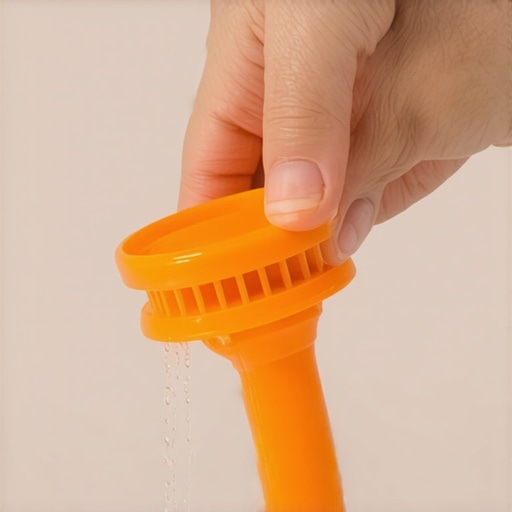
How do I maintain my sink drains over time?
Consistency is the secret sauce for a fresh bathroom. I have found that a weekly hot flush combined with an enzyme-based maintainer keeps the biofilm from ever establishing its microscopic city in the first place. This isn’t just a chore; it is an essential part of a daily house cleaning routine to maintain perfection. Every Sunday night, I drop a bio-enzymatic strip into the drain. These contain non-pathogenic bacteria that literally eat the organic matter like hair, skin, and soap while you sleep. It is the ultimate set it and forget it move for anyone busy with move-out cleaning strategies to secure your deposit or simply trying to keep a busy family home healthy and smelling fresh.
Stop the Smell Before It Starts with Smart Habits
We also need to look at what we are putting into the pipes to prevent long-term buildup. I have started being much more careful about thick, oil-based face cleansers and heavy hair masks. If you are using heavy products, follow them with an extra thirty seconds of warm water to ensure the oils make it all the way out to the main sewer line rather than cooling and hardening in your P-trap. This logic applies to your furniture too; you can check out my ultimate upholstery care guide for lasting freshness to see how preventing buildup is always easier than a deep extraction later. Much like the bathroom drain, your couch fabrics need regular maintenance to avoid holding onto those stale odors.
Where Is the Future of Bathroom Sanitation Heading?
Looking forward, I predict we are going to see a massive shift toward active plumbing systems. We are already seeing the emergence of antimicrobial copper-alloy drain inserts and sink basins that naturally kill 99.9% of bacteria within two hours of contact. In my guide on sanitizing secrets for a safer house in 2025, I discuss how we are moving away from manual scrubbing and toward materials that do the work for us. We might even see AI-integrated sensors that alert you when the biofilm thickness reaches a level that requires a flush, much like how some modern vacuums tell you when the filter is clogged.
Take the Zip-Tool Challenge This Weekend
If you take away one thing from this guide, let it be this: go buy a plastic drain snake. It costs less than a latte and will reveal exactly why your bathroom smells off. Don’t wait until you are working through a move-out clean checklist to simplify your transition to realize your drains were a science experiment. Try it once this weekend, and I promise you will never go back to just pouring chemicals and hoping for the best.
The Gross Truth About Drain Maintenance I Learned the Hard Way
Looking back, I realize how much time I wasted spraying perfume into a room that actually needed a screwdriver and some boiling water. One major lightbulb moment for me was realizing that scent is a signal, not just an annoyance. If you smell that swampy odor, your pipes are literally sending a distress signal that they are losing the battle against bacteria. I also learned the hard way that mixing products is a disaster waiting to happen, so please learn how to stop cross-contamination while cleaning the bathroom before you start pouring. Finally, I discovered that the overflow hole is the forgotten culprit; if you ignore it, you are only doing half the job and the smell will be back in forty-eight hours.
My Personal Arsenal for a Permanently Fresh Sink
I do not believe in buying every gadget on the shelf, but these four items have changed the way I manage my home. First, the plastic zip-strip is non-negotiable for physical hair removal without chemicals. Second, I rely on bio-enzymatic drain strips which offer a slow-release cleaning method that is far safer than liquid acids for your plumbing. Third, a stiff-bristled detail brush—you can even use the toothbrush trick for removing pet dander from baseboard crevices logic here—is essential to scrub the underside of the stopper. Lastly, a simple electric kettle allows me to control the water temperature precisely so I do not damage my PVC joints while utilizing sanitizing hacks for safe house transitions.
Reclaim Your Bathroom Air Once and for All
You do not have to live with a bathroom that smells like a damp basement or an old swamp. By moving away from quick-fix sprays and toward these effective sanitizing methods for a germ-free home, you are protecting both your family’s health and your home’s infrastructure. It takes less than fifteen minutes a week to maintain a drain once you have done the initial deep clean. Start this weekend by pulling that stopper out—I promise the relief of a truly fresh-smelling bathroom is worth the two minutes of ick you might experience during the process. Have you ever pulled something truly shocking out of your sink drain, or did the baking soda fizz actually solve your smell issues? Let me know in the comments below!